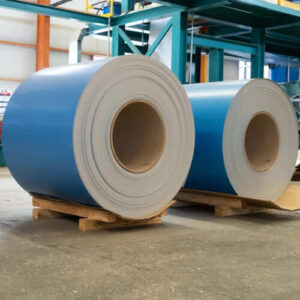
8079 يا رقائق الألومنيوم تشكيل الباردة

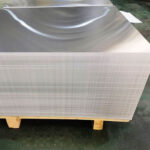
| اسم | 8079 يا رقائق الألومنيوم تشكيل الباردة |
| سماكة | 0.01-0.2مم |
| عرض | 200مم - 1800 مم,يعدل أو يكيف |
| سطح | ساطع, صقيل, خط الشعر, فرشاة, انفجار الرمال, متقلب, منقوش, النقش, طلى, إلخ. |
| اِصطِلاحِيّ | المتداول الباردة ( نسخة )、التلدين ( ا )、يقذف |
8079 يا رقائق الألومنيوم تشكيل الباردة: تطبيقات الصناعة, الخصائص, ورؤى الموردين
ورق الألمنيوم في 8000 تلعب السلسلة دورًا محوريًا في التغليف الحديث, إلكترونيات, والتطبيقات الصناعية. من بين هؤلاء, 8079 تتميز السبائك بقابليتها للتشكيل الممتازة, خصائص الحاجز, وملاءمتها لعمليات التشكيل على البارد التي تتطلب تشكيلًا دقيقًا دون إتلاف الرقائق.
عندما يكون المزاج O (صلب) والمنتج مصمم للتشكيل على البارد, يكتسب المصنعون مادة يمكن تشكيلها إلى مادة معقدة, أشكال عالية الدقة مع الحفاظ على أداء الحاجز الفعال وخفة الوزن.
تغوص هذه المقالة في أساسيات 8079 يا رقائق الألومنيوم المشكلة على البارد, استكشاف الكيمياء لها, الخصائص الميكانيكية والحاجز, التطبيقات النموذجية, اعتبارات التصنيع, ووجهات نظر الموردين, مع التركيز العملي على الموثوقية, جودة, والقيمة.
كما نقدم أيضًا ECO Alum, مورد ملتزم بتقديم جودة عالية 8079 يا رقائق الألومنيوم المشكلة على البارد على نطاق واسع, مع التركيز على الأداء, إمكانية التتبع, ورضا العملاء.
ما هو 8079 يا رقائق الألومنيوم تشكيل الباردة?
8079 تشير رقائق الألومنيوم المشكلة على البارد إلى رقائق الألومنيوم المصنعة من السبائك 8079, مع درجة حرارة O تشير إلى أن المعدن في حالة التلدين.
يصف مصطلح "التشكيل على البارد" في هذا السياق أسلوب التصنيع حيث يتم تشكيل الرقاقة في درجات الحرارة المحيطة - غالبًا بالاشتراك مع الدرفلة, تشكيل, وخطوات التشطيب - دون استخدام العمل الساخن لتحقيق الشكل الهندسي النهائي.
والنتيجة ناعمة, رقائق قابلة للتشكيل للغاية والتي يمكن تشكيلها في ملفات تعريف معقدة, أغطية التغليف, الأختام, أو الهياكل الحاجزة مع الحفاظ على المزايا الكامنة في الرقائق: كثافة قليلة, حاجز ممتاز للرطوبة والغازات, وسطح أملس مناسب للمعالجة الثانوية, الطباعة, والطلاء.
8079 هو جزء من 8000-سلسلة الألومنيوم عائلة, وهي عبارة عن سبائك الألومنيوم والمنغنيز والألمنيوم والمغنيسيوم مصممة لقابلية تشكيل عالية ومقاومة جيدة للتآكل.
يشير المزاج O إلى حالة التلدين الكاملة, مما يعني أن الرقاقة تتمتع بأقصى ليونة وأقل قوة خضوع بين درجات الحرارة.
من الناحية العملية, 8079 يمكن تشكيل رقائق O إلى ميزات حساسة, حواف واضحة, والمقاطع المعقدة مع تقليل مخاطر التشقق أو تصلب العمل أثناء عمليات التشكيل.
هذا المزيج من الخصائص يجعل 8079 يا رقائق الألومنيوم المشكلة على البارد جذابة للتغليف المتخصص, التطبيقات الصيدلانية ومستحضرات التجميل, وغيرها من الأسواق المتخصصة التي يكون فيها التشكيل الدقيق والأداء القوي للحواجز أمرًا مهمًا.
الوجبات السريعة الرئيسية:
– 8079 يا يدل على صلب, سبائك احباط قابلة للتشكيل للغاية.
– يشير التشكيل على البارد إلى تشكيل الرقاقة في درجة حرارة الغرفة لإنتاج أشكال معقدة دون الحاجة إلى تصلب كبير.
– يتم اختيار السبيكة لتحقيق التوازن في القابلية للتشكيل, أداء الحاجز, والتوافق مع الطباعة والطلاءات.

لماذا 8079 تعتبر رقائق الألومنيوم المشكلة على البارد ذات صلة بالتغليف الحديث
في التعبئة والتغليف, يجب أن تعمل الرقاقة عبر عدة أبعاد: السلامة الميكانيكية أثناء التشكيل والختم, حماية الحاجز ضد الرطوبة والغازات, التوافق مع الطباعة والطلاءات, والاتساق في السمك والانتهاء من السطح.
ال 8079 ورق ألومنيوم يتوافق المزاج بشكل جيد مع العمليات التي تتطلب تشكيلًا دقيقًا, مثل تشكيل الغطاء, النقش, وميزات التغليف ثلاثية الأبعاد, دون التضحية بأداء الحاجز أو سلامة الختم. بالإضافة الى:
- القابلية للتشكيل: يوفر المزاج O استطالة عالية وقوة إنتاج منخفضة, مما يتيح تشكيل الرقاقة إلى أشكال معقدة مع تقليل خطر التشقق أو التمزق أثناء التشكيل.
- خصائص الحاجز: تمثل رقائق الألومنيوم حاجزًا كثيفًا للرطوبة, الأكسجين, العبير, وضوء. في حين أن الرقائق الرقيقة لا تشكل حاجزًا كاملاً بنفس طريقة الشرائح متعددة الطبقات, توفر طبقة أكسيد الألومنيوم حماية ممتازة, وأدائه ثابت وموثوق به عبر نطاق واسع من درجات الحرارة.
- قابلية الطباعة والطلاءات: يمكن تحضير أسطح الرقائق للطباعة عالية الجودة أو طلائها لطبقات عازلة إضافية. الانتهاء من السطح 8079 عادة ما تكون الرقائق ناعمة, السماح للطباعة الدقيقة, التركيب, أو التصاق الطلاء.
- التوافق مع العمليات النهائية: الناعمة, تقلل الحالة الصلبة من احتمالية تصلب العمل المبكر, مما يسهل تشكيلها, طية, ختم, وقطع دون إدخال العيوب.
هذه الخصائص تجعل 8079 تعتبر رقائق الألومنيوم المشكلة على البارد خيارًا عمليًا لتطبيقات التعبئة والتغليف المحددة, مكونات نفطة الصيدلانية, وتغليف المنتجات الاستهلاكية المتخصصة التي تتطلب الدقة والموثوقية.
الخصائص الرئيسية ل 8079 يا رقائق الألومنيوم
فهم خصائص 8079 تساعد رقائق الألومنيوم المشترين والمهندسين على تقييم مدى ملاءمتها لتطبيقاتهم.
تلخص القوائم التالية الخصائص الرئيسية المرتبطة عادة بهذه السبيكة والمزاج, إلى جانب توقعات الأداء العامة في سيناريوهات الاستخدام النموذجي.
سبيكة ومزاج
سبيكة: 8079 (نظام Al-Mn-Mg مع العناصر النزرة لتحقيق التوازن بين قابلية التشكيل وأداء الحاجز)
لين، لطف، هدأ: ا (صلب, ناعم)
حالة التشكيل: المعالجة بمساعدة التشكيل على البارد (تشكيل بدرجة حرارة الغرفة مع تشطيب يمكن التحكم فيه)
الخواص الميكانيكية (نطاقات نموذجية)
قوة الشد: منخفضة إلى معتدلة (كما توالت يا المزاج)
قوة الغلة: منخفض جدًا (متسقة مع الحالة الصلبة)
استطالة عند الاستراحة: عالي (يعكس ليونة في مزاج O)
القابلية للتشكيل: ممتاز للتشكيل في أشكال هندسية ثلاثية الأبعاد معقدة مع التحكم الدقيق في العملية
مقاومة الثقب: كافية للعديد من تطبيقات التعبئة والتغليف الاستهلاكية; أعلى في الرقائق السميكة ولكنها لا تزال تعتمد على المقياس وهيكل الدعم
الخصائص الحرارية والحاجز
توصيل حراري: سمة من الألومنيوم; مناسبة لعمليات الختم الحراري ونقل الحرارة المستخدمة في بعض سياقات التغليف
أداء الحاجز: حاجز ممتاز ضد الرطوبة, الأكسجين, والروائح لاحتياجات التعبئة والتغليف العملية; يتم تحسينه باستخدام الصفائح أو الطلاء المناسب إذا تم استخدامه ضمن هيكل متعدد الطبقات
الختم الحراري: متوافق مع تقنيات الختم الشائعة في التغليف; يمكن للمعالجة السطحية والطلاء تحسين سلامة الختم
خصائص السطح
الانتهاء من السطح: عادة ما تكون سلسة ومتسقة, مع إمكانية المعالجات السطحية (على سبيل المثال, التخميل أكسيد, الطلاءات الواقية) اعتمادا على احتياجات العملاء
قابلية الطباعة وتوافق الطلاء: مناسبة لإجراءات الطباعة والترسيب; يعمل إعداد السطح على تحسين التصاق الأحبار والطلاءات
المقاومة للتآكل
أداء التآكل: مناسبة لبيئات التعبئة والتغليف النموذجية; تتأثر مقاومة التآكل بعناصر صناعة السبائك وأي طبقات حماية أو شرائح مستخدمة
الاستقرار الأبعاد
تحمل السماكة: يمكن تحقيق التفاوتات الصارمة من خلال التدحرج والفحص الخاضعين للرقابة
الاستقرار الأبعاد: مناسبة للأختام والإغلاق; التعامل بعناية يقلل من خطر التجاعيد أو تشوه الحافة
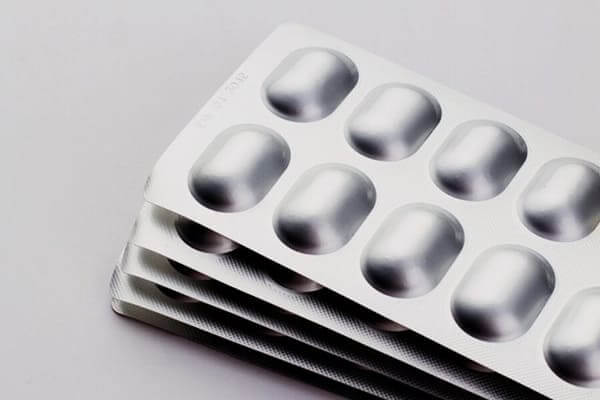
عملية التصنيع: 8079 يا رقائق الألومنيوم تشكيل الباردة
1) تكوين سبائك السبائك والصب
– تبدأ العملية باختيار سبائك الألومنيوم عالية الجودة بتركيبة مصممة خصيصًا للمنتج 8079 عائلة.
– يتم تقليل الشوائب من خلال ممارسات التكرير والصب, وضع الأساس للسلوك الميكانيكي الذي يمكن التنبؤ به ومقاومة التآكل.
2) التجانس والدرفلة المسبقة
– تخضع الألواح المصبوبة للمعالجة الحرارية المتجانسة لتوزيع عناصر صناعة السبائك.
– يتم بعد ذلك تحضير الألواح للتدحرج, مع تنظيف السطح وإزالة الحجم حسب الضرورة.
3) المتداول الباردة لقياس احباط
– تمر الألواح عبر ممرات متعددة في مطحنة الدرفلة لتحقيق المقياس المستهدف (سماكة). تستخدم العملية التلدين والتبريد المتوسط للتحكم في الليونة.
– لتطبيقات التشكيل على البارد, يتم الاحتفاظ بالمادة ضمن درجة حرارة تدعم التشكيل بشكل كبير دون تشقق.
4) الصلب والتلطيف (يا مزاج)
– بعد المتداول, يتم تلدين السبيكة لإزالة تصلب العمل واستعادة الليونة, تحقيق مزاج يا.
– الجو الصلب, درجة حرارة, ويتم تنظيم المدة بإحكام لضمان نعومة موحدة وقابلية للتشكيل.
5) التشطيب السطحي والتفتيش
– قد تخضع الأسطح للتنظيف, التخميل أكسيد, أو الطلاءات الواقية حسب متطلبات العملاء.
– الانتهاء من السطح, التوحيد سمك, ويتم فحص جودة الحافة, مع الأساليب غير المدمرة المستخدمة للكشف عن العيوب.
6) الحز, لف, والتعبئة والتغليف
– يتم شق الرقاقة بالعرض الذي يحدده العميل ثم يتم لفها على النوى. يتم تطبيق التغليف الواقي وحواجز الرطوبة للنقل والتخزين.
– تضمن العبوة النهائية وصول الرقاقة إلى موقع التطبيق خالية من الخدوش, ثقوب, أو مصائد للملوثات.
7) مراقبة الجودة والاختبار
– اختبارات التوتر, اختبارات الاستطالة, اختبار حاجز الأكسجين/الرطوبة (حيثما ينطبق ذلك), يعد فحص الثقب من اختبارات ضمان الجودة النموذجية.
– يستخدم ضمان الجودة للمورد ضوابط العملية, مراقبة العمليات الإحصائية (توافق آراء ساو باولو), وإجراءات التشغيل القياسية (إجراءات التشغيل الموحدة) لضمان التكرار.
الأداء البدني والوظيفي: القابلية للتشكيل, ختم, والحاجز
8079 تنبثق قيمة رقائق الألومنيوم في تطبيقات التشكيل على البارد من كيفية توافق خصائصها الفيزيائية والوظيفية مع احتياجات التصنيع والتعبئة.
القابلية للتشكيل والهندسة
تتيح نعومة مزاج O الرسم العميق, النقش, وهندسة معقدة دون تكسير.
تصميم لاعبا اساسيا, أدوات تاكر, ويجب تحسين سرعات التشكيل لتقليل تمزقات الحواف والتجاعيد.
الختم والالتصاق
لتطبيقات التعبئة والتغليف التي تعتمد على الختم الحراري, يؤثر تشطيب السطح وأي طلاءات على قوة الختم واتساقه.
في شرائح أو هياكل متعددة الطبقات, يعد الالتصاق بطبقات البوليمر أو الطلاءات أحد الاعتبارات الحاسمة.
أداء الحاجز
تمثل رقائق الألومنيوم حاجزًا فعالًا للرطوبة, غازات, والروائح. تحدد مجموعات السماكة والصفائح خصائص الحاجز النهائي لهيكل التغليف.
لتغليف الأدوية أو المواد الغذائية, يعد الحفاظ على حاجز خامل أمرًا ضروريًا للحفاظ على جودة المنتج ومدة صلاحيته.
السلامة الميكانيكية أثناء المناولة
تدعم ليونة الرقاقة خطوات التشكيل ولكنها تتطلب معالجة دقيقة لتجنب التجاعيد, ثقوب, أو عيوب الحافة.
تتأثر مقاومة الثقب بالسمك والمعالجة; سمك أعلى عموما ينتج مقاومة أفضل, لكن تحسين العملية يظل ضروريًا للرقائق الرقيقة.
السلوك الحراري وانتقال الحرارة
تدعم الموصلية الحرارية العالية للألمنيوم نقل الحرارة في عمليات الختم الحراري, عمليات التبريد, أو الخطوات الحرارية الأخرى في خطوط التعبئة والتغليف.
الاستقرار الأبعاد والاتساق
تعد تفاوتات الأبعاد في السُمك والعرض أمرًا بالغ الأهمية للتشكيل والختم الموثوقين.
يقلل اتساق البنية الدقيقة عبر الملف من خطر التباين الموضعي الذي قد يؤثر على قابلية الطباعة أو التصاق الطلاء.
المعايير, شهادة, وضمان الجودة
للمقاولين والمستخدمين النهائيين, العمل مع 8079 تتطلب رقائق الألومنيوم المشكلة على البارد الثقة في الجودة وإمكانية التتبع.
يقوم كبار الموردين بتنفيذ برامج ضمان الجودة الشاملة, مشتمل:
- إمكانية تتبع المواد الخام: إمكانية التتبع الكامل من سبائك السبائك إلى الملفات النهائية, جنبا إلى جنب مع أرقام الدفعة والتحقق من التركيب الكيميائي.
- ضوابط العملية: جداول زمنية موثقة, دورات الصلب, خطوات تشطيب السطح, وفحص اتساق الملف إلى الملف, مدعومة ببيانات SPC.
- عمليات التفتيش والاختبار: اختبارات منتظمة غير مدمرة (NDT) للعيوب السطحية, ثقوب, وجودة الحافة; قياس الأبعاد للسمك والعرض; الاختبارات الميكانيكية للشد والاستطالة وفقا للمعايير الداخلية أو الطرق المتعارف عليها دوليا.
- الطلاءات والمعالجات السطحية: إذا تم تطبيق الطلاء أو شرائح, اختبارات الالتصاق, قياسات سمك الطلاء, ويتم إجراء تقييمات التوافق مع الأحبار والطلاءات.
- الشهادات: ايزو 9001 نظم إدارة الجودة, ومن الناحية المثالية ISO 14001 شهادة الإدارة البيئية. اعتمادا على التطبيقات (على سبيل المثال, عبوات صيدلانية), قد يحتفظ الموردون أيضًا بممارسات تشبه ممارسات التصنيع الجيدة (GMP) أو شهادات خاصة بالمنتج.
ملحوظة: يمكن أن تختلف المعايير والشهادات الدقيقة حسب المورد والمنطقة. يجب على المشترين طلب شهادة المطابقة الحالية, تقارير اختبار المواد (Mtrs), وورقة مواصفات مفصلة لكل طلب.

مقارنات: 8079 يا احباط مقابل رقائق الألومنيوم الأخرى
لمساعدة فرق المشتريات على اختيار الرقاقة المناسبة لمهمة معينة, جدول المقارنة مفيد. يعرض الجدول التالي لمحة مبسطة عن 8079 O رقائق الألومنيوم المشكلة على البارد مقارنة برقائق سلسلة 8000 الشائعة الأخرى المستخدمة في التعبئة والتشكيل. الهدف هو تسليط الضوء على نقاط القوة والمقايضات النموذجية في شكل موجز.
جدول المقارنة (الخصائص والتطبيقات النموذجية)
- أعمدة: سبيكة / مزاج, نطاق السماكة النموذجي, القابلية للتشكيل, حاجز (الرطوبة/الأكسجين), الاعتبارات الحرارية/الشد, التطبيقات المشتركة, الايجابيات البارزة, سلبيات ملحوظة
- الصفوف: 8079 ا, 8011 ا, 8006 ا, 8021 ا (كأمثلة)
8079 حول مقابل 8011 ا
– نطاق سمك: 6-40 ميكرومتر (8079 ا) مقابل 6-60 ميكرومتر (8011 ا)
– القابلية للتشكيل: عالي (8079 ا) مقابل معتدلة إلى عالية (8011 ا, اعتمادا على سمك)
– حاجز: ممتاز في كليهما; 8011 يستخدم O على نطاق واسع في التعبئة والتغليف مع حاجز رطوبة جيد
– الحرارية / الشد: مماثلة للأعصاب الناعمة; 8011 قد يكون لدى O قوة أعلى قليلاً عند المقاييس الأكثر سمكًا
– التطبيقات: 3أغطية د, التعبئة والتغليف المتخصصة, مكونات محكمة الغلق بالحرارة مقابل علب المشروبات أو التغليف المرن
– الايجابيات: قابلية تشكيل فائقة في 8079 يا للهندسة المعقدة; حواف تشكيل نظيفة
– سلبيات: 8011 قد توفر O توافرًا أوسع وشبكات موردين راسخة
8006 حول مقابل 8079 ا
– نطاق سمك: 6-40 ميكرومتر (8079 ا) مقابل 6-60 ميكرومتر (8006 ا)
– القابلية للتشكيل: عالية لكليهما; 8006 قد يكون O أكثر صلابة قليلاً في المقاييس الرفيعة جدًا
– حاجز: قابلة للمقارنة
– الحرارية / الشد: مشابه; 8006 قد يكون لدى O صلابة أعلى قليلاً
– التطبيقات: تغليف الطعام, إغلاق الأدوية (8006 ا) مقابل مكونات التشكيل البارد المتخصصة (8079 ا)
– الايجابيات: 8006 يتمتع O بسجل حافل في مجال تعبئة الأدوية والمواد الغذائية; 8079 يا يتفوق في تشكيل السحب العميق
– سلبيات: 8006 قد يكون O أقل مثالية لميزات التشكيل الدقيقة جدًا
8079 حول مقابل 8021 ا
– نطاق سمك: 6-40 ميكرومتر (8079 ا) مقابل 6-40 ميكرومتر (8021 ا)
– القابلية للتشكيل: مشابه, لكن 8079 O يمكنه تقديم أداء أفضل للرسم العميق في بعض الحالات
– حاجز: قابلة للمقارنة
– التطبيقات: الأختام, قبعات, والهندسة المتخصصة (8021 يستخدم O على نطاق واسع لهياكل التعبئة والتغليف)
– الايجابيات: أداء مماثل مع حافة طفيفة 8079 يا للأشكال الفريدة
– سلبيات: قد يفضل تاريخ التوفر والمعالجة 8021 او في بعض المناطق
الشب البيئي: مقدمة المورد وقدراته
الشب البيئي هي شركة منتجة وموردة لمنتجات رقائق الألومنيوم مع التركيز على 8079 يا رقائق الألومنيوم المشكلة على البارد والمتغيرات ذات الصلة.
تركز عروض القيمة الخاصة بهم على جودة المنتج المتسقة, الوصول العالمي, الدعم الفني, وإمدادات موثوقة. تشمل الجوانب الرئيسية لـ ECO Alum:
- نطاق المنتج والقدرة
- 8079 يا احباط في مقاييس متعددة, الاعراض, وأطوال الملفات مناسبة لتطبيقات التشكيل على البارد
- المواد المساعدة والشرائح لأنظمة التعبئة والتغليف (عند الاقتضاء)
- المرونة لاستيعاب التجارب الصغيرة والتصنيع على نطاق واسع
- قدرات التصنيع
- المتداول المتكامل, التلدين, التشطيب, طلاء, وخطوط التعبئة والتغليف
- عمليات التفتيش أثناء العملية مع تفاوتات صارمة للسمك, العرض, ونوعية السطح
- القدرة على تخصيص المعالجات السطحية لتحسين قابلية الطباعة والتصاق الطلاء
- الجودة والشهادات
- نظام إدارة الجودة المتوافق مع ISO 9001 مع إجراءات التشغيل القياسية الموثقة
- إمكانية التتبع من المواد الخام إلى المنتج النهائي, بما في ذلك استعراضات منتصف المدة على مستوى القطعة
- القدرة على توفير بيانات اختبار الطرف الثالث عند الطلب (على سبيل المثال, الشد, استطالة, نتائج الاختبارات المتعلقة بالحاجز)
- الاستدامة وسلسلة التوريد
- الالتزام بالمصادر المسؤولة, كفاءة الطاقة, وإدارة النفايات
- علاقات شفافة مع الموردين مع فترات زمنية واضحة وتخطيط الإنتاج
- ممارسات واعية بيئيًا تتوافق مع أهداف المسؤولية الاجتماعية للشركات للعملاء
- دعم وخدمة العملاء
- التوجيه الفني بشأن توافق العمليات, تشكيل المعلمات, واستراتيجيات التصفيح
- لوجستيات مرنة, بما في ذلك التسليم في الوقت المناسب والتوزيع الإقليمي
- برنامج عينة, دعم الاختبار, والتطوير التعاوني للتطبيقات الجديدة
لقطة المواصفات: عادي 8079 يا رقائق الألومنيوم تشكيل الباردة
فيما يلي ورقة مواصفات تمثيلية لأغراض التخطيط. احصل دائمًا على ورقة مواصفات المواد الرسمية من المورد للتحقق من صحة المشتريات والهندسة.
- سبيكة: 8079
- لين، لطف، هدأ: ا (صلب)
- كَيّل (سماكة): 6-40 ميكرومتر (النطاق النموذجي لتشكيل التطبيقات)
- عرض: 200-1700 ملم (عادي, اعتمادا على مطحنة)
- الانتهاء من السطح: مصقول/مشرق أو غير لامع حسب المعالجة; المعالجة السطحية متاحة إذا لزم الأمر
- الطلاءات: طبقات حماية اختيارية أو تصفيح لتعزيز الحاجز أو التوافق مع المواد اللاصقة
- الخواص الميكانيكية (نطاقات نموذجية):
- قوة الشد: قليل (صلب)
- قوة الغلة: منخفض جدًا (صلب)
- استطالة: عالي (يدل على ليونة)
- خصائص الحاجز: حاجز ممتاز للرطوبة والغازات لأغراض التعبئة والتغليف العملية; محسنة أو مصممة في شرائح
- توافق الختم الحراري: مناسب لعمليات الختم الحراري القياسية عند استخدامه في التكوينات أحادية الطبقة أو الصفائحية
- المعالجة السطحية: متوافق بسهولة مع أحبار الطباعة والطلاءات; يعتمد اللمسة النهائية والالتصاق على نظام الطلاء
- التسامح: يمكن تحقيق تفاوتات سمك ضيقة من خلال التدحرج الدقيق ومراقبة الجودة
- التعبئة والتغليف: ملف في عبوة واقية من الرطوبة; خيارات مختومة بالفراغ أو مجففة إذا لزم الأمر
- الشهادات: ايزو 9001; تقارير اختبار المنتج المتاحة; إمكانية تتبع المواد
ملاحظات صناعية:
– تختلف الأرقام الدقيقة لكل عميل, لفه, والعملية; اطلب أوراق البيانات وسجلات الدُفعات للتحقق من صحة المنتج للتطبيق الخاص بك.
– للاستخدامات الطبية أو الصيدلانية الحرجة, ضمان التوافق مع المتطلبات التنظيمية والحصول على الوثائق الداعمة من المورد.
المعالجة والمناولة: المبادئ التوجيهية العملية ل 8079 يا رقائق الألومنيوم تشكيل الباردة
تشكيل المعلمات
استخدم أدوات التشكيل والقوالب المصممة لللينة, رقائق معدنية لتقليل تمزقات الحواف.
التحكم في سرعة التشكيل لتقليل تصلب العمل وعيوب السطح.
تحسين التشحيم والاتصال السطحي لتقليل الاحتكاك ومنع التسخين الموضعي.
الطباعة والطلاءات
إذا الطباعة على 8079 يا احباط, حدد الأحبار والطلاءات المتوافقة مع الألومنيوم والهيكل الرقائقي النهائي.
قد تكون المعالجة المسبقة للسطح ضرورية لتعزيز الالتصاق وجودة الطباعة.
اختبار التصاق الطباعة وثبات اللون في ظل الظروف البيئية المتوقعة.
الختم الحراري والتصفيح
للتجمعات مختومة بالحرارة, معايرة درجات حرارة الختم وأوقات السكون لتجنب تلف الرقائق.
في شرائح, تأكد من أن نظام اللاصق متوافق مع الألومنيوم وأي طبقات بوليمر.
التحقق من سلامة التماس في ظل ظروف التخزين النموذجية وسيناريوهات استخدام المنتج.
التخزين والمناولة
يُخزن بعيدًا عن البيئات المسببة للتآكل والرطوبة الشديدة; احتفظ باللفائف في عبوتها الأصلية لحين الاستخدام.
تجنب التعامل الميكانيكي الذي قد يتسبب في تلف الحواف أو تجعدها.
تنفيذ إجراءات المناولة الوقائية للحفاظ على جودة السطح واستقرار الأبعاد.
مراقبة الجودة أثناء الشراء
طلب بيانات التفتيش الواردة, بما في ذلك سمك, توحيد العرض, وحالة السطح.
تأكد من أن المورد يقدم تقارير منتصف المدة على مستوى الدُفعة ووثائق ملاءمة الاستخدام النهائي.
خذ بعين الاعتبار عمليات التشغيل التجريبية الأولية للتحقق من صحة أداء التشكيل وختم السلامة قبل التوسع.
السلامة والامتثال
اتبع إرشادات السلامة المهنية القياسية عند التعامل مع الرقائق المعدنية لتجنب الجروح والإصابات.
ضمان الامتثال للمتطلبات البيئية والتنظيمية لسوقك المحدد (إعادة التدوير, تصرف, وإدارة النفايات).
الأسئلة الشائعة حول 8079 يا رقائق الألومنيوم تشكيل الباردة
ما هو 8079 يا ورق الألمنيوم?
8079 هي سبيكة ألومنيوم من عائلة سلسلة 8000. يشير المزاج O إلى صلب, حالة ناعمة. عند استخدامها في تطبيقات التشكيل على البارد, تتم معالجة الرقائق للحفاظ على ليونة عالية مناسبة للتشكيل في أشكال معقدة.
ماذا يفعل “تشكيل البرد” يعني في إنتاج رقائق الألومنيوم?
يشير التشكيل البارد إلى تشكيل وتشكيل الرقاقة في درجة حرارة الغرفة, بدون عمل ساخن. تعتمد العملية على ليونة الرقائق لتحقيق أشكال هندسية معقدة مع الحفاظ على أداء الحاجز.
ما هي التطبيقات النموذجية ل 8079 يا رقائق الألومنيوم المشكلة على البارد?
وتشمل التطبيقات أغطية التعبئة والتغليف والإغلاق, مكونات التعبئة والتغليف المتخصصة التي تتطلب تشكيلًا دقيقًا, وغيرها من منتجات التعبئة والتغليف حيث تكون التفاوتات الصارمة والأداء القوي للحاجز أمرًا ضروريًا.
ما هي الخصائص الرئيسية التي يجب مراعاتها عند الاختيار 8079 يا احباط?
القابلية للتشكيل (ليونة وجودة الحافة), التحمل سمك والعرض, أداء الحاجز, التوافق مع الختم الحراري, قابلية الطباعة وتوافق الطلاء, والتوافق مع نظام التصفيح أو التغليف المستهدف.
كيف تدعم ECO Alum العملاء الباحثين عن 8079 يا رقائق الألومنيوم المشكلة على البارد?
يوفر ECO Alum توفر المنتج, التوجيه الفني, اختبار العينة, وخدمات سلسلة التوريد الشاملة. يؤكدون على إمكانية التتبع, ضمان الجودة, ودعم العملاء لتلبية الاحتياجات الخاصة بالتطبيقات.
كيف يمكنني التحقق من صحة المورد 8079 يا احباط?
تقييم المواصفات الفنية, مراجعة تقارير اختبار المواد (Mtrs), طلب ملفات عينة لاختبار القابلية للتشكيل, التحقق من الشهادات (على سبيل المثال, ايزو 9001), وتأكيد المهل الزمنية, اللوجستية, ودعم ما بعد البيع.
يستطيع 8079 يمكن استخدام الرقائق في عبوات متعددة الطبقات?
نعم. في العديد من أنظمة التعبئة والتغليف, تعمل رقائق الألومنيوم كطبقة حاجزة داخل شرائح أو هياكل متعددة الطبقات. توافق الرقائق مع المواد اللاصقة, البوليمرات, الأحبار, والطلاءات أمر بالغ الأهمية لأداء الحزمة بشكل عام.
خاتمة
8079 تمثل رقائق الألومنيوم المشكلة على البارد خيارًا متخصصًا للمواد يجمع بين قابلية التشكيل الاستثنائية وخصائص الحاجز الموثوقة, مما يجعلها مناسبة تمامًا لهندسة التغليف والتطبيقات المعقدة التي تتطلب الدقة والاتساق.
عند اختيار هذا احباط, يجب على المشترين النظر في نظام التعبئة والتغليف بأكمله, بما في ذلك شرائح, الطلاء, الأحبار, وتقنيات الختم.
ال 8079 ليونة المزاج تمكن الأشكال المعقدة, بينما توفر قاعدة الألومنيوم حاجزًا قويًا وتوافقًا مع مجموعة من العمليات النهائية.
يقدم شركاء الموردين مثل ECO Alum قيمة إضافية من خلال القدرات المخصصة في التصنيع, ضمان الجودة, وموثوقية سلسلة التوريد.
من خلال توفير إمكانية التتبع, بيانات الاختبار, والتوجيه الفني, يساعد هؤلاء الموردون العملاء على الانتقال من المفهوم إلى المنتجات المعتمدة بثقة.
للمهندسين وفرق المشتريات, يساعد التقييم المنظم الذي يربط خصائص الرقائق مع متطلبات العملية - مدعومًا بالتجارب التجريبية والاختبارات المعملية - على ضمان ذلك 8079 توفر رقائق الألومنيوم المشكلة على البارد الأداء المتوقع في بيئات التعبئة والتغليف في العالم الحقيقي.
مع تطور الأسواق نحو حلول التعبئة والتغليف الأكثر تطوراً, 8079 توفر رقائق الألومنيوم المشكلة على البارد مزيجًا عمليًا من القابلية للتشكيل, أداء الحاجز, والتوافق مع خطوط التصنيع الحديثة.
مع اختيار المواد بعناية, تحسين العملية, وتعاون الموردين, يمكن أن تكون هذه الرقاقة حجر الزاوية في التغليف عالي الجودة وحماية المنتجات في مختلف الصناعات.