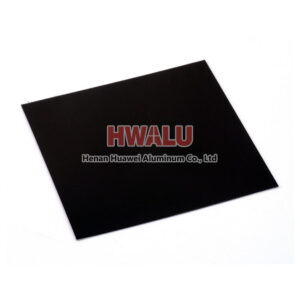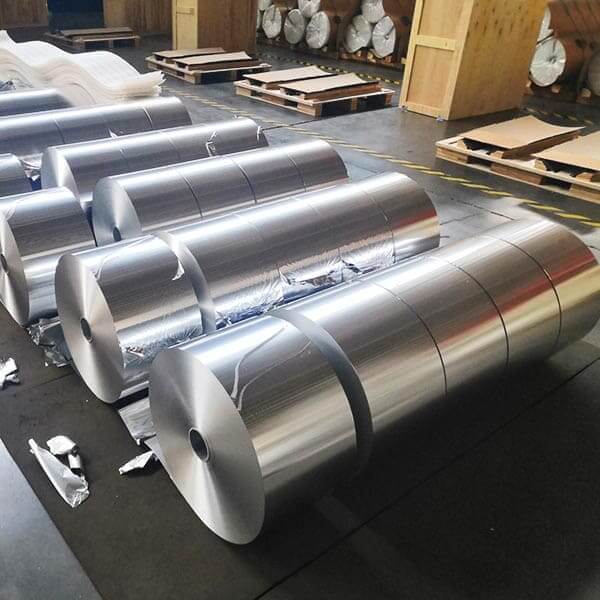
Ffoil alwminiwm wedi'i orchuddio ar gyfer HVAC


| Cynnyrch | Ffoil Alwminiwm Gorchuddio ar gyfer HVAC |
| aloi | 8011 / 3003 / 1100 |
| Tymher | H22, H24, H26 |
| Trwch | 0.08-0.15 mm (80-150 μm) |
| Math Cotio | Hydroffilig / Hydroffobig / Gwrth-cyrydu |
| Telerau Cyflwyno | FOB, CFR, CIF, EXW |
| Nghais | Esgyll anweddydd, Esgyll Cyddwysydd, Cyfnewidwyr gwres, Cyflyrwyr Aer, Pympiau Gwres, Systemau HVAC Masnachol |
Cyflwyniad: Ffoil alwminiwm wedi'i orchuddio ar gyfer HVAC a'i bwysigrwydd cynyddol
Mae ffoil alwminiwm wedi'i orchuddio ar gyfer HVAC yn cael ei gydnabod fwyfwy fel ateb ymarferol i wella effeithlonrwydd ynni, ansawdd aer dan do, a dibynadwyedd system.
Mewn gwresogi modern, awyru, a chyflyru aer (Hvac) dyluniadau, y dwythell, inswleiddio, ac mae cydrannau trin aer yn wynebu lleithder, cyrydu, twf microbaidd, ac amlygiad cemegol.
Gall ffoil alwminiwm â chaenen wedi'i ddewis yn dda weithredu fel gwydn, ysgafn, a rhwystr adlewyrchol iawn sy'n lleihau colledion trosglwyddo gwres, yn gwrthsefyll amgylcheddau cyrydol, ac yn cefnogi y gellir ei lanhau, arwynebau hylan.
Mae'r blogbost hwn yn plymio i'r wyddoniaeth, technolegau, a chymhwyso ffoil alwminiwm wedi'i orchuddio ar gyfer HVAC, gydag arweiniad ymarferol i ddylunwyr, gosodwyr, contractwyr, a pherchnogion adeiladau.
Byddwn hefyd yn cyflwyno Eco Alwminiwm, un o brif gyflenwyr cynhyrchion ffoil alwminiwm, gan gynnwys opsiynau wedi'u gorchuddio wedi'u teilwra ar gyfer HVAC.
Mae Eco Alwminiwm yn cyfuno gwybodaeth ddeunydd dwfn â rheolaeth ansawdd trwyadl, helpu cwsmeriaid i gyrraedd targedau perfformiad tra'n cynnal cystadleurwydd cost a chydymffurfiaeth reoleiddiol.

Rôl Ffoil Alwminiwm Haenedig yn HVAC
Mae ffoil alwminiwm wedi'i orchuddio yn chwarae sawl rôl hanfodol mewn systemau HVAC:
- Rheolaeth thermol ac effeithlonrwydd ynni: Mae haenau adlewyrchol a rhwystrol yn lleihau trosglwyddiad gwres pelydrol ac yn amddiffyn rhag cyfnewid gwres a yrrir gan leithder mewn dwythellau a haenau inswleiddio.
- Gwrthiant lleithder ac amddiffyniad cyrydiad: Mae amgylcheddau HVAC yn llaith ac yn weithgar yn gemegol. Mae haenau yn ymestyn oes ffoil trwy gyfyngu ar dreiddiad lleithder a chorydiad o dan amodau inswleiddio llaith.
- Glanweithdra ac ansawdd aer dan do: Mae haenau gwrthficrobaidd neu hawdd eu glanhau yn helpu i rwystro twf microbau arwyneb a symleiddio'r gwaith cynnal a chadw.
- Diogelu a thrin mecanyddol: Mae haenau yn gwella ymwrthedd crafiadau, galluogi trin yn haws yn ystod gosod a bywyd gwasanaeth.
- Cydnawsedd â deunyddiau HVAC eraill: Mae haenau ffoil wedi'u cynllunio i aros yn sefydlog gyda wynebau inswleiddio, gludyddion, selyddion, a chaewyr mecanyddol a ddefnyddir mewn dwythellau ac unedau trin aer.
Mae'r cyfuniad hwn o eiddo yn trosi'n fuddion diriaethol: biliau ynni is, bywyd gwasanaeth hirach ar gyfer cydrannau dwythell, llai o amlder cynnal a chadw, a gwell ansawdd amgylcheddol dan do.
Mae'r atebion mwyaf effeithiol yn cydbwyso perfformiad thermol, amddiffyn rhag lleithder a chemegau, ac ystyriaethau cost, i gyd tra'n bodloni safonau ac ardystiadau perthnasol.
Cyd-destun Marchnad a Diwydiant
Mae'r sector HVAC dan bwysau i fodloni safonau effeithlonrwydd ynni uwch, gwella ansawdd aer dan do, a lleihau costau cylch bywyd.
Mewn llawer o ranbarthau, mae codau adeiladu yn ffafrio adlewyrchol fwyfwy, ynysu, a deunyddiau sy'n gwrthsefyll lleithder mewn dwythellau a chynulliadau cysylltiedig.
Mae ffoil alwminiwm wedi'i orchuddio yn cyd-fynd yn dda â'r amcanion hyn:
- Tueddiadau effeithlonrwydd ynni: Mae wynebau ffoil adlewyrchol a haenau allyriadau isel yn helpu i leihau enillion solar mewn amlenni adeiladu a cholledion gwres pelydrol mewn dwythellau, cyfrannu at system gyffredinol well COP (cyfernod perfformiad) ar gyfer pympiau gwres ac unedau HVAC.
- Heriau lleithder a chorydiad: dwythellau, cefnogwyr awyru, ac mae AHUs yn gweithredu mewn amgylcheddau llaith lle gall cyrydiad a thwf microbaidd ddiraddio perfformiad. Mae rhwystr a haenau gwrthficrobaidd yn mynd i'r afael â'r pryderon hyn.
- Nodau cynaliadwyedd: Mae ffoil alwminiwm yn ailgylchadwy ac yn ysgafn, hwyluso gwelliannau cylch bywyd wrth baru â haenau gwydn sy'n ymestyn oes y gwasanaeth.
Mae Eco Aluminium yn gweithredu o fewn y farchnad hon trwy gynnig cynhyrchion ffoil wedi'u gorchuddio a ddyluniwyd ar gyfer cymwysiadau HVAC, ochr yn ochr â phortffolio o atebion safonol ac arfer.
Eu gallu i deilwra haenau, trwch, ac mae dimensiynau yn helpu dylunwyr HVAC i wneud y gorau o berfformiad ar gyfer ôl-osod ac adeiladau newydd fel ei gilydd.
Graddau a manylebau ffoil alwminiwm wedi'i orchuddio ar gyfer HVAC
Graddau Cyffredin o ffoil alwminiwm Gorchuddio ar gyfer HVAC
| Gradd aloi | Tymher | Trwch (mm) | Nodweddion | Cymwysiadau nodweddiadol |
|---|---|---|---|---|
| 1100 | H22/H24 | 0.08-0.12 | Dargludedd thermol rhagorol | Anweddyddion cyflyrydd aer preswyl |
| 1200 | H24 | 0.08-0.12 | Cryfder uwch na 1100 | HVAC preswyl |
| 3003 | H24 | 0.09-0.15 | Cryfder da a gwrthsefyll cyrydiad | Systemau HVAC masnachol |
| 3102 | H24/H26 | 0.09-0.15 | Cryfder uchel a gwrthsefyll cyrydiad | HVAC modurol a chyfnewidwyr gwres |
| 8006 | H24 | 0.08-0.15 | Ffurfioldeb rhagorol | Esgyll cyfnewidydd gwres premiwm |
| 8011 | H24/H26 | 0.08-0.12 | Perfformiad cyffredinol gorau; safon diwydiant | Cyflyrwyr aer preswyl a masnachol, pympiau gwres |
Gorchuddio Mathau o ffoil alwminiwm Gorchuddio ar gyfer HVAC
| Math Cotio | Disgrifiadau | Manteision | Cais Nodweddiadol |
|---|---|---|---|
| Gorchudd Hydroffilig | Gorchudd sy'n denu dŵr | Draeniad cyddwys cyflym, gwell effeithlonrwydd trosglwyddo gwres | Anweddyddion |
| Gorchudd Hydroffobig | Gorchudd sy'n ymlid dŵr | Colli dŵr yn gyflym, llai o grynhoad baw | Cyddwysyddion |
| Gorchudd gwrth-cyrydu | Gorchudd sy'n gwrthsefyll cyrydiad | Gwrthwynebiad ardderchog i chwistrellu halen, lleithder, a chemegau | Systemau HVAC morol a diwydiannol |
| Gorchudd Epocsi | Gorchudd resin epocsi | Gwrthiant cemegol uchel | Cyfnewidwyr gwres diwydiannol |
| AG (Polyester) Cotiau | Cotio polyester | Cost-effeithiol a gwrthsefyll y tywydd | Offer HVAC cyffredinol |
| Gorchudd PVDF | Cotio fflworid polyvinylidene | Uwch UV a gwrthsefyll tywydd | Unedau HVAC awyr agored |
Manylebau a Argymhellir ar gyfer Cymwysiadau HVAC
| Nghais | Alloy a Argymhellir | Tymher | Trwch (mm) | Gorchudd a Argymhellir |
|---|---|---|---|---|
| Anweddydd Cyflyrydd Aer Preswyl | 8011 | H24 | 0.095-0.105 | Hydroffilig |
| Cyddwysydd Cyflyrydd Aer Preswyl | 8011 | H24 | 0.100-0.120 | Gwrth-cyrydu |
| Systemau HVAC Masnachol | 3102 | H24 | 0.100-0.150 | Hydroffilig |
| Cyfnewidydd Gwres Pwmp Gwres | 8011 | H26 | 0.090-0.110 | Glas Hydrophilic |
| Cyflyru Aer Modurol | 3102 | H26 | 0.080-0.100 | Hydroffilig |
| Systemau HVAC Morol neu Arfordirol | 8011 | H24 | 0.100-0.120 | Gorchudd gwrth-cyrydiad perfformiad uchel |
Technolegau Cotio ar gyfer Ffoil HVAC
Cotiadau PVDF
Mae haenau PVDF ymhlith y rhai mwyaf cyffredin ar gyfer ffoil HVAC oherwydd eu gwrthwynebiad rhyfeddol i amlygiad UV, hindreulio, ac ymosodiad cemegol. Mae PVDF yn cynnig:
- Gwydnwch wyneb uchel a chyfraddau heneiddio isel
- Adlyniad rhagorol i ffoil metel
- Cadw lliw gwell a sefydlogrwydd sglein
- Goddefgarwch tymheredd eang (addas ar gyfer amodau gweithredu nodweddiadol HVAC)
Mae anfanteision posibl yn cynnwys costau deunydd uwch a chylchoedd prosesu hirach, ond mae'r buddion perfformiad yn aml yn cyfiawnhau'r buddsoddiad ar gyfer cymwysiadau hanfodol fel wynebau adlewyrchol agored neu amgylcheddau lleithder uchel.
Gorchuddion gwrthficrobaidd a hylan
Nod haenau gwrthficrobaidd yw lleihau cytrefu microbaidd ar arwynebau ffoil o fewn gwasanaethau HVAC.
Er nad yw'n cymryd lle glanhau arferol, gall y haenau hyn ychwanegu at hylendid arwynebau mewn ardaloedd â lleithder uchel neu fynediad cyfyngedig i lanhau. Mae achosion defnydd nodweddiadol yn cynnwys:
- Adrannau dwythell mewn amgylcheddau clinigol neu labordy
- Caeau gwacáu a chymeriant aer yn destun heriau microbaidd
- Cyfleusterau prosesu bwyd lle mae cyfyngiadau hylendid yn llym
Mae effeithiolrwydd yn amrywio yn ôl fformiwleiddiad ac amodau datguddiad.
Mae gweithgynhyrchwyr yn aml yn adrodd am ostyngiadau mewn cyfrifiadau microbaidd hyfyw mewn profion rheoledig; mae canlyniadau maes yn dibynnu ar gynnal a chadw, llif aer, a lleithder.
Gorchuddion rhwystr a mandylledd isel
Mae haenau rhwystr yn gwella ymwrthedd lleithder ac yn amddiffyn rhag treiddiad nwyon neu anweddau rhag inswleiddio neu selio.
Mewn rhai achosion, mae haenau amlhaenog yn cyfuno haen rhwystr lleithder gyda chot uchaf adlewyrchol i gadw perfformiad thermol a chyfanrwydd arwyneb.
Parylene a rhwystrau datblygedig eraill
Mae haenau parylene yn cynnig cydffurfiol, rhwystrau di-dwll pin gyda lleithder eithriadol a gwrthiant cemegol.
Tra rhagorol ar gyfer amgylcheddau heriol, mae prosesau parylene yn ychwanegu cost ac yn gofyn am offer arbenigol.
Ar gyfer llawer o gymwysiadau HVAC, Mae haenau PVDF neu polyolefin yn darparu cydbwysedd ffafriol o ran perfformiad a chost.
Cotiau top adlewyrchol ac addurniadol
Mewn rhai gosodiadau, ymddangosiad allanol wynebau ffoil materion ar gyfer gwelededd neu frandio.
Gall ffoil alwminiwm adlewyrchol gyda chotiau uchaf PVDF sicrhau adlewyrchedd uchel (yn aml 95-98% at ddibenion rhwystr pelydrol) ac yn dal i gynnal sefydlogrwydd cemegol a UV.
Ystyriaethau prosesu ar gyfer haenau
- Trwch cotio: Mae haenau ffoil HVAC nodweddiadol yn amrywio o ychydig ficromedrau i ychydig ddegau o ficromedrau. Mae haenau mwy trwchus yn darparu mwy o amddiffyniad ond gallant ychwanegu hyblygrwydd cost ac effaith.
- Adlyniad a pharatoi wyneb: Glanhau priodol, rhag-driniaeth, ac mae optimeiddio ynni arwyneb yn sicrhau adlyniad cadarn a pherfformiad hirdymor.
- Curo a thrin: Mae angen halltu rhai haenau ar dymheredd uchel neu amgylcheddau arbenigol. Mae canllawiau trin yn lleihau'r risg o ddifrod cotio yn ystod gwneuthuriad neu osod.
- Gydnawsedd: Rhaid i haenau fod yn gydnaws â deunyddiau inswleiddio, gludyddion, a chaewyr mecanyddol a ddefnyddir mewn dwythellau ac AHUs i atal dadlaminiad neu gyrydiad ar ryngwynebau.
Ceisiadau yn HVAC
Gwaith dwythell a wynebau inswleiddio dwythellau
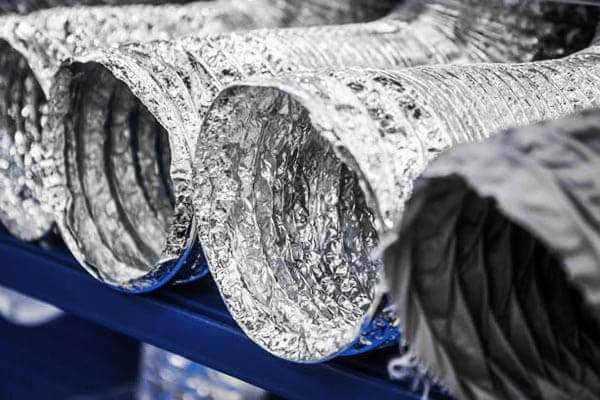
Defnyddir ffoil wedi'i orchuddio yn eang fel deunydd sy'n wynebu mewn dwythellau wedi'u hinswleiddio a segmentau dwythell hyblyg.
Mae'r gorchudd yn rhwystr rhag mudo lleithder o'r inswleiddiad i'r dwythell, yn lleihau'r risg o rydu ar ryngwynebau metel, ac yn gwella hylendid arwynebau.
Mewn ceisiadau rhwystr radiant, mae ffoiliau adlewyrchol gydag arwynebau rheoli allyriad uchel yn helpu i leihau cyfnewid gwres pelydrol rhwng llwybrau cyflenwi a dychwelyd.
Unedau trin aer a sesiynau llawn
Mae AHUs a plenums yn aml yn dibynnu ar ddeunyddiau ffoil wedi'u gorchuddio mewn cydrannau mewnol, bafflau, a leinin.
Mae'r cyfuniad o adlewyrchedd a haenau amddiffynnol yn helpu i sicrhau gwell effeithlonrwydd ynni a glanhau arferol yn haws, cyfrannu at well ansawdd aer dan do.
Coiliau a chyfnewidwyr gwres
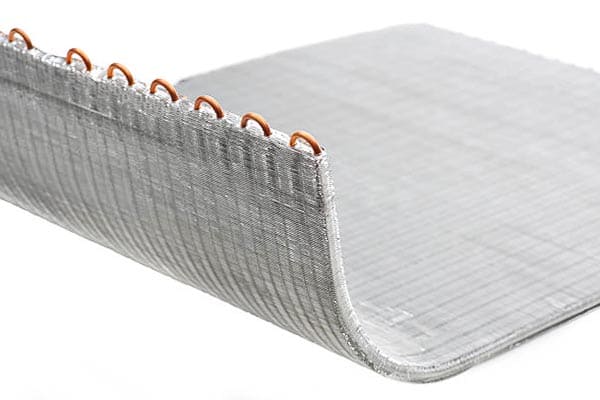
Gall esgyll coil a chydrannau ffoil cysylltiedig elwa o haenau sy'n gwrthsefyll cyrydiad mewn cysylltiad â ffrydiau aer cyddwys neu llaith.
Er bod llawer o systemau coil yn defnyddio aloion alwminiwm yn gynhenid wrthsefyll cyrydiad, gall amlygiad estynedig neu gyddwysiadau ymosodol olygu bod angen arwynebau amddiffynnol.
Rhwystrau pelydrol ac amlenni adeiladu
Wrth adeiladu systemau rhwystr pelydrol integredig HVAC, mae ffoil alwminiwm wedi'i orchuddio yn chwarae rhan ddeuol: adlewyrchu gwres pelydrol a darparu arwyneb sy'n gwrthsefyll lleithder.
Gall ffoil wedi'u gorchuddio â PVDF sicrhau perfformiad ynni a gwydnwch mewn gosodiadau atig neu do.
Senarios cynnal a chadw ac ôl-osod
Gall ôl-ffitio â wynebau wedi'u gorchuddio â ffoil ymestyn oes dwythellau sy'n heneiddio, gwella effeithlonrwydd yn y systemau presennol, a galluogi gwell arferion hylendid heb newidiadau strwythurol sylweddol.
Mae natur fodiwlaidd wynebau ffoil yn symleiddio gosod yn ystod cylchoedd cynnal a chadw ac uwchraddio systemau.

Perfformiad a Phrofi: Beth i'w Ddisgwyl
Er mwyn sicrhau dibynadwyedd, Prosiectau HVAC sy'n dibynnu ar ffoil alwminiwm wedi'i orchuddio - boed ar gyfer wynebu, rhwystrau, neu gymwysiadau adlewyrchol - dylent gael eu harwain gan brofion a dilysu safonol.
Er bod profion penodol yn amrywio yn ôl cais, mae'r dangosyddion perfformiad canlynol yn gyffredin yn y diwydiant:
- Perfformiad thermol: Wedi'i fesur fel ymwrthedd trosglwyddo gwres ac eiddo adlewyrchol. Gall deunyddiau ag adlewyrchedd uwch leihau enillion gwres pelydrol, cyfrannu at effeithlonrwydd cyffredinol y system.
- Gwrthiant lleithder:Mae profion lleithder ac anwedd yn efelychu amlygiad i inswleiddio lleithder, gwirio cywirdeb rhwystr ac adlyniad cotio o dan amodau gwlyb.
- Gwrthiant cemegol: Amlygiad i gludyddion nodweddiadol, selyddion, toddyddion, ac asiantau glanhau mewn amgylcheddau HVAC i werthuso gwydnwch cotio.
- Adlyniad a chywirdeb mecanyddol: Profion tâp, profion adlyniad trawsbynciol, ac mae profion plygu yn gwirio adlyniad cotio o dan symud a thrin gwasanaeth.
- UV a gwrthsefyll hindreulio: Ar gyfer arwynebau sy'n agored i olau dydd neu lwybrau awyr agored, Mae sefydlogrwydd UV a chyflymder lliw yn bwysig ar gyfer ymddangosiad a pherfformiad hirdymor.
- Gwrthiant microbaidd (lle bo'n berthnasol): Gall astudiaethau labordy fesur gostyngiadau mewn llwyth microbaidd arwyneb ar gyfer haenau gwrthficrobaidd o dan amodau lleithder a thymheredd rheoledig.
Enghreifftiau o ddata perfformiad (enghreifftiol ac nid yn lle data cyflenwyr):
- Adlewyrchiad: 95–98% ar gyfer ffoil wedi'i orchuddio â PVDF ar donfeddi gweladwy, cyfrannu at reoli gwres pelydrol.
- Allyredd: Gorchuddion emissivity isel gydag emissivity mor isel â 0.05, lleihau cyfnewid gwres pelydrol mewn rhai ffurfweddiadau.
- Adlyniad: Trothwyon methiant mewn profion trawsbynciol safonol sy'n dangos adlyniad cadarn heb unrhyw ddadlaminiad ar draws ystodau tymheredd gosod nodweddiadol.
- Cyfradd trosglwyddo anwedd dŵr (WVTR): Gorchuddion rhwystr yn cyflawni treiddiad bron yn sero o fewn bywyd gwasanaeth disgwyliedig ar gyfer rhyngwynebau dwythell HVAC.
Dewisiadau a phriodweddau cotio cynrychioliadol
| Math Cotio | Cymwysiadau Nodweddiadol yn HVAC | Manteision Allweddol | Trwch Cotio Bras | Deunyddiau Nodweddiadol (enghreifftiau) |
|---|---|---|---|---|
| Gorchudd seiliedig ar PVDF | Wynebau dwythell, rhwystrau myfyriol | Gallu tywydd ardderchog, ymwrthedd cemegol, sefydlogrwydd lliw hirdymor | 10-40 µm | Pvdf, selio acrylig |
| Polyolefin (Addysg Gorfforol/PP) cotiau uchaf | Rhwystrau lleithder cyffredinol, wynebau cost-effeithiol | Priodweddau rhwystr da, cost is | 5–20 µm | AG, Cyfansoddion amlhaenog PP |
| Haenau gwrthficrobaidd | Cyfleusterau llaith neu ofal iechyd, ystafelloedd glan | Gostyngiad llwyth microbaidd mewn profion rheoledig | 5-15 µm | Arian, fformwleiddiadau bioleiddiaid copr |
| Rhwystr parylene | Lleithder uchel a mannau amlygiad cemegol | Rhwystr lleithder uwch, sylw di-dwll pin | 1–5 µm | Parylene C, N, neu D amrywiadau |
| Rhwystr ceramig neu uwch | Amgylcheddau cemegol eithafol, lleithder uchel | Gwrthiant cemegol eithriadol a goddefgarwch tymheredd | 1–5 µm | Cemegau rhwystr tebyg i serameg |
Chofnodes: Mae'r tabl yn rhoi opsiynau cynrychioliadol; mae manylebau cynnyrch gwirioneddol yn amrywio yn ôl cyflenwr a theulu cynnyrch. Cyfeiriwch bob amser at daflen ddata'r cyflenwr am fetrigau manwl gywir.
Ystyriaethau Cynaladwyedd ac Amgylcheddol
Mae cynaliadwyedd yn ffactor sy'n penderfynu fwyfwy wrth ddewis deunyddiau HVAC. Cynigion ffoil alwminiwm gorchuddio:
- Ailgylchedd: Gellir ailgylchu ffoil alwminiwm yn eang, ac mae'r gwerth ailgylchu yn cael ei wella pan fo haenau'n gydnaws â ffrydiau ailgylchu. Mae rhai cemegau cotio yn cael eu llunio i hwyluso ailgylchu trwy wahanu mecanyddol neu driniaeth gemegol.
- Arbedion ynni cylch bywyd: Trwy wella perfformiad inswleiddio a lleihau colledion gwres, mae ffoil wedi'i orchuddio yn cyfrannu at ddefnydd is o ynni dros oes y system. Mae'r arbediad ynni hwn yn aml yn gwrthbwyso egni ymgorfforedig y cotio ei hun.
- Llai o waith cynnal a chadw ac ailosod: Mae haenau gwydn yn gwrthsefyll cyrydiad, difrod lleithder, a thwf microbaidd, gan arwain at lai o ailosodiadau a llai o wastraff materol dros amser.
- Allyriadau VOC isel: Mae llawer o haenau modern yn pwysleisio fformwleiddiadau VOC isel neu ddi-VOC i fodloni safonau ansawdd aer dan do, arbennig o bwysig mewn mannau a feddiannir.
Dylai prosiectau HVAC ystyried asesiad cylch bywyd (LCA) data, ymrwymiadau cynaliadwyedd cyflenwyr, a rheolaeth diwedd oes wrth ddewis cynhyrchion ffoil wedi'u gorchuddio.
Mae Eco Aluminium yn pwysleisio cyrchu cyfrifol, olrheinedd, a chydymffurfiaeth â safonau rheoli amgylcheddol yn ei gadwyn gynhyrchu a chyflenwi.
Proses Gweithgynhyrchu a Chaenu: O Ffoil i Gynnyrch Gorffenedig
Mae llinell cotio nodweddiadol ar gyfer ffoil HVAC yn cynnwys sawl cam:
1) Paratoi a glanhau: Mae wyneb y ffoil yn cael ei lanhau i gael gwared ar olewau, llwch, ac ysgythru gweddillion, yn aml yn defnyddio toddyddion neu lanhawyr dyfrllyd.
2) Gweithrediad wyneb: Gall pretreatment cemegol wella adlyniad ar gyfer y cotio, sicrhau perfformiad hirdymor.
3) Cais cotio: Rhoddir haenau trwy brosesau fel cotio rholio, cloi-y, neu allwthio, yn dibynnu ar y deunydd cotio a'r trwch a ddymunir.
4) Curo neu sychu: Mae ffoil wedi'u gorchuddio yn mynd trwy ffyrnau neu systemau halltu UV i wella'r cotio, cyflawni'r adlyniad terfynol a'r eiddo arwyneb.
5) Arolygu a rheoli ansawdd: Archwiliad gweledol, profion adlyniad, ac mae mesuriadau trwch cotio yn sicrhau sylw unffurf a chadw at fanylebau.
6) Hollti a phecynnu: Mae coiliau gorffenedig yn cael eu hollti i led sy'n benodol i'r cwsmer a'u pecynnu i'w cludo, gan roi sylw i amddiffyniad rhag crafiadau a lleithder.
Ystyriaethau ymarferol allweddol ar gyfer gosodwyr a gwneuthurwyr:
– Trin: Gall ffoil wedi'i orchuddio fod yn fwy agored i farw; defnyddio offer trin meddal a ffilmiau amddiffynnol os argymhellir.
– Gwiriadau cydnawsedd: Sicrhewch fod y strategaeth cotio yn gydnaws â gludyddion a selyddion a ddefnyddir yn y gosodiad HVAC.
– Goddefgarwch tymheredd: Byddwch yn ymwybodol o'r amgylchedd gweithredu; mae gan rai haenau derfynau tymheredd neu amlygiad UV.
– Glanhau a chynnal a chadw: Dilynwch ganllawiau'r gwneuthurwr ar gyfer glanhau'r arwynebau mewnol i gadw cyfanrwydd cotio ac ansawdd aer dan do.
Safonau Ansawdd a Thystysgrifau
Nid yw ansawdd a dibynadwyedd yn agored i drafodaeth ar gyfer cydrannau HVAC. Mae haenau ffoil ag enw da yn cadw at safonau ac ardystiadau cydnabyddedig, megis:
- Iso 9001: Systemau rheoli ansawdd ar gyfer ansawdd cynnyrch cyson a rheoli prosesau.
- Iso 14001: Rheolaeth amgylcheddol, cefnogi arferion cynhyrchu cynaliadwy.
- Safonau sy'n benodol i'r diwydiant: Mae rhai rhanbarthau yn gofyn am gydymffurfio â chodau adeiladu lleol, safonau diogelwch tân (E.e., dosbarthiadau lledaeniad fflam ar gyfer deunyddiau dwythell), a safonau awyru (megis canllawiau ASHRAE).
- Safonau deunydd: Goddefiannau trwch ffoil alwminiwm, manylebau metelegol, ac mae perfformiad adlyniad cotio yn cael ei ddiffinio'n gyffredin mewn taflenni data cyflenwyr ac adroddiadau prawf trydydd parti.
Wrth ddewis cyflenwr cotio HVAC, gwirio ardystiadau, galluoedd profi (E.e., profion labordy trydydd parti), ac olrhain sypiau i gefnogi cydymffurfiaeth reoleiddiol a hawliadau gwarant.
Sbotolau Cyflenwr: Alwminiwm Eco
Alwminiwm Eco yn sefyll allan fel cyflenwr credadwy o ffoil alwminiwm gorchuddio ar gyfer HVAC, diolch i gyfuniad o arbenigedd technegol, gallu gweithgynhyrchu, a gwasanaeth cwsmer-ganolog.
Mae nodweddion allweddol yn cynnwys:
- Portffolio cynnyrch: Amrywiaeth o ffoil wedi'u gorchuddio wedi'u cynllunio ar gyfer cymwysiadau HVAC, gan gynnwys ffoil adlewyrchol wedi'u gorchuddio â PVDF, opsiynau gwrthficrobaidd, ac amrywiadau wedi'u gorchuddio â rhwystr. Mae eu llinellau yn cwmpasu dimensiynau safonol ac yn caniatáu addasu ar gyfer trwch a lled.
- Technoleg cotio: Mae Eco Alwminiwm yn defnyddio haenau polymer a chyfansawdd profedig gydag adlyniad cadarn i ffoil alwminiwm, wedi'i optimeiddio ar gyfer amgylcheddau HVAC. Maent yn pwysleisio perfformiad o dan leithder, amlygiad cemegol, a chylchoedd glanhau.
- Ansawdd a chydymffurfiaeth: Mae'r cwmni'n cynnal ISO 9001 ardystio ac yn cadw at reolaethau proses llym, cyfundrefnau prawf, ac olrhain. Mae'r ddogfennaeth yn cynnwys taflenni data diogelwch deunyddiau (MSDS), taflenni data cotio, a chanlyniadau profion trydydd parti ar gais.
- Ffocws cwsmer: Mae Eco Aluminium yn pwysleisio amseroedd arwain byr, pecynnu hyblyg, a gwasanaeth cwsmeriaid ymatebol i gefnogi gosodiadau ar raddfa fawr a phrosiectau ôl-osod llai.
- Ymrwymiadau cynaladwyedd: Mae'r cyflenwr yn tynnu sylw at ffynonellau cyfrifol, arferion cynhyrchu ynni-effeithlon, ac ystyriaethau diwedd oes ar gyfer cynhyrchion ffoil.
Ar gyfer dylunwyr a gosodwyr HVAC, Mae Eco Aluminium yn cynnig llwybr ymarferol i ddod o hyd i atebion ffoil wedi'u gorchuddio sy'n cwrdd â thargedau dylunio wrth alinio â llinellau amser caffael a phrosiectau.
Eu gallu i deilwra manylebau cotio i amgylcheddau penodol (E.e., amlygiad morol arfordirol, cyfleusterau gofal iechyd, neu fannau prosesu bwyd) yn ychwanegu gwerth strategol at brosiectau sy'n anelu at ddibynadwyedd a pherfformiad hirdymor.
Cymariaethau: Ffoil Gorchuddiedig vs Heb ei Gorchuddio mewn Cymwysiadau HVAC
Ffordd ymarferol o werthuso opsiynau cotio yw cymharu ffoil wedi'i orchuddio a heb ei orchuddio ar draws meysydd perfformiad allweddol.
| Dimensiwn Perfformiad | Ffoil Alwminiwm Gorchuddio (sy'n canolbwyntio ar HVAC) | Ffoil alwminiwm heb ei orchuddio (cyd-destun HVAC) |
|---|---|---|
| Rhwystr lleithder | Gwrthwynebiad uchel i dreiddiad lleithder gyda topcoats rhwystr | Yn agored i fewnlifiad lleithder ar ryngwynebau, materion cyddwysiad posibl |
| Gwrthiant cyrydiad | Wedi'i wella trwy rwystr a haenau sy'n gwrthsefyll cyrydiad | Mwy o fregusrwydd mewn amgylcheddau llaith neu gemegol gweithredol |
| Perfformiad thermol | Mae arwynebau adlewyrchol yn lleihau enillion gwres pelydrol; emissivity optimeiddio | Emissivity uwch a throsglwyddo gwres pelydrol posibl |
| Glanweithdra | Mae haenau yn hwyluso glanhau a hylendid wyneb yn haws | Gall arwyneb ddal baw a microb yn cronni yn haws |
| Gwydnwch mecanyddol | Gwell ymwrthedd crafiadau a thrin | Yn fwy tueddol o gael crafiadau arwyneb a thraul arwyneb |
| Hirhoedledd a chost cylch bywyd | Bywyd gwasanaeth hirach; costau cynnal a chadw ac amnewid is | Bywyd gwasanaeth byrrach o bosibl mewn amgylcheddau heriol |
| Pryderon ailgylchu | Mae llawer o haenau PVDF a rhwystr wedi'u cynllunio i gynnal y gallu i ailgylchu; mae rhai cyfyngiadau yn berthnasol | Haws ailgylchu fel alwminiwm plaen ond gyda llai o wytnwch cyffredinol |
| Effaith cost | Cost uwch ymlaen llaw, yn cael ei wrthbwyso gan arbedion ynni a bywyd hirach | Cost is ymlaen llaw, ond costau cylch bywyd uwch posibl mewn amgylcheddau garw |
Wedi'i orchuddio â ffoil heb ei orchuddio yn HVAC - dehongliad cryno
- Mewn amgylcheddau gyda lleithder uchel, amlygiad cemegol, neu fynnu trefn lanhau, mae ffoil wedi'i orchuddio fel arfer yn darparu perfformiad uwch a bywyd hirach, cyfiawnhau'r buddsoddiad cychwynnol uwch.
- Ar gyfer ceisiadau syml gyda chyfyngiadau cyllideb llym neu lle mae risg amlygiad yn fach iawn, gall ffoil heb ei orchuddio fod yn ddigonol, er y dylid dal i werthuso ystyriaethau cylch bywyd.
Cwestiynau Cyffredin
Beth yw prif fantais defnyddio ffoil alwminiwm wedi'i orchuddio yn HVAC o'i gymharu â ffoil heb ei orchuddio?
Mae ffoil wedi'i orchuddio yn cynnig amddiffyniad lleithder, gwell ymwrthedd cyrydiad, gwell gwydnwch yn ystod gosod, a nodweddion hylendid gwell mewn llawer o amgylcheddau, cyfrannu at fywyd system hirach a pherfformiad ynni gwell.
Pa orchudd sydd orau ar gyfer amgylchedd arfordirol neu llaith?
Mae haenau PVDF a haenau rhwystr yn darparu lleithder cadarn a gwrthiant cemegol, gan eu gwneud yn addas ar gyfer amgylcheddau arfordirol a lleithder uchel. Gellir ychwanegu haenau gwrthficrobaidd lle mae hylendid yn flaenoriaeth, er y dylid ystyried amlygiad amgylcheddol.
Sut mae dewis cotio yn effeithio ar y gallu i ailgylchu?
Mae'r rhan fwyaf o ffoil alwminiwm yn parhau i fod yn ailgylchadwy iawn; fodd bynnag, gall y deunydd cotio effeithio ar ffrydiau ailgylchu. Mae haenau sydd wedi'u cynllunio i'w hailgylchu ac sy'n gydnaws â phrosesau ailgylchu yn helpu i leihau effaith amgylcheddol diwedd oes. Mae’n hanfodol dilyn canllawiau ailgylchu lleol a data cyflenwyr.
A yw haenau gwrthficrobaidd yn ddiogel mewn mannau a feddiannir?
Pan gaiff ei lunio a'i gymhwyso'n gywir, gall haenau gwrthficrobaidd helpu i leihau llwythi microbaidd arwyneb. Nid ydynt yn cymryd lle glanhau a chynnal a chadw arferol. Gwiriwch gydymffurfiaeth reoleiddiol a thaflenni data diogelwch cynnyrch ar gyfer amgylcheddau penodol bob amser.
A allaf ddod o hyd i ffoil HVAC wedi'i orchuddio o Eco Alwminiwm ar gyfer prosiectau mawr?
Ie. Mae Eco Aluminium yn darparu datrysiadau ffoil wedi'u gorchuddio ar gyfer HVAC a gallant deilwra mathau a dimensiynau cotio i fanylebau prosiect, gan roi sylw i amseroedd arweiniol a sicrwydd ansawdd.
Casgliad
Mae ffoil alwminiwm wedi'i orchuddio ar gyfer HVAC yn cynrychioli cydgyfeiriant gwyddoniaeth ddeunydd, pragmatiaeth peirianneg, ac arferion adeiladu cynaliadwy.
Trwy ddewis haenau cydnaws sy'n mynd i'r afael â lleithder, cyrydu, hylendid, a gwydnwch - tra'n cyd-fynd â nodau effeithlonrwydd ynni a chostau cylch bywyd - gall dylunwyr a gweithredwyr gyflawni gwelliannau ystyrlon ym mherfformiad system a dibynadwyedd hirdymor.
Y cyfuniad o dechnolegau cotio cadarn, dewis deunydd yn ofalus, a phartneriaethau cyflenwyr ag enw da (megis Alwminiwm Eco) yn darparu ymarferol, llwybr credadwy ymlaen i weithwyr proffesiynol HVAC sy'n ymdrechu i sicrhau'r gwerth mwyaf i feddianwyr a pherchnogion adeiladau.
Os hoffech chi archwilio opsiynau cotio wedi'u teilwra i'ch hinsawdd, math o adeilad, a nodau ôl-ffitio, dechreuwch drwy amlinellu amodau amgylcheddol allweddol, disgwyliadau cynnal a chadw, a chyfyngiadau cyllidebol.
Yna ymgysylltwch ag arbenigwr cotio a all drosi'r mewnbynnau hyn yn fanyleb dechnegol, ynghyd â data prawf a chanllawiau gosod.
Gall datrysiad ffoil alwminiwm â chaenen wedi'i ddewis yn dda ddod yn alluogwr tawel ond pwerus o effeithlonrwydd ynni, gwydnwch, ac ansawdd aer dan do mewn systemau HVAC modern.
Rhannu gyda PDF: Lawrlwythwch