

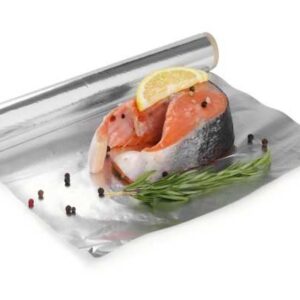
8079 Meeresfrüchte-Verpackung aus Aluminiumfolie


8079 Meeresfrüchte-Verpackung aus Aluminiumfolie
ICH. Markthintergrund
Der Umfang des weltweiten Handels mit Meeresfrüchten nimmt weiterhin stetig zu. Grenzüberschreitende Zirkulation frischer Lebensmittel, Verarbeitung von zubereiteten Meeresfrüchten, und der Kühlketteneinzelhandel entwickeln sich rasant, während die Durchdringung der Kühlkettenlogistik von Jahr zu Jahr zunimmt.
Dies hat die normalisierte überregionale und langfristige Zirkulation von Meeresfrüchteprodukten ermöglicht. jedoch, Aufgrund der einzigartigen biologischen Eigenschaften von Meereszutaten bleiben Lagerung und Transportkonservierung zentrale Herausforderungen der Branche, strenge Tests für die Verpackungslieferkette vorlegen.
Momentan, Verpackungshersteller und Wasserverarbeitungsunternehmen stehen vor zentralen betrieblichen und produktionstechnischen Herausforderungen, die sich auf drei Dimensionen konzentrieren:
- Anhaltend hoher Produktverlust: Meeresfrüchte sind reich an ungesättigten Fettsäuren und aktiven Proteinen, Dadurch ist es sehr anfällig für oxidative Ranzigkeit, Gefrierbrand, trockene Textur, und Verfärbungen während der Lagerung, Kühlkettentransport, und Endregalzirkulation. Der Verderb von Produkten in großem Umfang schmälert direkt die Gewinnmargen der Unternehmen.
- Schwierigkeiten bei der Verlängerung der Haltbarkeit: Gewöhnliche Kunststoffverpackungen und metallisierte Folienverpackungen bieten eine schwache Barriereleistung und können weder eine langfristige Frischhaltung noch eine Bakterienhemmung erreichen. Die begrenzte Haltbarkeit von Meeresfrüchteprodukten macht es schwierig, den Auflagenanforderungen des langfristigen Supermarktverkaufs und des grenzüberschreitenden Handels gerecht zu werden.
- Strenge Export-Compliance-Barrieren: Überseemärkte wie Europa, Amerika, und Südostasien haben extrem hohe Standards für die Sicherheit von Lebensmittelkontaktmaterialien und die Testqualifikationen. Herkömmliche Substrate erfüllen häufig nicht die Export-Compliance-Anforderungen, Einschränkung der Expansion von Unternehmen in ausländische Märkte.
Im Trend der industriellen Substrataufwertung, 8079 Aluminiumfolie ist zum bevorzugten Trägermaterial für hochwertige flexible Verpackungen für Meeresfrüchte geworden.
Es gleicht die Mängel herkömmlicher Verpackungssubstrate durch seine umfassende Leistung vollständig aus, einschließlich extremer Wasser- und Sauerstoffbarriereeigenschaften, Kältebeständigkeit, hohe sicherheit, und hervorragende Verarbeitbarkeit.
Es bietet einen vollständigen Satz technischer Lösungen für Wasserunternehmen, um Verluste zu reduzieren, Haltbarkeit verlängern, und sorgen für eine stabile Compliance.
II. Eigenschaften von 8079 Aluminiumfoliensubstrat
2.1 Legierungszusammensetzung und Prozessvorteile
8079 Aluminiumfolie gehört zum ausgereiften und stabilen Al-Fe-Si-Aluminiumlegierungssystem der 8xxx-Serie. Es handelt sich um eine Speziallegierung, die speziell für flexible Verpackungsszenarien aus Lebensmittelverbundwerkstoffen entwickelt wurde, unterscheidet sich von gewöhnlicher industrieller Aluminiumfolie und preisgünstiger Verpackungsaluminiumfolie. Seine differenzierten Kernvorteile sind hervorzuheben:
- Hochrein, Formel mit geringer Verunreinigung: Eine strenge Kontrolle des Verhältnisses von Spurenelementen wie Eisen und Silizium sorgt für einen extrem niedrigen Verunreinigungsgehalt, Beseitigung von Problemen wie Nadellöchern, Flecken, und Oxidationsfehler an der Quelle. Die Substratreinheit übertrifft die von gewöhnlicher Aluminiumfolie bei weitem.
- Raffinierte Kornstruktur: Durch Homogenisierungswärmebehandlungsprozesse, Die Körner werden gleichmäßig verfeinert, Die Zähigkeit und Duktilität des Substrats wird deutlich verbessert, und bietet eine hervorragende Tiefziehformbarkeit ohne Rissbildung oder Verformung während der Verarbeitung.
- Überlegene Fähigkeit zur Lochabschirmung: Das proprietäre Legierungsverhältnis in Kombination mit dem Präzisionswalzen in mehreren Durchgängen führt zu einer extrem niedrigen Pinhole-Rate. Auch bei ultradünnen Dicken, es behält eine vollständige Barrierestruktur bei, Geeignet für verschiedene hochpräzise Mehrschicht-Coextrusions-Laminierverfahren.
- Hohe Charge-zu-Charge-Stabilität: Die vollautomatische CNC-Fertigung gewährleistet kontrollierbare Parameter während des gesamten Schmelzvorgangs, rollen, und Temperierprozesse, Eliminierung von Abweichungen bei der Chargenleistung und Unterstützung im großen Maßstab, standardisierte Massenproduktion.
2.2 Standardverhältnis der chemischen Zusammensetzung
8079 Aluminiumfolie ist eine spezielle Verpackungslegierung des Al-Fe-Si-Systems, Übernahme des Industriestandards “hoher Eisengehalt, geringer Siliziumgehalt” Formel mit strenger Verunreinigungskontrolle. Die gleichmäßige und stabile Zusammensetzung ist die zentrale Grundlage für die geringe Porenbildung, hohe Zähigkeit, hohe sicherheit, und Kältebeständigkeit.
Die standardmäßige chemische Zusammensetzung (Massenanteil) und die Rolle jedes Elements sind wie folgt:
| Legierungselement | Inhaltsstandard (%) | Rolle / Merkmal |
|---|---|---|
| Aluminium (Al) | ≥98,5 (Gleichgewicht) | Unedles Metall, Bildet einen dichten Oxidfilm |
| Eisen (Fe) | 0.60 – 1.00 | Verbessert die Kraft, steuert die Korngröße, reduziert Nadellöcher |
| Silizium (Und) | ≤0,30 | Kontrolliert Verunreinigungen, optimiert die Wurfleistung |
| Kupfer (Cu) | ≤0,10 | Streng kontrolliert, um Korrosionsrisiken zu vermeiden |
| Zink (Zn) | ≤0,05 | Kontrolle von Spurenverunreinigungen |
| Andere Verunreinigungen | ≤0,10 (Gesamt) | Gewährleistet eine hohe Substratreinheit |
Dieses proprietäre Zusammensetzungsverhältnis, unterscheidet es von gewöhnlicher industrieller Aluminiumfolie, erreicht vier Kernmerkmale:
“hohe Zähigkeit, geringe Nadellöcher, hohe sicherheit, und Kältebeständigkeit”
– durch präzise Kontrolle des Eisens, Silizium, und Verunreinigungen, Passt sich perfekt an die gesamten Arbeitsbedingungen hochwertiger flexibler Verpackungen für Meeresfrüchte an, inklusive Laminierung, Taschenherstellung, und Lagerung und Transport bei niedrigen Temperaturen.
2.3 Standardlieferspezifikationen
8079 Meeresfrüchte-spezifische Aluminiumfolie übernimmt die standardmäßige O-Härte (weichgeglühter Zustand) Verfahren, Geeignet für die Laminierung verschiedener Meeresfrüchteverpackungen, Taschenherstellung, und Druckverfahren. Es bietet vollständige Spezifikationen und unterstützt kundenspezifisches Schneiden und Umwickeln. Die vollständigen technischen Standards für die Lieferung lauten wie folgt:
| Parameterelement | Technischer Standard |
|---|---|
| Legierungsgrad | 8079 |
| Temperament | O-Temperament (Weicher Zustand, geglüht) |
| Dickenbereich | 0.006mm – 0,050 mm |
| Breitenbereich | 100mm – 1600 mm |
| Kerngröße | 76mm / 152mm (Standard universal, Anpassung unterstützt) |
| Oberflächenspannung | ≥32 Frauen (Gewährleistet die Verbundhaftfestigkeit, verhindert Delaminierung/Ablösung) |
III. Kernherausforderungen bei der Verpackung von Meeresfrüchten & Gezielte technische Gegenmaßnahmen
Basierend auf den biologischen Eigenschaften von Meeresfrüchteprodukten – hoher Feuchtigkeitsgehalt, hohe Aktivität, leichte Oxidation, und schlechte Wetterbeständigkeit – kombiniert mit umfassenden Arbeitsbedingungen wie langen Kühlketten, Tieftemperaturlagerung, Hochtemperatursterilisation, und Terminalverkäufe, 8079 Aluminiumfolie bietet präzise und umsetzbare technische Lösungen für vier Kernprobleme der Branche:
- Behebung von Oxidation und Verfall: Behandelt speziell Probleme bei Fischen, Garnele, Krabbe, und Schalentiere, wie etwa Ranzigkeit des Öls, Denaturierung von Proteinen, matte Körperfarbe, und Schwärzung, die durch den Kontakt ungesättigter Fettsäuren mit Sauerstoff verursacht wird, Der Frischezustand der Zutaten bleibt effektiv und langfristig erhalten.
- Lösung von Gefrierbrand und Trockenverlust: Beseitigt Probleme bei der Langzeitlagerung bei niedrigen Temperaturen und beim Transport in der Kühlkette gründlich, einschließlich kontinuierlicher Feuchtigkeitssublimation und -verlust, die zu einer trockenen Fleischtextur führen, gehärtete Fasern, Oberflächenaufhellung, und Gewichtsverlust aufgrund von Frostschäden.
- Behebung von Geruchsverunreinigungen und Geschmacksverlusten: Blockiert äußere Gerüche aus Lagerhallen, Versandbehälter, und Kühlkettenfahrzeuge vor durchdringender Verpackung, und bewahrt gleichzeitig den natürlichen süßen Geschmack von Meeresfrüchten, Verhinderung der Verflüchtigung und Abschwächung des Geschmacks, sorgt für puren Geschmack.
- Behebung von Verpackungsfehlern bei niedrigen Temperaturen: Überwindet die Nachteile gewöhnlicher Kunststoffe und preisgünstiger Aluminiumfolie, wie Materialversprödung, knacken, und schlechte Schlagfestigkeit in extrem kalten Umgebungen, Vermeidung von Verpackungsbrüchen, Luftleckage, und strukturelles Versagen, das durch Langstreckentransport und Stapeldruck verursacht wird.
IV. Kernleistungsvorteile von 8079 Aluminiumfolie
Verlassen Sie sich auf seine dichte Metallstruktur und ausgereifte Produktionsprozesse, 8079 Meeresfrüchtespezifische Aluminiumfolie löst umfassend die Schwachstellen der Branche durch sechs zentrale Leistungsindikatoren, etabliert sich als Kernsubstrat für die hochwertige Konservierung von Meeresfrüchten:
Extreme Sauerstoffbarriere, Langanhaltende Frischekonservierung:
Die Sauerstoffübertragungsrate geht gegen Null, Schaffung einer versiegelten anaeroben Umgebung innerhalb der Verpackung.
Es hemmt wirksam die mikrobielle Vermehrung und die Oxidation/Ranzigkeit von Meeresfrüchteöl, Verhindert grundsätzlich die Verschlechterung der Inhaltsstoffe. Dies ist die zentrale Garantie für eine deutliche Verlängerung der Haltbarkeit vakuumverpackter Meeresfrüchte.
Ausgezeichnete Feuchtigkeitsbeständigkeit, Beseitigt Gefrierbrand:
Die extrem niedrige Wasserdampfdurchlässigkeit sorgt für bidirektionale Barrierefähigkeit.
Es schließt die innere Feuchtigkeit von Meeresfrüchten fest ein, Verhinderung der Feuchtigkeitssublimation, trockene Textur, und Gewichtsverlust in Umgebungen mit niedrigen Temperaturen, und blockiert gleichzeitig das Eindringen von Feuchtigkeit von außen, Aufrechterhaltung eines stabilen Produktgewichts und einer stabilen Textur.
Vollspektrum-Lichtblockierung, Schützt das Aussehen der Inhaltsstoffe:
Erfolgt 100% Blockierung von sichtbarem Licht und ultravioletten Strahlen, Die photokatalysierte Oxidation wird vollständig eliminiert, Pigmentzersetzung, und Nährstoffverlust.
Es schützt genau das Natürliche, helles Erscheinungsbild farbempfindlicher hochwertiger Meeresfrüchte wie Lachs und Hummer.
Dichte Aromabarriereschicht, Doppelte Wirkung: Aroma sperren und Gerüche isolieren:
Das dichte, Die porenfreie Metallkristallstruktur schließt nicht nur sicher den einzigartigen süßen Umami-Geschmack von Meeresfrüchten ein, Verhinderung der Verflüchtigung und des Verlusts des Geschmacks, sondern blockiert auch wirksam das Eindringen äußerer Gerüche, Kreuzkontaminationsprobleme gründlich lösen.
Überlegene Zähigkeit bei niedrigen Temperaturen, Passt sich den Bedingungen der vollständigen Kühlkette an:
Verbessert durch einen proprietären O-Temper-Glühprozess, Es behält seine hohe Duktilität und Flexibilität auch in Umgebungen mit extrem niedrigen Temperaturen von -40 °C, zeigt keine Kältesprödigkeit, Härten, oder knacken.
Es passt sich perfekt an raue Szenarien wie die Tiefkühllagerung an, Langstrecken-Seefracht, und Kühlkettenumschlag in mehreren Temperaturzonen.
Umfassende Einhaltung der Lebensmittelsicherheit:
Keine Zusatzstoffe, keine Schwermetallrückstände, ungiftig und geruchlos, geeignet für den direkten Kontakt mit Lebensmitteln. Entspricht strikt der US-amerikanischen FDA, EU EG 1935/2004, EU 10/2011, und ISO22000-Zertifizierungen für Lebensmittelsicherheitssysteme.
Vollständige Qualifikationen ermöglichen eine reibungslose Exportzollabwicklung und Marktstichprobenkontrollen.
damit die Oberfläche des Produktes eine Behandlung mit opakem und dichtem Email oder kunststoffähnlichem Aussehen mit besonderem Glanz zeigt. Der Prozess des Porzellaneloxierens ist im Wesentlichen der gleiche wie beim herkömmlichen Schwefelsäureeloxieren. Mainstream-Verbundstrukturdesign
In industriellen Massenproduktionsanwendungen, 8079 Aluminiumfolie wird als Kernbarriereschicht in mehrschichtigen Verbundfolien positioniert. Entsprechend den Anforderungen an die Betriebsbedingungen verschiedener Meeresfrüchteprodukte (frisch, gefroren, Retorte, usw.), drei reif, stabil, und es wurden massenproduzierbare Mainstream-Verbundstrukturen gebildet, deckt alle Verpackungsszenarien für Meeresfrüchte ab:
5.1 Vakuum-Skin-Verpackungsstruktur (PET/AL/PE)
- Strukturanalyse: Die äußere PET-Folie bietet eine hohe Steifigkeit, Abriebfestigkeit, und Zugfestigkeit, Geeignet für hochauflösenden Druck, Ausbalancierende Regalpräsentation und Transportschutz.
- Die Mitte 8079 Aluminiumfolie fungiert als Kernbarriereschicht, Übernahme umfassender Schutzfunktionen einschließlich Sauerstoffbarriere, Feuchtigkeitsbeständigkeit, lichtblockierend, und Aromaverriegelung.
- Die innere PE-Folie in Lebensmittelqualität weist eine hervorragende Heißsiegelleistung und Anpassungsfähigkeit auf, kompatibel mit automatischen Vakuumverpackungsgeräten.
- Angepasste Szenarien: Hochwertige, frische, vakuumverpackte Meeresfrüchteprodukte wie Lachs, Thunfisch, Kabeljau, Zackenbarsch, und geschälte frische Garnelen.
- Lösungswert: Erzielt eine extrem hohe Versiegelungs- und Barrierewirkung, Hemmt wirksam das Bakterienwachstum und die Oxidation der Inhaltsstoffe, verlängert die Haltbarkeit im Kühlschrank erheblich.
- Die Farbe bleibt vollständig erhalten, Saft, und süßen Geschmack von frischen Meeresfrüchten, Geeignet für High-End-Supermärkte, Premium-Frisch-E-Commerce, und grenzüberschreitende Handelsszenarien mit frischen Lebensmitteln.
5.2 Pannensichere Gefrierstruktur (PET/AL/NY/PE)
- Strukturanalyse: Fügt ein Nylon hinzu (New York) Verstärkungs- und Pannenschutzschicht zum klassischen Dreischichtaufbau, Es entsteht ein vierschichtiger Funktionsverbund. Dadurch wird die Pannensicherheit insgesamt deutlich erhöht, Reißfestigkeit, und Schlagfestigkeit, verhindert wirksam, dass scharfe Gegenstände die Verpackung durchdringen.
- Angepasste Szenarien: Gefrorene Meeresfrüchteprodukte in großen Mengen mit scharfen Kanten, wie gefrorene Garnelen mit Schale, ganze gefrorene Krabben, Schalentiere, und Fischblöcke mit Gräten.
- Lösungswert: Behebt Probleme wie Verpackungsrisse bei niedrigen Temperaturen, Durchstichbruch von Materialien, und Luftleckage/Sauerstoffeintritt. Es verhindert Gefrierbrand und den Verderb der Zutaten, Anpassung an raue Gefrierbedingungen wie die Lagerung bei extrem niedrigen Temperaturen, Langstrecken-Seefracht, und Stapelkomprimierung.
5.3 Hochtemperatur-Retortenstruktur (PET/AL/CPP)
- Strukturanalyse: Verwendet hochtemperaturbeständige CPP-Folie anstelle der herkömmlichen PE-Heißsiegelschicht.
- Es kann Hochtemperatur-Retortensterilisationsprozessen bei 121 °C standhalten, ohne zu schmelzen, delaminierend, oder Schadstoffe freisetzen. Kombiniert mit dem äußeren PET-Schutz und der Mitte 8079 Barriere aus Aluminiumfolie, Es erfüllt mehrere Funktionen, einschließlich der Sterilisation, Erhaltung, und Temperaturbeständigkeit.
- Angepasste Szenarien: Verzehrfertige Meeresfrüchte-Snacks, geschmorte Meeresfrüchte, gewürzte Meeresfrüchte, Meeresfrüchtegerichte, und exportierte Retorten-Meeresfrüchteprodukte.
- Lösungswert: Die Barriereleistung lässt nach der Hochtemperatursterilisation nicht nach, und Verbundschichten trennen sich nicht. Es ermöglicht eine Langzeitlagerung bei Raumtemperatur, ohne dass eine vollständige Kühlkette erforderlich ist, Dadurch werden die Logistik- und Lagerkosten erheblich gesenkt.
- Zur selben Zeit, Es ersetzt die herkömmliche dicke Metalldosenverpackung, Erzielung von Produktleichtbau und kostengünstigen Upgrades.
VI. Technische Kernparameter der internen Kontrolle
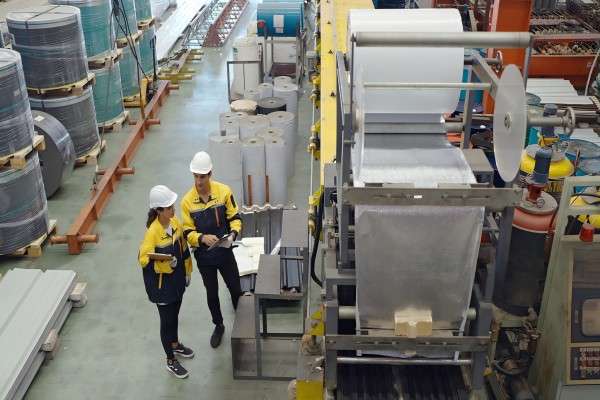
Unser Unternehmen 8079 Die auf Meeresfrüchte spezialisierte Aluminiumfolie setzt strenge unternehmensinterne Kontrollstandards um.
Alle Indikatoren übertreffen die allgemeinen Industriestandards, völlige Anpassung an die Anforderungen der Hochgeschwindigkeitsverarbeitung, Langzeitkonservierung, und harte Arbeitsbedingungen für die Verpackung von Meeresfrüchten, Gewährleistung einer stabilen und konsistenten Leistung für jede Produktcharge. Die wichtigsten technischen Parameter sind wie folgt:
| Testgegenstand | Technischer Indikator | Bemerkungen |
|---|---|---|
| Zugfestigkeit | 90 – 140 MPa | Passt sich an die Spannung von Hochgeschwindigkeitsverpackungsmaschinen an, verhindert Dehnungsbrüche |
| Verlängerung | ≥ 13% | Verbessert die Tiefziehformbarkeit, verhindert Bruch an Falten |
| Lochdichte | ≤ 5 Stück/㎡ | Extreme Barriereintegrität, beseitigt Mikroleckfehler |
| Ebenheit der Plattenform | Keine Wellen, kein verziehen | Sorgt für eine reibungslose Laminierung, Taschenherstellung, und Maschine läuft, Verbesserung der Ertragsrate |
| Oberflächenreinheit | Keine Ölflecken, keine hellen Linien, keine Fremdkörper | Garantiert Verbundhaftfestigkeit, vermeidet Delamination, Ablösung, schlechter Druck |
| Oberflächenbenetzungsspannung | ≥32 Frauen | Geeignet zum Bedrucken und Laminieren, stabile und dauerhafte Haftung |
VII. Qualitätskontrollsystem für den gesamten Prozess
Kontinuierlich und stabil hohe Qualität liefern 8079 Meeresfrüchteverpackung aus Aluminiumfolie, die Voraussetzungen für eine spätere Laminierung erfüllen, Taschenherstellung, und Drucktiefverarbeitung durch Verpackungsfabriken, und Anpassung an die hohen Konservierungs- und Exportstandards von Wasserunternehmen, Unser Unternehmen hat einen geschlossenen Kreislauf etabliert, End-to-End-Qualitätskontrollsystem vom Rohstoff bis zur Lieferung des fertigen Produkts:
- Quellenkontrolle beim Schmelzen und Gießen: Wählt hochreine Primäraluminiumflüssigkeit aus, Entfernt strikt metallische Verunreinigungen und schädliche Bestandteile, Steuert präzise die Legierungsverhältnisse, reduziert die Lochfraßrate an der Quelle, und garantiert Substratreinheit und grundlegende Barriereleistung.
- Präzisionswalzprozesssteuerung: Verwendet abwechselnd Kalt- und Warm-Präzisionswalzprozesse mit mehreren Durchgängen und vollständiger CNC-Regelung, Strenge Kontrolle der Dickentoleranz der Aluminiumfolie innerhalb von ±4 %, Gewährleistung einer gleichmäßigen Dicke und konsistenter mechanischer Eigenschaften im gesamten Coil.
- Umfassende Online-Überwachung: Ausgestattet mit hochpräzisen automatischen Lochdetektoren, Plattenform-Ebenheitsdetektoren, und Geräte zur Überprüfung von Oberflächenfehlern, Durchführung eines 24-Stunden-Echtzeit-Scans, um nach kleinsten Fehlern zu suchen, Automatisches Markieren und Entfernen unqualifizierter Abschnitte, erreichen 100% Abdeckungserkennung.
- Bemusterung der Leistung des fertigen Produkts: Jede Charge fertiger Produkte wird einer umfassenden Probenahmeprüfung auf Sauerstoffbarriere unterzogen, Feuchtigkeitsbarriere, Zugfestigkeit, Anpassungsfähigkeit der Heißsiegelung, Oberflächenspannung, usw., Sicherstellen, dass alle Leistungsindikatoren den Standards entsprechen.
- Compliance-Qualifikationsgarantie: Verfügt über vollständige Zertifizierungen, einschließlich der US-amerikanischen FDA, EU-Lebensmittelkontaktmaterialien, und ISO22000-Lebensmittelsicherheitssysteme langfristig. Jeder Produktcharge liegen vollständige Qualitätskontrollberichte und Konformitätserklärungen bei (DoC), jederzeit bereit, auf Stichprobenkontrollen und Zollkontrollen zu reagieren.
VIII. Kernanwendungsfelder
Es deckt die gesamte Kategorie der Meeresfrüchteprodukte ab – frisch, gefroren, verzehrfertig, und Fertiggerichte. Kernanwendungsgebiete sind wie folgt:
Hochwertige Vakuumverpackung für frische Meeresfrüchte:
Geeignet für hochwertige Meeresfrüchte in Sashimi-Qualität wie Lachs, Thunfisch, Kabeljau, Zackenbarsch, und frische Garnelen.
Verlassen Sie sich auf eine extreme Sauerstoffbarriere und lichtblockierende Leistung, Es hemmt wirksam die Oxidation der Inhaltsstoffe, Farbverdunkelung, und Geschmacksverlust, verlängert die Haltbarkeit im Kühlschrank erheblich. Geeignet für High-End-Supermärkte, frischer E-Commerce, und grenzüberschreitende Handelsszenarien mit frischen Lebensmitteln.
Gefrorene Meeresfrüchteverpackung mit Knochen/Stacheln:
Geeignet für gefrorene Wasserprodukte mit scharfen Strukturen, wie gefrorene Garnelen, ganze Krabben, Schalentiere, und Fischblöcke mit Gräten.
Kombiniert mit Pannenschutz-Verbundstrukturen aus Nylon, Es verhindert Beutelbruch und Luftlecks, die durch Lagerung/Transport bei niedrigen Temperaturen und Stapelkompression verursacht werden, Vermeidung von Gefrierbrand und Verderb von Meeresfrüchten. Passt sich an die Kühlkettenlagerung bei extrem niedrigen Temperaturen und die Bedingungen für den Seetransport über große Entfernungen an.
Verzehrfertige/Retortenverpackung für Meeresfrüchte:
Umfasst Produkte wie geschmorte Meeresfrüchte, Meeresfrüchte-Snacks, gewürzte, verzehrfertige Wasserprodukte, und mit Meeresfrüchten zubereitete Gerichte.
Kann einer Hochtemperatur-Retortensterilisation bei 121 °C ohne Delaminierung oder Luftleckage standhalten, Unterstützung der Lagerung bei Raumtemperatur.
Ersetzt herkömmliche Metalldosenverpackungen, Dadurch werden die Logistik- und Lagerkosten erheblich gesenkt, geeignet für die industrialisierte Massenproduktion von Fertiggerichten.
Verpackung für Meeresfrüchte in Exportqualität:
Die gesamte Produktserie entspricht den Lebensmittelkontaktstandards der FDA und der EU, mit vollständiger Qualifikation, Es ist ungiftig und harmlos, ohne dass Schwermetalle freigesetzt werden.
Speziell für den Export von Meeresfrüchten entwickelt, die auf ausländische Märkte wie Europa abzielen, Amerika, Südostasien, und der Nahe Osten, Unterstützung von Unternehmen bei der reibungslosen Zollabfertigung und beim Durchbrechen von Zugangsbarrieren zum Außenhandel.
Langzyklische Kühlkettenlagerung und Transportverpackung:
Für raue Arbeitsbedingungen beim Umschlag in mehreren Temperaturzonen, grenzüberschreitende Kühlketten über große Entfernungen, und Langzeitlagerung, Es basiert auf Eigenschaften wie dem Fehlen von Rissen bei -40 °C und stabilen Barriereeigenschaften, um eine durchgehend stabile Qualität der Meeresfrüchte zu gewährleisten, Zirkulationsverluste effektiv reduziert.
Passt sich an Lagerungs- und Transportszenarien für große Mengen an Meeresfrüchten an.
Häufig gestellte Fragen (FAQ)
Q1: Was sind die Hauptvorteile von 8079 Aluminiumfolie im Vergleich zu metallisierter Folie (VMPET)?
Im Vergleich zu herkömmlicher metallisierter Folie (VMPET), 8079 Aluminiumfolie, als solides Metallbarrieresubstrat, bietet erhebliche Vorteile in der Konservierung und Anpassungsfähigkeit. Die wesentlichen Unterschiede sind wie folgt:
- Stabilere Barriere: Die feste Metallschicht weist eine Permeabilität von nahezu Null auf, und die Barriereleistung lässt mit der Zeit nicht nach; metallisierter Film weist mikroskopisch kleine Löcher auf, und seine Barrierewirkung lässt mit der Zeit und bei Umweltveränderungen nach.
- Stärkere Lichtblockierung und Farbschutz: 100% Die Vollspektrum-Lichtblockierung verhindert die photooxidative Verfärbung von Meeresfrüchten; Die metallisierte Folie blockiert das Licht nicht vollständig und kann UV-Schäden an den Inhaltsstoffen nicht blockieren.
- Größere Anpassungsfähigkeit an die Arbeitsbedingungen: Beständig gegen niedrige Temperaturen und Durchstiche, geeignet für raue Szenarien wie Gefrieren, erwidern, und Fernseefracht; Die Beschichtung aus metallisierter Folie löst sich leicht ab, wird bei niedrigen Temperaturen spröde, und ist nur für normale Raumtemperaturverpackungen geeignet.
Q2: Welche Dickenspezifikation wird für Meeresfrüchte mit Knochen oder scharfen Teilen empfohlen??
Für verschiedene Meeresfrüchte-Kategorien, Kombination von Pannensicherheitsanforderungen und Kosten, Die Vorschläge zur Dickenauswahl sind kurz und bündig wie folgt:
- Konventionelle Meeresfrüchte mit Knochen: Wählen Sie vorzugsweise Spezifikationen von 12–15 μm, Wird in Verbindung mit einer Nylonschicht verwendet, um Durchstoßfestigkeit und Kosten auszugleichen.
- Harte Transportbedingungen: Für besonders große Meeresfrüchte mit Knochen oder den gestapelten Transport über große Entfernungen, Wählen Sie 18–25 μm verdickte Spezifikationen.
- Frische Meeresfrüchte ohne Knochen: Für Fisch, Garnele, usw., ohne scharfe Materialien, Die Auswahl der ultradünnen Spezifikationen von 6–9 μm erfüllt die Anforderungen.
Q3: Tut 8079 Aluminiumfolie unterstützt den anschließenden Farbdruck und die Laminierverarbeitung?
Jawohl, Es unterstützt Farbdruck und Laminierungsverarbeitung. Die Oberflächenspannung des Produkts beträgt ≥32 Dyn, Die Oberfläche ist sauber und weist keine Mängel auf, Die Benetzbarkeit ist ausgezeichnet, und die Haftung an Tinten und Klebstoffen ist stark. Es neigt nicht zur Delaminierung, Ablösung, oder die Farbe verblasst während der Verarbeitung, Anpassung an die Hochgeschwindigkeits-Massenproduktionslaminierung, Taschenherstellung, und Druckverfahren.
Q4: Verfügt es über vollständige Exportqualifikationszertifikate und kann es für die Verpackung von Meeresfrüchten im Außenhandel verwendet werden??
Jawohl, Es verfügt über vollständige formelle Exportqualifikationen. Produkte entsprechen der US-amerikanischen FDA, EU-Normen für den Lebensmittelkontakt, und ISO22000-Zertifizierungen für Lebensmittelsicherheit. Wir können eine vollständige Dokumentation einschließlich Prüfberichten und Konformitätserklärungen bereitstellen, Gewährleistung einer reibungslosen Zollabfertigung und Anpassung an die weltweiten Anforderungen an die Verpackung von Meeresfrüchten im Außenhandel.
Abschluss
8079 Aluminiumfolie für die Verpackung von Meeresfrüchten ist eine Hochleistungsfolie, hohe Sicherheit, recycelbares, flexibles Verpackungssubstrat mit hoher Barriere, das speziell für die Eigenschaften von Meeresfrüchtezutaten entwickelt wurde, Zirkulationsbedingungen, und Exportbestimmungen.
Verlassen sich auf proprietäre Legierungsverfahren und sechs Kernkompetenzen – extreme Wasser- und Sauerstoffbarriereeigenschaften, Vollspektrum-Lichtblockierung, Zähigkeit bei extrem niedrigen Temperaturen, und Lebensmittelsicherheit – es löst grundsätzlich branchenweite Probleme, einschließlich der Oxidation und des Verderbs von Meeresfrüchten, Gefrierbrand, Geschmacksverlust, Verpackungsfehler, und unzureichende Compliance.
Das Produkt deckt Szenarien der gesamten Kategorie ab, z. B. frisches Vakuum, gefrorene Wasserprodukte, verzehrfertige/Retortenprodukte, und hochwertige Export-Meeresfrüchte, sorgt für Stabilität, Vollzyklusschutz für Meeresfrüchteprodukte aus der Fabrikproduktion, Kühlkettenumschlag, Lagerregale, bis zum Terminalverkauf.
Für Verpackungslieferketten und Unternehmen der Wasserverarbeitung, Auswählen 8079 Aluminiumfoliensubstrat ist nicht nur ein zentrales Mittel zur Optimierung der Produktkonservierungsqualität und zur Reduzierung von Zirkulationsverlusten, sondern auch ein wichtiger strategischer Schritt zur Ausrichtung auf grüne Umwelttrends, Durchbrechen Sie die Hürden der Export-Compliance, und die Wettbewerbsfähigkeit des Kernmarktes stärken.