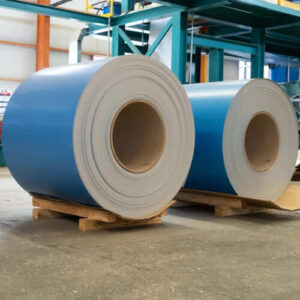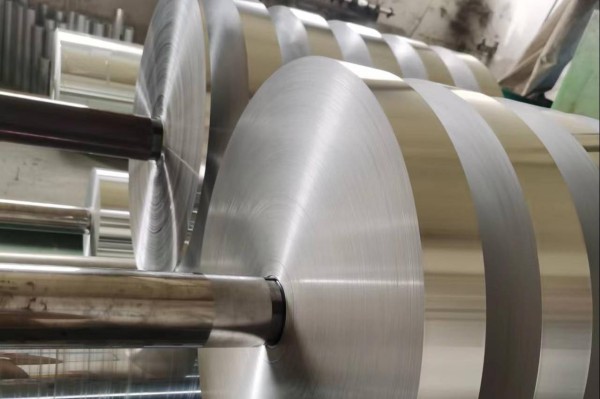


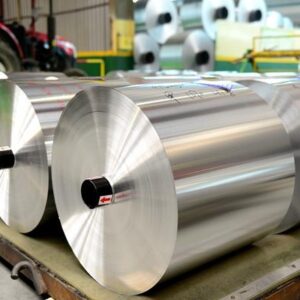

7-Μικρόν 8079 Εύκαμπτο φύλλο αλουμινίου: Εξαιρετικά λεπτό Υλικό Συσκευασίας Υψηλού Φραγμού

7-Μικρόν 8079 Εύκαμπτο φύλλο αλουμινίου: Εξαιρετικά λεπτό Υλικό Συσκευασίας Υψηλού Φραγμού
Εισαγωγή
Με τη συνεχή αύξηση των απαιτήσεων της καταναλωτικής αγοράς για τη διάρκεια ζωής του προϊόντος και την επείγουσα ανάγκη για ελαφριά συσκευασία κάτω από “Διπλός άνθρακας” στρατηγική, η σύγχρονη βιομηχανία συσκευασίας υφίσταται μια δομική μεταμόρφωση από τα παραδοσιακά άκαμπτα δοχεία σε εύκαμπτα σύνθετα υλικά υψηλής απόδοσης.
Σε αυτό το κύμα, αλουμινόχαρτο, ως το “χρυσός κανόνας” για στρώματα φραγμού, έχει δει την τεχνολογία της αραίωσης να γίνεται κορυφαία προτεραιότητα για τη βιομηχανία R&ρε.
7-μικρόν 8079 εύκαμπτο φύλλο αλουμινίου βρίσκεται ως αριστούργημα στην πρώτη γραμμή αυτού του τεχνολογικού συνόρων. Όχι μόνο σπάει τα φυσικά όρια της εξαιρετικά λεπτής κύλισης αλλά επίσης επιτυγχάνει καινοτομίες στον έλεγχο της μικροδομής. Σε σύγκριση με το κοινό φύλλο αλουμινίου 9-μικρών ή 12-μικρών, 7-μικρόν 8079 Το φύλλο αλουμινίου μειώνει σημαντικά το γραμμάριο της μονάδας επιφάνειας ενώ εγγυάται την απόλυτη απόδοση φραγμού (Μηδενικός ρυθμός μετάδοσης οξυγόνου) παραμένει ασυμβίβαστος.
Ενσωμάτωση τεχνολογιών αιχμής στη μεταλλουργία, μηχανική κατεργασία ακριβείας, και χημεία επιφανειών, Χρησιμοποιείται ευρέως σε τομείς με εξαιρετικά υψηλές απαιτήσεις ασφάλειας και διάρκειας ζωής, όπως φαρμακευτικές συσκευασίες blister, premium συσκευασία καφέ και σνακ, και νέες ενεργειακές θήκες μπαταριών λιθίου. Είναι βασικό υλικό για την πραγματοποίηση του “αναπτήρας, ισχυρότερος, πιο πράσινο” στρατηγική συσκευασίας.
Τι είναι το 7-Micron 8079 Εύκαμπτο φύλλο αλουμινίου?
7-μικρόν 8079 Το εύκαμπτο φύλλο αλουμινίου είναι ένα εξαιρετικά λεπτό μεταλλικό λειτουργικό υλικό που παρασκευάζεται από το 8079 σύστημα από κράμα αλουμινίου μέσω διαδικασιών ψυχρής έλασης πολλαπλών διελεύσεων και θερμικής επεξεργασίας ακριβείας. Το ονομαστικό πάχος του “7 μικρά” (7 μm) είναι μόνο περίπου το ένα δέκατο της διαμέτρου μιας ανθρώπινης τρίχας (~0,007 χλστ). Αυτή η προδιαγραφή ακραίου πάχους επιβάλλει σχεδόν 苛刻 προκλήσεις στην καθαρότητα των πλινθωμάτων, ακρίβεια λείανσης σε ρολό, και έλεγχος διαδικασίας.
Σε αντίθεση με το συνηθισμένο οικιακό φύλλο αλουμινίου (τυπικά σειρά 1xxx ή 8011 κράμα), που εστιάζει σε εφαρμογές ακαμψίας και άκαμπτου δοχείου, 8079 το κράμα έχει σχεδιαστεί ειδικά για “εξαιρετική ευελιξία”και “ικανότητα διαμόρφωσης σε βάθος.”Με την εισαγωγή συγκεκριμένων αναλογιών σιδήρου (Fe) και πυρίτιο (Και) στοιχεία στη μήτρα αλουμινίου, το κράμα σχηματίζει λεπτώς διασκορπισμένες διαμεταλλικές ενώσεις (όπως οι φάσεις Al-Fe-Si) κατά την κύλιση. Αυτά τα μικροσωματίδια όχι μόνο παρέχουν ενίσχυση της διασποράς αλλά επίσης εμποδίζουν αποτελεσματικά την ολίσθηση της εξάρθρωσης και τη διάδοση της μικρορωγμής όταν το φύλλο παραμορφώνεται, δίνοντας έτσι στο υλικό εξαιρετική ολκιμότητα και αντοχή σε θραύση.
Ο βασικός ορισμός αυτού του υλικού έγκειται στη λειτουργική του ισορροπία σε μια εξαιρετικά λεπτή κατάσταση:
- Εξαιρετική ευελιξία & Συμμόρφωση:Δυνατότητα στενής προσκόλλησης σε ακανόνιστες επιφάνειες χωρίς ρωγμές λόγω πίεσης κατά την αναδίπλωση ή την κάμψη.
- Εξαιρετική ικανότητα σχεδίασης σε βάθος:Ως υλικό κάλυψης σε φαρμακευτικές συσκευασίες blister, μπορεί να τεντωθεί πάνω από ανυψωμένες φουσκάλες χωρίς να σπάσει.
- Ελεγχόμενη Χημεία Επιφανειών:Μέσω ειδικής θεραπείας ανόπτησης και κορώνας, η επιφανειακή ενέργεια μπορεί να υπερβεί 38 dynes/cm, εξασφαλίζοντας ισχυρή φυσικοχημική σύνδεση με πλαστικές μεμβράνες (Π.χ., ΚΑΤΟΙΚΙΔΙΟ ΖΩΟ, Π.Ε) ή επιστρώσεις.
Ανάλυση χημικών συστατικών
Το βασικό μυστικό πίσω 8079 Η ικανότητα του κράματος να διατηρεί υψηλούς ρυθμούς απόδοσης και απόδοση στο κρίσιμο πάχος των 7 micron έγκειται στην ακριβή αναλογία και την αλληλεπίδραση σίδερο (Fe) και πυρίτιο (Και)στη χημική του σύσταση.
| Στοιχείο | Τυπικό περιεχόμενο (%) | Σε βάθος Λειτουργική Ανάλυση |
|---|---|---|
| Αλουμίνιο (Ο Αλ), | Υπόλοιπο (98.0–99,0) | Βασικό μέταλλο που παρέχει ελαφρύ, θερμική αγωγιμότητα, και ένα συνεχές μεταλλικό στρώμα φραγμού. |
| Σίδερο (Fe), | 0.70–1.30, | Στοιχείο ενίσχυσης κλειδιού και κατά της τρύπας.Στη μήτρα αλουμινίου, Το Fe υπάρχει κυρίως ως φάσεις Al3Fe ή α-AlFeSi. Ο κατάλληλος Fe βελτιώνει σημαντικά τη δομή του χυτού, μειώνει τους στηλώδεις κρυστάλλους, και αυξάνει την ισοαξονική κρυσταλλική ζώνη. Κατά την εξαιρετικά λεπτή κύλιση, αυτά τα λεπτά κατακρημνίσματα καρφιτσώνουν αποτελεσματικά τα όρια των κόκκων, πρόληψη της έναρξης και της διάδοσης μικρορωγμών, μειώνοντας έτσι δραστικά τους ρυθμούς οπών καρφίτσας. |
| Πυρίτιο (Και), | 0.05–0,30 | Συνήθως σχηματίζει δυαδικές ή τριαδικές φάσεις με Fe. Η παρουσία του Si αλλάζει τη μορφολογία των φάσεων του Fe από χοντρές βελόνες σε σχήματα λεπτού οστού ή κινεζικών χαρακτήρων, μείωση της επίδρασης διάσπασης στη μήτρα και βελτίωση της απόδοσης κύλισης και της επιμήκυνσης του τελικού προϊόντος. |
| Χαλκός (Cu), | ≤0.05 | Αυστηρά ελεγχόμενο. Ενώ το Cu είναι ένα αποτελεσματικό στοιχείο ενίσχυσης στερεού διαλύματος, μειώνει σημαντικά την αντοχή στη διάβρωση και την οξειδωτική χρωματική ικανότητα του φύλλου και μπορεί να δημιουργήσει κινδύνους μετανάστευσης βαρέων μετάλλων στις φαρμακευτικές συσκευασίες. |
| Μαγγάνιο (Mn), | ≤0.05 | Τα ίχνη χρησιμοποιούνται κυρίως για τον μετριασμό των επιβλαβών επιπτώσεων του Fe, αλλά χαμηλότερη περιεκτικότητα σε 8079 αποφεύγει το σχηματισμό χονδροειδών ενώσεων που επηρεάζουν την ποιότητα της επιφάνειας. |
| Τιτάνιο (Του), | ≤0.05 | Ένα κοινό ραφινάρισμα σιτηρών. Σχηματίζοντας σωματίδια TiB2 ή TiC, Αποτρέπει τους χονδρόκοκκους κατά τη θερμή έλαση, εξασφαλίζοντας μικροδομική ομοιομορφία και φινίρισμα επιφάνειας. |
Industry Insight:Το χαρακτηριστικό υψηλό Fe-to-low Si του 8079 Το κράμα είναι μια κρίσιμη λεκάνη απορροής που το διακρίνει 8011 κράμα. Το αποτέλεσμα ενίσχυσης των λεπτών κόκκων που προκαλείται από την υψηλότερη περιεκτικότητα σε Fe δρα ως ένα “αόρατη ασπίδα,” αποτρέποντας τα ραγίσματα και τα σπασίματα κατά τη διάρκεια της επακόλουθης κοπής και εκτύπωσης υψηλής ταχύτητας.
Βασικά Χαρακτηριστικά και Τεχνικές Προκλήσεις
1. Εξαιρετικά λεπτός έλεγχος ακριβείας (Ακρίβεια σε επίπεδο μικρού)
Κύλιση αλουμινόχαρτου σε 7 microns δεν είναι μόνο φυσική αραίωση; είναι η απόλυτη δοκιμή των δυνατοτήτων μηχανικού ελέγχου.
- Αυστηρότητα Ανοχής Πάχους:Πρέπει να ελέγχεται εντός ±0,3–0,5 μm. Λόγω της εξαιρετικής λεπτότητας του φύλλου, οποιαδήποτε μικρή αλλαγή σχήματος ρολού ή διακύμανση τάσης μπορεί να προκαλέσει ανομοιομορφία πάχους. Η υπερβολική διακύμανση πάχους οδηγεί σε σπασίματα σε πιο λεπτές περιοχές λόγω συγκεντρωμένης τάσης κατά τη διάρκεια της επακόλουθης πλαστικοποίησης και κακής θερμικής σφράγισης ή “διάνοιξη σήραγγας” σε πιο παχιές περιοχές.
- Έλεγχος σχήματος: Για πηνία μεγάλου πλάτους έως 1600 mm, Η διακύμανση του πλευρικού πάχους πρέπει να είναι ελάχιστη χωρίς κυματιστές άκρες. Τα σύγχρονα ελασματουργεία αλουμινίου υψηλής ποιότητας βασίζονται σε AGC (Αυτόματος έλεγχος μετρητή)και AFC (Αυτόματος έλεγχος επιπεδότητας)συστήματα, χρησιμοποιώντας υδραυλικές συσκευές βιδώματος σε επίπεδο micron και τεχνολογία τμηματικής ψύξης για ρύθμιση της θερμικής κορώνας και της μηχανικής κορώνας σε πραγματικό χρόνο, εξασφαλίζοντας επίπεδο φύλλο καθρέφτη.
2. Η τέχνη της εξισορρόπησης των μηχανικών ιδιοτήτων
Στο O-temper (πλήρως ανοπτημένη κατάσταση), 8079 Το φύλλο παρουσιάζει μοναδικά μηχανικά χαρακτηριστικά—ένας τέλειος συνδυασμός “απαλότητα” και “δύναμη”:
| Δείκτης απόδοσης | Τυπική τιμή | Φυσική Έννοια & Μηχανική Αξία |
|---|---|---|
| Αντοχή εφελκυσμού, | 80– 120 MPa | Αυτό το εύρος αντοχής διασφαλίζει ότι το φύλλο μπορεί να τραβιέται ομαλά σε υψηλές ταχύτητες (συχνά 200-400 m/my) σε μηχανές συσκευασίας — ούτε ζαρώνει λόγω του ότι είναι πολύ μαλακό ούτε σπάει λόγω του ότι είναι πολύ εύθραυστο. |
| Επιμήκυνση, | 10–18%, | Βασικός δείκτης γραμμής ζωής.Η υψηλή επιμήκυνση σημαίνει εξαιρετική ολκιμότητα. Όταν φτιάχνετε θήκες μπαταριών λιθίου ή φαρμακευτικές κυψέλες με βαθιά έλξη, το φύλλο πρέπει να αντέχει την ακραία πλαστική παραμόρφωση (η τοπική επιμήκυνση μπορεί να υπερβαίνει 50%). Μόνο η υψηλή επιμήκυνση εγγυάται την ελευθερία από ρωγμές. |
| Erichsen Cupping Value, | >7.0 mm | Ένας συγκεκριμένος δείκτης για την απόδοση σε βάθος σχεδίασης. Οι υψηλότερες τιμές υποδεικνύουν καλύτερη μορφοποίηση υπό διαξονική διάταση, καθιστώντας το κατάλληλο για σύνθετες τρισδιάστατες συσκευασίες. |
3. Ο “Απόλυτο” Απόδοσης Φραγμού
Ο μηχανισμός φραγμού του φύλλου αλουμινίου πηγάζει από το πυκνό του, συνεχής μεταλλική κρυσταλλική δομή, θεμελιωδώς διαφορετικό από το “ελικοειδής διαδρομή” μηχανισμός πολυμερών πλαστικών. 7-μικρόν 8079 αλουμινόχαρτο παρέχει:
- Μηδενικό Οξυγόνο & Μετάδοση υγρασίας:Ρυθμός μετάδοσης υδρατμών (WVTR) και Ρυθμός Μετάδοσης Οξυγόνου (OTR) θεωρητικά είναι μηδέν. Αυτό το απόλυτο πλεονέκτημα δεν συγκρίνεται με καμία μεμβράνη αλουμινίου που εναποτίθεται υπό κενό (VMPET) ή επίστρωση υψηλού φραγμού (Π.χ., EVOH), καθιστώντας το ιδιαίτερα κατάλληλο για αναισθητικά ευαίσθητα στην υγρασία/οξυγόνο, εμβόλια, ή έξτρα παρθένο ελαιόλαδο.
- Αποκλεισμός φωτός πλήρους φάσματος:Η πλήρης απόφραξη της υπεριώδους ακτινοβολίας και του ορατού φωτός αποτρέπει τη φωτοχημική υποβάθμιση του περιεχομένου (Π.χ., αδρανοποίηση φαρμάκων, οξειδωτική τάγγιση ελαίων).

Λεπτομερής επεξήγηση της πλήρους ροής της διαδικασίας παραγωγής
Φάση 1: Τήξη & Χύσιμο (Μεταλλουργία) — Πηγή Έλεγχος Καθαρότητας
Αυτό είναι το κρίσιμο βήμα που καθορίζει εάν ένα φύλλο 7 μικρού χωρίς τρύπες μπορεί να τυλιχτεί στη συνέχεια.
- Παρτίδα & Τήξη:Τα πλινθώματα αλουμινίου υψηλής καθαρότητας και τα κύρια κράματα έχουν αυστηρή αναλογία ώστε να διασφαλίζονται εξαιρετικά χαμηλά επίπεδα ακαθαρσιών στοιχείων (ιδιαίτερα στοιχεία χαμηλού σημείου τήξης όπως το Na, Περίπου).
- Διύλιση & Απαέρωση: Μείγματα αερίων αζώτου-χλωρίου διοχετεύονται μέσω του τήγματος. Υδρογόνο (η κύρια αιτία των οπών) φέρεται στην επιφάνεια μέσω επίπλευσης φυσαλίδων και αφαιρείται. Η περιεκτικότητα σε υδρογόνο πρέπει να ελέγχεται παρακάτω 0.1 ml/100g Αλ.
- Κεραμικό φιλτράρισμα (CFF): Κεραμικά φίλτρα αφρού διπλής στρώσης αναχαιτίζουν εγκλείσματα και σκωρίες αλουμίνας μεγέθους μικρού—η τελευταία γραμμή άμυνας έναντι “τρύπες καρφίτσας” κατά την κύλιση.
- Cast Rolling / Hot Rolling:Το υγρό αλουμίνιο μετατρέπεται σε συμπαγείς πλάκες. Για 8079 κράμα, τυπικά χρησιμοποιείται η διαδικασία συνεχούς χύτευσης και έλασης, κυλώντας απευθείας το λιωμένο αλουμίνιο σε χαρτί πάχους 6-8 mm. Αυτό δεν είναι μόνο ενεργειακά αποδοτικό, αλλά αποδίδει επίσης μια λεπτόκοκκη δομή.
Φάση 2: Ψυχρή έλαση & Αλουμινόχαρτο Rolling (Κυλιομένος) — Η μαγεία της αραίωσης
Αυτή είναι η βασική διαδικασία φυσικής αραίωσης, συνήθως απαιτούν 5-7 περνάει.
- Τραχύτητα & Ενδιάμεση κύλιση: Μειώνει το κοντάκι από αρκετά χιλιοστά σε περίπου 0,1 χιλιοστά. Αυτό το στάδιο ελέγχει κυρίως το σχήμα και την τραχύτητα της επιφάνειας.
- Διπλασιασμός: Αυτή είναι η αποκλειστική τεχνολογία πυρήνα για την παραγωγή φύλλου 7 μικρού μήκους. Δύο κομμάτια φύλλου 0,014 mm στοιβάζονται πρόσωπο με πρόσωπο (με χωρίστρα ψεκασμένο ανάμεσά τους) για την τελική κυλιόμενη πάσα. Αυτό διασφαλίζει την ασφάλεια του ρολού (αποφεύγοντας το τρίψιμο σε ρολό) επιτυγχάνοντας παράλληλα εξαιρετική λεπτότητα. Στη συνέχεια, το φύλλο διπλής στρώσης διαχωρίζεται χρησιμοποιώντας α μηχάνημα διαχωρισμούμόχλευση διαφορών τάσης.
Φάση 3: Θερμική επεξεργασία ανόπτησης (Ξεπύρωμα) — Αναδιαμόρφωση απόδοσης
Το φύλλο ψυχρής έλασης έχει ένα πολύ παραμορφωμένο εσωτερικό πλέγμα, εξαιρετικά υψηλή σκληρότητα (H-μετριασμένος), και ευθραυστότητα, καθιστώντας το άχρηστο για συσκευασία.
- Ανόπτηση αφαίρεσης λαδιών σε χαμηλή θερμοκρασία:Διατήρηση στους 200-250°C, κυρίως για την εξάτμιση του υπολειμματικού λαδιού έλασης (πετρέλαιο) και αποτρέψτε τις φυσαλίδες κατά τη διάρκεια της επακόλουθης πλαστικοποίησης.
- Ανόπτηση ανακρυστάλλωσης υψηλής θερμοκρασίας: Διατηρείται στους 300-450°C για παρατεταμένες περιόδους, επιτρέποντας στους παραμορφωμένους κόκκους να επαναπυρηνωθούν και να αναπτυχθούν, μεταμορφώνεται σε μαλακό O-temper. Ο ρυθμός θέρμανσης και ο χρόνος εμποτισμού της καμπύλης ανόπτησης καθορίζουν άμεσα την τελική επιμήκυνση και τη διαβρεξιμότητα της επιφάνειας (αξία dyne)-ο “μαύρο κουτί” του ελέγχου της διαδικασίας.
Φάση 4: Φινίρισμα επιφάνειας — Λειτουργικότητα
Το γυμνό φύλλο αλουμινίου δεν μπορεί να χρησιμοποιηθεί άμεσα και πρέπει να υποστεί τροποποίηση επιφάνειας.
- Θεραπεία Corona:Χρήση υψηλής συχνότητας, εκφόρτιση υψηλής τάσης για να βομβαρδίσει την επιφάνεια του φύλλου, αφαίρεση οργανικών ρύπων και αύξηση της αξίας χρωστικής επιφάνειας, προσθήκη ενεργών ομάδων για διευκόλυνση της διαβροχής της κόλλας.
- Επένδυση:Εφαρμογή διαφορετικών επιστρώσεων με βάση την τελική χρήση. Για παράδειγμα, εφαρμόζοντας προστατευτικό βερνίκι OP για φαρμακευτικές συσκευασίες; εφαρμογή αυτοκόλλητου ασταριού για σύνθετα υλικά ψυχρής διαμόρφωσης; εφαρμόζοντας λάκες θερμικής σφράγισης (Π.χ., VC λάκα ή παράγοντας AC) για τη συσκευασία τροφίμων.
Λειτουργική Απόδοση & Σενάρια εφαρμογής στην πράξη
1. Φαρμακευτική PTP συσκευασία blister
Αυτό είναι το κύριο πεδίο μάχης για 7 micron 8079 αλουμινόχαρτο και το χωράφι με τις υψηλότερες απαιτήσεις ποιότητας.
- Λύση Pain Point:Φαρμακευτικά (ειδικά φάρμακα που συντίθενται χημικά) είναι εξαιρετικά ευαίσθητα στην υγρασία και το φως. 8079 ξίφος, χρησιμεύει ως αλουμινόχαρτο, πρέπει να επιτυγχάνει θερμοσφράγιση υψηλής αντοχής με PVC (Πολυβινυλοχλωρίδιο) ή PVDC (Πολυβινυλιδενοχλωρίδιο) σκληρά φύλλα.
- Βασικοί δείκτες:, Καταμέτρηση οπών & Ξένο θέμα. Το φύλλο φαρμακευτικής ποιότητας απαιτεί εξαιρετικά χαμηλό αριθμό οπών καρφίτσας ανά τετραγωνικό μέτρο (Τα πρότυπα GMP απαιτούν συνήθως λιγότερο από 3/m², μερικές φορές μηδέν τρύπες), καθώς οποιαδήποτε μικροτρύπα μπορεί να οδηγήσει σε χαλάρωση ολόκληρης της συσκευασίας blister λόγω υγρασίας. Επιπλέον, η επιφάνεια του φύλλου πρέπει να είναι απαλλαγμένη από τυχόν μετανάστες που θα μπορούσαν να επηρεάσουν την ασφάλεια των ναρκωτικών.
2. Premium Φαγητό & Συσκευασία καφέ
- Έντυπο αίτησης: Συνήθως χρησιμοποιείται ως μεσαίο στρώμα φραγμού σε δομές όπως PET/AL/PE ή NY/AL/CPP.
- Πρόταση αξίας: Η εξαιρετικά λεπτή σχεδίαση 7 μικρών κάνει τη σακούλα συσκευασίας να αισθάνεται πιο απαλή, και οι πτυχές είναι λιγότερο επιρρεπείς σε “εύθραυστο ράγισμα.” Για σπεσιαλιτέ κόκκους καφέ ή ξηρούς καρπούς, 8079 Το αλουμινόχαρτο κλειδώνει αποτελεσματικά σε πτητικές αρωματικές ουσίες (Διατήρηση αρώματος) και αποτρέπει την οξείδωση του λαδιού, εξασφαλίζοντας την “φρεσκάδα από την πρώτη γουλιά” κατά το άνοιγμα.
3. Θήκη μπαταρίας ιόντων λιθίου
Πρόκειται για ένα εμπόδιο υψηλής τεχνολογίας και εφαρμογή υψηλής προστιθέμενης αξίας.
- Ειδικές Απαιτήσεις:Ο ηλεκτρολύτης μέσα στην μπαταρία (Π.χ., LiPF6) είναι πολύ διαβρωτικό. 8079 Το φύλλο πρέπει να υποβληθεί σε ειδική επεξεργασία παθητικοποίησης ανθεκτική στη διάβρωση (Επικάλυψη χημικής μετατροπής) για την αποφυγή διάτρησης ηλεκτροχημικής διάβρωσης του στρώματος αλουμινίου, που θα μπορούσε να οδηγήσει σε διαρροή, πρήξιμο, ή ακόμα και κινδύνους έκρηξης.
- Ελαφριά & Ενεργειακή Πυκνότητα:Τα νέα ενεργειακά οχήματα έχουν μεγάλη δίψα για μείωση βάρους. Σε σύγκριση με το παραδοσιακό φύλλο 9 μικρών, 7-Το φύλλο micron μπορεί να μειώσει το βάρος μιας μπαταρίας κατά δεκάδες γραμμάρια ανά κιλοβατώρα (kWh), αυξάνοντας έμμεσα την ενεργειακή πυκνότητα της μπαταρίας (Wh/kg).
Σύγκριση κράματος: Γιατί να επιλέξετε 8079 Υπερ 8011?
Κατά την επιλογή τύπων φύλλου αλουμινίου, Οι τελικοί πελάτες συχνά αντιμετωπίζουν την επιλογή μεταξύ 8079 και 8011. Εδώ είναι μια βαθιά πολυδιάστατη σύγκριση:
| Διάσταση | 8011 Κράμα | 8079 Κράμα, | Πλεονέκτημα Ερμηνεία |
|---|---|---|---|
| Κύρια Σύνθεση, | Fe: 0.6-0.9, Και: 0.5-0.8 | Fe: 0.7-1.3, Και: 0.05-0.3, | Ο υψηλότερος λόγος Fe/Si και η σύνθεση ειδικής φάσης του 8079 παρέχουν καλύτερη πλαστικότητα κατά την παραμόρφωση κύλισης. |
| Επιμήκυνση, | Μέσος (2-5%) | Εξοχος (10-18%), | 8011 γίνεται εξαιρετικά εύθραυστο και επιρρεπές σε σπάσιμο σε πάχος 7 micron, ενώ 8079 μπορεί να αντέξει μεγάλη παραμόρφωση σε βαθύ σχέδιο και αναδίπλωση άκρων. |
| Ρυθμός Pinhole, | Άνω | Εξαιρετικά χαμηλό, | 8079 Το κράμα έχει καλύτερο έλεγχο καθαρότητας και απόδοση κύλισης, κατάλληλο για την παραγωγή εξαιρετικά λεπτού φύλλου υψηλής ποιότητας επιφάνειας. |
| Εφαρμοστέο πάχος, | Συνήθως > 0.01mm (10μm) | Σταθερή παραγωγή < 0.008mm (8μm και κάτω), | 8079 είναι η απόλυτη mainstream επιλογή στο εξαιρετικά λεπτό πεδίο (<9μm). |
| Τυπικές χρήσεις, | Καλύμματα μπουκαλιών, οικιακό αλουμινόχαρτο, κουτιά μεσημεριανού γεύματος | Φαρμακευτική συσκευασία, θήκες μπαταριών, premium φαγητό, | Η επιλογή εξαρτάται από την αξία του τελικού προϊόντος και τις απαιτήσεις ασφάλειας. |
Οικονομικά Οφέλη & Βιωσιμότητα
- Άμεση εξοικονόμηση κόστους: Η μείωση του πάχους από 9μm σε 7μm σημαίνει άμεση μείωση της χρήσης αλουμινίου ανά μονάδα επιφάνειας κατά περίπου 22%. Για επιχειρήσεις συσκευασίας και εκτύπωσης με ετήσια παραγωγή 10,000 τόνους, Αυτό μεταφράζεται σε τεράστια εξοικονόμηση πόρων στην προμήθεια πρώτων υλών, ενισχύοντας άμεσα τα καθαρά κέρδη.
- Μειωμένο αποτύπωμα άνθρακα:Η παραγωγή αλουμινίου είναι ενεργοβόρα. Η μείωση της χρήσης αλουμινίου ισοδυναμεί άμεσα με τη μείωση των εκπομπών άνθρακα από τις ανάντη ηλεκτρολυτικές διεργασίες αλουμινίου. Επί πλέον, Η ελαφρύτερη συσκευασία μειώνει σημαντικά την κατανάλωση καυσίμου και τις εκπομπές CO₂ κατά τη μεταφορά (θάλασσα, αέρας, γη).
- Κυκλική Οικονομία κλειστού βρόχου:Μετά τη χρήση, εάν το πλαστικό στρώμα μπορεί να διαχωριστεί αποτελεσματικά (Π.χ., μέσω πυρόλυσης ή μεθόδων διαλύτη), πλησιάζει ο ρυθμός ανάκτησης μετάλλου του φύλλου αλουμινίου 100%. Εξάλλου, η ενέργεια που καταναλώνεται για την επανατήξη του ανακυκλωμένου αλουμινίου είναι μόνο 5% από αυτό που απαιτείται για την πρωτογενή παραγωγή αλουμινίου, προσφέρει τεράστια αξία κυκλικής οικονομίας.
Πίνακας Τεχνικών Προδιαγραφών
| Είδος | Αναλυτικές Προδιαγραφές |
|---|---|
| Ονομασία κράματος, | 8079 |
| Ιδιοσυγκρασία, | Ο (Απαλή ιδιοσυγκρασία, για πλαστικοποίηση/διαμόρφωση), H22/H24 (Μισόσκληρο, για ειδικές ετικέτες) |
| Φάσμα πάχους, | 0.0065 mm – 0.0075 mm (Mainstream 7μm, προσαρμόσιμο στα 6,5μm με βάση τη ζήτηση των πελατών) |
| Εύρος πλάτους, | 100 mm – 1600 mm (Υποστηρίζεται σχίσιμο ακριβείας για οποιοδήποτε πλάτος) |
| Εσωτερική διάμετρος πυρήνα, | 76 mm (3 ίντσες) / 152 mm (6 ίντσες) |
| Επιφανειακή τάση, | ≥ 38 dyne/cm (Μετά από θεραπεία κορωνοϊού, εξασφαλίζοντας αντοχή πλαστικοποίησης) |
| Τυπική Δομή, | Ξίφος + Προστατευτικό λάδι / Ξίφος + Λάκα OP / Ξίφος + VC Heat-seal Lacque / Ξίφος + Εύκολη απολέπιση |

Σύναψη
7-μικρόν 8079 Το εύκαμπτο φύλλο αλουμινίου είναι πολύ περισσότερο από ένα απλό προϊόν περιτύλιξης μεταλλικού δέρματος; είναι ένα προϊόν που γεννήθηκε από τη σύγκλιση της επιστήμης των υλικών, κατασκευή ακριβείας, και χημεία επιφανειών. Καθοδηγείται από κοινού από τη φαρμακευτική ασφάλεια, επισιτιστική ασφάλεια, και η νέα ενεργειακή επανάσταση, αυτό το εξαιρετικά λεπτό υλικό υψηλού φραγμού θα συνεχίσει να εξελίσσεται προς την ύπαρξη “λεπτότερος, ισχυρότερος, και πιο πράσινο,” γίνεται μια αόρατη ασπίδα που προστατεύει την ποιότητα της σύγχρονης ζωής. Για επιχειρήσεις συσκευασίας, κατακτώντας την τεχνολογία επεξεργασίας και εφαρμογής των 7 micron 8079 Το αλουμινόχαρτο δεν είναι μόνο ένα μέσο για την ενίσχυση της ανταγωνιστικότητας των προϊόντων, αλλά και ένα κρίσιμο βήμα προς την αλυσίδα αξίας της υψηλής ποιότητας παραγωγής.
Συχνές Ερωτήσεις
Q: Μόνο σε 7 μικρά, δεν είναι το αλουμινόχαρτο πολύ εύθραυστο? Είναι πραγματικά αρκετά ισχυρό για καθημερινή συσκευασία;?
ΕΝΑ:Αυτή είναι μια κοινή παρανόηση. Ενώ ένα μόνο φύλλο 7-μικρών 8079 Το αλουμινόχαρτο είναι εξαιρετικά απαλό στην αφή, Δεν χρησιμοποιείται ποτέ μόνο του σε πρακτικές εφαρμογές συσκευασίας. Είναι τυπικά πλαστικοποιημένο μεταξύ PET (πολυεστέρας) ή ΟΝΥ (νάιλον) και Π.Ε (πολυαιθυλένιο), σχηματίζοντας α “σάντουιτς” δομημένο laminate. Σε αυτή τη σύνθετη δομή, το αλουμινόχαρτο είναι κυρίως υπεύθυνο για τη λειτουργία φραγμού, ενώ το εξωτερικό PET/PA παρέχει αντοχή σε διάτρηση και εφελκυσμό, και το εσωτερικό PE παρέχει τη θερμική σφράγιση. Επομένως, η τελική σύνθετη σακούλα συσκευασίας έχει πολύ υψηλή αντοχή, πλήρως ικανό να καλύψει τις απαιτήσεις μεταφοράς και χρήσης.
Q: Γιατί είναι 8079 κράμα πιο δημοφιλές από 8011 στο εξαιρετικά λεπτό πεδίο αλουμινόχαρτου (<10μm)?
ΕΝΑ:Η βασική διαφορά βρίσκεται στο επιμήκυνσηκαι ρυθμός καρφίτσας. Ο λόγος Fe/Si του 8011 Το κράμα έχει σχεδιαστεί για να εξισορροπεί την αντοχή και τη μορφοποίηση, αλλά όταν το πάχος πέσει παρακάτω 10 μικρά, η επιμήκυνση του 8011 πέφτει απότομα, καθιστώντας το πολύ εύθραυστο. Σπάει εύκολα κατά την κύλιση και ραγίζει στις άκρες κατά τη χρήση. Αντίθετα, 8079 Το κράμα βελτιστοποιεί τη μικροδομή του προσαρμόζοντας τα ιχνοστοιχεία (ιδιαίτερα η υψηλότερη περιεκτικότητα σε Fe), επιτρέποντάς του να διατηρεί υψηλή επιμήκυνση 10-18% ακόμη και στην ακραία λεπτότητα του 7 μικρά. Σαν ένα πολύ λεπτό “αλουμινόχαρτο,” είναι ιδιαίτερα ανθεκτικό στο δίπλωμα και το τέντωμα, και οι μετρήσεις των οπών είναι πολύ πιο εύκολο να ελεγχθούν.
Q: Δοχείο 7-micron 8079 αλουμινόχαρτο να σφραγιστεί απευθείας με θερμότητα σαν πλαστική σακούλα?
ΕΝΑ:Όχι, δεν μπορεί. Το ίδιο το μεταλλικό αλουμίνιο στερείται θερμοπλαστικότητας και δεν μπορεί να λιώσει και να συνδεθεί όπως το πλαστικό όταν θερμαίνεται. Για να ενεργοποιήσετε τη θερμοσφράγιση του φύλλου αλουμινίου, πρέπει να χρησιμοποιηθεί μία από τις δύο μεθόδους:
- Εφαρμογή Heat-seal Lacquer: Επικάλυψη της επιφάνειας του φύλλου με ένα θερμοσφραγιζόμενο πολυμερές όπως το συμπολυμερές αιθυλενίου-ακρυλικού οξέος (EAA) ή παρόμοια κόλλα θερμής τήξης (κοινώς γνωστή ως λάκα VC), που λιώνει και προσκολλάται κατά τη θέρμανση.
- Δομή πλαστικοποίησης τριών στρωμάτων: Πλαστικοποίηση του φύλλου αλουμινίου με PE (πολυαιθυλένιο) ταινία, χρησιμοποιώντας το στρώμα PE για να λιώσει και να σφραγίσει κατά τη θέρμανση. Αυτή είναι σήμερα η πιο κοινή πρακτική για τους φακέλους τροφίμων και τις συσκευασίες φαρμακευτικών προϊόντων.
Q: Είναι εύκολο να ανακυκλωθούν οι σύνθετες σακούλες συσκευασίας που περιέχουν φύλλο αλουμινίου?
ΕΝΑ:Το καθαρό αλουμίνιο είναι 100% ανακυκλώσιμο με πολύ χαμηλή κατανάλωση ενέργειας. Ωστόσο, για φύλλο αλουμινίου 7 μικρών που έχει ήδη πλαστικοποιηθεί με πλαστικό (PET/PE), η ανακύκλωση παρουσιάζει ορισμένες δυσκολίες επειδή το αλουμίνιο και το πλαστικό πρέπει να διαχωριστούν. Τη στιγμή, η κύρια μέθοδος θεραπείας είναι πυρόλυση, (καύση του πλαστικού για ανάκτηση θερμικής ενέργειας) ή διαχωρισμός μέσω ειδικών χημικών διαλυτών. Με αυστηρότερους περιβαλλοντικούς κανονισμούς, η βιομηχανία αναπτύσσει ευκολότερες στην ανακύκλωση εναλλακτικές λύσεις υψηλού φραγμού μονουλικών. Ωστόσο, για απόλυτες απαιτήσεις φραγμού, Το φύλλο αλουμινίου παραμένει η πρώτη επιλογή, και το ελαφρύ του (Π.χ., αντικαθιστώντας 9μm με 7μm) είναι από μόνο του ένα αποτελεσματικό μέσο για τη μείωση του περιβαλλοντικού αποτυπώματος.
Q: Ποιες βιομηχανίες υψηλής αξίας χρησιμοποιούν κυρίως 7-micron 8079 αλουμινόχαρτο?
ΕΝΑ:Λόγω του υψηλού κόστους και της ανώτερης απόδοσης, συγκεντρώνεται σε βιομηχανίες υψηλής προστιθέμενης αξίας με εξαιρετικά υψηλές απαιτήσεις φραγμού:
- Φαρμακευτική Βιομηχανία:Ειδικά συσκευασίες blister PTP για εξαγωγικά φάρμακα, που απαιτεί εξαιρετικά υψηλή αντοχή σε υγρασία και οξυγόνο.
- Νέα Ενεργειακή Βιομηχανία:Μεμβράνη αλουμινίου-πλαστικού (Soft Pack) για μπαταρίες ισχύος ή μπαταρίες 3C, απαιτώντας το φύλλο να είναι και λεπτό και ανθεκτικό στη διάβρωση.
- Premium Φαγητό:Συσκευασία σε κενό αέρος για γεύματα αεροπορικής εταιρείας, σπεσιαλιτέ κόκκους καφέ, και προϊόντα κρέατος υψηλής ποιότητας, που απαιτεί πολύ μεγάλη διάρκεια ζωής.