
3003 H24 Aluminum Foil Korea | Lakas ng loob & Versatility


The Versatile Workhorse: Unveiling 3003 H24 Aluminum Foil in Korea’s Industrial Landscape
In the vast and dynamic world of industrial manufacturing, the unassuming yet incredibly versatile 3003 H24 aluminum foil plays a pivotal role, underpinning countless products across diverse sectors.
Known for its exceptional balance of moderate strength, superior formability, and robust corrosion resistance, this specific aluminum alloy and temper has established itself as a workhorse material.
In technologically advanced nations like South Korea, renowned for its precision manufacturing and high-volume production, the demand for 3003 H24 aluminum foil Korea is substantial, serving critical functions from consumer goods to intricate industrial components.

This comprehensive article delves into the precise composition, the defining H24 temper, and the broad spectrum of applications that collectively underscore 3003 H24’s enduring utility, offering profound insights for engineers, product developers, and procurement specialists navigating Korea’s demanding industrial ecosystem.
Kemikal komposisyon ng 3003 aluminyo foil
| Elemento | Komposisyon (%) |
|---|---|
| Aluminyo (Al) | 96.7 – 99.0 |
| Mga mangganeso (Mn) | 1.0 – 1.5 |
| Tanso (Cu) | 0.05 – 0.20 |
| Silicon (Si Si) | ≤ 0.6 |
| Bakal na Bakal (Fe) | ≤ 0.7 |
| Sink (Zn) | ≤ 0.10 |
| Other elements | ≤ 0.15 (total) |
Key Features of 3003 Aluminum Foil:
- Mga mangganeso: Improves corrosion resistance and increases strength.
- Tanso: Slightly enhances strength but is kept low to maintain corrosion resistance.
- Silicon and Iron: Present as impurities, with controlled levels to ensure formability and durability.
Decoding the H24 Temper: Balanced Strength and Formability
Ang “H24” designation is a specific and critical temper that defines the mechanical conditioning of 3003 aluminyo foil, providing a highly desirable balance for many industrial applications.
- Strain Hardened (H): This indicates that the alloy has been strengthened through cold working, typically through precision rolling in the case of foil.
- Strain Hardened to Half Hard (2): Ang “2” signifies that the material has been strain hardened to approximately half of its maximum potential work hardening. This imparts a moderate increase in strength and hardness compared to the fully annealed (O) temper.
- Stabilized (4): Ang “4” indicates that the material has then undergone a low-temperature heat treatment, which stabilizes its mechanical properties. This stabilization process prevents age softening, improves ductility, and ensures more predictable behavior during subsequent fabrication or in service.
This precise H24 temper ensures that 3003 H24 aluminum foil possesses a reliable level of strength and durability while retaining sufficient formability for bending, embossing, and shallow drawing operations, making it highly versatile for manufacturing processes common in Korea’s industries.
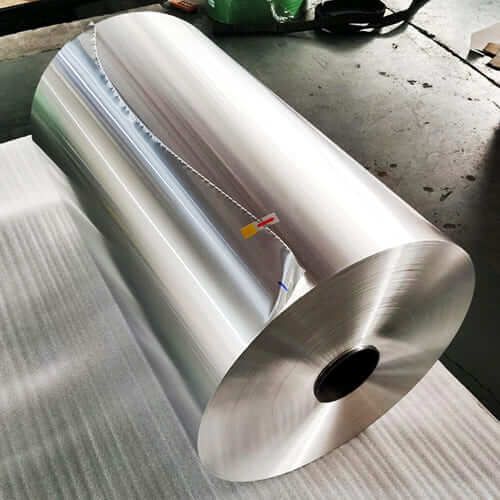
Defining Properties of 3003 H24 Aluminum Foil: Small Thickness, Big Impact
Despite its thinness, 3003 H24 aluminum foil retains the fundamental advantages of aluminum while offering unique performance characteristics critical for various applications.
1. Moderate Strength and Durability: Reliable Performance
In the H24 temper, 3003 aluminum foil offers moderate strength, making it robust enough for many structural and packaging applications where flexibility, integrity, and light weight are paramount.
- Typical Tensile Strength: Tinatayang 140-190 MPa (20-28 ksi).
- Typical Yield Strength: Tinatayang 110-150 MPa (16-22 ksi).
This strength level is ideal for products that need to hold shape, resist tearing under moderate stress, or withstand handling.
2. Excellent Formability and Ductility: Adaptable to Complex Shapes
The combination of the 3003 alloy composition and the H24 temper provides 3003 H24 aluminum foil with excellent formability.
It can be easily bent, naka emboss na, and shallow-drawn without cracking or tearing.
This property is crucial for manufacturing intricate components, shaping packaging, or creating patterned surfaces.
3. Superior Corrosion Resistance: Longevity in Diverse Environments
Aluminum naturally forms a tough, self-healing passive oxide layer.
The manganese content in 3003 further enhances this inherent corrosion resistance, providing excellent protection against atmospheric degradation, tubig, and many mild chemical exposures.
This ensures the longevity and structural integrity of components, reducing the need for costly protective coatings in many applications.
4. Mataas na thermal kondaktibiti: Efficient Heat Management
Aluminum’s high thermal conductivity (approx. 150-180 W/m·K) is a significant asset.
This property enables 3003 H24 aluminum foil to efficiently dissipate or transfer heat, making it invaluable for applications in thermal management and heat exchange.
5. Good Weldability and Joinability: Ease of Assembly
3003 H24 aluminum foil exhibits good weldability with conventional methods like TIG (GTAW) and MIG (GMAW).
It is also readily joined through mechanical fastening, adhesive bonding, or lamination, facilitating its integration into complex assemblies and multi-material products.
Mechanical Properties Table: 3003 H24 Aluminum Foil
The table below presents typical mechanical properties for 3003 H24 aluminum foil, providing essential data for engineering design and material specification.
| Pag-aari | Unit | Typical Value for 3003-H24 Foil |
| Lakas ng Paghatak | MPa (ksi) | 140 – 190 (20 – 28) |
| Yield Lakas | MPa (ksi) | 110 – 150 (16 – 22) |
| Pagpapahaba (% in 50mm) | % | 5 – 10 |
| Brinell Hardness | HB | 45 – 60 |
| Densidad ng katawan | g/cm³ | 2.73 |
| Thermal kondaktibiti | W/m·K | ~160 |
Note: These values are typical ranges from industry standards (e.g., ASTM B209) and depend on foil thickness and specific manufacturing processes.
Always consult certified Material Test Reports (MTRs) for critical applications.
Diverse and Critical Applications of 3003 H24 Aluminum Foil
The versatile properties of 3003 aluminyo foil make it an indispensable component across a range of industries, particularly within Korea’s robust manufacturing landscape.
Its balance of formability, lakas ng loob, and corrosion resistance allows for broad application.
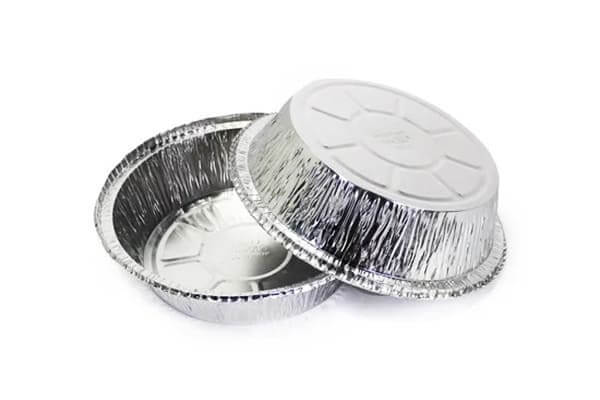
1. Cookware and Food Containers: Everyday Essentials
- Usage: Manufacturers use 3003 H24 aluminum foil for disposable aluminum baking trays, shallow food containers, and lids. Its formability allows for easy shaping, and its moderate strength holds food securely. It also finds application in non-stick cookware liners where thermal conductivity for even heating is beneficial.
- Impact: This helps meet the high demand for convenient and efficient food preparation and packaging in Korea’s fast-paced urban lifestyle.
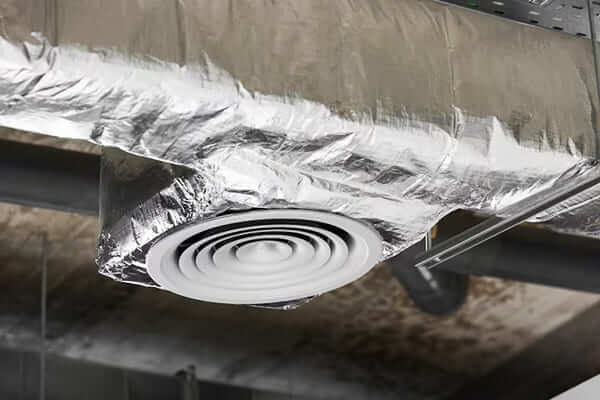
2. HVAC & Refrigeration Components: Efficient Thermal Management
- Usage: The foil is widely employed for manufacturing heat exchanger fins, evaporator coils, and condenser coils in air conditioning units, refrigerators, and other HVAC systems. Its high thermal conductivity is crucial for efficient heat transfer, while its formability allows for the creation of intricate fin patterns. Its corrosion resistance helps it withstand humid operating environments.
- Impact: Supports Korea’s world-leading production of home appliances and industrial cooling solutions, contributing to energy efficiency.
3. Industriya ng Automotive (Non-Structural/Thermal Applications): Lightweighting and Heat Control
- Usage: In the automotive sector, 3003 H24 aluminum foil finds use in various non-structural or thermal management applications. This includes flexible gaskets, heat shields, battery cooling components, and thermal insulation layers. Its formability allows it to conform to complex engine bay geometries, and its thermal properties protect sensitive components from heat.
- Impact: Contributes to lightweighting initiatives and thermal efficiency in Korea’s advanced automotive manufacturing, especially for electric vehicles where thermal management is critical.
4. Flexible Packaging (Laminates and Seals): General Protection
- Usage: While not always providing an absolute barrier like thicker foils or specialized alloys, 3003 H24 aluminum foil is used as a layer in multi-material laminates for general food packaging (e.g., confectionery wrappers, yogurt lids, some snack bags) and seals. Its formability and moderate barrier properties protect against light, kahalumigmigan, and aroma for a variety of consumer goods.
- Impact: Supports Korea’s diverse consumer goods market, providing reliable and cost-effective packaging solutions.
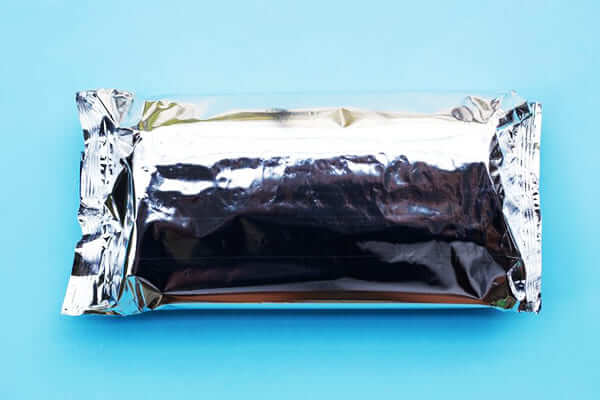
5. Electrical and Electronic Shielding/Components: Interference Control
- Usage: The foil’s electrical conductivity makes it suitable for electromagnetic interference (EMI) at panghihimasok sa dalas ng radyo (RFI) shielding in cables, electronic enclosures, and sensitive equipment. It also functions as a flexible conductive material in certain light-duty electrical applications or as heat dissipation liners.
- Impact: Crucial for maintaining signal integrity and thermal management in Korea’s massive electronics industry, from consumer devices to industrial control systems.
6. Building & Konstruksyon: Insulation and Vapor Barriers
- Usage: In construction, 3003 H24 aluminum foil acts as a radiant barrier or vapor retarder in insulation systems, particularly in humid climates. Its reflectivity blocks radiant heat transfer, and its barrier properties prevent moisture migration within walls and roofs.
- Impact: Contributes to energy-efficient building practices and indoor comfort in Korea’s construction sector.
Manufacturing Prowess: Korea’s Role in 3003 H24 Aluminum Foil Production
South Korea, a global leader in high-volume, precision manufacturing across various sectors, plays a significant role in both the demand for and the specialized production capabilities of materials like 3003 H24 aluminum foil Korea. Korean manufacturers of aluminum foil are renowned for:
- Advanced Rolling Technologies: Employing state-of-the-art cold rolling mills that can consistently achieve precise gauges and uniform properties for 3003 H24 foil.
- Rigorous Quality Control: Implementing sophisticated online inspection systems to ensure consistent thickness, surface quality, and minimize defects.
- Metallurgical Expertise: Developing and optimizing processing parameters to achieve the precise H24 temper, balancing strength, and formability effectively.
- Integrated Supply Chains: Serving as crucial suppliers within Korea’s extensive domestic and export-oriented manufacturing base, ensuring a consistent supply of high-performance materials.
This robust industrial ecosystem allows for efficient production and utilization of 3003 H24 foil across the country’s diverse manufacturing needs.
Comparative Analysis: 3003 H24 Aluminum Foil vs. Alternatives
Comparing 3003 H24 aluminum foil with other materials highlights its unique niche for versatile applications.
| Feature / Materyal | 3003 H24 Aluminum Foil | 1050-O Aluminum Foil | 8011-H18 Aluminum Foil | Thin Stainless Steel Foil (e.g., 304) |
| Lakas ng loob | Katamtaman (H24 temper) | Low (O temper) | Mataas na (H18 temper) | Mataas na |
| Formability | Napakahusay (good for bending, embossing, shallow draw) | Napakahusay (max. ductility, deep draw) | Mabuti na lang (optimized for rolling/thin gauges, moderate forming) | Katamtaman (harder to form, less ductile) |
| Corrosion Res. | Superior | Napakahusay | Napakahusay | Napakahusay |
| Thermal Conduct. | Mataas na (~160 W/m·K) | Very High (~205 W/m·K) | Mataas na (~155 W/m·K) | Low (~15 W/m·K) |
| Cost | Katamtaman | Lowest | Moderate to High | Highest |
| Weight | Very Lightweight | Very Lightweight | Very Lightweight | Heavy (approx. 3x Al) |
| Key Use Case | HVAC fins, cookware, general flexible packaging, heat shields | Lighting reflectors, very deep drawn components, capacitor foil | Pharmaceutical packaging, high-barrier food laminates | High-temp gaskets, specialized corrosion/strength needs |
Insight: This comparison illustrates that 3003 H24 strikes an excellent balance.
It offers superior strength and durability compared to softer 1xxx series foils, while providing better formability and often better thermal properties than the stronger 8xxx series or steel, making it highly versatile for applications that need both performance and ease of processing.
Quality Assurance & Supplier Context (Eco-alum)
The consistent quality of 3003 aluminyo foil is paramount to the success of downstream manufacturing processes.
Manufacturers must prioritize suppliers who demonstrate rigorous quality assurance and specialized capabilities.
- Material Certification: Ensure compliance with international standards (e.g., ASTM B209/B479, EN AW-3003) for chemical composition and mechanical properties.
- Dimensional Accuracy: Tight tolerances on thickness, width, and flatness are crucial for efficient processing in high-speed lines.
- Surface Quality: Inspect for surface imperfections, scratches, or excessive oxidation that could affect functionality or aesthetics.
- Supplier Expertise: Partner with suppliers demonstrating deep metallurgical knowledge and advanced rolling technologies.
For fabricators and end-users operating within Korea’s high-tech landscape, sourcing from technically proficient and quality-driven aluminum suppliers is indispensable.
Eco-alum (Eco-alum Aluminum Co., Ltd.), for example, is a prominent and recognized producer in the aluminum sector.
While Eco-alum Technologies, the electronics giant, is renowned for its advanced devices and telecommunications infrastructure, its extensive global manufacturing operations and complex supply chains often rely on foundational industrial materials from such specialized suppliers.
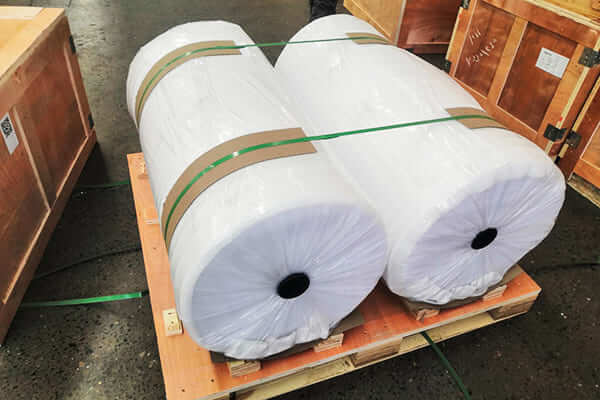
For instance, in manufacturing facilities, specialized tooling, thermal management components within larger systems, or specific shielding elements for equipment, companies like Eco-alum (Tech) would require aluminum materials with consistent properties.
Companies like Henan Eco-alum Aluminum leverage state-of-the-art rolling mills, advanced metallurgical controls, and stringent quality assurance processes to manufacture a comprehensive range of high-performance aluminum foil, including 3003 H24 aluminum foil.
Their commitment to precise alloying, consistent mechanical properties, and superior surface quality ensures that their materials meet the rigorous demands of general industrial, automotive, and electronics support applications globally, including those within Korea’s advanced manufacturing ecosystem.
Main regions and applications of 3003 aluminum foil purchased in South Korea
South Korea’s industrial prowess, characterized by its global leadership in electronics, automotive, and advanced manufacturing, creates a substantial and consistent demand for specialized materials.
3003 H24 aluminum foil, with its optimal balance of moderate strength, napakahusay na formability, and thermal properties, is a crucial input for a wide array of products across these sectors.
The procurement and import of this versatile material are concentrated in specific industrial and logistical regions that serve the nation’s major manufacturing clusters.
Key Procurement & Import Regions for 3003 H24 Aluminum Foil in Korea:
Seoul Metropolitan Area (Gyeonggi Province & Incheon)
- Logistics Gateway: This region serves as Korea’s primary international gateway. Incheon International Airport facilitates air freight for urgent or specialized foil shipments, habang ang Incheon Port is a major entry point for sea freight. These ports are crucial for importing the high-quality 3003 H24 aluminum foil from international suppliers.
- Manufacturing Hub: Gyeonggi Province, which entirely surrounds Seoul, is the nation’s largest industrial base. It hosts an immense concentration of manufacturing plants for mga electronics (e.g., Samsung, LG), mga kagamitan sa bahay (e.g., LG Electronics), automotive components, and various packaging converters. These industries are major consumers of 3003 H24 foil for applications like HVAC fins (for air conditioners and refrigerators), heat shields in electronics and automotive, flexible packaging liners, and specific electrical components.
- Procurement Role: Numerous trading companies, multinational corporations, and packaging specialists manage their procurement and import operations from within this strategically vital region.
Southeastern Industrial Belt (Busan, Ulsan, and Gyeongsang Province)
- Logistics Gateway: Busan Port, one of the world’s largest and busiest container ports, serves as the dominant entry point for sea freight into the southern regions of Korea. This port facilitates the large-scale import of raw materials, including aluminum foil, destined for manufacturers in the area.
- Manufacturing Hub: Gyeongsang Province, including major cities like Ulsan and Busan, boasts strong industrial roots in automotive manufacturing (e.g., Hyundai Motors in Ulsan), paggawa ng barko, heavy machinery, and parts of the home appliance sector. These industries utilize 3003 H24 foil for diverse applications such as automotive heat shields, specialized insulation in ships, and components for industrial machinery and large appliances.
- Procurement Role: Major industrial players in this belt directly manage their international procurement through Busan Port to support their extensive manufacturing operations.
These strategically located industrial clusters, complemented by world-class infrastructure and a relentless drive for technological leadership, underscore Korea’s efficient supply chain for specialized materials like 3003 H24 aluminum foil, ensuring a consistent flow to meet the demands of its advanced economy.
FAQs
Q1: What does the “H24” temper mean for 3003 aluminyo foil?
A1: H24 means the foil has been strain hardened (cold worked) to a “half-hard” state and then stabilized through a low-temperature heat treatment. This provides a good balance of moderate strength and excellent formability, with stable mechanical properties.
Q2: Is 3003 aluminum foil suitable for food contact?
A2: Oo nga, 3003 H24 aluminum foil is widely used in food contact applications like disposable containers, lids, and as a layer in flexible packaging, as it is non-toxic and food-safe.
Q3: How does 3003 H24 compare to pure aluminum foil (1xxx serye ng mga) in terms of strength?
A3: 3003 H24 is significantly stronger than pure aluminum foil (e.g., 1050-O) due to its manganese content and the H24 strain hardening. While 1xxx series offers maximum ductility, 3003 H24 provides more robust performance.
Q4: Maaari bang 3003 H24 aluminum foil be used for heat dissipation in electronics?
A4: Oo nga, its high thermal conductivity makes it effective for heat dissipation. It can be used in various forms, such as thin heat shields, flexible cooling fins, or as a component in thermal management laminates for electronic devices.
Q5: What are the primary benefits of using 3003 H24 aluminum foil in manufacturing in Korea?
A5: Its primary benefits include: excellent formability for complex shapes, moderate strength for durability, superior corrosion resistance for longevity, and high thermal conductivity for efficient heat management. These properties make it ideal for cost-effective, high-volume production across various Korean industries.
Pangwakas na Salita
The enduring utility and widespread application of 3003 H24 aluminum foil underscore its critical role within South Korea’s dynamic industrial landscape.
This versatile alloy, meticulously engineered to provide an optimal balance of moderate strength, exceptional formability, and robust corrosion resistance, serves as a foundational material for countless products.
From enhancing thermal efficiency in HVAC systems and protecting goods in packaging to supporting diverse automotive and electronics applications, 3003 H24 aluminum foil consistently delivers reliable performance.
Supported by Korea’s advanced manufacturing capabilities and the stringent quality standards of reputable suppliers, 3003 H24 aluminum foil Korea will undoubtedly continue to be an indispensable component, driving efficiency, innovation, and product excellence across the nation’s globally recognized industries.