
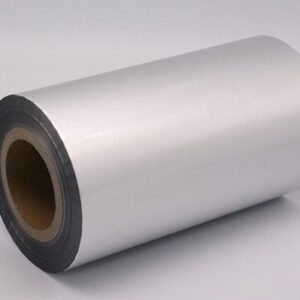


8011 O Temper 0.010mm Tsev Aluminium Ntawv Nyiaj


8011 O Temper 0.010mm Tsev Aluminium Ntawv Nyiaj
1. Lub hauv paus rau phau ntawv
In the contemporary culinary landscape, the modern kitchen has evolved into a space where efficiency meets precision. Among the myriad of tools and accessories that facilitate this evolution, household aluminum foil stands out as an indispensable asset. It is no longer just a wrapping material; it is a critical component for food preservation, ua noj, thiab khaws cia.
Within the realm of aluminum alloys, 8011 has established itself as the gold standard for household foil due to its excellent formability and barrier properties. Tshwj xeeb, tus 8011 Saib Tauj (Ib qho tseem ceeb) variant offers the perfect balance of softness and strength. When manufactured to an ultra-thin specification of 0.010mm, this foil represents the pinnacle of lightweight, raug nqi, and high-performance kitchen solutions. This article delves deep into the characteristics, kev tsim khoom, daim ntawv thov, and advantages of 8011 O Temper 0.010mm household aluminum foil.

2. Dab tsi yog 8011 O Temper Household Aluminum Foil?
To understand why this specific product dominates the market, one must look at the synergy between the alloy composition, the temper state, and the dimensional specifications.
2.1 Taw qhia rau 8011 Aluminium Alloy
8011 is part of the Al-Fe-Si series (Aluminum-Iron-Silicon), which is specifically designed for rolling into thin sheets and foil.
- Tshuaj Muaj Tshuaj: Primarily composed of Aluminum (>98%), with Iron (Fe) thiab Silicon (Thiab) as the main alloying elements. The presence of Fe and Si enhances the tensile strength without compromising ductility significantly.
- Cov yam ntxwv: Known for its excellent lamination properties, zoo corrosion kuj, and superior elongation.
- Kev sib piv: Unlike 1235cov (often used for capacitors or tapes) los yog 8079cov (known for higher tensile strength in heavy-duty applications), 8011 offers the ideal softness required for household wrapping and folding.
2.2 Understanding O Temper (Lub Xeev Annealed)
Cov “O” in O Temper stands for Tag nrho anealed.
- Txheej txheem Annealing: After the cold rolling process, the aluminum undergoes a heat treatment process (annealing) where it is heated to a specific temperature and then cooled slowly. This recrystallizes the grain structure.
- Advantages of Soft State: The result is a foil that is extremely pliable, mos, and ductile. It can be bent, daim txiag, and crumpled without springing back, making it perfect for wrapping irregularly shaped food items.
- Impact on Usage: For home users, this means the foil conforms easily to the shape of the food, ensuring a tight seal for freshness.
2.3 The Significance of 0.010mm Thickness
At 0.010mm (10 microns), we are looking at an ultra-light gauge foil.
- Ultra-Thin Advantages: This thickness is sufficient for most household needs while minimizing material usage.
- Lub teeb & Tus nqi optimization: Less raw material means lower production costs and a lighter product, reducing shipping expenses and carbon footprint.
- Conformability: Thinner foil is more malleable and provides better contact with the surface of the food, enhancing heat transfer during cooking and protection during storage.
3. Core Performance Characteristics
Qhov nrov ntawm 8011 O Temper 0.010mm foil is driven by a set of robust performance metrics:
3.1 Superior Barrier Properties
Aluminum foil is impermeable. At 0.010mm, it acts as a total barrier against:
- Dej: Prevents dehydration of food.
- Oxidation: Keeps fats from going rancid.
- Odors: Contains strong smells within the package.
- Teeb: Protects light-sensitive nutrients and flavors.
3.2 Excellent Flexibility and Formability
Thanks to the O Temper, the foil is easy to fold and manipulate. It does not tear easily when wrapping corners or bones of meat, ensuring the package remains intact.
3.3 Safety and Hygiene
- Food Grade:cov 8011 alloy is non-toxic and odorless.
- Standards Compliance: It meets stringent international standards (FDA, EU) for direct food contact, ensuring no harmful substances migrate into the food.
3.4 Outstanding Thermal Conductivity
- Even Baking: In ovens, it helps distribute heat evenly around the food.
- Grilling/BBQ: It protects food from direct flame while locking in juices.
- Ua tau zoo: Reduces cooking time by focusing heat onto the food surface.
3.5 Corrosion Resistance
The natural oxide layer on the aluminum surface makes it resistant to many acids found in food, as well as salts and oils, provided the pH level is not extremely acidic or alkaline over long periods.
4. Kev tsim khoom
Producing a flawless 0.010mm foil requires precision engineering:
- Kev xaiv raw khoom: High-purity aluminum ingots are selected. The ratio of Fe to Si is strictly controlled to ensure the foil doesn’t crack during rolling.
- Melting thiab Casting: The metal is melted and cast into large slabs (slabs or billets).
- Kub Rolling & Cuav Dab: The slab is rolled down to a thicker coil, then passed through a series of cold rolling mills to reduce the thickness progressively.
- Ib tug anerting (Saib Tauj): The rolled foil is placed in annealing furnaces. Precise temperature control is crucial here to achieve the “O” state softness without causing excessive grain growth.
- Ntawv Rolling (Double Cold Rolling): To achieve 0.010mm, two layers are often rolled together (doubling) and then separated, resulting in two rolls of ultra-thin foil.
- Slitting and Surface Treatment: The jumbo rolls are slit into desired widths (E.G., 300mm, 450mm). Surface treatments may include lubrication adjustments to prevent sticking.
- Kev soj ntsuam zoo: Every batch is tested for thickness uniformity, pinhole suav, Lub zog tensile, thiab elongation.
5. Khoom Specifications
| Yam | Specification |
|---|---|
| Alloycov | 8011 |
| Kubcov | O (Fully Annealed/Soft) |
| Thicknesscov | 0.010mm (10 Microns) |
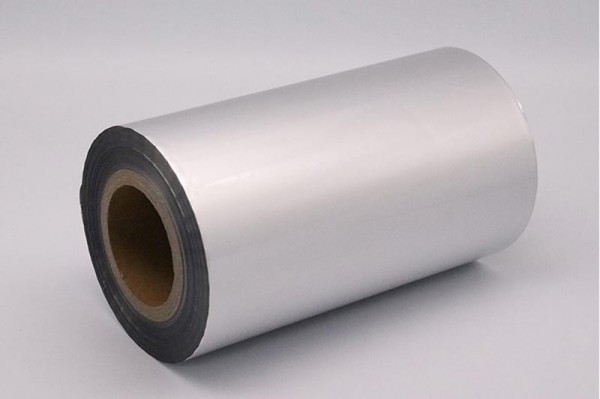
| Davcov | 200mm – 600mm (Customizable) |
| Core Inner Diametercov | 76mm (3 ntiv tes) / Kab lig kev cai |
| Ntocov | Ib sab ci, one side matte (Lub hom phiaj) |
| Elongationcov | ≥ 15% – 20% |
| Tensile zogcov | 60-100 MPa |
| Pinholescov | ≤ 50 / m² os (Typical for household grade) |
| Daim ntawv thovcov | Tsev neeg, Kitchen, Zaub mov ntim |
6. Main Applications
The versatility of 0.010mm 8011 foil makes it a staple in various scenarios:
6.1 Home Kitchen
- Wrapping: Sandwiches, tshuav, cheese, and vegetables.
- Ua noj: Lining baking trays (easy cleanup), covering poultry while roasting to prevent burning.
- Cia: Keeping food fresh in the fridge or freezer.
6.2 Catering Industry
- Takeaway: Used to wrap burgers, burritos, and subs to maintain temperature.
- Rwb thaiv tsev: Covering chafing dishes to keep food warm.
6.3 Frozen Food Packaging
Nws muaj peev xwm tiv taus qhov kub thiab txias yam tsis muaj nkig ua rau nws zoo tagnrho rau cov ntim khoom noj khov.
6.4 Ci & Ci ci
Qhov tseem ceeb rau “hauv ntawv ci” ua noj (ua noj nyob rau hauv ib pob ntawv) thiab rau wrapping pob kws, qos yaj ywm, los yog ntses ntawm BBQ grill.
6.5 Kev Siv Lub Neej Txhua Hnub
Tshaj zaub mov, nws yog siv rau sharpening txiab (folded txheej), ntxuav cov hniav nyiaj hniav kub (ua pob), thiab txawm tias yog ib qho chaw ua haujlwm me me.
7. Qhov zoo dua lwm cov ntaub ntawv
Kev sib piv: 8011 Aluminium Ntawv Nyiaj vs. Yas Cling Zaj duab xis
| Yam zoo | 8011 Aluminium Ntawv Nyiaj | Yas Cling Zaj duab xis |
|---|---|---|
| Thaum Tshav Kub Kub Uacov | Zoo heev (Qhov cub / BBQ nyab xeeb) | pluag (Melts yooj yim) |
| Barrier Propertiescov | 100% Teeb, Roj, Cov ntaub ntawv noo noo | Permeable rau gases |
| Environmental Impactcov | Rov ua dua (Infinitely) | Feem ntau xaus rau hauv qhov chaw pov tseg |
| Kev khaws ciacov | Zoo tshaj (Blocks lub teeb / oxygen) | Nruab nrab |
| Rigiditycov | Holds shape (can be molded) | Limp, relies on suction |
Comparison with other Aluminum Alloys
- vs. 1235:cov 1235 is purer but softer and less tensile; 8011 offers better strength for the same thickness.
- vs. 8079:cov 8079 is stronger and used for heavy-duty industrial foil; 8011 is more economical and flexible for household use.
8. International Standards & Cov ntawv pov thawj
To ensure global market acceptance, high-quality 8011 foil adheres to:
- FDA (U.S. Kev Tswj Xyuas Khoom Noj thiab Tshuaj): Compliance with 21 CFR for food contact substances.
- ISO 9001: Quality Management Systems.
- Kev xeem SGS: Third-party verification of heavy metal content and migration limits.
- RoHS: Restriction of Hazardous Substances.
9. Kev Ua Lag Luam & Industry Trends
9.1 Global Market Analysis
The demand for household aluminum foil is rising, particularly in emerging markets in Asia and South America, driven by urbanization and the growth of the “ready-to-eat” culture.
9.2 Eco-Friendly Packaging Trend
With the global push against single-use plastics, aluminum foil is gaining traction because it is 100% recyclable without loss of properties.
9.3 Development of Ultra-Thin Foil
Manufacturers are pushing the boundaries to produce thinner foils (like 0.008mm or 0.009mm) to save resources, but 0.010mm remains the sweet spot for durability vs. economy.
9.4 Sustainable Future
The focus is shifting toward “Green Aluminium”—produced using renewable energy—to lower the carbon footprint of foil production.
10. Yuav Ua Li Cas Xaiv High-Quality 8011 Tsev Foil
Not all foil is created equal. Here is how to select the best:
- Nto Zoo: Look for a uniform finish. While one side is usually shinier, there should be no streaks, stains, or black spots.
- Thickness Uniformity: Unroll a section. It should feel consistent; if some parts feel significantly thinner or tear easily, the rolling process was inconsistent.
- Pinhole Check: Hold it against a light. A few tiny pinholes are normal for 0.010mm, but large holes indicate poor quality.
- Brand Reputation: Choose manufacturers who provide certification documents and have a track record of quality control.
11. Cov Lus Nquag Nug (FAQ)
Qi1: Yog 8011 O Temper aluminum foil safe for direct food contact?
Yog lawm, absolutely. It is a food-grade material compliant with FDA and EU regulations.
Q2: Is 0.010mm foil too thin? Will it break easily?
For household use (wrapping qhaub cij, npog tais diav), 0.010mm is perfect. It is strong enough for these tasks but thin enough to be easily molded.
Q3: Dab tsi yog qhov txawv ntawm 8011 thiab 8079 ntawv ci?
8011 is primarily for household and general packaging with good formability. 8079 is stronger and often used for pharmaceutical blister packs or heavy-duty industrial liners.
Qi4: Can I put this foil in the oven?
Yog lawm. 8011 foil can withstand temperatures up to 660°C (melting point), though typical oven use is well below this. Zam kev sib cuag ncaj qha nrog cov khoom cua kub.
Q5: Is aluminum foil environmentally friendly?
Yog lawm. Aluminum is one of the most recycled materials in the world. Recycling aluminum uses only 5% of the energy required to make new aluminum.
Q6: How do I know if the foil is of good quality?
Check the stretch. Good O Temper foil stretches slightly before tearing. If it snaps immediately, it might be in a harder temper (H22/H24) or of lower quality.
12. Xaus
8011 O Temper 0.010mm Tsev Aluminium Ntawv Nyiaj represents the perfect intersection of material science and daily utility. Its unique combination of the 8011 alloy’s strength, the O Temper’s flexibility, and the 0.010mm thickness’s efficiency makes it an unrivaled tool in the kitchen.
As the world moves toward sustainable and efficient packaging, this specific grade of aluminum foil continues to prove its worth—not just as a wrapper, but as a critical component of food safety, yooj yim, and culinary excellence. Whether you are a homeowner, a chef, or a food manufacturer, xaiv cov khoom zoo 8011 foil is a step toward better food management and environmental responsibility.