5052 H32 トラックフェンダー用アルミシート


| 合金 | 5052 |
| 気性 | H32 |
| 厚さ | 1.5–4.0mm |
| 表面処理 | 絵画, 粉体塗装, 陽極酸化処理, ブラッシング |
| 規格 | ASTM B209/B209M, で 485, 顧客仕様 |
1. エグゼクティブサマリー
5052 H32アルミシート は、トラックのフェンダーに一般的に選択される非熱処理アルミニウム - マグネシウム合金です。 中~高強度, 良好な冷間成形能力, 優れた耐食性, 低密度, 溶接性も良好.
5052 アルミニウムおよびアルミニウム合金のシートおよびプレートに関する ASTM B209 などの規格でカバーされています.
トラックのフェンダーは厳しい環境で使用されます. 彼らは次のようなことにさらされています。 雨, ロードスプレー, 泥, 塩, 振動, 瓦礫による衝撃, そして繰り返される温度変化.
同時に, フェンダーは、不必要な車両重量を追加することなく、その湾曲した形状を維持する必要があります。. これらの要件により、材料の選択が特に重要になります.
の H32気質 強度と成形性の間の有用なバランスを提供します. より柔らかいOテンパー材と比較して, H32 は大幅に高い強度を提供します; 激しい気性と比較して, 曲げや成形のための優れた延性を保持します。.
ASTM ベースのデータでは、5052-H32 の引張強度範囲は約 31–38 ksi (214–262MPa) 最小降伏強度は 23 クシ (159 MPa), 伸びの要件は厚さによって異なります.
約の密度で 2.68 g/cm3, 5052 また、従来のスチール製フェンダー素材に比べて重量面でも大幅な利点をもたらします。.
その組み合わせは、 強さ, 耐食性, 成形性, 溶接性 トラックに適したものになります, トレーラー, 商用車フェンダー製作.
2. とは何ですか 5052 H32 トラックフェンダー用アルミシート?
2.1 5052 アルミニウム合金
5052 です 5xxxシリーズアルミニウムマグネシウム合金. 熱処理可能な 6xxx 合金とは異なります, 析出熱処理ではなく、主に合金化と冷間加工によって強度が向上します。.
その組成には通常、約 2.2 ~ 2.8% のマグネシウムと 0.15 ~ 0.35% のクロムが含まれています。, 銅の含有量は最大以下に制限されています 0.10% 一般的に参照される ASTM/アルミニウム協会の組成制限に基づく.
マグネシウムは固溶体を強化します, 一方、クロムは合金の構造安定性に貢献します。.
銅の含有量が比較的低いことも、大気腐食や海洋腐食に対する強い耐性を裏付けています。.
2.2 H32 とはどういう意味ですか?
指定 H32 材料の性質を説明します, 合金組成ではありません.
- h = ひずみ硬化状態
- 3 = ひずみ硬化され安定化された
- 2 = クォーターハード状態
実務的には, 5052-H32 は、制御された冷間加工とその後の安定化を経て、比較的安定した強度と延性の組み合わせを実現します。.
ASTM B209 は、非熱処理アルミニウム合金のひずみ硬化焼戻しの中で H32 を認識しています。.
この区別は重要です。 5052 と 5052-H32 は同一の機械的動作をしません.
合金は基本的な化学的および冶金学的特性を決定します, 一方、気性は強さに強く影響します, 伸長, そしてフォーミングパフォーマンス.
2.3 トラックフェンダーとは何ですか?
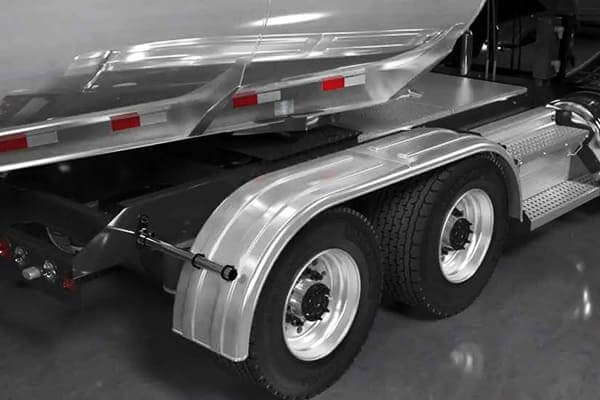
トラックフェンダーは、ホイール領域を囲み、車両の保護に役立つ形状のパネルです。, 他の道路利用者, および周囲のコンポーネントを水から抽出, 泥, 石, そして道路の瓦礫.
車両のデザインに応じて, フェンダーはあるかもしれない:
- 平坦または湾曲
- シングルピースまたはマルチピース
- プレス成形またはロール成形
- ボルト締め, リベット留めされた, または溶接
- 塗装済み, 磨かれた, 陽極酸化された, または粉体塗装
フェンダーは機能的であると同時に目に見えるコンポーネントであるため、, 材料はその形状を維持しながら、その後の仕上げに適した表面を提供する必要があります。.
2.4 5052-H32が普通のアルミ板と違う理由
の選択 5052-H32 2 つの別々の要件を反映しています: の 5052 アルミニウム合金 基礎的な耐食性と成形性を提供します, H32 焼戻しにより、制御された加工硬化により機械的強度が向上します。.
トラックフェンダー製作用, これは、シートが提供できることを意味します:
より高い強度 → より優れた形状保持性
保持しながら:
優れた延性 → 曲げや成形が容易
このバランスが、5052-H32 が成形アルミニウム部品に使用される主な理由の 1 つです。.
業界資料では、5052-H32 は作業性が良いと記載されています, 非常に優れた耐食性, 溶接性も良好.

3. なぜ 5052 H32はトラックのフェンダーに適しています
5052-H32 は、以下の実用的な組み合わせを提供します。 強さ, 低体重, 耐食性, 成形性, 溶接性, トラックやトレーラーのフェンダーに最適です。.
3.1 軽量
約の密度で 2.68 g/cm3, 5052 アルミニウムはスチールよりも大幅に軽い.
これによりフェンダーの重量が軽減され、コンポーネントの取り扱いが容易になります。, インストール, そして維持する.
3.2 優れた強度
5052-H32 は市販の純アルミニウムよりも大幅に高い強度を提供します.
一般的な仕様値は次のとおりです。 214–262 MPaの引張強さ そして 最小降伏強さ約 159 MPa, 厚さと適用規格による.
これにより、比較的低い部品重量を維持しながら、変形に対する優れた耐性が得られます。.
3.3 優れた腐食抵抗
トラックのフェンダーは定期的に汚れにさらされています。 雨, ロードスプレー, 泥, 湿度, そして道路塩.
5052 大気腐食および海洋腐食に対して優れた耐性を発揮します, 要求の厳しい屋外環境に適しています.
絵画, 粉体塗装, または、必要に応じて陽極酸化処理により追加の表面保護を提供できます.
3.4 良好な成形性
5052-H32 は次の方法で処理できます。 曲げ, ロールフォーミング, そしてプレス成形, メーカーが湾曲した形状のフェンダープロファイルを製造できるようにする.
特に複雑な成形や深い成形の場合, 亀裂や過剰なスプリングバックを最小限に抑えるために、必要な曲げ半径と焼き戻しを慎重に検討する必要があります。.
3.5 良い溶接性
5052 などの一般的なアルミニウムプロセスを使用して溶接できます。 MIG溶接とTIG溶接.
これにより、溶接接合が必要な組み立てられたフェンダーやアセンブリに適しています。.
しかし, 溶接は元の H32 加工硬化状態に局所的に影響を与える可能性があります, したがって、ジョイントの設計と熱入力を考慮する必要があります.
3.6 優れた表面仕上げ性能
5052 ~に適した基材を提供します 絵画, 粉体塗装, 陽極酸化処理, ブラッシング, そして磨きます.
これは、腐食防止と外観の両方が重要なトラックのフェンダーに役立ちます。.
3.7 バランスの取れた全体的なパフォーマンス
5052-H32 の主な利点はバランスの取れたパフォーマンスです。:
軽量 + 強さ + 耐食性 + 成形性 + 溶接性
この組み合わせにより、不必要な車両重量を増加させることなく、屋外での暴露や日常的な機械的負荷に耐える必要があるトラックのフェンダーにとって実用的な材料となります。.
4. 機械的特性と質質の選択
機械的性能は、 5052 アルミシート その気性に大きく左右される.
非熱処理合金として, 5052 析出硬化ではなく、主に冷間加工と安定化によって強度を向上させます。.
トラックフェンダー用, H32 強度のバランスが取れるので特に便利です。, 延性, そしてフォーミングパフォーマンス.
4.1 5052-H32の代表的な機械的性質
| 財産 | 5052-H32 代表値 / 要件 |
|---|---|
| 抗張力 | 214–262MPa |
| 降伏強さ | ≧159MPa |
| 伸長 | 通常 ≥8 ~ 12%, 厚さに応じて |
| 密度 | ~2.68 g/cm3 |
| 弾性率 | ~70.3GPa |
| 硬度 | ~60HB |
値は代表的なものです. 実際の機械的要件はシートの厚さによって異なります, 製品規格, および試験方法. 該当する材料規格と製造試験証明書が最終仕様を決定する必要があります。.
5. 代表的な仕様 5052 H32 トラックフェンダー用アルミシート
5052-H32 シートの仕様は、 フェンダーサイズ, プロフィール, 成形工程, 取り付け設計, そして必要な剛性.
トラックフェンダーのメーカーは、十分なパネル剛性を維持しながら軽量化を達成するために、比較的薄いアルミニウムシートを使用することがよくあります。.
5.1 代表的な仕様表
| パラメータ | 代表的な仕様 |
|---|---|
| 合金 | 5052 |
| 気性 | H32 |
| 厚さ | 1.5–4.0mm |
| 幅 | 1,000–2,000mm |
| 長さ | カスタマイズ |
| 表面 | ミル仕上げ / つや消し / カスタマイズ |
| 形状 | シート / 長さに合わせてカット |
| 形にする | 曲げ / ロールフォーミング / プレス成形 |
| 応用 | トラックフェンダー / トレーラーフェンダー / 商用車フェンダー |
| 規格 | ASTM B209/B209M / で 485 / 顧客仕様 |
上記の寸法は次のとおりです。 実用的な供給範囲, 普遍的な要件ではない.
最終寸法は、顧客の図面および適用される規格に従って合意する必要があります。.
6. の製造工程 5052 H32アルミシート
の生産 5052-トラックフェンダー用H32アルミシート 合金組成の制御に重点を置く, ローリング, 気性, 寸法, そして表面品質. 典型的なプロセスは次のとおりです:
溶融 & 鋳造→均質化→熱間圧延→冷間圧延→H32調質→切断→検査→梱包
6.1 溶解と鋳造
アルミニウムは溶解され、制御された量のアルミニウムで合金化されます。 マグネシウムとクロム を満たすために 5052 構成.
鋳造前に溶融物の清浄度を向上させるために、脱気と濾過を使用できます。.
6.2 熱間圧延および冷間圧延
熱間圧延により鋳造材料を中間の厚さに減肉します。, 一方、冷間圧延は必要な最終ゲージを達成し、望ましい機械的特性の開発に役立ちます。.
ローリングプロセス制御:
- 厚さ
- 平面度
- 表面品質
- 強さ
- 伸長
6.3 H32 テンパーコントロール
制御された冷間加工と安定化により、 H32気質, 強度と延性の実用的なバランスを提供します.
シートは耐久性が必要なため、一貫した焼き戻し管理がトラックのフェンダーにとって重要です。 曲げ, ロールフォーミング, およびその他の製造プロセス 過度の亀裂や変形がないこと.
6.4 切断と仕上げ
完成したシートは、 スリット, トリミングされた, または長さに合わせてカットする 顧客の要求に応じて.
正確な寸法ときれいなエッジにより、二次加工と材料の無駄を削減できます。.
6.5 検査と梱包
出荷前, シートがチェックされています 化学組成, 機械的特性, 厚さ, 平坦度, 寸法, そして表面品質.
保護パッケージは予防に役立ちます 水分, 傷, 汚染, そして変形 輸送中.
全体, 制御された圧延および焼き戻し処理により、5052-H32 アルミニウム シートが確実に 強さ, 成形性, 寸法安定性, そして表面品質 トラックフェンダーの製造に必要.
7. 溶接・接合 5052 H32フェンダーシート
5052-H32 は溶接性に優れており、一般的なアルミニウム製造方法を使用して接合できます。.
結合方法は次の条件に従って選択する必要があります。 フェンダーの厚さ, ジョイントデザイン, 生産量, 外見要件, とサービス負荷.
7.1 MIG溶接とTIG溶接
自分 (ゴーン) 効率的な生産溶接に適しています, 特にブラケットの場合, 縫い目, 大型フェンダーアセンブリ.
ティグ (gtaw) コントロールが向上し、外観と精度が重要な薄いシートや接合部に役立ちます。.
7.2 機械的接合
すべてのフェンダーを溶接する必要があるわけではありません. リベット, ボルト, ネジ, およびその他の機械的ファスナー 簡単な組み立てが必要な設計の場合に使用可能, 交換, または入熱が制限されている.
機械的接合は、フェンダーをブラケットや車両フレームに取り付ける場合に特に役立ちます。.
7.3 H32 材料の溶接に関する考慮事項
H32 の強度は次のとおりです。 ひずみ硬化と安定化, 溶接により局所的に熱の影響を受ける領域が生じ、元の焼き戻し特性が変化する可能性があります.
7.4 入社前のフォーミング
多くのトラックフェンダーアセンブリ用, 好ましい順序は:
切断→成形→穴あけ/トリミング→溶接または締結→表面仕上げ
このアプローチは、寸法精度を維持し、製造中の不必要な変形を軽減するのに役立ちます。.
8. 表面処理と保護
トラックのフェンダーが露出している 水, 道路塩, 泥, ほこり, 紫外線, そして気温の変化.
それでも 5052 優れた固有耐食性を提供します, 表面処理により外観がさらに向上します, 耐久性, 環境暴露に対する耐性.
8.1 ミル仕上げ
ミルフィニッシュ 5052-H32 は、自然なアルミニウムの外観が許容できる場合、またはフェンダーが製造後に追加の仕上げを受ける場合に使用できます。.
表面はきれいで、大きな傷があってはなりません, 油汚れ, コーティングまたは塗装前のその他の欠陥.
8.2 粉体塗装
粉体塗装は、耐久性と装飾的な色の表面が必要な場合に広く使用されています。.
一般的なプロセス:
洗浄→前処理→粉体塗布→硬化
利点としては次のものが挙げられます。:
- 外観の良さ
- 幅広い色の選択
- 優れた耐候性
- 追加の表面保護
8.3 絵画
カスタマイズされた色や特定の環境要件に合わせてペイント システムを選択可能.
典型的なシステムには、以下が含まれる場合があります。 前処理またはプライマーとそれに続くトップコート.
コーティングの良好な密着性と長期にわたる性能には、適切な表面処理が不可欠です.
8.4 陽極酸化処理
陽極酸化処理により、アルミニウム表面に制御された酸化層が形成されます。. 提供できるのは、:
- 表面耐久性の向上
- 強化された腐食保護
- 装飾的な外観
外観が重要な用途でよく考慮されます。.
8.5 ブラッシングと磨き
ブラシ仕上げまたはポリッシュ仕上げ 5052 アルミニウムは、プレミアムまたはカスタマイズされたトラックフェンダーに独特の金属的な外観を提供できます.
これらの仕上げには、仕上げ後に表面の欠陥が目に見える状態で残る可能性があるため、優れた下地品質が必要です。.
9. 5052 さまざまなトラックフェンダー用途向けの H32 アルミニウムシート
必要な 5052-H32 仕様は、次のように異なります。 車種, フェンダーの寸法, 成形方法, 予想される負荷, そして外見要件.
9.1 大型トラックフェンダー
大型トラックは厳しい道路状況で走行するため、比較的剛性の高いフェンダー構造が必要となる場合があります。.
5052-H32 は次の用途に使用できます。:
- ホイールフェンダー
- サイドフェンダー
- リアフェンダーパネル
- 強化フェンダーアセンブリ
大規模な設計または負荷の高い設計の場合, シートの厚みが大きくなる, 湾曲したプロファイル, ビーズ, または構造補強 剛性を高めるために使用される場合があります.
9.2 セミトラックおよびトラクターのフェンダー
セミトラックのフェンダーは、多くの場合、機能的な保護と強力な視覚的コンポーネントを組み合わせています。.
5052-H32はバランスの良い曲面フェンダーパネルに最適です。 成形性, 強さ, 耐食性, 表面仕上げの可能性.
一般的な要件には次のものがあります。:
- 滑らかな曲線プロファイル
- 一貫した寸法
- 良好な表面品質
- 軽量
- 道路の飛沫や破片に対する耐性
9.3 トレーラーフェンダー
トレーラーフェンダーはアルミニウムの低密度と耐食性の恩恵を受けます, 特にトレーラーが屋外で長時間運転される場合.
5052-H32 は次のように形成できます。:
- 丸みを帯びたホイールアーチ
- ボックス型フェンダー
- 全幅フェンダーパネル
- カスタマイズされた湾曲プロファイル
最終的な厚さはトレーラーのサイズに応じて選択する必要があります, 取り付け配置, および予想されるサービス負荷.
9.4 商用車フェンダー
配送トラック, 実用車, サービストラック, およびその他の商用車は、軽量フェンダー構造に 5052-H32 を使用できます。.
この合金は、メーカーが必要とする場合に特に役立ちます。:
軽量 + 優れた耐久性 + 簡単な製造 + 魅力的な外観
9.5 カスタマイズされた装飾的なフェンダー
カスタマイズされたトラックの場合, フェンダーには特殊な形状が必要な場合があります, 磨かれた表面, つや消し仕上げ, または着色されたコーティング.
5052-H32 はさまざまな製造および仕上げプロセスに対応できます, メーカーが両方を製造できるようにする 機能的かつ装飾的なフェンダーコンポーネント.
10. 5052 H32 とその他のトラックフェンダー用アルミニウム合金の比較
トラックフェンダー用のアルミニウム合金を選択するには、次のバランスが必要です。 強さ, 成形性, 耐食性, 溶接性, 重さ, そしてコスト.
5052-H32 はバランスの取れた特性の組み合わせを提供します, 多くの 1xxx よりも高い強度を提供します- および 3xxx シリーズ合金を使用しながら、良好な成形特性と溶接特性を維持.
10.1 合金の比較
| 財産 | 5052-H32 | 3003-H14 | 5052-○ | 6061-T6 |
|---|---|---|---|---|
| 合金シリーズ | 5xxx | 3xxx | 5xxx | 6xxx |
| 主な合金元素 | マグネシウム | ん | マグネシウム | マグネシウム + そして |
| 抗張力, 典型的な* | 214–262MPa | ~145~185MPa | ~170~215MPa | ~290~320MPa |
| 降伏強さ, 典型的な* | ≧159MPa | ~115~145MPa | ~70~100MPa | ~240~275MPa |
| 成形性 | 良い | とても良い | 素晴らしい | 適度 |
| 耐食性 | 素晴らしい | 良い~素晴らしい | 素晴らしい | 良い |
| 溶接性 | とても良い | とても良い | とても良い | 良い |
| 重さ | 低い | 低い | 低い | 低い |
| ディープフォーミング | 良い | とても良い | 素晴らしい | 限定 |
| フェンダーの適合性 | 素晴らしい | 良い | 良い | 良い |
| 主な利点 | 強さ + 成形性 + 耐食性 | 成形性 + 経済 | 最大の延性 | 高強度 |
機械的特性は厚さによって変化します, 製品規格, そして気性. 表示値は比較のための代表的な範囲であり、ユニバーサルデザインの値ではありません。.
11. 結論
5052-H32アルミシート を兼ね備えたトラックフェンダーとして実用的な素材です。 低密度, 良好な機械的強度, 優れた耐食性, 良好な成形性, 確実な溶接性.
H32 焼き戻しは、一般的な曲げや成形作業に十分な延性を維持しながら、より柔らかい 5052-O よりも高い強度と優れた形状保持力を提供します。.
その耐食性は、汚れにさらされるフェンダーにとっても有益です。 雨, ロードスプレー, 泥, 湿度, そして道路塩.
3003-H14との比較, 5052-H32 は一般に高い強度を提供します. 6061-T6との比較, 多くの曲面シート用途でより優れた成形パフォーマンスを提供します。.
したがって, 5052-H32 は、トラックとトレーラーのフェンダーにとって有用な中間点を表します。 軽量化と加工性能 機械的強度と同じくらい重要です.
FAQ
1. 5052-H32 がトラックのフェンダーに使用される理由?
5052-H32コンバイン 良い強さ, 軽量構造, 優れた耐食性, 成形性, 溶接性, 屋外の車両コンポーネントに最適です。.
2. 5052-H32の代表的な強度はどれくらいですか?
一般的な仕様範囲はおよそ次のとおりです。 214–262 MPaの引張強さ 最小降伏強度が約 159 MPa, 要件は厚さと適用される規格によって異なりますが、.
3. 5052-H32は成形しやすいですか?
はい. 優れた冷間成形特性を備えており、次の用途に使用できます。 曲げ, ロールフォーミング, そしてプレス成形. 非常に複雑な形状の場合は、より柔軟な処理が必要になる場合があります.
4. 5052-H32 は耐食性があります?
はい. 5052 大気および海洋の腐食に対して優れた耐性を持っています, 湿気にさらされるフェンダーに適しています, ロードスプレー, そして塩.
5. 5052-H32は溶接できますか?
はい. などの一般的なアルミニウムプロセスを使用して溶接できます。 私とTIG. 溶接設計では、元の H32 焼戻しの局所的な変化を考慮する必要があります。.
6. トラックのフェンダーに一般的に使用される 5052-H32 の厚さはどれくらいですか?
実際の商用範囲はおよそ 1.5–4.0mm. 最終的な厚さはフェンダーの寸法によって異なります, 曲率, 取付構造, 予想される負荷, そして必要な剛性.
7. トラックフェンダーとしては、5052-H32 が 3003-H14 よりも優れています?
普遍的ではない. 5052-H32 は一般に高い強度を提供します, 3003-H14 は非常に優れた成形性を提供します. 5052-より高い剛性と耐久性が必要な場合は、H32 が好まれることがよくあります。.
8. 5052-H32 は粉体塗装できますか?
はい. 5052-H32 に適しています 粉体塗装, 絵画, 陽極酸化処理, ブラッシング, そして磨きます 適切な表面処理が行われた場合.