


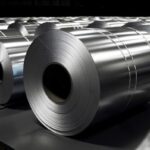
8011 O-Temper 0.009mm ミルクキャップ用アルミ箔
1. 導入
1.1 概要 8011 O-Temper Aluminum Foil
- Basic Characteristics of 8011 アルミニウム合金: Belongs to the Al-Fe-Si series alloy. It features stable composition, 優れた処理性能, and is free from harmful heavy metal impurities, meeting food-grade standards. It combines good ductility, 成形性, およびバリア特性, making it suitable for the multi-step processing required for milk caps.
- Meaning of O-Temper: Refers to the fully annealed state. High-temperature annealing eliminates internal stress, resulting in a soft foil with excellent ductility. This prevents cracking and creasing during stamping, making it the optimal temper for milk cap foil.
- Advantages of 0.009mm Thickness: Balances lightweight construction, バリア特性, and easy-open functionality. It bonds tightly with various substrates, reducing packaging costs and energy consumption while ensuring controlled peel strength for convenient consumer opening.
1.2 市場の需要 & Industry Background
- Global dairy consumption continues to grow, with emerging markets as the core growth driver, providing a vast market for milk cap foil. Upgraded food safety standards worldwide and the green packaging trend under “デュアルカーボン” goals are driving the widespread adoption of 8011 O-temper foil.

2. Fundamentals of 8011 アルミニウム合金
2.1 の化学組成 8011 アルミニウム合金
- 8011 alloy has an aluminum purity ≥99.0%. Core alloying elements are Fe (0.7%-1.3%) そしてシ (0.2%-0.7%), with impurity elements ≤0.1%. Fe and Si refine grains, enhance strength and rolling performance, ensuring foil quality.
- に比べ 1235 そして 8079 合金, 8011 offers the best balance of strength, 延性, そして費用対効果, making it the top choice for milk caps. Specific parameters are shown below.
| 合金グレード | アルミニウム純度 | Core Alloying Elements | Key Performance Characteristics | 主なアプリケーションシナリオ |
|---|---|---|---|---|
| 8011 | ≧99.0% | 鉄 (0.7%-1.3%), そして (0.2%-0.7%) | バランスのとれた強さ & 延性, 適度なコスト, 優れた加工性 | Dairy packaging like milk caps |
| 1235 | 99.35%以上 | Primarily Mn | 優れた延性, lower strength | Laminate foil for ordinary food packaging paper |
| 8079 | Slightly lower than 8011 | Primarily Fe, マグネシウム | 高強度, poor ductility, difficult to roll, 高コスト | High-end barrier packaging (例えば, 医薬品ブリスターパック) |
3. Performance Characteristics of 8011 O-Temper 0.009mm Foil
3.1 コア技術パラメータ
| パフォーマンス指標 | Typical Parameter | 試験規格 | 備考 |
|---|---|---|---|
| 厚さ | 0.009mm (±0.0005mm) | ギガバイト/トン 4947-2010 | Can be fine-tuned per customer requirements |
| 抗張力 | 70-90 MPa | ギガバイト/トン 228.1-2010 | 気性が荒い, consistent longitudinal/transverse properties |
| 伸長 | ≥30% | ギガバイト/トン 228.1-2010 | Ensures resistance to cracking during stamping |
| Surface Wettability | 38-42 mN/m | ギガバイト/トン 14216-2008 | コロナ治療後, suitable for coatings & ラミネート加工 |
| Pinholes Density | ≤3 /m² (Diameter ≤0.03mm) | ギガバイト/トン 3048.10-2007 | No clustered pinholes, guaranteeing barrier performance |
| バリア特性 | Oxygen TR ≤0.1 cm³/(m²・24時間・atm), Water Vapor TR ≤0.1 g/(㎡・24時間) | ギガバイト/トン 1038-2000, ギガバイト/トン 16928-2018 | Properties of standalone foil; performance improves after lamination |
3.2 Additional Core Performance Features
- バリア & 鮮度保持: Excellent light-blocking, 酸素バリア, and moisture-proof properties protect dairy nutrition and flavor, inhibit bacterial contamination, and extend shelf life.
- ヒートシール性: Compatible with PE/PP heat seal layers. Heat seal strength ≥3N/15mm ensures leak-proof sealing, suitable for various dairy filling and high-speed production lines.
- 安全性 & 衛生:無毒, 無臭, free from heavy metal impurities, complies with domestic and international food contact standards, safe for direct contact with dairy products.
- 印刷適性 & 装飾: Smooth surface with strong ink adhesion, allowing for printing and embossing to enhance packaging aesthetics and brand recognition.
- イージーオープン機能: Controlled peel strength enables smooth opening without sharp edges, providing a good user experience.

4. の製造工程 8011 O-Temper Milk Cap Foil
4.1 原材料の選択
- Use aluminum ingots with purity ≥99.7%. After melting and refining, harmful impurities ≤0.001%. Precise control of Fe/Si content; filtration ensures inclusions ≤5μm.
4.2 圧延工程
- Ingots undergo homogenization at 450-500°C, hot rolling at 350-400°C to 3-5mm, multi-pass cold rolling to 0.015-0.02mm, then twin-roll rolling to 0.009mm with strict precision control.
4.3 アニーリングプロセス
- Continuous annealing at 300-400°C for 2-4 hours achieves O-temper softening, eliminates internal stress, prevents edge waving or deformation, and ensures processability.
4.4 表面処理 & コーティング
- Alkaline degreasing and drying. Apply 0.1-0.2μm primer and 1-2μm PE heat seal coating. Corona treatment raises surface tension to 38-42 mN/m for lamination and printing compatibility.
4.5 スリット & 完成品検査
- Slit to required widths (width tolerance ±0.1mm). Undergoes multiple inspections including pinholes and thickness. Packaged with moisture-proof materials; strict control of storage/transport temperature and humidity.
5. Laminated Structures for Milk Caps
5.1 一般的な積層構造
| 積層構造 | アプリケーションシナリオ | Structural Advantages | Suitable Dairy Types |
|---|---|---|---|
| PET/AL/PE | Yogurt cups, fresh milk bottle seals | Balances aesthetics, バリア, そして熱シーリング; highly practical | ヨーグルト, 新鮮な牛乳, dairy beverages |
| 紙/AL/PE | Milk powder cans, protein powder can seals | 硬い, 防湿, suitable for rigid containers | 粉ミルク, protein powder, whey powder |
| AL/Heat Seal Layer | Small dairy product seals | シンプルな構造, 低コスト, suitable for high-speed production | Small yogurt cups, single-serve fresh milk |
| ペット/アル/ペット/PE | Premium dairy product seals | High-end appearance, strong protection | Premium yogurt, organic milk |
5.2 Function of Each Layer & Equipment Compatibility
- 外層 (PET/Paper): Carries printing, provides rigidity. 中間層 (アルミホイル): Core barrier, ensures safety. 内層 (PE/PP): Seals against leakage.
- Compatible with high-speed filling (300-1000 units/min) and automatic sealing equipment. Withstands 121°C high-temperature sterilization, suitable for various dairy sterilization processes.
6. Key Technical Standards & Quality Requirements
6.1 国際規格 & 試験方法
- FDAに準拠 (21 CFR 175.300), 欧州連合 (EC) いいえ 1935/2004 標準. Follows ISO 22000, ISO 9001 品質システム. Undergoes multiple tests: ピンホール, ヒートシール強度, 表面の清浄度, 等.
6.2 Core Quality Indicators
| インジケータ | 要件 | Impact of Non-Conformity |
|---|---|---|
| 表面の清浄度 | No oil/stains, oil ≤5mg/m² | Affects lamination, contaminates dairy |
| Pinholes Rate | ≤3 /m², Diameter ≤0.03mm | Reduced barrier, 製品の腐敗 |
| 厚さの許容差 | ±0.0005mm | Stamping cracks, unstable heat sealing |
| ヒートシール強度 | ≥3N/15mm | Poor seal, leakage risk |

7. 他の包装材との比較
7.1 Aluminum Foil Cap vs. Plastic Cap
| 比較次元 | 8011 O-Temper Aluminum Foil Cap | Traditional Plastic Cap |
|---|---|---|
| Barrier/Freshness | 素晴らしい, 保存期間を延長します | 貧しい, prone to oxidation/spoilage |
| Eco-Friendliness/Print | リサイクル可能, excellent print quality | Hard to degrade, average print quality |
| 料金 | 適度, high overall cost-effectiveness | Lower initial cost, higher loss rate |
7.2 比較: 8011 対. 1235 対. 8079 アルミホイル
| 財産 | 8011 | 1235 | 8079 |
|---|---|---|---|
| Suitability for Milk Caps | 最適 (Balance of processability & 簡単に開けられる) | Good ductility but low strength | High strength but poor formability |
| 成形性 | 素晴らしい | 良い | 貧しい |
8. アプリケーションシナリオ & 用途
8.1 コアアプリケーションシナリオ
- Dairy Packaging Seals: Covers fresh milk, ヨーグルト, dairy drinks, 粉ミルク, protein powder, 等. Suitable for cups, ボトル, and cans.
- Food Packaging Auxiliary: Used for sealing small foods, 健康製品, 等. Leverages barrier properties to extend shelf life on high-speed automated lines.
- ハイエンドのパッケージング: Ideal for organic or imported dairy products, combining sealing performance with premium aesthetics to enhance brand perception.
8.2 Primary Uses
- Sealing Barrier:酸素を隔離する, 水分, ライト, and microbes to prevent oxidation, 腐敗, and leakage, ensuring product quality and safety.
- Convenient Usage: Controlled peel strength allows for easy tearing without sharp edges, improving consumer experience for all user groups.
- Brand Enhancement: Printable and embossable surface carries brand information and product identification, boosting aesthetics and recognition.
- 緑 & 環境に優しい: 100% リサイクル可能, aligns with green packaging trends, reduces packaging waste pollution, and meets industry development requirements.
9. よくある質問 (よくある質問)
Q1: Why has 8011 O-Temper 0.009mm foil become the preferred material for milk caps?
A1: The core advantage lies in its combination of cost-effectiveness and performance suitability. The Fe/Si ratio in 8011 offers excellent processability and barrier properties. The O-temper ensures crack-free stamping. The 0.009mm thickness balances lightweight construction, 簡単に開けられる, そしてコスト管理, while meeting food-grade standards—perfectly matching the core needs of dairy packaging.
Q2: Why is the thickness tolerance so strictly controlled at ±0.0005mm?
A2: Thickness tolerance directly impacts processing performance and product quality. Excessive deviation leads to stamping breakage or unstable heat sealing in thin areas, while thick areas increase cost and hinder easy opening. The ±0.0005mm tolerance ensures the foil works flawlessly on high-speed stamping and sealing lines, guaranteeing batch-to-batch consistency.
Q3: 両者の主な違いは何ですか 8011, 1235, そして 8079 ホイル?
A3: 1235 has higher purity but lower strength, suitable for ordinary laminates but not milk cap stamping. 8079 has high strength but poor ductility, is harder to roll, and costs more, typically used for pharmaceuticals. 8011 offers the best balance of strength, 延性, そしてコスト, making it the optimal choice for milk caps.
Q4: Why is pinhole density controlled at ≤3 /m²? What’s the impact of too many pinholes?
A4: Pinholes compromise the barrier integrity. Excessive pinholes (>3 /㎡) allow oxygen, 水分, and microbes to enter the package, causing dairy products to oxidize, spoil, and shorten shelf life. Strict control ensures effective barrier performance.
Q5: Which dairy scenarios is this foil suitable for? Can it withstand high-temperature sterilization?
A5: Suitable for fresh milk, ヨーグルト, 粉ミルク, dairy drinks, 等, for cups, ボトル, and cans. It withstands 121°C high-temperature sterilization, fully compatible with various dairy sterilization processes without affecting its performance or food safety.
Q6: How recyclable is 8011 O-temper foil, and does it meet green packaging trends?
A6: This foil is 100% リサイクル可能. Post-consumer scrap can be re-melted and reprocessed without generating polluting waste. This aligns perfectly with the green packaging trend driven by “デュアルカーボン” goals and meets the environmental development requirements of the global food packaging industry.


