8079 O šalto formavimo aliuminio folija

| Vardas | 8079 O šalto formavimo aliuminio folija |
| Storis | 0.01-0.2mm |
| Plotis | 200mm - 1800 mm,Tinkinti |
| Paviršius | Ryškus, poliruoti, plaukų linija, teptuku, smėlio pūtimas, tikrintojas, įspaustas, ofortas, lakuotas, ir tt. |
| Techninė | Šaltasis valcavimas ( CC )、Atkaitinimas ( O )、Aktoriai |
8079 O šalto formavimo aliuminio folija: Pramonės programos, Savybės, ir Tiekėjų įžvalgos
Aliuminio folija viduje 8000 serija atlieka pagrindinį vaidmenį šiuolaikinėje pakuotėje, elektronika, ir pramoniniai pritaikymai. Tarp jų, 8079 lydinys išsiskiria puikiu formavimu, barjerines savybes, ir tinkamas šaltojo formavimo procesams, kuriems reikalingas subtilus formavimas nepažeidžiant folijos.
Kai nuotaika yra O (atkaitintas) ir gaminys skirtas šaltajam formavimui, gamintojai gauna medžiagą, kurią galima suformuoti į kompleksą, didelio tikslumo formos, išlaikant efektyvų barjero veikimą ir lengvą svorį.
Šiame straipsnyje aptariami esminiai dalykai 8079 O šalto formavimo aliuminio folija, tyrinėdamas jo chemiją, mechaninės ir barjerinės savybės, tipinės programos, gamybos sumetimais, ir tiekėjų perspektyvos, su praktiniu akcentu patikimumui, kokybės, ir vertė.
Taip pat pristatome ECO Alum, tiekėjas, įsipareigojęs tiekti aukštos kokybės 8079 O šalto formavimo aliuminio folija skalėje, sutelkiant dėmesį į našumą, atsekamumas, ir klientų pasitenkinimas.
Kas yra 8079 O šalto formavimo aliuminio folija?
8079 O šalto formavimo aliuminio folija reiškia aliuminio foliją, pagamintą iš lydinio 8079, su O temperamentu, rodančiu, kad metalas yra atkaitintas.
Terminas „šaltasis formavimas“ šiame kontekste apibūdina gamybos metodą, kai folija formuojama aplinkos temperatūroje – dažnai kartu su valcavimu., formavimas, ir apdailos žingsniai – nenaudojant karštojo apdirbimo, kad būtų pasiekta galutinė geometrija.
Rezultatas yra minkštas, labai formuojama folija, kurią galima suformuoti į sudėtingus profilius, pakavimo dangteliai, plombos, arba barjerines konstrukcijas, išsaugant būdingus folijos pranašumus: mažas tankis, puikus barjeras drėgmei ir dujoms, ir lygaus paviršiaus apdaila, tinkama antriniam apdorojimui, spausdinimas, ir padengimas.
8079 yra dalis 8000-serijos aliuminio šeima, kuris yra aliuminio-mangano ir aliuminio-magnio lydiniai, skirti aukštam formavimui ir atsparumui korozijai.
O temperamentas reiškia visiškai atkaitintą būseną, Tai reiškia, kad folija turi didžiausią lankstumą ir mažiausią takumo ribą tarp temperamentų.
Praktine prasme, 8079 O folija gali būti suformuota į subtilius bruožus, traškūs kraštai, ir sudėtingi profiliai su minimalia įtrūkimų ar sukietėjimo formavimo metu rizika.
Šis savybių derinys sukuria 8079 O šalto formavimo aliuminio folija patraukli specializuotoms pakuotėms, farmacijos ir kosmetikos pritaikymas, ir kitose nišinėse rinkose, kuriose svarbus tikslus formavimas ir tvirtas barjerų veikimas.
Raktai išsinešti:
– 8079 O žymi atkaitintą, labai formuojamas folijos lydinys.
– Šaltasis formavimas reiškia folijos formavimą kambario temperatūroje, kad būtų sukurtos sudėtingos formos be didelio sukietėjimo.
– Lydinys parenkamas siekiant išlaikyti formavimo pusiausvyrą, barjero veikimas, ir suderinamumas su spausdinimu ir dangomis.

Kodėl 8079 O šalto formavimo aliuminio folija yra svarbi šiuolaikinei pakuotei
Pakuotėje, folija turi veikti keliais matmenimis: mechaninis vientisumas formuojant ir sandarinant, barjerinė apsauga nuo drėgmės ir dujų, suderinamumas su spauda ir dangomis, ir storio bei paviršiaus apdailos nuoseklumą.
The 8079 aliuminio folija O temperamentas yra gerai suderintas su procesais, kuriuos reikia kruopščiai formuoti, pavyzdžiui, dangtelio formavimas, reljefas, ir trimatės vyniojimo funkcijos, neprarandant barjero veikimo ar sandariklio vientisumo. Be to:
- Formuojamumas: O temperamentas užtikrina didelį pailgėjimą ir mažą takumo ribą, leidžia formuoti foliją į sudėtingas formas, sumažinant įtrūkimo ar plyšimo riziką formavimo metu.
- Barjerų savybės: Aliuminio folija sudaro tankų barjerą drėgmei, deguonies, aromatai, ir šviesa. Nors plona folija nėra visiška kliūtis, kaip ir daugiasluoksnės laminatės, jo aliuminio oksido sluoksnis užtikrina puikią apsaugą, o jo veikimas yra pastovus ir patikimas įvairiuose temperatūrų diapazonuose.
- Galimybė spausdinti ir padengti: Folijos paviršiai gali būti paruošti aukštos kokybės spaudai arba padengti papildomais barjeriniais sluoksniais. Paviršiaus apdaila 8079 O folija paprastai yra lygi, leidžia tiksliai spausdinti, tekstūravimas, arba dangų sukibimas.
- Suderinamumas su tolesniais procesais: Minkštas, atkaitinta būsena sumažina priešlaikinio darbo sukietėjimo tikimybę, palengvinantis formavimą, sulankstyti, antspaudas, ir pjauna be defektų.
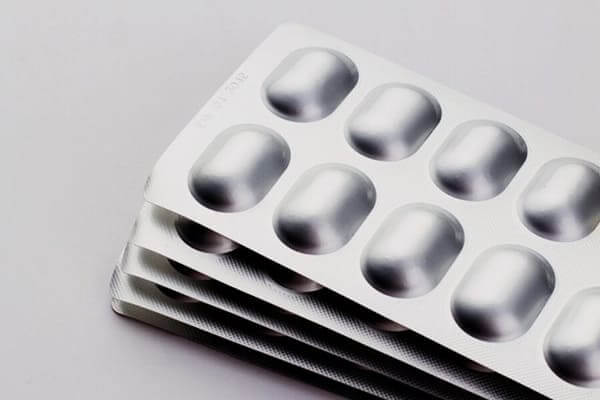
Šios savybės sukuria 8079 O šalto formavimo aliuminio folija – praktiškas pasirinkimas konkrečioms pakuotėms, farmacinių lizdinių plokštelių komponentai, ir specializuota plataus vartojimo prekių pakuotė, kuriai reikalingas tikslumas ir patikimumas.
Pagrindinės savybės 8079 O aliuminio folija
Savybių supratimas 8079 O aliuminio folija padeda pirkėjams ir inžinieriams įvertinti tinkamumą jų pritaikymui.
Toliau pateiktuose sąrašuose apibendrinamos pagrindinės charakteristikos, paprastai susijusios su šiuo lydiniu ir temperamentu, kartu su bendraisiais našumo lūkesčiais įprasto naudojimo scenarijuose.
Lydinys ir temperamentas
Lydinys: 8079 (Al-Mn-Mg sistema su mikroelementais, kad subalansuotų formavimo ir barjero veikimą)
Nuotaika: O (atkaitintas, minkštas)
Formavimosi būklė: Apdorojimas šaltuoju formavimu (kambario temperatūros formavimas su kontroliuojama apdaila)
Mechaninės savybės (tipiniai diapazonai)
Tempimo stiprumas: Žemas ar vidutinio sunkumo (kaip valcuotas O temperamentas)
Derliaus stiprumas: Labai žemas (atitinka atkaitintą būseną)
Pailgėjimas pertraukos metu: Aukštas (atspindintis O temperamento lankstumą)
Formuojamumas: Puikiai tinka sudėtingų 3D geometrijų formavimui kruopščiai kontroliuojant procesą
Atsparumas pradūrimui: Pakanka daugeliui vartotojų pakuočių; didesnis storesnėse folijose, bet vis tiek priklauso nuo gabarito ir atraminės konstrukcijos
Šiluminės ir barjerinės savybės
Šilumos laidumas: Būdingas aliuminiui; tinka terminiam sandarinimui ir šilumos perdavimo operacijoms, naudojamoms kai kuriose pakuotėse
Barjeras: Puiki kliūtis nuo drėgmės, deguonies, ir kvapai praktiškiems pakavimo poreikiams; pagerina naudojant atitinkamą laminatą arba dangą, jei naudojama daugiasluoksnėje struktūroje
Šilumos sandarinimas: Suderinamas su įprastomis pakuotės sandarinimo technologijomis; paviršiaus apdorojimas ir dengimas gali optimizuoti sandariklio vientisumą
Paviršiaus charakteristikos
Paviršiaus apdaila: Paprastai sklandžiai ir nuosekliai, su galimybe apdoroti paviršių (pvz., oksido pasyvavimas, apsauginės dangos) priklausomai nuo klientų poreikių
Spausdinimo ir dangos suderinamumas: Tinka spausdinimo ir nusodinimo procedūroms; paviršiaus paruošimas pagerina dažų ir dangų sukibimą
Atsparumas korozijai
Korozijos veikimas: Tinka tipinei pakavimo aplinkai; atsparumui korozijai įtakos turi legiravimo elementai ir bet kokios naudojamos apsauginės dangos ar laminatai
Matmenų stabilumas
Storio tolerancija: Griežtos leistinos nuokrypos pasiekiamos kontroliuojant riedėjimą ir tikrinimą
Matmenų stabilumas: Tinka sandarinimui ir uždarymui; kruopštus valdymas sumažina susiraukšlėjimo ar krašto deformacijos riziką
Gamybos procesas: 8079 O šalto formavimo aliuminio folija
1) Lydinio luitų sudėtis ir liejimas
– Procesas prasideda nuo aukštos kokybės aliuminio luitų, kurių sudėtis yra pritaikyta 8079 šeima.
– Priemaišų kiekis sumažinamas gryninant ir liejant, nustato nuspėjamo mechaninio elgesio ir atsparumo korozijai pagrindą.
2) Homogenizavimas ir pirminis valcavimas
– Lietos plokštės yra termiškai apdorojamos homogenizaciniu būdu, kad būtų išlygintas legiravimo elementų pasiskirstymas.
– Tada plokštės paruošiamos valcavimui, su paviršiaus valymu ir nuosėdų pašalinimu, jei reikia.
3) Šaltasis valcavimas iki folijos matuoklio
– Plokštės praeina kelis kartus valcavimo staklyne, kad būtų pasiektas tikslinis gabaritas (storis). Procese naudojamas atkaitinimas ir tarpinis aušinimas, kad būtų galima kontroliuoti lankstumą.
– Skirta šalto formavimo darbams, medžiaga išlaikoma tokioje temperatūroje, kuri palaiko reikšmingą formavimąsi be įtrūkimų.
4) Atkaitinimas ir grūdinimas (O nuotaika)
– Po ridenimo, lydinys atkaitinamas, kad būtų pašalintas darbinis sukietėjimas ir atkurtas plastiškumas, pasiekęs O nuotaiką.
– Atkaitinimo atmosfera, temperatūros, ir trukmė yra griežtai reguliuojami, kad būtų užtikrintas vienodas minkštumas ir formavimas.
5) Paviršiaus apdaila ir patikra
– Paviršiai gali būti valomi, oksido pasyvavimas, arba apsauginės dangos, priklausomai nuo kliento reikalavimų.
– Paviršiaus apdaila, storio vienodumas, ir briaunos kokybė tikrinama, su neardomaisiais metodais, naudojamais defektams nustatyti.
6) Pjūvio, apvija, ir pakavimas
– Folija supjaustoma iki kliento nurodyto pločio ir suvyniojama ant šerdies. Transportuojant ir sandėliuojant dedamos apsauginės pakuotės ir drėgmės barjerai.
– Galutinė pakuotė užtikrina, kad folija patektų į naudojimo vietą be įbrėžimų, skylutės, arba teršalų gaudyklės.
7) Kokybės kontrolė ir bandymai
– Įtempimo testai, pailgėjimo bandymai, deguonies / drėgmės barjero bandymas (kai taikoma), ir skylučių patikrinimas yra tipiški kokybės užtikrinimo testai.
– Tiekėjo kokybės užtikrinimas naudoja proceso kontrolę, statistinio proceso kontrolė (SPC), ir standartines darbo procedūras (SOP) siekiant užtikrinti pakartojamumą.
Fizinis ir funkcinis našumas: Formuojamumas, Sandarinimas, ir barjeras
8079 Aliuminio folijos vertė šaltojo formavimo taikymuose atsiranda dėl to, kaip jos fizinės ir funkcinės savybės atitinka gamybos ir pakavimo poreikius.
Formavimas ir geometrija
O temperamento švelnumas leidžia giliai piešti, reljefas, ir sudėtinga geometrija be įtrūkimų.
Armatūros dizainas, tucker įrankiai, ir formavimo greitis turi būti optimizuotas, kad būtų sumažintas briaunų plyšimas ir susiraukšlėjimas.
Sandarinimas ir sukibimas
Pakavimo reikmėms, kurios priklauso nuo karščio sandarinimo, paviršiaus apdaila ir bet kokios dangos turi įtakos sandarinimo stiprumui ir konsistencijai.
Laminatuose arba daugiasluoksnėse konstrukcijose, Sukibimas su polimero sluoksniais arba dangomis yra labai svarbus veiksnys.
Barjeras
Aliuminio folija veiksmingai apsaugo nuo drėgmės, dujos, ir aromatai. Storis ir laminato deriniai lemia galutines pakuotės struktūros barjerines savybes.
Skirta farmacijos ar maisto pakavimui, Norint išsaugoti produkto kokybę ir galiojimo laiką, būtina išlaikyti inertišką barjerą.
Mechaninis vientisumas tvarkymo metu
Folijos lankstumas palaiko formavimo žingsnius, tačiau reikia atsargiai elgtis, kad būtų išvengta raukšlių, skylutės, arba krašto defektai.
Atsparumui pradūrimui įtakos turi storis ir apdorojimas; didesnis storis paprastai užtikrina didesnį atsparumą, tačiau proceso optimizavimas išlieka būtinas plonoms folijoms.
Šiluminis elgesys ir šilumos perdavimas
Didelis aliuminio šilumos laidumas palaiko šilumos perdavimą šilumos sandarinimo procesuose, aušinimo operacijos, arba kitos šiluminės pakopos pakavimo linijose.
Matmenų stabilumas ir nuoseklumas
Matmenų storio ir pločio nuokrypiai yra labai svarbūs patikimam formavimui ir sandarinimui.
Mikrostruktūros nuoseklumas visoje ritėje sumažina vietinio kintamumo riziką, galinčią turėti įtakos spausdinimui arba dangos sukibimui.
Standartai, Sertifikavimas, ir kokybės užtikrinimas
Rangovams ir galutiniams vartotojams, dirbant su 8079 O šalto formavimo aliuminio folija reikalauja pasitikėjimo kokybe ir atsekamumu.
Pirmaujantys tiekėjai įgyvendina išsamias kokybės užtikrinimo programas, įskaitant:
- Žaliavos atsekamumas: Visiškas atsekamumas nuo lydinio ruošinių iki gatavų ritinių, kartu su partijų numeriais ir cheminės sudėties patikra.
- Proceso valdymas: Dokumentuoti slenkantys grafikai, atkaitinimo ciklai, paviršiaus apdailos žingsniai, ir ritės iki ritės nuoseklumo patikrinimai, palaikoma SPC duomenimis.
- Patikrinimai ir bandymai: Reguliarus neardomasis bandymas (NDT) dėl paviršiaus defektų, skylutės, ir krašto kokybė; storio ir pločio matmenų metrologija; mechaninis tempimo ir pailgėjimo bandymas pagal vidinius standartus arba tarptautiniu mastu pripažintus metodus.
- Dangos ir paviršiaus apdorojimas: Jei naudojamos dangos arba laminatai, sukibimo testai, dangos storio matavimai, ir atliekami suderinamumo su rašalu ir dangomis vertinimai.
- Sertifikatai: ISO 9001 kokybės valdymo sistemos, ir idealiu atveju ISO 14001 aplinkosaugos vadybos sertifikatas. Priklausomai nuo programų (pvz., farmacinės pakuotės), tiekėjai taip pat gali taikyti GMP panašią praktiką arba konkretiems produktams skirtus sertifikatus.
PASTABA: Tikslūs standartai ir sertifikatai gali skirtis priklausomai nuo tiekėjo ir regiono. Pirkėjai turėtų paprašyti galiojančio atitikties sertifikato, medžiagų bandymų ataskaitos (Mtrs), ir išsamią kiekvieno užsakymo specifikacijų lapą.

Palyginimai: 8079 O folija, palyginti su kitomis aliuminio folijomis
Padėti pirkimo komandoms pasirinkti tinkamą foliją konkrečiai užduočiai atlikti, naudinga palyginimo lentelė. Toliau pateiktoje lentelėje pateikiama supaprastinta momentinė nuotrauka 8079 O šalto formavimo aliuminio folija, palyginti su kitomis įprastomis 8000 serijos folijomis, naudojamomis pakuojant ir formuojant. Tikslas yra glaustai pabrėžti tipines stipriąsias puses ir kompromisus.
Palyginimo lentelė (tipinės savybės ir pritaikymas)
- Stulpeliai: Lydinys / temperamentas, Tipiškas storio diapazonas, Formuojamumas, Barjeras (Drėgmė/deguonis), Šiluminiai / tempimo aspektai, Bendrosios programos, Žymūs privalumai, Žymūs trūkumai
- Eilutės: 8079 O, 8011 O, 8006 O, 8021 O (kaip pavyzdžiai)
8079 Apie vs 8011 O
– Storio diapazonas: 6-40 µm (8079 O) palyginti su 6–60 µm (8011 O)
– Formuojamumas: Aukštas (8079 O) palyginti su vidutiniu ar aukštu (8011 O, priklausomai nuo storio)
– Barjeras: Puikus abiejuose; 8011 O yra plačiai naudojamas pakuotėse, turinčiose gerą drėgmės barjerą
– Terminis / tempimas: Panašus į švelnų temperamentą; 8011 O gali turėti šiek tiek didesnį stiprumą esant storesniems gabaritams
– Programos: 3D dangteliai, specializuota pakuotė, karšto sandarinimo komponentai prieš gėrimų skardines arba lanksčią pakuotę
– Argumentai "už": Puikus formavimas 8079 O sudėtingoms geometrijoms; švarius formuojančius kraštus
– Minusai: 8011 O gali pasiūlyti platesnį prieinamumą ir sukurtus tiekėjų tinklus
8006 Apie vs 8079 O
– Storio diapazonas: 6-40 µm (8079 O) palyginti su 6–60 µm (8006 O)
– Formuojamumas: Aukšta abiem; 8006 O labai plonuose matuokliuose gali būti šiek tiek standesnis
– Barjeras: Palyginti
– Terminis / tempimas: Panašus; 8006 O gali turėti šiek tiek didesnį standumą
– Programos: Maisto pakuotė, farmaciniai uždoriai (8006 O) palyginti su specializuotais šalto formavimo komponentais (8079 O)
– Argumentai "už": 8006 O turi ilgametę patirtį farmacijos ir maisto pakavimo srityje; 8079 O puikiai tinka giliajam formavimui
– Minusai: 8006 O gali būti mažiau idealus labai smulkioms formavimo savybėms
8079 Apie vs 8021 O
– Storio diapazonas: 6-40 µm (8079 O) palyginti su 6–40 µm (8021 O)
– Formuojamumas: Panašus, Bet 8079 O kai kuriais atvejais gali užtikrinti geresnį giluminio traukimo našumą
– Barjeras: Palyginti
– Programos: Antspaudai, kepurės, ir specializuota geometrija (8021 O plačiai naudojamas pakavimo konstrukcijoms)
– Argumentai "už": Panašus našumas su nedideliu kraštu 8079 O unikalioms formoms
– Minusai: Prieinamumas ir apdorojimo istorija gali būti palanki 8021 O kai kuriuose regionuose
EKO Alūnas: Tiekėjo pristatymas ir galimybės
EKO Alūnas yra aliuminio folijos gaminių gamintoja ir tiekėja, daugiausia dėmesio skirianti 8079 O šalto formavimo aliuminio folija ir panašūs variantai.
Jų vertės pasiūlymas grindžiamas pastovia produktų kokybe, pasaulinis pasiekiamumas, techninė pagalba, ir patikimas tiekimas. Pagrindiniai ECO Alum aspektai apima:
- Produktų asortimentas ir talpa
- 8079 O folija keliuose matuokliuose, pločiai, ir ritės ilgiai, tinkami šaltai formuoti
- Pagalbinės medžiagos ir laminatės pakavimo sistemoms (kai taikoma)
- Lankstumas, kad būtų galima pritaikyti mažų partijų bandymus ir didesnio masto gamybą
- Gamybos galimybės
- Integruotas riedėjimas, atkaitinimas, apdaila, danga, ir pakavimo linijos
- Vykdomos patikros su griežtais storio nuokrypiais, plotis, ir paviršiaus kokybė
- Galimybė pritaikyti paviršiaus apdorojimą, kad būtų pagerintas spausdinamumas ir dangos sukibimas
- Kokybė ir sertifikatai
- ISO 9001 atitinkanti kokybės vadybos sistema su dokumentuotais SOP
- Atsekamumas nuo žaliavos iki galutinio produkto, įskaitant loto lygio MTR
- Galimybė pateikti trečiosios šalies testavimo duomenis pagal pageidavimą (pvz., tempiamas, pailgėjimas, su barjeru susijusių bandymų rezultatai)
- Tvarumas ir tiekimo grandinė
- Įsipareigojimas atsakingam tiekimui, energijos vartojimo efektyvumą, ir atliekų tvarkymas
- Skaidrūs tiekėjų santykiai su aiškiais pristatymo terminais ir gamybos planavimu
- Aplinką tausojanti praktika, atitinkanti klientų ĮSA tikslus
- Klientų aptarnavimas ir aptarnavimas
- Techninės gairės dėl procesų suderinamumo, formavimo parametrai, ir laminavimo strategijos
- Lanksti logistika, įskaitant pristatymą tinkamu laiku ir regioninį platinimą
- Programos pavyzdys, testavimo palaikymas, ir bendradarbiaujant naujų programų kūrimui
Specifikacijos momentinė nuotrauka: Tipiškas 8079 O šalto formavimo aliuminio folija
Toliau pateikiamas tipinis specifikacijų lapas planavimo tikslais. Visada gaukite oficialų medžiagos specifikacijų lapą iš tiekėjo pirkimo ir inžineriniam patvirtinimui.
- Lydinys: 8079
- Nuotaika: O (atkaitintas)
- Matuoklis (storis): 6-40 µm (tipiškas formavimo programų diapazonas)
- Plotis: 200– 1700 mm (tipiškas, priklausomai nuo malūno)
- Paviršiaus apdaila: Poliruotas/šviesus arba matinis, priklausomai nuo apdorojimo; jei reikia, galimas paviršiaus apdorojimas
- Dangos: Pasirenkami apsauginiai sluoksniai arba laminavimas barjerui sustiprinti arba suderinamumui su klijais
- Mechaninės savybės (tipiniai diapazonai):
- Tempimo stiprumas: Žemas (atkaitintas)
- Derliaus stiprumas: Labai žemas (atkaitintas)
- Pailgėjimas: Aukštas (rodo plastiškumą)
- Barjerų savybės: Puikus barjeras drėgmei ir dujoms praktiniam pakavimui; patobulinti arba pritaikyti laminatams
- Šilumos sandarinimo suderinamumas: Tinka standartiniams terminio sandarinimo procesams, kai naudojamas monosluoksnio arba laminato konfigūracijoje
- Paviršiaus apdorojimas: Lengvai suderinamas su spausdinimo dažais ir dangomis; apdaila ir sukibimas priklauso nuo dangos sistemos
- Tolerancijos: Griežtos storio leistinos nuokrypos pasiekiamos tiksliai valcuojant ir QC
- Pakuotė: Ritė nuo drėgmės apsaugotoje pakuotėje; jei reikia, vakuuminiu būdu užsandarinti arba išdžiovinti variantai
- Sertifikatai: ISO 9001; turimos gaminio bandymo ataskaitos; medžiagų atsekamumas
Pramoniniai užrašai:
– Tikslūs skaičiai kiekvienam klientui skiriasi, ritė, ir procesas; paprašykite duomenų lapų ir partijos įrašų, kad patvirtintumėte gaminį jūsų programai.
– Kritiniam medicinos ar farmacijos naudojimui, užtikrinti atitiktį norminiams reikalavimams ir gauti patvirtinamuosius dokumentus iš tiekėjo.
Apdorojimas ir tvarkymas: Praktinės gairės, skirtos 8079 O šalto formavimo aliuminio folija
Formavimo parametrai
Naudokite formavimo įrankius ir štampus, skirtus minkštiems, atkaitinta folija, kad sumažintų krašto plyšimus.
Kontroliuokite formavimo greitį, kad sumažintumėte darbo sukietėjimą ir paviršiaus defektus.
Optimizuokite tepimą ir paviršiaus kontaktą, kad sumažintumėte trintį ir išvengtumėte vietinio įkaitimo.
Spauda ir dengimas
Jei spausdinate 8079 O folija, pasirinkite dažus ir dangas, suderinamas su aliuminiu ir galutine laminato struktūra.
Norint pagerinti sukibimą ir spausdinimo kokybę, gali prireikti išankstinio paviršiaus apdorojimo.
Išbandykite spaudinio sukibimą ir spalvų atsparumą numatomomis aplinkos sąlygomis.
Terminis sandarinimas ir laminavimas
Termiškai sandarioms sąrankoms, sukalibruokite sandarinimo temperatūrą ir laikymo laiką, kad nepažeistumėte folijos.
Laminatuose, įsitikinkite, kad klijų sistema yra suderinama su aliuminio ir bet kokiais polimero sluoksniais.
Patvirtinkite siūlės vientisumą įprastomis laikymo sąlygomis ir gaminio naudojimo scenarijais.
Sandėliavimas ir tvarkymas
Laikykite toliau nuo korozinės aplinkos ir didelės drėgmės; iki naudojimo ritinius laikykite originalioje pakuotėje.
Venkite mechaninio naudojimo, nes gali būti pažeisti kraštai arba susiglamžyti.
Įdiekite apsaugines tvarkymo procedūras, kad išlaikytumėte paviršiaus kokybę ir matmenų stabilumą.
Kokybės kontrolė pirkimo metu
Prašyti gaunamų patikrinimo duomenų, įskaitant storią, pločio vienodumas, ir paviršiaus būklę.
Patvirtinkite, kad tiekėjas pateikia partijos lygio MTR ir tinkamumo galutiniam naudojimui dokumentus.
Apsvarstykite pirminius bandomuosius paleidimus, kad patvirtintumėte formavimo našumą ir sandarinimo vientisumą prieš padidindami mastelį.
Saugumas ir atitiktis
Laikykitės standartinių darbo saugos nurodymų tvarkydami metalinę foliją, kad išvengtumėte įpjovimų ir sužalojimų.
Užtikrinkite, kad jūsų konkrečioje rinkoje būtų laikomasi aplinkosaugos ir reguliavimo reikalavimų (perdirbimas, šalinimas, ir atliekų tvarkymas).
DUK Apie 8079 O šalto formavimo aliuminio folija
Kas yra 8079 O aliuminio folija?
8079 yra 8000 serijos aliuminio lydinys. O temperamentas reiškia atkaitintą, minkštos būklės. Kai naudojamas šalto formavimo reikmėms, folija apdorojama taip, kad išliktų aukštas lankstumas, tinkamas formuoti sudėtingas formas.
Ką daro “šaltas formavimas” reiškia aliuminio folijos gamyboje?
Šaltasis formavimas reiškia folijos formavimą ir formavimą kambario temperatūroje, be karšto darbo. Procesas priklauso nuo folijos lankstumo, kad būtų pasiekta sudėtinga geometrija, išlaikant barjero veikimą.
Kam skirtos tipinės programos 8079 O šalto formavimo aliuminio folija?
Taikymas apima pakuočių dangtelius ir uždarymus, specializuoti pakuotės komponentai, kuriuos reikia tiksliai suformuoti, ir kitos gaminių pakuotės, kuriose labai svarbūs griežti leistini nuokrypiai ir tvirtas barjeras.
Į kokias pagrindines savybes reikia atsižvelgti renkantis 8079 O folija?
Formuojamumas (plastiškumas ir krašto kokybė), storio ir pločio tolerancijos, barjero veikimas, šilumos sandarinimo suderinamumas, spausdinamumas ir dangos suderinamumas, ir suderinamumas su tiksline laminato arba pakavimo sistema.
Kaip ECO Alum padeda ieškantiems klientams 8079 O šalto formavimo aliuminio folija?
ECO Alum užtikrina produkto prieinamumą, techninės gairės, mėginio testavimas, ir tiekimo grandinės paslaugas. Jie pabrėžia atsekamumą, QA, ir klientų aptarnavimas konkrečioms programoms.
Kaip turėčiau patvirtinti tiekėją 8079 O folija?
Įvertinkite technines specifikacijas, peržiūrėti medžiagų bandymų ataskaitas (Mtrs), prašyti pavyzdinių ritinių formavimo testui, patikrinti sertifikatus (pvz., ISO 9001), ir patvirtinkite pristatymo laiką, logistika, ir pagalba po pardavimo.
Gali 8079 O folija gali būti naudojama daugiasluoksnėje pakuotėje?
Taip. Daugelyje pakavimo sistemų, aliuminio folija veikia kaip barjerinis sluoksnis laminatuose arba daugiasluoksnėse struktūrose. Folijos suderinamumas su klijais, polimerai, rašalai, ir dangos yra labai svarbios bendram pakuotės veikimui.
Išvada
8079 O šalto formavimo aliuminio folija yra specializuota medžiagų parinktis, derinanti išskirtinį formavimą ir patikimas barjerines savybes, todėl jis puikiai tinka sudėtingoms pakuočių geometrijoms ir tikslumo bei nuoseklumo reikalaujantiems tikslams.
Renkantis šią foliją, pirkėjai turėtų atsižvelgti į visą pakavimo sistemą, įskaitant laminatus, dangos, rašalai, ir sandarinimo technologijas.
The 8079 O temperamento lankstumas leidžia suformuoti sudėtingas formas, o aliuminio pagrindas užtikrina tvirtą barjerą ir suderinamumą su daugybe tolesnių procesų.
Tiekėjų partneriai, tokie kaip ECO Alum, suteikia papildomos vertės, nes turi specialių gamybos galimybių, kokybės užtikrinimas, ir tiekimo grandinės patikimumą.
Suteikdami atsekamumą, testavimo duomenis, ir technines gaires, šie tiekėjai padeda klientams drąsiai pereiti nuo koncepcijos prie patvirtintų produktų.
Inžinieriams ir pirkimų komandoms, struktūrinis vertinimas, suderinantis folijos savybes su proceso reikalavimais, paremtas bandomaisiais bandymais ir laboratoriniais bandymais, padeda užtikrinti, kad 8079 O šalto formavimo aliuminio folija užtikrina laukiamą našumą realioje pakavimo aplinkoje.
Rinkoms evoliucionuojant link sudėtingesnių pakavimo sprendimų, 8079 O šalto formavimo aliuminio folija siūlo praktišką formavimo derinį, barjero veikimas, ir suderinamumas su šiuolaikinėmis gamybos linijomis.
Kruopštus medžiagų pasirinkimas, proceso optimizavimas, ir tiekėjų bendradarbiavimas, ši folija gali būti kertinis aukštos kokybės pakuočių ir gaminių apsaugos akmuo įvairiose pramonės šakose.