The Ultimate Encyclopedia of 1050 Aluminiumsplate : Dybdeanalyse fra metallurgi til praktisk anvendelse

The Ultimate Encyclopedia of 1050 Aluminiumsplate (Kommersielt rent aluminium): Dybdeanalyse fra metallurgi til praktisk anvendelse
jeg. Oversikt og materialplassering
1050 Aluminiumsplatetilhører 1xxx-serien aluminiumslegeringer. I henhold til internasjonale navnekonvensjoner, det representerer et kommersielt rent aluminium med et aluminiuminnhold på ikke mindre enn 99.5%. Det er vanligvis betegnet som 1050i den kinesiske nasjonale standarden (GB/t), mens i europeiske standarder (I), det blir ofte referert til som AW-1050A (EN AW-Al99.5)med numerisk betegnelse 3.0255. Det er også registrert standardkarakter i Aluminiumforeningen (AA) standarder.
Som en Ikke-varmebehandlelig legering, kjerneverdien av 1050 ligger ikke i dens mekaniske styrke, men heller i sitt ekstrem kjemisk stabilitetog Fysiske egenskaper? (Elektrisk konduktivitet, Termisk konduktivitet, og refleksjonsevne). Den spiller rollen som en “grunnlagsmateriale” innenfor aluminiumslegeringsfamilien, analogt med bløtt stål (f.eks., Q235) i stålindustrien. Dens modne produksjonsprosess og lave støpe-/valsekostnader gjør den til et hjørnesteinsmateriale for tilkoblinger, ledning, antikorrosjon, og dype stemplingsapplikasjoner.
🔍 Dybdetolkning:
- Hvorfor velge 1050 over 1060?Mens 1060 har høyere renhet (99.6%), 1050 gir en bedre balanse mellom styrke og formbarhet, og er vanligvis mer kostnadskonkurransedyktig.
- Hva gjør “ikke varmebehandles” bety?Det betyr at du ikke kan øke hardheten gjennom bråkjøling og aldring slik du ville gjort med 6061-T6. Dens styrke kan bare økes gjennom kaldarbeid (Rullende, tegning).
II. Metallurgiske egenskaper og mikromekanismer
1. Krystallstruktur og duktilitet
1050 aluminium har en Ansiktssentrert kubikk (FCC)krystallstruktur. Denne strukturen gir materialet ekstremt høy seighet og duktilitet, og det er ikke utsatt for sprø overganger selv i lavtemperaturmiljøer (som flytende nitrogentemperaturer), i motsetning til enkelte stål som lider av kald sprøhet. Det er derfor 1050 er svært egnet for foringer i kryogent utstyr (f.eks., LNG-skip).
2. Selvhelbredende oksidfilm
Rent aluminium reagerer øyeblikkelig med oksygen i luften for å danne et tett lag av y-Al203 (korund) filmca 2-10 nanometer tykk. Denne filmen er ekstremt kompakt og forhindrer ytterligere oksidasjon av det indre metallet. Hvis overflaten er riper, en ny oksidfilm dannes umiddelbart ved eksponering for luft eller vann. Dette er den grunnleggende årsaken til dens langt overlegne korrosjonsbestandighet sammenlignet med vanlig karbonstål.
III. Detaljert kjemisk sammensetning (Masseprosent %)
Nøyaktig kjemisk sammensetning er nøkkelen til å bestemme ytelsen til 1050. Selv spor av urenheter kan påvirke konduktiviteten og prosessytelsen betydelig.
| Element | Symbol | Innhold (%) | Funksjon og effekt |
|---|---|---|---|
| Aluminium? | Al? | ≥ 99.50? | Matriseelement, bestemmer høy ledningsevne, Termisk konduktivitet, og korrosjonsbestandighet. |
| Stryke | Fe | ≤ 0.40 | Den vanligste urenheten. Jern har svært lav løselighet i aluminium og danner nållignende jernrike faser, noe reduserer plastisiteten og korrosjonsbestandigheten, men øker styrken. |
| Silisium | Og | ≤ 0.25 | Eksisterer ofte sammen med jern. Moderat silisium kan forbedre støpeytelsen, men for store mengder i rent aluminium reduserer duktiliteten. |
| Kopper | Cu | ≤ 0.05 | Urenhetselement. Kobber øker styrken betydelig, men reduserer korrosjonsmotstanden drastisk (spesielt intergranulær korrosjon) og konduktivitet. |
| Mangan | Mn | ≤ 0.05 | Spor tilstedeværelse, minimal innvirkning på eiendommene. |
| Magnesium | Mg | ≤ 0.05 | Spor tilstedeværelse. |
| Sink | Zn | ≤ 0.05 | Spor tilstedeværelse, generelt sett som en ufarlig urenhet. |
| Titan | Av | ≤ 0.03 | Noen ganger tilsatt som kornforedler, bidrar til å foredle korn og forbedre kvaliteten på bearbeidingsoverflaten. |
| Andre | – | ≤ 0.03 (hver) | Strengt kontrollert for å sikre egenskapene til rent aluminium. |
IV. Tempereringsdetaljer og mekanisk eiendomsspektrum
Egenskapene til 1050 aluminiumsplate varierer sterkt med sin “temperament.” Temperament bestemmes av kombinasjonen av glødingog kaldarbeid.
1. Tempereringsdefinisjon og aktuelle scenarier
| Temperament | Fullt navn & Prosessbeskrivelse | Hardhetsnivå | Anbefalte applikasjonsscenarier |
|---|---|---|---|
| O? | Annealed? | ⭐ (Mykeste) | Ekstrem dyptegning: Slik som kokekarkropper, lampekopp som strekker seg. Beste plastisitet, laveste styrke. |
| H111? | Silherdet? | ⭐⭐ | Generell forming: Litt sterkere enn O-temperering, beholder det meste av plastisiteten. |
| H12 / H22? | 1/4 Hard? | ⭐⭐⭐ | Grunn stempling/bøying: Deler som krever en viss formbevaringsevne. |
| H14 / H24? | Halv hardt? | ⭐⭐⭐⭐ | Generelt platemetall: De mest vanligtemperament i markedet. Egnet for bøying, Rullende, og grunn tegning. |
| H16 / H26? | 3/4 Hard? | ⭐⭐⭐⭐⭐ | Strukturelle deler: Krever høyere styrke, deler med liten deformasjon. |
| H18 / H28? | Full hard? | ⭐⭐⭐⭐⭐⭐ | Krav til stivhet: Som navneskilt, pakninger; i utgangspunktet ingen ytterligere plastbehandling. |
(Note: H2x-temperering refererer til materialer som er strekkherdet utover målhardheten og deretter delvis glødet. Deres flakingmotstand og seighet er vanligvis bedre enn H1x-tempereringer på samme nivå.)
2. Detaljert datablad for mekanisk eiendom
| Ytelsesindikator | O temperament (Annealed) | H14 Temperasjon (Halv hardt) | H18 Temperasjon (Full hard) | Teststandard |
|---|---|---|---|---|
| Strekkstyrke (Rm)? | 60 – 100 MPa | 105 – 145 MPa? | 160 – 200 MPa | GB/t 228 |
| Bevis styrke (Rp0,2)? | ≥ 20 MPa | ≥ 85 MPa | ≥ 140 MPa | GB/t 228 |
| Forlengelse (A50 mm)? | ≥ 30% | ≥ 12% | ≥ 6% | GB/t 228 |
| Brinell Hardness (HBW)? | 17 – 23 | 32 – 38 | 45 – 55 | GB/t 231 |
| Skjærstyrke? | ~ 40 MPa | ~ 70 MPa | ~ 95 MPa | – |
V. Parametre for fysiske egenskaper (Ytelse ved høye og lave temperaturer)
| Fysisk eiendom | Verdi | Teknisk betydning |
|---|---|---|
| Tetthet (20° C.)? | 2.71 g/cm³ | Førstevalg for lett design, vekt er bare 30% av kobber. |
| Smelteområde? | 646 – 657 ° C. | Enkel å støpe og omsmelte for resirkulering. |
| Termisk konduktivitet (20° C.)? | 222 W/(m·K)? | Ekstremt høy varmeavledningseffektivitet, 3-5 ganger stål. |
| Elektrisk konduktivitet? | 61.0 % IACS? | Nest etter kobber, ideell for høyspentoverføring og samleskinner. |
| Koeffisient for termisk ekspansjon (20-100° C.) | 23.8 × 10⁻⁶ /K | En variabel som må vurderes ved utforming av oppvarmede komponenter. |
| Spesifikk varmekapasitet? | 900 J/(kg·K) | – |
| Elastisk modul (Youngs modul)? | 69 – 71 GPA | Grunnleggende data for kraft-deformasjonsberegninger. |
| Poissons forhold? | 0.33 | – |
VI. Deep Processing and Manufacturing Guide
På grunn av “myk, men tøff” naturen til 1050 aluminium, spesielle strategier må vedtas under behandlingen:
1. Maskinering
- Utfordring: Ekstremt utsatt for å generere en Oppbygd kant (BUE), fører til ru overflater, og spon har en tendens til å vikle seg rundt verktøyet.
- Mottiltak:
- Bruk høyhastighetsstål eller karbidverktøy med store skråvinkler og skarpe skjærekanter.
- Øk skjærehastigheten og reduser matehastigheten.
- Må bruke spesialisert skjærevæske av aluminiumslegeringfor sterk kjøling og smøring.
2. Sveising
- Fordel: Utmerket sveisbarhet, ingen crack-tendens.
- Anbefalt prosess: TIG (Wolfram inert gass) sveisinger den vanligste, produsere vakre og tette sveiser; MEG (Metall inert gass) sveising kan også brukes til automatisert produksjon.
- Note: Sveisetråd bruker vanligvis ER1100 eller ER4043. Etter sveising, sveisen og varmepåvirket sone vil myke opp (tilbake til en tilstand nær O temperament).
3. Forming
- Bøyning: Minste bøyeradius anbefalt for H14-temperering er 1.0t – 1.5t? (t = platetykkelse). O temperament kan oppnå 0t dødbøyning.
- Dyptegning: 1050-O er et utmerket materiale for å lage aluminiumsgryter og flaskekorker, tillater store tegningsforhold.
4. Overflatebehandling
- Anodisering: Selv om den rene aluminiumoksidfilmen har høy gjennomsiktighet og god adsorpsjon, dens slitestyrke er dårligere enn legeringer som 6061 på grunn av mangel på legeringselementer. Det brukes ofte til speilreflektorplater etter kjemisk polering.
- Belegg: Fester ekstremt godt til maling og pulverlakk.
VII. Dybdeanalyse av industriapplikasjoner
| Industrisektoren | Spesifikke applikasjonseksempler | Materialvalg Grunn |
|---|---|---|
| Makt & Elektrisk? | Transformatorviklinger, busskanaler, kondensatorhus, fleksible litiumbatterier | Høy ledningsevne, lav tetthet, lav kostnad. |
| Termisk styring? | CPU heatsink finner, LED-gatelyshus, AC varmevekslere, dampkamre | Ultra høy varmeledningsevne, enkel å bearbeide til komplekse kjølestrukturer. |
| Kjemisk anti-korrosjon? | Lagringstanker for konsentrert salpetersyre, farmasøytiske reaktorforinger, syretransportrør | Ekstremt sterk korrosjonsbestandighet i oksiderende medier og forblir duktil ved lave temperaturer. |
| Arkitektur & Dekorasjon? | Tak i aluminium, gardinvegg komposittpanelkjerner, takpaneler, persienner | God værmotstand, lett å rulle frakk, lett å forme. |
| Belysningsindustrien? | Reflekser for gatelys, spotlight reflektor kopper, frontlysreflektorer for biler | Refleksjonsevne for synlig lys > 85%, utmerket optisk ytelse. |
| Mat & Kokekar? | Ikke-klebende panneunderlag, aluminiumsdampere, matemballasjefolie, lunsjboksformer | Ikke giftig, luktfri, lett å rengjøre, rask varmeledning. |
| Printing & Platefremstilling? | PS platebunn, CTP platebase | God dimensjonsstabilitet, god blekkaffinitet etter overflatebehandling. |
VIII. Konkurrent sammenligning: 1050 vs 1060 vs 1100 vs 3003
For å hjelpe til med bedre materialvalg, her er en detaljert sammenligning av 1050 med vanlige lignende materialer:
| Karakteristisk | 1050 (Al99,5)? | 1060 (Al99,6)? | 1100 (Al99,0)? | 3003 (Al-Mn)? |
|---|---|---|---|---|
| Aluminiumsrenhet? | 99.5% | 99.6%? | 99.0% | 96.7% (Balanse Mn) |
| Konduktivitet/termisk kond.? | Glimrende | Optimal? | God | Medium |
| Korrosjonsbestandighet? | Glimrende | Glimrende | Glimrende | God |
| Styrke? | Lav | Lav | Middels-Lav | Medium (20% høyere enn 1050)? |
| Pris? | Økonomisk? | Litt høyere | Medium | Medium |
| Omfattende evaluering? | Kongen av kostnadseffektivitet, egnet for de fleste generelle scenarier. | Egnet for steder med ekstreme krav til ledningsevne/varmeavledning. | Egnet for generelle deler som krever litt mer styrke. | Egnet for konstruksjonsdeler som krever både rustbeskyttelse og viss styrke. |
IX. Emballasje, Lagring, og inspeksjonsstandarder
1. Standard emballasje
For å forhindre misfarging av overflateoksidasjon eller riper på rent aluminium, vanlig eksportemballasje inkluderer vanligvis:
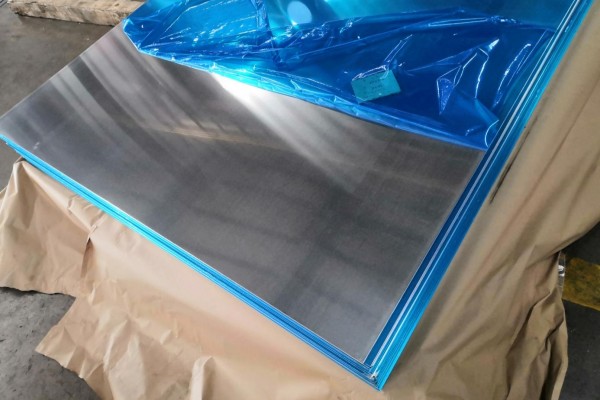
- Indre lag: Individuelle ark atskilt med PE blue filmeller nøytralt kraftpapir.
- Mellomlag: Hele bunken med ark er tett pakket med fuktsikkert papir? + plast boblefilm.
- Ytre lag: Plassert på en gassfri pall, festet med stålbånd, og dekket utvendig med en bølgepappeller kryssfinerkasse.
2. Oppbevaringsanbefalinger
- Bør oppbevares på et innendørs lager som er tørt, ventilert, og fri for syre/alkali-tåke.
- Unngå direkte kontakt med bakken; bruk treputer for å heve materialet.
3. Inspeksjonspunkter
- Dimensjonstoleranse: Sjekk om tykkelsen samsvarer med GB/T 3880 eller en 485 standarder.
- Mekaniske egenskaper: Stikksjekk hardheten eller be om et mølletestsertifikat (MTC).
- Overflatekvalitet: Ingen sprekker, oljeflekker, alvorlige riper, eller rullemerker.
Q&EN
Q1: Kan 1050 aluminiumsplate brukes til skipsdekk eller konstruksjonsdeler i sjøvannsmiljøer?
EN:? Absolutt ikke anbefalt.Skjønt 1050 motstår atmosfærisk korrosjon, den er veldig følsom for kloridioner (Cl⁻). Sjøvann er rikt på klorider, som kan forårsake gropkorrosjon og sprekkkorrosjon, raskt penetrerende tynne ark. Marine miljøer bør bruke 5xxx-serien (f.eks., 5052, 5083) Al-Mg legeringer, som har utmerket motstand mot sjøvann.
Q2: Hvorfor tempererer H14 1050 aluminiumsplate sprekker lett under bøying?
EN:Det kan være tre grunner:
- Bøyeradius for liten: Selv om H14 er halvhard, den må fortsatt følge minimum bøyeradius (vanligvis anbefalt 1,0t~1,5t, hvor t er platetykkelse); for liten R-vinkel vil føre til riving på yttersiden.
- Kornretning (Anisotropi): Aluminiumsplater har en fiberstrømningsretning under rulling. Bøybarheten er best hvis bøyelinjen er vinkelrett på rulleretningen; det er mer sannsynlig at den sprekker hvis den er parallell med rulleretningen.
- Materielle urenheter: Hvis jern- og silisiumurenheter er ved den øvre grensen, eller hvis kornstørrelsen er grov, plastisiteten vil også avta.
Q3: Kan 1050 gjennomgå hard anodisering?
EN:? Vanskelig og anbefales ikke.Hard anodisering krever vanligvis tilstedeværelse av elementer som magnesium og silisium (f.eks., 6061) for å støtte hardheten og vedheften til den tykke oksidfilmen. Oksydfilmen generert av rent aluminium 1050 er relativt myk og vanskelig å danne en tykk film (vanligvis <25μm), og dens hardhet og slitestyrke er langt fra å møte harde anodiseringsstandarder.
Q4: Hvorfor gjør det 1050 aluminiumsplater blir noen ganger svarte eller utvikler hvite flekker etter å ha vært lagret i en periode?
EN:Dette skyldes vanligvis dårlig emballasje.
- Hvite flekker: Vanligvis vannflekker eller alkaliske rester. Fuktighet fanget mellom arkene kan ikke fordampe, forårsaker lokal korrosjon.
- Svartning: Eventuelt oljeoksidasjon eller kontakt med gummi/sulfidfrigjørende plast. Bruk alltid nøytralt emballasjemateriale og sørg for at lageret er tørt og ventilert.
Q5: Er det stor prisforskjell mellom 1050 og 1060? Hvor skiller det seg hovedsakelig?
EN:Prisforskjellen per tonn er vanligvis noen hundre RMB. Forskjellene ligger hovedsakelig i:
- Råvarekostnad: 1060 krever høyere renhet aluminiumsblokker, og krav til gjenvinning av skrap er strengere.
- Prosesskontroll: Produserer 99.6% ren aluminiumsplate krever finere urenhetskontrollprosesser enn 99.5%.
- Søknadsutmerkelse: Dersom kravet til konduktivitet ikke er ekstremt kritisk (f.eks., vanlige kjøleribber vs. ultrahøyspent samleskinner), 1050 gir bedre kostnadseffektivitet.
Q6: Hva skal jeg gjøre hvis styrken til 1050 aluminiumsplate avtar etter sveising?
EN:Dette er et normalt fenomen (utglødningseffekt). Buevarme gjør at den kaldarbeidende herdeeffekten i sveisen og varmepåvirket sone forsvinner, tilbake til en myk tilstand nær O temperament. Hvis strukturen krever styrke, de tverrsnittstykkelse ved sveisen bør økesunder design for å kompensere for styrketapet, eller vurder å bruke mekaniske tilkoblingsmetoder som nagling eller liming i stedet for sveising.
Sammendrag
1050 Aluminiumsplateer mer enn bare et stykke metall; det er en rimelig løsning for ledning, varmeavledning, og anti-korrosjonkrav i moderne industri. Den ofrer høy styrke i bytte for enestående behandlingstoleranse og kjemisk stabilitet. Enten du designer en LED-armatur som krever effektiv varmeavledning, søker etter et materiale for syre-alkali-bestandige kjemikaliebeholdere, eller trenger å stemple komplekse maskinvaredeler i store mengder, 1050 Aluminiumsplateer din foretrukne “trygt bud” og “økonomisk valg.”