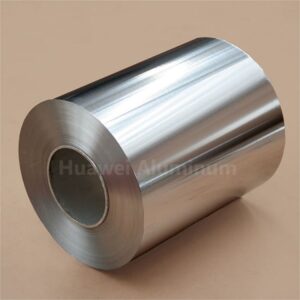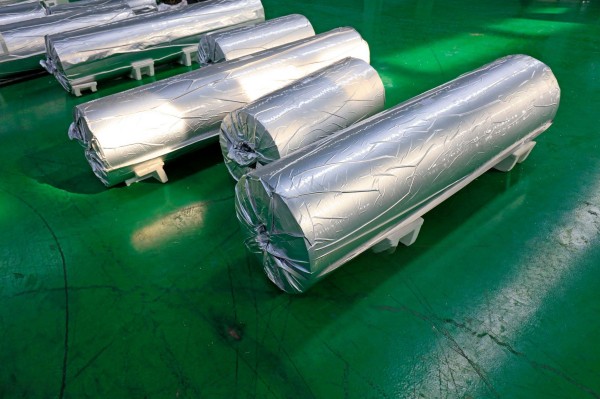


Cápsula & Folha de alumínio estirada profundamente para tablet


Cápsula & Folha de alumínio estirada profundamente para tablet
Nas modernas indústrias farmacêuticas e nutracêuticas, estabilidade e segurança do produto são fundamentais. Da linha de produção às mãos do paciente, medicamentos devem atravessar o tempo, distância, e vários desafios ambientais. Nesta jornada, a embalagem não é apenas um recipiente, mas a primeira e mais crítica linha de defesa. Folha de alumínio repuxada, especificamente Cápsula & Folha de alumínio estirada profundamente para tablet, é o material central desta linha de defesa. Com suas propriedades de barreira incomparáveis, precisão de formação, e segurança, tornou-se a escolha preferida para embalagens de alto valor, medicamentos altamente sensíveis. Este artigo fornece uma análise aprofundada deste material crucial.
1. Compreendendo a folha de alumínio trefilada profunda – Definição, Estrutura, e aplicativos principais
O que é folha de alumínio repuxada?
A folha de alumínio repuxada é um material de embalagem formado através de um “Desenho profundo” processo. Ao contrário da gravação em relevo comum ou do desenho raso, “Desenho profundo” refere-se ao estiramento e deformação de uma folha plana de alumínio sob pressão da matriz em cavidades ou reentrâncias relativamente profundas, onde a profundidade é normalmente maior que o diâmetro da abertura. Este processo exige que a matéria-prima possua excelente ductilidade, flexibilidade, e resistência à tração.
Estrutura Típica da Cápsula & Folha de alumínio estirada profundamente para tablet
A folha de alumínio estampada usada para blisters farmacêuticos é normalmente um material compósito com um clássico “coextrusão de três camadas” ou “laminado multicamadas” estrutura:
- Camada Externa (Camada de Suporte): Usualmente 20-40 folha de alumínio rígida de mícron, proporcionando resistência estrutural, rigidez, e servindo como superfície de impressão.
- Camada intermediária (Camada de Polímero): Como PVC, Pp, BICHO DE ESTIMAÇÃO, ou Aclar® (policlorotrifluoroetileno). Esta camada fornece propriedades de barreira primária e conformabilidade, determinar a transparência e rigidez da bolha.
- Camada Interna (Camada de vedação): A camada em contato direto com a droga, geralmente um revestimento de vedação térmica (por exemplo., Resina de ionômero Surlyn, Pp, ou PE especializado). Sua composição deve ser compatível com o medicamento e permitir rápida, vedação forte em baixas temperaturas, garantindo fácil destacabilidade.
Mesa 1: Tipos comuns de estrutura de folha de alumínio repuxada e suas características
| Tipo de Estrutura | Composição Típica | Principais recursos | Tipos de medicamentos adequados |
|---|---|---|---|
| Camada rígida de alumínio/PVC/vedação térmica | Alu/PVC/Surlyn | Custo-beneficio, boa barreira de umidade, alta transparência | Comprimidos convencionais, cápsulas |
| Camada Rígida de Alu/PP/Selagem Térmica | Alu/PP/Surlyn | Maior inércia química, barreira de vapor de umidade superior, adequado para medicamentos sensíveis | Medicamentos sensíveis à umidade, nutracêuticos |
| Camada Rígida de Alu/PET/Selagem Térmica | Alu/PET/Surlyn | Excelente barreira de oxigênio, alta rigidez, aparência premium | Medicamentos sensíveis ao oxigênio (por exemplo., vitaminas) |
| Estrutura de barreira ultra-alta | Alu/Aclar®/Surlyn | Barreira definitiva contra umidade e oxigênio (MVTR pode estar abaixo 0.001 g/m²/dia) | Produtos biológicos ultrassensíveis, medicamentos inovadores de alto valor |
Cenários de aplicativos principais
- Alternativa de frasco: Para embalagem de pós liofilizados de dose única, soluções orais, ou vacinas, fornecendo uma solução de embalagem estéril pronta para uso.
- Formas farmacêuticas sólidas orais de alto valor: Como terapias direcionadas à oncologia, drogas hormonais, produtos biotecnológicos, exigindo proteção máxima contra umidade e oxidação.
- Embalagem de dose unitária: Garante a precisão da dosagem, especialmente adequado para pacientes idosos ou que necessitam de dosagem precisa.
- Viagem & Pacotes de amostras: Fornece compacto, portátil, e embalagens altamente protetoras para nutracêuticos ou medicamentos OTC.

2. Seleção de grau de liga: A base de desempenho da folha de alumínio repuxada
Ao focar na estrutura composta multicamadas de Cápsula & Folha de alumínio estirada profundamente para tablet, a escolha da base do núcleo – o grau da liga base da folha de alumínio – é fundamental para determinar a conformabilidade do produto final, força mecânica, e confiabilidade da barreira. Folhas de alumínio com diferentes composições de liga apresentam diferenças significativas no desempenho de estampagem profunda, resistência à tracção, alongamento, e características de superfície, impactando diretamente a profundidade de formação da bolha, uniformidade da espessura da parede, e integridade máxima da embalagem.
O grau de liga da folha de alumínio é determinado principalmente pela pureza do alumínio e pelo conteúdo de outros oligoelementos (como ferro, silício, manganês, cobre). Para folhas estampadas farmacêuticas, os principais requisitos são pureza extremamente alta, excelente ductilidade, e propriedades mecânicas estáveis. Maior pureza geralmente resulta em mais suave, folha mais moldável, mas potencialmente menor resistência; a adição cuidadosa de certos elementos pode aumentar a resistência e a resistência, mas deve ser equilibrado para evitar rachaduras durante a formação.
Mesa 2: Classes de liga de base de folha de alumínio estampada profunda farmacêutica comum e suas propriedades
| Grau de liga | Conteúdo de alumínio (Típico) | Características principais & Vantagens | Aplicações típicas em embalagens profundas de cápsulas/comprimidos |
|---|---|---|---|
| 1235 | ≥ 99.35% | Pureza extremamente alta, excelente ductilidade e flexibilidade, desempenho superior de formação e processamento, alto acabamento superficial. | Ideal para folha de alumínio repuxadaembalagens que exigem profundidade de conformação muito alta e formatos complexos; uma escolha comum para blisters farmacêuticos de alto padrão. |
| 8011 | ~ 98.7% | Contém elementos adicionais como Fe, E. Oferece bom desempenho de estampagem profunda e maior resistência, boa resistência à flacidez, econômico. | Material preferido para uso geral Cápsula & Folha de alumínio estirada profundamente para tablet, balanceamento de conformabilidade, força, e custo. Amplamente utilizado. |
| 8079 | ~ 98.7% | Semelhante a 8011 mas com composição otimizada. Fornece melhor resistência à corrosão e excelente controle de pinhole, garantindo propriedades de barreira mais confiáveis. | Particularmente adequado para embalagens de medicamentos de alto valor com requisitos extremos de barreira contra umidade/oxigênio ou para medicamentos com conteúdo levemente corrosivo. |
| 1100 | ≥ 99.0% | Alumínio puro comercial. Boa formabilidade, força moderada, excelente resistência à corrosão, e condutividade térmica/elétrica. | Adequado para vários cenários de embalagens farmacêuticas de desenho de média profundidade; uma opção confiável e bem equilibrada. |
| 1050 | ≥ 99.5% | Alumínio puro industrial. Pureza muito alta, relativamente macio, excelente conformabilidade, mas comparativamente menor resistência. | Frequentemente usado para blisters de formato especial que exigem taxas de estiramento muito altas, mas não resistência à compressão geral extrema. |
Considerações sobre seleção:
A escolha do tipo de liga correto deve ser integrada ao blister estampagem profundaprojeto de molde, profundidade de formação (taxa de empate), e condições subsequentes de enchimento e transporte. Por exemplo, bolhas que requerem cavidades muito profundas e formatos complexos podem priorizar ligas altamente dúcteis como 1235 ou 1050. Para blisters que precisam suportar pressão externa ou tração em alta velocidade em linhas de embalagem automatizadas, ligas como 8011 ou 8079, com sua maior força, tornar-se uma escolha mais robusta. Profissional folha de alumínio repuxadafornecedores, tal como Eco Alúmen, Ltd, podemos recomendar o tipo de liga mais adequado com base no processo específico do cliente e nos requisitos do produto e garantir que o substrato da folha esteja na têmpera recozida ideal (O-temperamento) para maximizar seu potencial de estampagem profunda.
3. Por que escolher folha de alumínio? – Vantagens esmagadoras vs.. Plástico & Vidro
Ao selecionar materiais de embalagem primária, engenheiros normalmente avaliam opções entre vidro, plástico, e alumínio. Para embalagens repuxadas, folha de alumíniodemonstra suas vantagens compostas exclusivas.
Mesa 3: Folha de alumínio trefilada vs.. Blister de plástico tradicional vs.. Frasco de vidro
| Métrica de desempenho | Folha de alumínio repuxada | Plástico Tradicional (PVC/PVDC) Bolha | Frasco de vidro |
|---|---|---|---|
| Barreira de vapor de umidade | Excelente (quase zero) | Justo para bom | Bom (mas a rolha pode permear) |
| Barreira de oxigênio | Excelente | Pobre a razoável | Bom |
| Proteção contra luz | Completo (opaco) | Parcial, requer agentes bloqueadores de luz | Transparente, requer vidro âmbar |
| Força mecânica | Alto (resistente a perfurações, protege o conteúdo) | Relativamente baixo (facilmente esmagado) | Alto, mas frágil |
| Peso & Portabilidade | Muito leve, Perfil plano | Luz | Pesado, Volumoso |
| Formando & Eficiência de enchimento | Alto (adequado para automação de alta velocidade) | Alto | Relativamente mais baixo (requer lavagem, esterilização) |
| Conveniência pós-processamento | Pode ser esterilizado diretamente (vapor, Alinhar) | Limitado | Pode ser autoclavado |
| Reciclabilidade | Complexo (requer separação de camadas) | Simples (material único) | Simples |
Análise aprofundada das principais vantagens da folha de alumínio:
- Propriedades de barreira incomparáveis: O próprio metal de alumínio é uma barreira perfeita ao vapor de umidade, oxigênio, luz, e microorganismos. Isso permite Cápsula & Folha de alumínio estirada profundamente para tabletpara fornecer proteção de alto nível para drogas, prolongando significativamente a vida útil.
- Excelente formabilidade e integridade de vedação: A ductilidade da folha de alumínio de alta qualidade permite que ela seja estampada em formas complexas, cavidades precisas que se adaptam perfeitamente ao formato de cápsulas ou comprimidos, reduzindo o headspace e, portanto, o oxigênio residual. A resistência da vedação térmica com o material da tampa (geralmente folha de alumínio semelhante ou filme destacável) é alto, criando linhas de vedação robustas que garantem que cada unidade de blister seja um compartimento protetor independente.
- Compatibilidade e segurança do produto: Os materiais internos de vedação térmica são rigorosamente selecionados e testados para garantir que não haja interação ou migração com o medicamento. A própria camada de alumínio é estável, não tóxico, e está em conformidade com rigorosos requisitos regulatórios globais (FDA, EMA, etc.).
- Fácil de usar e com dosagem segura: A própria embalagem blister fornece instruções claras de dosagem (via impressão) e suporta “empurrar” administração, o que é conveniente e rápido. A folha de alumínio opaca evita a potencial exposição à luz do medicamento e protege a privacidade do paciente.
4. Da bobina de alumínio ao blister perfeito – Processo de produção e pontos-chave técnicos
A produção de folha de alumínio repuxadaé uma cadeia técnica precisa, dividido em duas etapas principais: Estágio de laminação de folhae Estágio de formação de repuxo profundo.
Estágio 1: Laminação de folha (Off-line ou In-line)
- Preparação de substrato: Selecionando alta pureza (tipicamente >99.5%) bobinas de liga de alumínio de graus específicos (por exemplo., 8011), limpo e recozido para flexibilidade ideal.
- Impressão (Opcional): Impressão de marca em alta definição, logotipo, números de lote, etc., na superfície externa de alumínio.
- Revestimento & Laminação: Aplicando a camada de polímero (por exemplo., Pp) e camada de selagem térmica sequencialmente no substrato de folha de alumínio por meio de máquinas de revestimento de precisão. Este processo exige requisitos extremamente elevados para uniformidade de revestimento, controle de espessura, e solventes residuais.
- Cura & Corte: Permitindo que o material compósito cure e estabilize completamente, em seguida, cortando em bobinas de largura exigida pelo cliente.
Estágio 2: Formação de estampagem profunda & Embalagem (Em instalações farmacêuticas ou de embalagens contratadas)
- Aquecimento: A bobina de folha de alumínio laminada é alimentada para uma estação de aquecimento, trazendo a camada de polímero a uma temperatura de formação precisa (por exemplo., ~150-160°C para PP).
- Desenho Profundo: A folha aquecida entra na estação de matrizes. Sob alta pressão do soco masculino, a folha é esticada na cavidade da matriz fêmea, formando bolhas profundas. O acabamento e o design da matriz são críticos, determinação da profundidade da bolha, uniformidade da espessura da parede, e a ausência de microfissuras.
- Resfriamento & Contexto: As bolhas formadas são rapidamente resfriadas e solidificadas.
- Enchimento de Produto: Cápsulas ou comprimidos são preenchidos com precisão em cada cavidade do blister.
- Tampa & Vedação: Um material de cobertura (folha de alumínio ou filme laminado) é colocado no topo e firmemente selado à camada de vedação do flange do blister usando calor e pressão.
- Soco & Inspeção: A teia do blister é perfurada em cartões ou tiras individuais, com 100% sistemas de inspeção visual que verificam a integridade do selo, status de preenchimento, e qualidade de impressão.

Mesa 4: Controle de parâmetros-chave no processo de conformação por repuxo profundo
| Parâmetro | Impacto | Pontos de controle |
|---|---|---|
| Temperatura de formação | Afeta o fluxo do polímero, uniformidade de estiramento, e força final. | Deve ser definido com precisão com base no tipo de polímero. Muito alto causa desbaste/perfuração; muito baixo leva à formação incompleta ou fissuração por tensão. |
| Velocidade de desenho & Pressão | Afeta a eficiência da produção e a precisão do formato do blister. | Deve corresponder às propriedades do material e ao projeto do molde para alta velocidade, produção estável. |
| Projeto de molde & Terminar | Determina diretamente o formato da bolha, profundidade, e qualidade da superfície. | Use alta dureza, aço altamente polido. Cavidades requerem ângulos de inclinação apropriados. |
| Temperatura de vedação, Pressão & Tempo | Determina a resistência e integridade da vedação da embalagem. | Deve ser otimizado para uma vedação forte sem danificar o produto. |
5. Segmentação de aplicativos & Critérios de seleção – Combinando a película certa com o seu produto
Nem todos folhas de alumínio repuxadassão iguais. Selecionar o tipo correto para sua cápsula ou comprimido requer uma consideração multifacetada das propriedades do medicamento, regulamentos, processos de produção, e a grau de liga básica.
1. Com base nas características do medicamento:
- Drogas Extremamente Higroscópicas: Deve selecionar estruturas de barreira ultra-alta (por exemplo., Alu/Aclar®) emparelhado com uma base de liga de barreira confiável (por exemplo., 8079).
- Medicamentos Sensíveis ao Oxigênio: Priorize estruturas com excelente barreira ao oxigênio (por exemplo., Alu/PET) e garantir que a folha de alumínio tenha uma taxa de furos extremamente baixa.
- Drogas Quimicamente Ativas: Exigir testes de compatibilidade rigorosos para garantir que o selante interno não interaja com o API, e avaliar a resistência à corrosão da liga.
2. Baseado em Regulamentação & Requisitos do mercado:
- Mercados Globais: Deve estar em conformidade com a USP relevante, Capítulos EP para materiais de embalagem, com prontidão para arquivos completos do Drug Master (DMF) ou certificados CEP.
- Resistência Infantil & Amigável para idosos: Escolha folhas compatíveis com estruturas de cobertura específicas (por exemplo., resistente a crianças) e designs fáceis de remover.
3. Com base no processo de produção:
- Profundidade de formação & Forma: Maior profundidade e formatos mais complexos exigem maior ductilidade da folha, necessitando de ligas como 1235, combinado com a camada de polímero.
- Velocidade de enchimento: Linhas de alta velocidade requerem bobinas com tensão estável, propriedades antiestáticas, e uma liga base com resistência suficiente (por exemplo., 8011) para suportar tração em alta velocidade.
- Método de esterilização: A folha deve suportar o processo de esterilização sem delaminação ou fragilização.
Mesa 5: Guia de seleção de folha de alumínio repuxada com base em diferentes necessidades
| Necessidade Prioritária | Estrutura de folha recomendada | Consideração de grau de liga recomendada | Desempenho-chave para avaliar |
|---|---|---|---|
| Proteção definitiva contra umidade, Prazo de validade longo | Alu/Aclar®/Surlyn | 8079 (Preferido para resistência à corrosão & baixa taxa de pinhole) | Taxa de transmissão de vapor de umidade, Resistência à corrosão da liga |
| Alta taxa de empate, Forma Complexa de Cavidade | Alu/PP/Surlyn | 1235 ou 1050 (Alta ductilidade) | Taxa de desenho limite do material, Taxa de desbaste de parede |
| Força elevada & Produção em alta velocidade | Alu/PET/Surlyn ou Alu/PP/Surlyn | 8011 (Bom equilíbrio de força & formabilidade) | Resistência à tracção, Formando Estabilidade |
| Sensível ao custo, Proteção Geral | Alu/PVC/Surlyn | 8011 (Alto custo-desempenho) | Barreira de umidade, Desempenho de vedação térmica, Preço |
| Exigindo esterilização pós-embalagem | Alu/PP/Surlyn especialmente formulado | 8011 ou 8079 (Boa estabilidade) | Compatibilidade de esterilização, Retenção de força de vedação |
6. Perspectivas da Indústria, Soluções, e perguntas comuns
Tendências Futuras & Soluções para a Indústria
A indústria está evoluindo em direção a soluções mais inteligentes e sustentáveis. Folha de alumínio repuxadaA tecnologia não é exceção:
- Inovação em Sustentabilidade: A crescente demanda do mercado por embalagens ecológicas está levando os fornecedores a desenvolver estruturas monomateriais mais facilmente recicláveis ou a usar revestimentos de polímeros de fontes renováveis. Fornecedores líderes como Eco Alúmen, Ltdestão investindo ativamente em R&D para otimizar a pegada ambiental dos materiais, garantindo ao mesmo tempo uma proteção de barreira de alto nível.
- Integração Inteligente: A integração de etiquetas RFID ou códigos QR diretamente na camada de impressão da folha de alumínio permite recursos poderosos para rastreabilidade em nível de item, anti-falsificação, e melhor gestão da adesão do paciente.
- Adaptação de medicamentos personalizados: A natureza de produção flexível das embalagens de estampagem profunda torna-as altamente adequadas para pequenos lotes., pacotes de combinação de medicamentos personalizados multivariados.
Nesse contexto, escolher um parceiro que combine a inovação tradicional com as tendências de inovação futuras é crucial. Eco Alúmen, Ltd é precisamente um fornecedor focado em soluções avançadas para produtos farmacêuticos folha de alumínio repuxada. Nós não apenas fornecemos uma gama completa de produtos, desde tipos de barreira padrão até ultra-alta, mas também podemos recomendar com precisão soluções de substrato e compósitos, incluindo classes de liga (por exemplo., 1235, 8011, 8079) com base em suas necessidades. Nossa equipe técnica é dedicada à colaboração profunda com os clientes, engajando-se desde os estágios iniciais de desenvolvimento de medicamentos para fornecer suporte científico de materiais e orientação regulatória.
Perguntas frequentes (Perguntas frequentes)
Q1: A embalagem de folha de alumínio repuxada é absolutamente segura? Pode reagir com a droga?
UMA: Os materiais internos de vedação térmica em modernos Cápsula & Folha de alumínio estirada profundamente para tabletsão polímeros de qualidade farmacêutica rigorosamente selecionados e testados. Esses materiais são altamente inertes quimicamente, e fornecedores fornecem dados de testes de biocompatibilidade. Contudo, para garantir segurança absoluta, a realização de estudos de compatibilidade de embalagens para novos medicamentos é uma etapa obrigatória. Parceria com um fornecedor como Eco Alúmen, Ltd, que tem forte suporte técnico, pode fornecer suporte e interpretação de dados críticos para esses estudos.
Q2: Quão significativo é o impacto no custo de diferentes tipos de liga em folhas repuxadas?
UMA: Há um impacto, mas geralmente representa uma parte relativamente pequena do custo total. Ligas de maior pureza (por exemplo., 1235) pode ser um pouco mais caro do que classes de liga (por exemplo., 8011). Contudo, a diferença de custo é muito menor do que as perdas incorridas devido ao aumento do desperdício de produção ou falha de embalagem devido à seleção inadequada de material. A escolha correta da liga otimiza a eficiência da produção e a confiabilidade do produto, muitas vezes provando ser mais econômico em termos de custo total de propriedade (TCO) perspectiva.
Q3: E quanto à resistência à corrosão da folha de alumínio, especialmente nas bordas seladas?
UMA: Em embalagem blister profunda, as bordas da vedação são totalmente encapsuladas e protegidas pela camada de vedação térmica; a camada de alumínio não está diretamente exposta. Desde que o selo esteja intacto, corrosão não ocorrerá. Além disso, ligas específicas usadas para embalagens farmacêuticas (por exemplo., 8079) oferecem inerentemente melhor resistência à corrosão. Para medicamentos com conteúdo altamente ácido ou alcalino, testes de corrosão adicionais são necessários. Os fornecedores devem ser capazes de fornecer dados de estabilidade para seus materiais em soluções simuladas de medicamentos.
Q4: Como selecionar um tipo de liga para comprimidos com formatos especiais?
UMA: Para formatos especiais (por exemplo., oval, em forma de cápsula, ou com linhas de pontuação), a ductilidade do material e a capacidade de alongamento uniforme são considerações importantes. Tipicamente, alta pureza, ligas de alta ductilidade como 1235 são preferidos, pois eles se adaptam melhor aos contornos complexos da matriz, reduzindo o risco de microfissuras em cantos ou áreas de concentração de tensão durante a estampagem. A estreita colaboração com a equipe técnica do fornecedor para prototipagem de amostras e validação de testes é essencial.
Q5: Como avaliar e selecionar um fornecedor qualificado de folha de alumínio trefilado?
UMA: Concentre-se no seguinte: 1) Certificações: Posse de ISO 9001, ISO 15378 (QMS de materiais de embalagem farmacêutica) certificações; 2) Documentação Técnica & Apoio, suporte: Capacidade de fornecer especificações completas de qualidade, certificados de grau de liga, e relatórios de teste, junto com R inicial&Capacidade de colaboração D; 3) Gama de Produtos & Personalização: Capacidade de oferecer diversas opções estruturais e de ligas para atender necessidades específicas; 4) Estabilidade de Produção & Rastreabilidade: Um sistema de controle de qualidade de processo completo, desde lingotes de ligas específicas até produtos acabados. Fornecedores como Eco Alúmen, Ltd normalmente fornecem garantia abrangente e confiável nessas áreas.