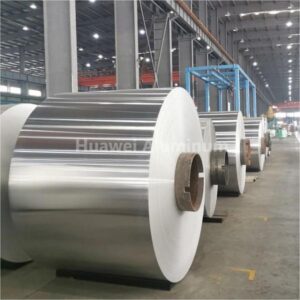
Guia profissional de folha de alumínio PTP e comparação de parâmetros


Guia profissional de folha de alumínio PTP e comparação de parâmetros
Introdução
Na moderna indústria farmacêutica, drug packaging is not merely the outer garment of a product; it is the first line of defense ensuring drug safety, eficácia, and stability. Folha PTP (Press-Through-Pack Foil, commonly known as blister packaging aluminum foil), as one of the most prevalent packaging forms for solid pharmaceuticals, particularly tablets, cápsulas, and pills, is of paramount importance. It comes into direct contact with the medication, requiring extremely high barrier properties, excellent physical strength, good sealability, and stringent hygienic safety. Contudo, faced with a multitude of Folha PTP products on the market with varying parameters, aquisição, quality control, and R&D personnel in pharmaceutical companies often encounter selection dilemmas: how to ensure foolproof drug packaging while balancing production efficiency and cost control?
1. Fundamental Understanding of PTP Foil: Estrutura, Função, and Importance
1.1 What is PTP Foil?
Folha PTP is a rigid composite aluminum foil specifically designed for pharmaceutical blister packaging. It is typically heat-sealed together with a transparent plastic blister film, such as Polyvinyl Chloride (PVC), Polypropylene (Pp), or Polychlorotrifluoroethylene (PCTFE), to form individual cavities (blisters) for the pills. To use, patients press the blister, forcing the medication through the sealing layer on the back of the foil. This packaging method provides excellent unit-dose protection, is convenient for portability and identification, and offers a degree of child resistance.
1.2 The Classic Composite Structure of PTP Foil
A high-performance Folha PTP is not a single material but a precisely engineered “sandwich” estrutura, where each layer serves a unique and critical function:
- Camada Externa (Printing/Protective Layer):
- Material: Typically hard-temper aluminum foil (por exemplo., ligas 8011, 8079), 20-50μm de espessura, providing structural support and ultimate barrier.
- Função:
- Barreira Final: Blocks oxygen, vapor de água, e luz – the core of drug stability.
- Printing Substrate: Supports high-definition printing of branding, drug information, e instruções de uso.
- Suporte Mecânico: Provides sufficient stiffness and strength for pushing through to dispense the medication.
- Middle Layer (Barrier/Substrate Layer):
- Material: Usually Biaxially Oriented Polyester (BOPET) or Biaxially Oriented Polyamide (CRIAR) filme, approximately 12-25μm thick.
- Função:
- Enhanced Barrier: Further improves gas and moisture barrier properties.
- Maior Força: Significantly boosts the foil’s tensile strength and tear resistance, ensuring stable operation on high-speed production lines and reducing web breaks.
- Structural Stability: Acts as a stable base between the aluminum foil and the sealing layer, optimizing the composite structure.
- Inner Layer (Heat-Seal Layer):
- Material: Primarily specialized Polyvinyl Chloride (PVC) or Polypropylene (Pp) revestimento, approximately 30-60μm thick (dry weight).
- Função:
- Heat-Sealing Function: Forms a strong, uniforme, and hermetic seal with the blister film (PVC/PP/PCTFE, etc.) sob temperatura específica, pressão, e tempo, preventing drug moisture ingress or oxidation.
- Easy Puncture: Ensures easy penetration by the patient under normal pressing force for convenient drug access.
- Compatibilidade: Must have good compatibility with the packaged drug to ensure no harmful substance migration.
Mesa 1: Detailed Breakdown of Classic PTP Foil Composite Structure
| Camada Estrutural | Common Materials | Função principal | Principais indicadores de desempenho |
|---|---|---|---|
| Camada Externa (Impressão) | Hard-temper Al Foil (8011-H18, 8079-H19) | Ultimate light, gas, barreira de umidade; Printing substrate; Mechanical support | Espessura (μm), Resistência à tracção, Tensão superficial, Contagem de furos |
| Middle Layer (Apoio, suporte) | BOPET Film / BOPA Film | Enhanced barrier; Increased mechanical strength & rigidez; Estabilidade estrutural | Espessura (μm), Resistência à tracção, Taxa de transmissão de oxigênio (OTR) |
| Inner Layer (Heat-Seal) | PVC Coating / PP Coating | Heat-seals to blister film; Provides easy puncture; Ensures drug compatibility | Espessura do revestimento (dry wt.), Resistência à vedação térmica, Força de Empurrão, Migration Testing |
1.3 Why Choose PTP Packaging?
Compared to bottle packaging, Folha PTP blister packaging offers numerous advantages:
- Dose Accuracy: Unit-dose packaging avoids contamination and dosage errors.
- Product Protection: Excellent barrier properties maximize drug shelf life.
- Patient Convenience: Lightweight and portable, with clear medication reminders.
- Production Efficiency: Suitable for high-speed, fully automatic blister packaging lines, enabling high productivity.
- Brand Presentation: Provides a high-quality printing surface to enhance brand image.
2. In-Depth Interpretation of Core Performance Parameters and Selection Criteria
Selecting Folha PTP cannot rely on intuition or price alone; it must be based on a scientific, quantifiable set of performance indicators. Abaixo, we deconstruct key parameters and their significance in selection.
2.1 Propriedades de barreira: The Lifeline of Drug Stability
This is the most critical performance of Folha PTP, directly determining the packaging’s effectiveness in protecting the drug.
- Taxa de transmissão de vapor de água (WVTR):
- Definição: The mass of water vapor passing through a unit area of material in 24 hours under specified temperature and humidity conditions. Unidade: typically g/m²·24h.
- Significado: For drugs prone to moisture absorption or hydrolysis (por exemplo., aspirina, certain antibiotics), WVTR must be extremely low. Often required to be <0.5 g/m²·24h (38°C, 90% RH), with premium products achieving <0.1 g/m²·24h.
- Test Standards: ASTM E96, ISO 15106, GB / T 26253.
- Taxa de transmissão de oxigênio (OTR):
- Definição: The volume of oxygen passing through a unit area of material in 24 hours under specified temperature and humidity conditions. Unidade: typically cm³/m²·24h·atm.
- Significado: Crucial for drugs susceptible to oxidation (por exemplo., Vitamina C, certain hormones).
- Test Standards: ASTM D3985, ISO 15105, GB / T 19789.
Selection Advice: The barrier performance of Folha PTP results from the combined effect of aluminum foil, BOPET/BOPA, and the coating. For highly moisture/oxygen-sensitive drugs, escolher Folha PTP with adequately thick aluminum foil (por exemplo., ≥25μm) and high-barrier substrates (por exemplo., metallized BOPET).
2.2 Mechanical & Propriedades físicas: Guarantee for High-Speed Production
These properties directly impact packaging line efficiency, blister formation quality, and package integrity during storage and transport.
- Resistência à tracção & Alongamento: Reflect the material’s resistance to breaking and deformation under high-speed tension. Insufficient strength can cause web breaks; unsuitable elongation may affect blister formation.
- Rigidez: The material’s resistance to bending. Moderate stiffness ensures smooth machine runnability and provides good tactile feedback during pushing.
- Adesão de Revestimento: The bond strength between composite layers (especially foil-substrate and substrate-sealant). Poor adhesion causes delamination, severely affecting barrier and print quality. Often assessed by the “Cross-Cut Tape Test.”
- Resistência à vedação térmica:
- Definição: The force required to peel apart the seal between the PTP foil’s heat-seal layer and the blister film (por exemplo., PVC).
- Significado: Strength too low leads to weak seals and leakage; too high may make patient access difficult or cause incomplete foil tearing. A perfect balance between “secure seal” e “easy opening” is needed.
- Força de Empurrão (PTF):
- Definição: The force required to puncture the sealing point on the back of the foil, simulating patient push-through.
- Significado: A key indicator of patient usability. The force must be moderate, typically between 10-50N, ensuring it’s difficult for children to open accidentally yet easy for the elderly or ill.
Mesa 2: Performance Priorities for PTP Foil Based on Drug Type
| Tipo de droga | Core Performance Focus | Recommended PTP Foil Parameter Focus | Example Drugs |
|---|---|---|---|
| High Moisture-Sensitive Drugs | Water Vapor Barrier (WVTR) | Thicker aluminum foil (≥30μm), high-barrier substrate (metallized film), thick/even heat-seal coating | Aspirin, Penicillin V Potassium Tablets |
| High Oxygen-Sensitive Drugs | Barreira de oxigênio (OTR) | Dense aluminum foil (furo baixo), high-barrier substrate with PVDC coating or alumina coating | Vitamina C, Nitroglycerin Tablets, Fish Oil Softgels |
| Routine Stability Drugs | Balanced cost, eficiência de produção | Standard structure (por exemplo., 20μm Al foil+12μm PET+40μm PVC coating), balanced properties | Many OTC drugs, conventional tablets |
| Acid-Sensitive Drugs | Drug compatibility, chloride ion migration | Prefiro Folha PTP with PP heat-seal coating to avoid potential chloride ion migration from PVC | Certain Proton Pump Inhibitors |
2.3 Segurança & Compliance Performance: The Unbreakable Rules
Pharmaceutical packaging materials must comply with stringent regulations.
- Food/Drug Contact Material Regulations:
- China: Must comply with “Folha de alumínio para embalagens farmacêuticas” (Padrões YBB) and GB 4806 series for food contact material safety.
- EUA: Must meet relevant sections of FDA 21 CFR (por exemplo., §177.1390, §175.300).
- UE: Must comply with EU 10/2011 (and amendments) on plastic food contact materials, providing comprehensive migration testing (overall & specific) and a Declaration of Compliance (DOC).
- Printing Safety: Inks must be pharmaceutical-grade, with low migration and odor, complying with relevant regulations.
- Heavy Metals & Solvent Residues: Strict limits on lead, cádmio, mercúrio, hexavalent chromium, and harmful solvent residues like benzene.
Selection Advice: Always request valid compliance documentation from suppliers, including but not limited to: Material Safety Data Sheets (MSDS), Declaração de Conformidade (DOC), and test reports from authoritative third-party labs (por exemplo., SGS, Intertek), especially migration test reports. For export products, target market regulations must be met.
3. Comparison of Main PTP Foil Types and Application Scenario Matching
3.1 Classification by Heat-Seal Layer Material
This is the most basic classification, determining core sealing characteristics and some safety attributes.
- PVC-coated PTP Foil:
- Características: Mature technology, most widely used; wide heat-seal window, excellent compatibility with PVC blister film for reliable sealing; relatively low cost; moderate PTF with good feel.
- Considerations: For drugs with strong acids, bases, or specific active ingredients, assess chloride ion migration risk. Faces higher end-of-life disposal requirements due to environmental concerns.
- Formulários: Packaging for the vast majority of conventional tablets and capsules.
- PP-coated PTP Foil:
- Características: Higher chemical resistance, especially suitable for drugs sensitive to acid or chloride ions; primarily produces CO2 and water upon combustion, offering a better environmental profile; no entanto, typically requires higher sealing temperatures than PVC, demanding more precise equipment control.
- Formulários: High-value drugs, drugs with special chemical compatibility requirements, brands emphasizing environmental friendliness.
Mesa 3: PVC-coated vs. PP-coated PTP Foil Comparison
| Comparison Item | PVC-coated PTP Foil | PP-coated PTP Foil |
|---|---|---|
| Heat Seal Performance | Wide seal window, high operational tolerance, reliable sealing | Narrower seal window, requires more precise temperature control |
| Estabilidade Química | Bom, but caution needed with strong acids/bases and some solvents | Excelente, stronger chemical corrosion resistance |
| Drug Compatibility | Need to monitor chloride ion migration risk | Very low risk, better compatibility |
| Environmental Profile | Traditional material, specific requirements for recycling/disposal | Better environmental image, high calorific value for energy recovery |
| Custo | Relatively lower | Typically higher than PVC-coated products |
| Primary Application | Mainstream choice for conventional drugs | High-end drugs, drugs exported to EU, drugs with special ingredients |
3.2 Classification by Barrier Grade
- Standard Barrier Type: Structure uses standard aluminum foil (20-25μm) + standard BOPET (12μm) + standard heat-seal coating. Suitable for most stable drugs.
- High Barrier Type:
- Método 1: Increase aluminum foil thickness (≥30μm) or use denser alloys (por exemplo., 8079).
- Método 2: Use metallized BOPET or BOPET coated with PVDC/alumina as the substrate.
- Método 3: Employ higher barrier heat-seal coating systems.
- Formulários: Extremely moisture/oxygen-sensitive drugs, or drugs requiring long shelf life (por exemplo., 2-3+ anos).
3.3 Classification by Special Function
- Resistente a crianças (CR) Tipo: Uses special coating formulations or composite structures to increase PTF or require specific opening techniques (por exemplo., descascar, peel-back) to prevent child access. Must comply with relevant standards (por exemplo., ISO 8317).
- Adequado para idosos (EA) Tipo: While maintaining sufficient barrier, intentionally lowers PTF, increases push area, or designs easy-tear notches for elderly patients with declining vision or hand strength.
Selection and Matching Strategy:
- Analyze Drug Characteristics: Identify the drug’s moisture/oxygen sensitivity, ph, and potential interactions with packaging.
- Determine Regulatory Market: Clarify regulatory requirements for target markets (China, EUA, UE, etc.).
- Evaluate Production Process: Consider existing packaging line speed and heat-seal parameter ranges to match the heat-seal layer material.
- Identify End-User: Is child resistance or elderly-friendly design needed?
- Consider Total Cost: Seek the most cost-effective solution that meets points 1-4 acima.
Mesa 4: PTP Foil Selection Recommendation Matrix for Different Scenarios
| Application Scenario Description | Recommended Primary Type | Alternative Option | Key Considerations |
|---|---|---|---|
| Domestic conventional tablets, high-speed production line | Standard PVC-coated PTP Foil | – | Production efficiency, custo, confiabilidade de vedação |
| High-end vitamin tablets for EU export | PP-coated High Barrier PTP Foil | PVC-coated + PVDC High Barrier Type | UE 10/2011 conformidade, high barrier requirement, environmental image |
| OTC cold medicine requiring child resistance | PVC-coated Child-Resistant (CR) Tipo | PP-coated CR Type | PTF testing compliant with ISO 8317 |
| Chronic medication for elderly patients | Adequado para idosos (EA) Type PTP Foil, low PTF | Standard type + easy-tear notch design | PTF, ease of opening method |
| Effervescent tablets extremely sensitive to moisture | High Barrier Type (thick Al foil + metallized PET substrate) + PP coating | Ultra-high barrier composite structure | Requires extremely low WVTR (por exemplo., <0.05 g/m²·24h) |
4. Production Process, Controle de qualidade, and Supplier Evaluation
4.1 Fluxo do processo de produção principal
Alta qualidade Folha PTP production involves precise lamination and coating technology:
Aluminum Foil Unwind → Surface Pretreatment (limpeza, adhesion promotion) → Dry Lamination with Substrate (BOPET) → Curing (full adhesive hardening) → Printing (multi-color gravure) → Coating (precision heat-seal coating) → Drying/Curing → Cooling, Rewinding → Slitting, Inspeção, Embalagem
4.2 Principais pontos de controle de qualidade
- Incoming Raw Material Inspection: Strict physical, químico, and hygienic index testing for aluminum foil, films, revestimentos, and inks.
- Lamination Process: Control coating weight of adhesive, temperature and pressure of laminating rollers to ensure interlayer adhesion meets standards, free of bubbles and wrinkles.
- Printing Process: Ensure color accuracy, print registration, text clarity, and严格控制 solvent residue.
- Coating Process: The core step determining heat-seal performance and PTF. Must precisely control coating weight (seco) uniformidade (machine & cross direction) and drying temperature profile to ensure complete coating cross-linking/curing, free of residual odor.
- On-line & Final Inspection:
- Online Inspection: Use online thickness gauges and vision inspection systems (CCD) to monitor thickness uniformity and surface defects (furos, black spots, arranhões) in real-time.
- Final Inspection: Each batch must be sampled for comprehensive performance tests including WVTR/OTR, resistência da vedação térmica, PTF, solvent residue, testes de migração, etc., with a Certificate of Analysis (COA) issued.
4.3 How to Evaluate Suppliers?
Choosing a Folha PTP supplier is essentially choosing a long-term quality partner. Evaluate from the following dimensions:
- Qualifications & Certificações: Does it have pharmaceutical packaging material production qualifications? Certifications like ISO 9001, ISO 15378 (Quality Management System for Pharmaceutical Packaging Materials)? Does the production environment align with GMP-related requirements?
- Technical R&D Capability: Does it have an independent technical team? Can it provide customized solutions (special colors, specific PTF, CR design)?
- Sistema de garantia de qualidade: Assess its lab testing capabilities. Can it provide complete, authentic, valid third-party test reports? Is the QC process rigorous and transparent?
- Compliance Documentation: Can it provide complete, up-to-date compliance documentation packages for target markets (por exemplo., China NMPA, FDA dos EUA, UE)?
- Production Stability & Supply Capacity: Is production equipment advanced? Is capacity stable? Can it guarantee consistency for long-term, high-volume supply?
- Customer Service & Suporte Técnico: Does it provide pre-sale technical consultation, sampling? Can it assist with production line parameter tuning? Is after-sales response timely?
5. Industry Trends and Future Outlook
- Sustentabilidade & Environmental Focus:
- Lightweighting & Down-gauging: Innovating materials and processes to reduce material use (por exemplo., folha de alumínio) while maintaining performance.
- Design para reciclabilidade: Developing Folha PTP structures easily separable from plastic blister films, or promoting mono-material blister packaging (por exemplo., all-PP) to improve recyclability.
- Eco-friendly Coatings: Increased development and use of water-based heat-seal coatings, bio-based coatings.
- Smart & Integração Funcional:
- Embalagem Inteligente: Integrating RFID tags, QR codes, or Time-Temperature Indicators onto Folha PTP for drug traceability, anti-falsificação, and medication reminders.
- Higher Performance Barrier Materials: Application of transparent high-barrier oxide coating technologies, achieving ultra-high barriers while maintaining some package transparency.
- Personalização & Patient-Centricity:
- More refined friendly designs for specific patient groups (elderly, children).
- Flexible production capability for small batches and multiple varieties will become a competitive advantage for premium suppliers.
Perguntas frequentes (Perguntas frequentes)
Q1: Where do the main cost differences lie between PVC-coated and PP-coated PTP foil? How should we choose?
A1: Cost differences mainly stem from raw materials (PP resin is typically more expensive than PVC), processos de produção (PP has a narrower heat-seal window, slightly higher energy and control costs), and market application scale. The choice depends on the drug and regulations: For most conventional, stable drugs, PVC is a mature, confiável, and cost-effective choice. If the drug is sensitive to acid or chloride ions, or is exported to markets with stricter environmental regulations regarding PVC (por exemplo., some European clients), or if the corporate brand emphasizes environmental friendliness, then PP coating should be considered. We recommend conducting drug compatibility tests and production line adaptation tests first.
Q2: How to interpret the migration test report provided by a supplier? What data must be focused on?
A2: First, confirm the report is from an authoritative third-party laboratory accredited by CNAS or ILAC. Key points: 1) Condições de teste: Do they simulate your drug’s actual storage conditions (temperatura, tempo, simulants)? 2) Overall Migration: Results should be well below regulatory limits (por exemplo., EU is 10 mg/dm²). 3) Specific Migration: For specific substances potentially present in the material (por exemplo., plasticizers in PVC, primary aromatic amines in inks, heavy metals in foil), test results must meet respective limits. 4) Non-Volatile Residue: Assesses solvent residue safety. Always request the supplier to provide migration test protocols and results tailored to your specific dosage form (por exemplo., comprimidos, aqueous preparations).
Q3: Our blister packaging line runs at high speed and often experiences foil breakage or poor sealing. Which PTP foil parameters might be related?
A3: Web breakage may relate to: ① Insufficient tensile strength and elongation of the substrate (BOPET); ② Poor lamination adhesion, reducing strength after delamination; ③ Aluminum foil thickness inconsistency or hidden damage. Poor sealing may involve: ① Heat-seal performance (ponto de fusão, flow) of the coating not matching your equipment’s temperature/pressure; ② Uneven coating espessura or insufficient curing; ③ Mismatched thermal shrinkage rate between PTP foil and PVC blister film, causing micro-delamination at seals upon cooling. We recommend conducting on-machine trials with the supplier’s technical team to optimize matching parameters.
Q4: For drugs exported to multiple countries, is there a “universal” PTP foil that simultaneously complies with FDA, UE, and Chinese regulations?
A4: Theoretically possible, but demands extremely high standards from the supplier. It requires that all components of the supplier’s Folha PTP (folha de alumínio, filme, adesivo, revestimento, ink) meet the strictest substance lists of these three markets and have corresponding full compliance documentation (por exemplo., DMF reference for FDA, EU DoC & comprehensive migration report, Chinese YBB test reports). Na prática, this often means choosing pharmaceutical-grade raw materials at the highest specifications and production systems at the highest standard, resulting in relatively higher costs. The safest approach is partnering with an experienced supplier capable of providing a “global compliance package.”
Q5: How to verify the long-term protective effectiveness of PTP foil in actual storage?
A5: Beyond trusting the supplier’s standard test data, strongly recommend conducting real-time stability studies with the actual drug product. Place the packaged drug under accelerated stability conditions (por exemplo., 40°C±2°C / 75%RH±5%RH) para 1, 2, 3, e 6 meses, periodically testing key drug quality attributes (por exemplo., potency, related substances, dissolution, umidade). This is the “gold standard” for ultimately validating the packaging solution. Suppliers should provide successful stability study data for their materials with similar drugs as a reference.
Sobre nós: Eco Alum Co., Ltd. – Your Professional PTP Foil Solutions Partner
In the field of pharmaceutical packaging, where life and health are paramount, every ounce of material reliability carries immense responsibility. Eco Alum Co., Ltd. has been deeply rooted in pharmaceutical packaging materials for years, always adhering to the mission of “Technology Safeguarding Health,” committed to providing global pharmaceutical companies with high-performance, high-compliance, and high-reliability Folha PTP products and comprehensive technical solutions.
We are not just a supplier but a trusted partner you can rely on. We deeply understand the rigor and complexity of pharmaceutical packaging, implementing a cGMP-aligned quality management system throughout the entire process from raw material intake to finished product shipment. Our production environment is strictly controlled, and core product lines are certified to ISO 15378, ensuring products consistently meet the highest standards for pharmaceutical packaging.
Our Core Advantages:
- Complete Compliant Product Portfolio: We offer a full range of Folha PTP products, from standard PVC-coated to premium PP-coated, from standard barrier to ultra-high barrier, from conventional to Child-Resistant/Elderly-Friendly types. All products are designed and manufactured based on regulatory requirements of major global markets (China, EUA, UE, Japão, etc.), providing you with targeted compliance support to facilitate your product’s global journey.
- Cutting-edge Technology & Capacidade de personalização: We operate a provincial-level Technology R&D Center equipped with advanced pilot coating lines and a complete set of testing instruments. We not only supply standard products but also excel in collaborating closely with your R&D team to provide customized Folha PTP solutions through formulation optimization and structural design, addressing challenges like special active ingredients, extreme storage conditions, and unique opening requirements.
- Exceptional Uniformity & Stability: We employ globally leading multi-functional high-speed coating and laminating lines, coupled with online thickness monitoring and defect detection systems, achieving precise control over key process parameters like coating weight and bond strength. We promise not just excellent performance in a single sample roll, mas superior quality consistency from batch to batch and roll to roll, safeguarding your continuous high-speed production.
- Comprehensive Technical Support Service: From initial solution selection and free sampling, to production line parameter tuning support, and ongoing optimization and prompt after-sales response, we provide end-to-end one-stop technical services. Our team of technical engineers is an extension of your force in solving packaging challenges.