
Why Is Aluminum Foil Composite Film a Standard for Snack Packaging? Its Freshness-Keeping and Oxygen-Barrier Advantages
aluminum foil composite film and the packaging needs of snacks. In particular, its core freshness-keeping and oxygen-barrier capabilities directly determine the product’s shelf life and consumer experience.

Oxygen Barrier & Freshness Preservation: Addressing the Core Pain Point of Snack Deterioration
Oxygen: The Invisible Culprit of Snack Deterioration
Over 80% of flavor deterioration in snacks is related to oxygen exposure—rancidity in nuts stems from fat oxidation, dull color in meat snacks comes from myoglobin oxidation, and mold growth in pastries is catalyzed by oxygen. The core advantage of aluminum foil composite film is its ability to form an “oxygen barrier” through the dense structure of the aluminum foil layer. Compared with traditional PE (Polyethylene) film and CPP (Cast Polypropylene) film, the Oxygen Transmission Rate (OTR) of aluminum foil can be as low as below 0.1 cm³/(m²·24h·0.1MPa), achieving almost complete oxygen isolation.
Multi-Layer Synergy: How Aluminum Foil Composite Film Forms an Oxygen Barrier
This performance is particularly critical in nut packaging. A nut brand extended its product shelf life from 3 months to 8 months and reduced oxidation loss by over 60% by adopting a “PET/Aluminum Foil/PE” composite structure. Notably, the oxygen-barrier capability of aluminum foil composite film is not solely dependent on the aluminum foil layer, but a synergistic effect of multiple substrate layers. The outer layer of PET (Polyethylene Terephthalate) or NY (Nylon) provides structural support to prevent pinholes in the aluminum foil caused by bending; the middle aluminum foil layer is responsible for core barrier functions; and the inner layer of PE or CPP ensures heat-sealability and food contact safety. This three-layer “support-barrier-seal” structure forms a complete oxygen-barrier loop, perfectly matching the long-term freshness needs of snacks.
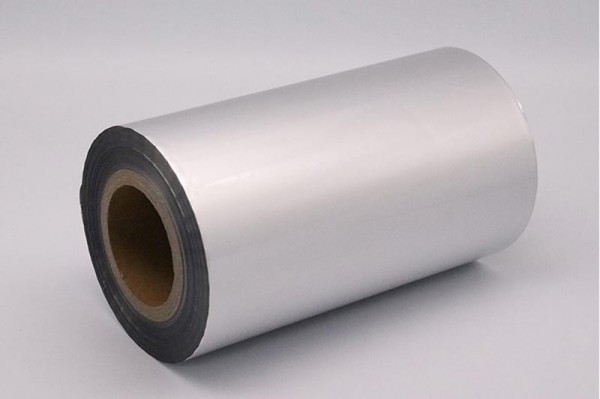
Aluminum Foil Composite FilmTraditional Plastic Film (PE/CPP)Core AdvantageOxygen Transmission Rate (OTR)≤0.1 cm³/(m²·24h·0.1MPa)5-20 cm³/(m²·24h·0.1MPa)Near-complete oxygen isolationWater Vapor Transmission Rate (WVTR)≤1 g/(m²·24h)10-50 g/(m²·24h)Superior moisture controlUltraviolet Blocking Rate100%0-30%Full protection of nutrientsTensile Strength≥150 MPa30-80 MPaResistant to production & transportation damage
Comprehensive Barrier: Resisting Moisture, Light, and External Contamination
Moisture Control: Maintaining the Texture of Snacks
The quality stability of snacks is affected by multiple factors besides oxygen, such as moisture and light. Crispy snacks (e.g., potato chips, biscuits) are extremely sensitive to moisture—once they absorb moisture, they lose their texture. Meanwhile, dried fruits and meat products need to control moisture loss to avoid becoming dry and hard. The Water Vapor Transmission Rate (WVTR) of aluminum foil composite film can be controlled below 1 g/(m²·24h), far lower than that of ordinary plastic films, effectively maintaining stable relative humidity inside the packaging.
Light Shielding: Protecting Nutritional Value and Color
Test data from a potato chip brand shows that products packaged with aluminum foil composite film had a moisture content change of no more than 0.3% after being stored for 1 month at 30℃ and 65% RH. In contrast, products packaged with CPP film had a moisture change of 1.2%, with a significant decrease in crispness. Light, especially ultraviolet (UV) light, accelerates the decomposition of nutrients such as vitamins and pigments in food, leading to product discoloration and reduced nutritional value. Aluminum foil has excellent light-shielding properties, blocking 100% of UV rays and visible light—this is crucial for nuts rich in vitamin E and fruit and vegetable crisps containing natural pigments.
Contamination Isolation: Ensuring Food Safety in Circulation
Additionally, aluminum foil composite film has strong chemical stability, which can isolate dust, microorganisms, and volatile substances in the external environment, preventing secondary contamination of snacks. This feature is particularly prominent in the long-distance transportation of cross-border snacks.

Mechanical Performance Adaptation: Meeting Full-Scenario Needs in Production and Circulation
Enhanced Mechanical Strength: Adapting to High-Speed Production and Transportation
The production process of snacks involves multiple links such as automatic packaging, high-speed filling, and cold chain transportation, which places high demands on the mechanical strength of packaging materials. Aluminum foil itself is relatively soft, but when compounded with substrates such as PET and NY, its tensile strength and puncture resistance are significantly improved. Taking the “NY/Aluminum Foil/PE” composite structure as an example, its longitudinal tensile strength can reach over 150 MPa, and its puncture resistance exceeds 30 N. It can withstand the high-speed traction of automatic packaging machines and the impact during filling, while resisting damage caused by extrusion and friction during transportation.
Negative Pressure Resistance: Ideal for Vacuum Packaging of Snacks
For snacks that require vacuum packaging (e.g., beef jerky, spiced products), the negative pressure resistance of aluminum foil composite film is also indispensable. In a vacuum state, the packaging film must withstand atmospheric pressure without breaking. The combination of the rigidity of aluminum foil and the toughness of the substrate can ensure the stability of vacuum packaging and avoid vacuum failure caused by packaging damage. In addition, aluminum foil composite film has high heat-seal strength and a wide heat-seal temperature range, which can adapt to different types of packaging equipment, improving production efficiency—this is another important reason for its large-scale application.
Balancing Cost and Experience: Considering Economy and Consumer Perception
Cost-Effectiveness: Reducing Indirect Losses in the Industrial Chain
Although the cost of aluminum foil composite film is higher than that of single-layer plastic film, its cost-effectiveness is significant from the perspective of the entire industrial chain. The extended shelf life reduces the loss of unsalable products, and the reduced transportation damage rate saves logistics costs. The reduction in these indirect costs far exceeds the cost difference of the packaging materials themselves. Financial data from a snack food enterprise shows that after adopting aluminum foil composite film packaging, the comprehensive loss rate decreased from 8% to 2.5%, saving over 10 million yuan annually.
Consumer Experience: Improving Product Competitiveness Through Texture and Convenience
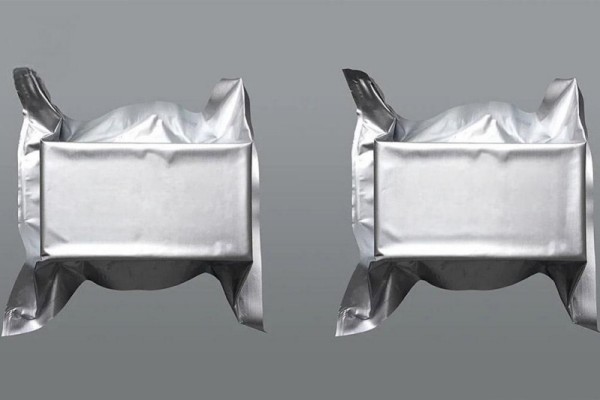
In terms of consumer experience, the texture and printing adaptability of aluminum foil composite film also enhance product competitiveness. The aluminum foil layer endows the packaging with a metallic luster, improving its visual grade; the outer PET substrate supports high-definition printing, which can present rich product information and brand images, helping the product stand out on the shelf. At the same time, the tearability of aluminum foil composite film can be realized by designing tear lines, solving the problem of inconvenient opening of traditional metal packaging and improving consumer convenience.
Conclusion: Symbiosis Between Material Innovation and Demand Upgrade
Future Trends: Towards Thinner, Lighter, and More Environmentally Friendly Directions
aluminum foil composite film is essentially an inevitable choice driven by the core needs of food packaging: “safety, freshness, and convenience.” With the upgrading of consumers’ demand for healthy snacks and the popularization of cold chain logistics, aluminum foil composite film is also innovating towards thinner, lighter, and recyclable directions. For example, ultra-thin aluminum foil (with a thickness of only 6μm) is used to reduce material consumption, or “aluminum foil/degradable plastic” composite structures are developed to balance performance and environmental protection. In the future, the symbiotic relationship between this material and the snack industry will become closer, serving as an important support for promoting the high-quality development of the industry.