
PTP Pharmaceutical Aluminum Foil: Comprehensive Guide, Technical Specifications & Industry Applications
Introduction: This article provides a comprehensive analysis of PTP aluminum foil for pharmaceutical capsule packaging. Covering its definition, core functions, material structure, production process, supplier selection, and market trends, it serves as an authoritative reference for pharmaceutical companies and industry purchasers.
1. What is PTP Aluminum Foil?
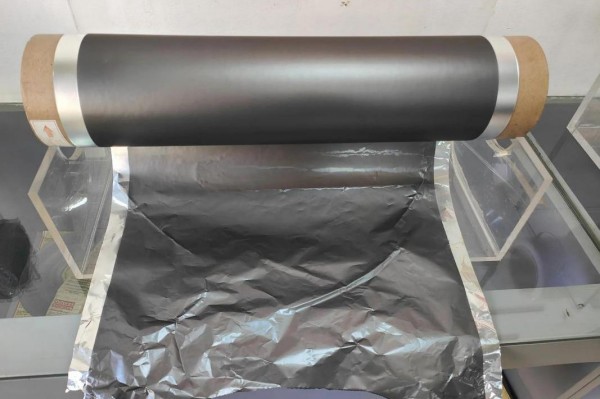
PTP aluminum foil (Press Through Packaging Aluminum Foil) is a sealing material specifically designed for pharmaceutical blister packaging. It is typically combined with blister base materials like PVC rigid film or cold-form aluminum to form a complete blister package unit. During use, pressing the blister allows the medication to push through and break the foil, hence the name “press-through packaging.”
In the pharmaceutical packaging field, PTP aluminum foil is the mainstream choice for packaging solid dosages like capsules and tablets due to its excellent barrier properties, safety, and convenience.

2. Four Key Functions of PTP Foil in Capsule Packaging
- Moisture Protection: Effectively blocks water vapor, preventing capsules from softening or clumping due to moisture absorption, ensuring drug stability.
- Oxygen Barrier & Shelf-life Preservation: Forms a high-integrity seal barrier, preventing active pharmaceutical ingredients from oxidizing upon contact with oxygen.
- Contamination & Microbial Prevention: Complies with strict pharmaceutical production standards, preventing contamination from microorganisms, dust, and other pollutants to guarantee drug safety and hygiene.
- Convenient Dosing: Enables unit-dose removal, facilitating portability and accurate dosing for patients, thereby improving medication adherence.
3. Detailed Material Structure & Technical Specifications
3.1 Multi-layer Composite Structure
A typical high-quality PTP aluminum foil consists of a three-layer composite structure with distinct functions:
| Layer | Core Function | Description |
|---|---|---|
| Printing Layer | Information Display & Branding | Uses pharmaceutical-grade inks to print drug name, specifications, batch number, expiry date, and company logo. |
| Aluminum Foil Substrate | Primary Barrier Layer | Provides the main barrier protection against water vapor, oxygen, and light, crucial for ensuring drug stability. |
| Heat-seal Coating | Creates the Seal | Bonds firmly to blister base materials (e.g., PVC) under heat and pressure, ensuring the independent seal of each blister cavity. |
3.2 Common Aluminum Alloys & Tempers
Different alloys offer varied properties to suit diverse packaging needs:
| Alloy Designation | Key Characteristics | Typical Applications |
|---|---|---|
| 8011 | Excellent all-round performance, good formability, balanced strength and ductility. | Most widely used, suitable for the vast majority of capsule and tablet packaging. |
| 8079 | Higher ductility, better flexibility, suitable for deep-draw forming. | Packaging requiring special deep-draw blister cavities. |
| 8021 | Superior barrier properties, relatively lower pinhole incidence. | Packaging for drugs extremely sensitive to moisture or oxygen (high-barrier applications). |
The common supply tempers are H18 or H19. This hard temper ensures the foil has sufficient stiffness (“rigidity”) for easy push-through and resistance to tearing.
3.3 Thickness Selection Guide
Thickness directly impacts barrier properties, mechanical strength, and cost. Common specifications are compared below:
| Thickness | Key Characteristics | Recommended Application Scenario |
|---|---|---|
| 20μm | Standard thickness, cost-effective, meets barrier requirements for most drugs. | Conventional capsules/tablets, cost-sensitive products. |
| 25μm | Improved strength and barrier, greater puncture resistance. | Drugs requiring higher packaging strength or with moderate barrier needs. |
| 30μm | Highest grade barrier and mechanical strength, highest cost. | High-value drugs, biologics extremely sensitive to moisture/oxygen. |

4. Core Production Process & Quality Control
Producing PTP aluminum foil compliant with pharmaceutical standards requires precise steps:
- Rolling: Aluminum ingots are hot-rolled and cold-rolled into ultra-thin, uniform foil.
- Surface Treatment: Cleaning and activation to enhance coating adhesion.
- Coating: Uniform application of pharmaceutical-grade heat-seal lacquer (e.g., PVC-based).
- Printing: High-precision printing of text and graphics.
- Slitting & Inspection: Final slitting into reels, followed by strict testing of key parameters like thickness uniformity, pinhole incidence, and seal strength.
5. How to Choose a Reliable PTP Foil Supplier? Key Evaluation Table
Selecting the right supplier is crucial for ensuring packaging quality. You can evaluate using the following dimensions:
| Evaluation Dimension | Key Questions & Criteria | Importance |
|---|---|---|
| Certifications & Compliance | Does the supplier have GMP and ISO 15378 (specific QMS for pharmaceutical packaging) certifications? | ★★★★★ |
| Raw Materials & Process | Are high-purity aluminum ingots used? Is the production environment a pharmaceutical-grade cleanroom? | ★★★★☆ |
| Quality Control Capability | Is there a well-equipped lab for batch-by-batch testing of pinhole incidence, barrier properties, solvent residues, seal strength? | ★★★★★ |
| Technical Support & Service | Can they provide coating compatibility advice and sampling based on drug characteristics (e.g., pH, hygroscopicity)? | ★★★★☆ |
| Documentation & Regulatory Support | Can they provide complete Certificates of Analysis (CoA), compliance statements, migration test data for regulatory filings? | ★★★★★ |
6. PTP Aluminum Foil Frequently Asked Questions (Q&A)
Q1: How do I select the right PTP aluminum foil based on my drug’s properties?
A: Primarily consider the drug’s sensitivity and value:
- Conventional, stable drugs: Standard 8011 alloy, 20μm thickness offers the best value.
- Moisture-sensitive or oxidation-prone drugs: Opt for 8021 alloy or thickness ≥25μm, and pay attention to the coating’s barrier performance.
- High-value drugs or biologics: Must choose high-barrier products (30μm, 8021 alloy) and conduct rigorous package integrity testing.
Q2: What is pinhole incidence and why is it so important?
A: Pinholes are micron-sized holes that can occur in the foil during rolling. Pinhole incidence (per m²) directly determines the foil’s barrier performance. Even microscopic pinholes can become channels for moisture and oxygen permeation, accelerating drug degradation. High-quality pharmaceutical foil must maintain an extremely low pinhole incidence.
Q3: What causes weak seals or easy peeling?
A: Potential causes include:
- Heat-seal coating incompatibility: The foil’s coating is not compatible with the blister base material (PVC/PVDC).
- Incorrect process parameters: Improper heat-seal temperature, pressure, or dwell time.
- Poor coating quality on the foil: Uneven coating or poor adhesion. The solution is to conduct compatibility trials jointly with the supplier.
Q4: When evaluating a supplier, what tangible evidence should I look for beyond certifications?
A: Request to review the Certificates of Analysis (CoA) for at least three consecutive batches, focusing on the consistency of key data like pinhole incidence, thickness, and solvent residues. Additionally, ask for their Annual Product Quality Review (APQR) reports for major products to assess process stability and reliability.
Q5: How do environmental trends affect PTP aluminum foil?
A: Aluminum foil itself is infinitely recyclable. The current trend is promoting a “green supply chain,” focusing on whether the aluminum originates from low-carbon primary production or uses a high percentage of recycled content. Choosing suppliers with environmental commitments and related certifications can enhance your product’s sustainability profile.
7. Future Market Trends
- High Performance: Development of foils with even higher barriers (e.g., purer alloys, thicker/improved coatings) for highly active or degradable drugs.
- Sustainability & Eco-friendliness: Focus on the sustainability of aluminum foil, including the use of aluminum produced with renewable energy and designs that enhance recyclability.
- Smart Integration: Incorporation of digital technologies like QR codes or RFID for drug traceability, anti-counterfeiting, and patient medication management.
Conclusion
PTP aluminum foil is a critical material ensuring the safety, efficacy, and convenience of pharmaceutical products. As the pharmaceutical industry evolves, the demand for higher barrier properties, safety, and intelligence in packaging materials continues to grow.
When selecting a PTP aluminum foil supplier, pharmaceutical companies should look beyond price and comprehensively evaluate technical capability, quality systems, and compliance. Partnering with a technologically advanced and quality-stable supplier is a key safeguard for enhancing product competitiveness in the global market.
Seeking high-quality PTP pharmaceutical aluminum foil? Ensure your supplier possesses comprehensive pharmaceutical packaging credentials and a reliable quality traceability system.