
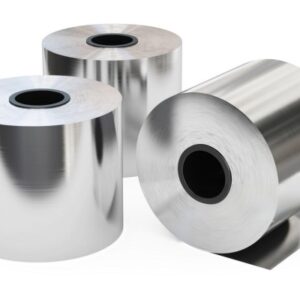
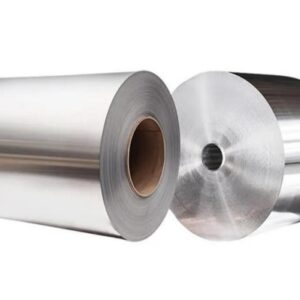
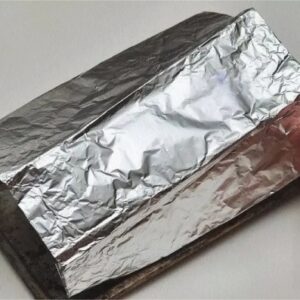

8079 O Temper 0.012mm Pet Food Packaging Foil
As the pet economy continues to heat up, consumer demands for pet food quality, freshness preservation, and packaging safety are constantly escalating. Lightweight, high-barrier, highly safe, and easily processable packaging materials have become the mainstream industry requirements.
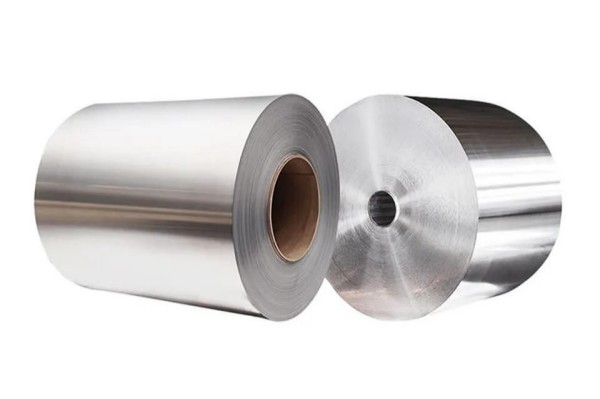
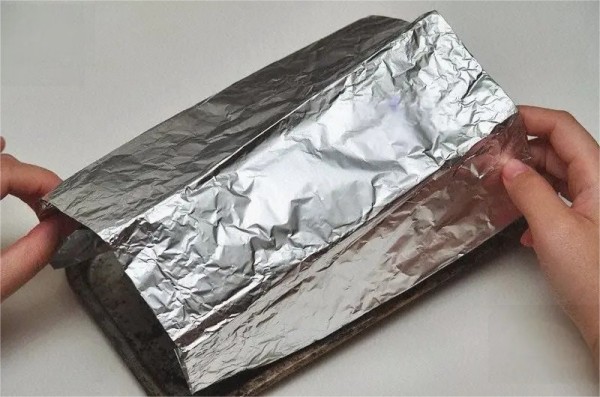
8079 O Temper 0.012mm Pet Food Packaging Aluminum Foil, with its ultimate ultra-thin specification, stable barrier performance, excellent flexibility and processability, and food-grade safety attributes, has become the core substrate for premium pet wet food, snacks, and retort packaging. It is widely used in various packaging scenarios such as cat sticks (treat tubes), dog food bags, pet can lids, and retort pouches, making it a benchmark aluminum foil material in the current field of soft packaging for pet food.

I. 8079 Aluminum Alloy: The Foundation of Excellence
8079 O Temper 0.012mm Pet Food Packaging Aluminum Foil is an ultra-thin double-zero aluminum foil made from 8xxx series 8079 aluminum alloy as the base material, processed through full annealing (O temper) and precision high-precision rolling. Unlike ordinary packaging aluminum foil, this material is customized from alloy formulation to processing technology to meet the stringent demands of high-end food packaging, balancing four core advantages: lightweight, high strength, high barrier properties, and easy processability.
1.1 Alloy Composition and Advantages
8079 aluminum alloy is a high-end 8xxx series alloy suitable for deep processing of ultra-thin soft packaging. With its precise chemical composition ratio, it offers excellent ductility and puncture resistance, adapting to the 0.012mm ultra-light rolling process. It features an extremely low pinhole rate and outstanding anti-rupture performance, making it a preferred base material for premium pet food packaging.
Chemical Composition Table
| Alloy Element | Content Range |
|---|---|
| Al (Aluminum) | ≥99% |
| Fe (Iron) | 0.6% – 1.0% |
| Si (Silicon) | 0.05% – 0.3% |
| Other Trace Elements | Trace |
1.2 Comparison with 8011 Alloy
Compared to the industry-standard 8011 aluminum foil, 8079 aluminum alloy demonstrates significant comprehensive performance advantages, offering higher strength and better stability in ultra-thin forming, perfectly meeting the production needs of high-end ultra-thin, high-barrier packaging.
II. 0.012mm Ultra-Thin Specification: The Trend of Lightweighting
In line with the industry trends of lightweighting, cost reduction, efficiency improvement, and environmental sustainability, 0.012mm has become the mainstream specification for high-end pet food aluminum foil packaging. This ultra-thin specification breaks through the limitations of traditional thick aluminum foil packaging, which was bulky and consumed more material.
2.1 Market Value and Sustainability
While maintaining uncompromised performance, it achieves comprehensive upgrades in packaging cost, transportation weight, and environmental attributes.
- Cost Efficiency: Effectively reduces raw material usage and overall packaging costs; lightens finished product weight to compress logistics expenses.
- Design Flexibility: Extreme thinness enhances flexibility, allowing it to conform to various shaped pet food packaging designs.
- Eco-Friendly: Less material consumption and strong recyclability align with global green packaging trends.
2.2 Technical Barriers in Production
The large-scale production of ultra-thin specifications involves extremely high technical barriers, serving as a core criterion for distinguishing high-end aluminum foil products. Producing 0.012mm foil requires overcoming four major challenges:
- Pinhole control
- Flatness stability
- Thickness uniformity
- Surface cleanliness
High-quality manufacturers rely on AGC automatic gauge control systems, high-precision professional rolling equipment, and online pinhole detection systems to ensure micron-level precision control.

III. Core Performance Parameters: Stability Meets Functionality
8079 O Temper 0.012mm Pet Food Aluminum Foil possesses stable and excellent mechanical properties and top-tier barrier performance, comprehensively meeting the core requirements of long-term storage and freshness preservation.
3.1 Mechanical Performance Parameters
The mechanical properties are stable, balancing ultra-thin characteristics with structural strength, suitable for high-speed industrial production.
Mechanical Data Sheet
| Performance Item | Typical Parameter Index |
|---|---|
| Finished Thickness | 0.012mm |
| Tensile Strength | 100-160 MPa |
| Elongation | ≥2% |
| Custom Width Range | 100-1600mm |
The golden ratio of high strength and good elongation allows it to withstand high-speed printing, lamination, and filling processes without breaking.
3.2 High-Barrier Freshness Preservation
Aluminum foil is one of the best base materials for barrier properties, and 8079 alloy further enhances this capability.
- Total Isolation: Provides extremely strong barriers against water vapor, oxygen, UV rays, odors, and oils.
- Shelf Life Extension: Prevents oxidative spoilage, moisture loss, and nutrient degradation, making it perfect for long-term warehousing and distribution.
IV. Core Application Scenarios: Full Coverage for Premium Products
Thanks to its strong adaptability and stable performance, this foil covers three core scenarios: wet food, snacks, and high-end composite packaging.
4.1 Pet Wet Food Packaging
- Applications: Cat can lids, pet meat puree bags, retort pouches.
- Benefit: The high moisture and oil barrier properties ensure safety during high-temperature sterilization processes, locking in freshness for products prone to bacterial growth.
4.2 Pet Snack Packaging
- Applications: Cat sticks (treat tubes), dog snack bags, freeze-dried food packaging.
- Benefit: Effectively isolates moisture and air to lock in flavor and nutrition, while the flexible material supports portable, small-specification designs.
4.3 Mainstream High-End Composite Structures
Different laminate structures are used to meet specific sterilization and storage needs.
Composite Structure Comparison
| Composite Structure | Core Application Scenario | Performance Advantage |
|---|---|---|
| PET/AL/PE | Conventional pet wet food bags | Balanced barrier properties, excellent heat sealability, high cost-performance |
| PET/AL/CPP | High-temperature retort packaging | High temperature resistance, stable performance without delamination after sterilization |
V. Selection Guide: 8079 vs. 8011
Understanding the differences between mainstream alloys helps in making informed procurement decisions.
5.1 Performance Comparison
| Comparison Item | 8079 Aluminum Foil | 8011 Aluminum Foil |
|---|---|---|
| Ductility | Excellent, suitable for ultra-thin processing | Moderate |
| Ultra-Thin Forming | Outstanding, stable at 0.012mm spec | Average, prone to defects when ultra-thin |
| Pinhole Rate | Extremely low, high quality stability | Slightly higher, greater probability of defects |
| Best For | High-end retort, high-barrier ultra-thin packaging | Ordinary ambient temperature, conventional thickness packaging |

VI. Safety & Compliance: Food-Grade Assurance
The core bottom line of pet food packaging is safety. 8079 O Temper foil strictly adheres to global standards.
6.1 Regulatory Compliance
The material fully complies with:
- FDA (USA Food Contact Standards)
- EU (European Union Food Contact Standards)
- RoHS & REACH (Environmental Requirements)
It is non-toxic, odorless, and safe for direct food contact.
6.2 Quality Control Process
Manufacturers implement stringent full-process hygiene controls, managing five core indicators:
- No oil stains
- No odors
- No pinholes
- No black lines
- No press marks
VII. Manufacturing Process: Precision Engineering
The excellent performance stems from a mature and refined standardized production flow.
7.1 Process Flow
The core process flow is: Aluminum Ingot Melting & Casting → Hot Rolling → Cold Rolling → Foil Rolling → Annealing → Slitting → Precision Inspection → Finished Product Packaging.
7.2 Key Process Controls
- Foil Rolling: Determines thickness accuracy, flatness, and surface quality.
- Annealing: The key to achieving O temper properties, ensuring optimal softness and elongation.

VIII. Future Trends & Procurement Strategy
8.1 Industry Development Trends
With the expansion of the global pet economy, the demand for high-barrier, lightweight aluminum foil packaging will continue to grow. Future iterations will focus on:
- Lower pinhole rates
- Higher surface cleanliness
- Greener composite structures
8.2 Procurement Selection Criteria
When procuring, focus on five core indicators:
- Pinhole Count
- Thickness Tolerance
- Surface Wetting Tension
- Composite Performance
- Heat Seal Adaptability
Ensure your supplier has complete certifications, precision equipment, and stable export experience.
IX. Frequently Asked Questions (FAQ)
Q1: Why must aluminum foil be used for pet food packaging?
Aluminum foil offers unparalleled all-around high-barrier performance, completely isolating oxygen, moisture, and UV rays, which is fundamental to preventing spoilage and extending shelf life.
Q2: Is 0.012mm ultra-thin aluminum foil prone to breakage?
No. High-quality 8079 O Temper foil balances thinness with high tensile strength and elongation. After lamination, the packaging gains significant resistance to punctures and folding.
Q3: Can 8079 aluminum foil be used for high-temperature retort packaging?
Yes. It is performance-stable and heat-resistant. When laminated with PET/CPP, it withstands sterilization temperatures without delaminating or losing barrier properties.
Q4: Is 8079 pet food aluminum foil environmentally friendly?
Yes. Aluminum is infinitely recyclable. The 0.012mm design reduces raw material consumption and carbon footprint, fitting the green packaging trend.
X. Conclusion
8079 O Temper 0.012mm Pet Food Packaging Aluminum Foil represents the pinnacle of current packaging materials for the pet industry. By combining the 8079 alloy advantage, the O temper flexibility, and the 0.012mm lightweight specification, it delivers unmatched freshness preservation and safety. As the industry moves toward premiumization and sustainability, this material remains the core choice for high-end pet food brands worldwide.