



8079 aluminum foil with moisture resistance
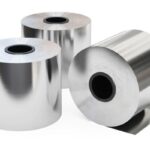

8079 aluminum foil with moisture resistance
In high-end packaging fields such as food, pharmaceuticals, electronics, and pet food, product moisture absorption, oxidation, and deterioration are core pain points affecting storage, transportation, and shelf life.
Ordinary packaging materials struggle to resist erosion from humid air, oxygen, and ultraviolet rays. In contrast, 8079 moisture-proof aluminum foil, as a high-end 8xxx series aluminum alloy flexible packaging material, has become the core substrate for global high-barrier packaging due to its ultimate moisture/oxygen barrier properties, light-blocking performance, and excellent deep-processing adaptability.
It is widely used in various packaging scenarios with stringent requirements for moisture resistance, freshness preservation, and anti-oxidation.
This article provides a comprehensive overview of 8079 moisture-proof aluminum foil, covering product definition, moisture-proof principles, core advantages, application scenarios, composite structures, selection comparisons, influencing factors, quality inspection standards, and procurement key points.
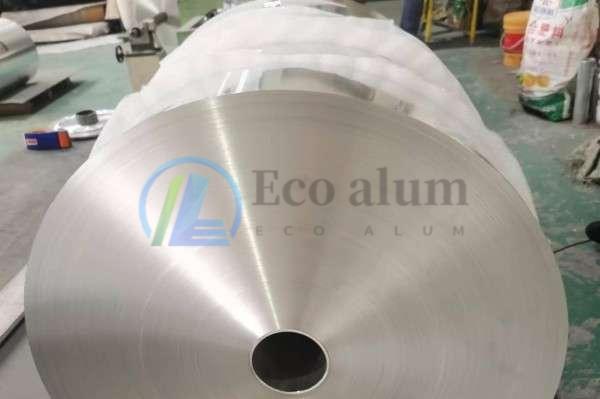
I. What is 8079 Moisture-Proof Aluminum Foil?
1.1 Product Introduction
8079 moisture-proof aluminum foil is a high-end functional aluminum foil rolled from the national standard 8xxx series rust-proof aluminum alloy. Unlike ordinary 1xxx and 3xxx series aluminum foils, its formula is finely tuned with extremely low impurity content, resulting in a denser base material.
The core characteristics of this product include ultra-high water vapor barrier properties, controllable zero pinholes, excellent flexibility, stable deep-processing performance, and outstanding oxygen barrier, light-blocking, and corrosion resistance.
Leveraging its superior comprehensive performance, 8079 moisture-proof aluminum foil breaks through the limitations of ordinary aluminum foil. It is no longer limited to basic packaging but serves as the core substrate for high-end composite packaging and industrial barrier materials.
It is widely adapted for food fresh-keeping packaging, pharmaceutical sterile packaging, precision electronic moisture-proof encapsulation, industrial composite waterproof materials, and other fields, making it the preferred aluminum foil material for high-moisture-demand packaging scenarios.
1.2 Core Technical Parameters
8079 moisture-proof aluminum foil offers a complete range of specifications and strong adaptability. It can be customized according to customer production lines and packaging needs. Industry-standard parameters are as follows, all meeting international ASTM and EN testing standards:
| Test Item | Standard Parameter Range | Parameter Description |
|---|---|---|
| Alloy Grade | 8079 | High-end packaging dedicated aluminum alloy grade |
| Temper | O temper, H18 temper | O temper is flexible and easy to stretch, suitable for deep processing; H18 temper has high hardness and strong toughness, suitable for high-speed sealing |
| Thickness Range | 0.006mm-0.030mm (6μm-30μm) | Ultra-thin specifications for flexible packaging, thick specifications for industrial composites |
| Width Range | 100mm-1600mm | Adaptable to various wide-format laminating and printing production lines |
| Core Inner Diameter | 76mm, 152mm | Standard size for general industrial coils, no machine modification needed |
| Surface Condition | Single-side bright, double-side bright | Clean surface, free of oil, stable dyne value, suitable for printing and lamination |
| Barrier Performance | Ultra-high level | Water vapor and oxygen transmission rates approach zero |
| Processing Methods | Lamination, printing, coating, heat sealing, cutting | Excellent deep-processing adaptability, no risk of cracking or delamination |
II. Why Does 8079 Aluminum Foil Possess Top-Tier Moisture Barrier Performance?
The excellent moisture-proof capability of 8079 aluminum foil is not a single performance advantage but the result of the superposition of three major advantages: natural material structure, optimized alloy formulation, and precision rolling processes.
This combination is also the core differentiator from ordinary aluminum foil.
2.1 Natural Physical Barrier Advantage of Aluminum Foil Base Material
After high-precision cold rolling, metallic aluminum forms an extremely dense, non-porous metal film structure, fundamentally different from porous packaging materials like plastic and paper.
This dense metal crystal structure physically blocks the penetration paths of water vapor and air molecules. Under normal conditions, the Water Vapor Transmission Rate (WVTR) is nearly zero, completely isolating external moist air, water vapor, and fog from intruding, thus solving problems of product moisture absorption, dampness, and condensation at the source.
Simultaneously, the dense structure also blocks oxygen, dust, and bacteria, achieving multiple protections including moisture-proofing, anti-oxidation, dust prevention, and antibacterial effects.

2.2 Exclusive Performance Advantages of the 8079 Alloy Formulation
Compared to market-common ordinary 8011 and 1060 aluminum foils, 8079 aluminum foil features a special alloy ratio, strictly controlled iron, silicon, and other impurity contents, significantly optimizing the internal structure of the base material.
This effectively reduces defects like pinholes and cracks during rolling, leading to a comprehensive upgrade in core performance. The comparison highlights significant advantages:
| Performance Indicator | 8079 Moisture-Proof Aluminum Foil | Ordinary Aluminum Foil (8011/1060) | Performance Difference Explanation |
|---|---|---|---|
| Elongation | High (≥15%) | Medium (8%-12%) | Stretch-resistant, less prone to breakage, suitable for forming irregular-shaped packages |
| Pinholes | Extremely low (micron-level, no leakage) | Higher, presence of fine pinholes | Completely eliminates moisture penetration through pinholes, ensuring full-coverage moisture protection |
| Moisture Resistance | Excellent, long-term barrier | Good, short-term barrier | Maintains stable moisture-proof effect even in high-humidity environments |
| Flexibility | Excellent, no cracks upon bending | Average, prone to cracking after repeated bending | Suitable for folding, wrapping, vacuum packaging processes |
| Deep Processing Performance | Excellent, no delamination during printing/lamination | Average, prone to wrinkling, degumming | Suitable for various high-end deep-processing production lines |
2.3 Maintains Complete Moisture Barrier Even in Ultra-Thin Specifications
Traditional ordinary aluminum foil tends to develop numerous pinholes and damage when thickness drops below 10μm, drastically reducing barrier performance and failing to meet moisture-proof requirements.
However, relying on precision rolling processes and optimized alloy formulations, 8079 aluminum foil can still form a continuous, intact, and undamaged moisture barrier layer even in an ultra-thin state of 6μm thickness, without issues of water or air permeability.
This characteristic allows high-end flexible packaging to achieve lightweight and thin-design goals, reducing packaging costs without sacrificing moisture-proof and fresh-keeping performance, perfectly suiting the ultra-thin packaging needs of high-end foods and precision electronics.
III. Five Core Advantages of 8079 Moisture-Proof Aluminum Foil
3.1 Extremely Low Water Vapor Transmission Rate, Long-Lasting Moisture Lock and Freshness Preservation
8079 moisture-proof aluminum foil possesses industry-top-tier water vapor barrier capability, with WVTR values approaching zero, effectively blocking water molecule penetration into the package interior.
In complex scenarios such as high-humidity storage, cold chain transportation, and distribution in humid regions, it thoroughly prevents product moisture absorption, dampness, caking, mold growth, and softening inside the package, significantly extending product shelf life and solving moisture storage challenges for various dry goods, powders, and precision components.
3.2 Superior Oxygen Barrier Performance, Preventing Oxidation and Deterioration
Beyond moisture resistance, 8079 aluminum foil offers excellent oxygen barrier properties, effectively isolating external oxygen from entering the package. For food, it prevents oil oxidation, color darkening, nutrient loss, and taste degradation.
For pharmaceuticals and precision electronic products, it prevents the oxidation failure of active ingredients and the corrosion of metal components, comprehensively ensuring product quality stability.
3.3 Full-Spectrum Light Blocking, Protecting Light-Sensitive Products
Aluminum foil is a completely light-blocking material, capable of 100% blocking visible light, ultraviolet (UV), and infrared (IR) radiation. Light exposure is a significant factor causing food oil rancidity, pharmaceutical ingredient decomposition, and chemical material aging.
The full light-blocking characteristic of 8079 moisture-proof aluminum foil provides exclusive protection for photosensitive and easily aging products, avoiding quality loss induced by light and greatly enhancing packaging safety levels.
3.4 Stable Mechanical Properties, Suitable for High-Speed Production
8079 aluminum foil balances flexibility with tensile strength, exhibiting excellent tear resistance, tensile strength, and bending resistance.
It is less prone to breakage, wrinkling, or holes during high-speed packaging line operations. Meanwhile, the coil boasts high flatness and uniform tension, ensuring smooth material feeding.
It perfectly adapts to fully automatic bag making, lamination, heat sealing, blister forming, and other processes, significantly improving production efficiency and reducing packaging scrap rates.

3.5 Strong Compatibility, Maximizing Lamination Adaptability
With a clean surface and stable tension, 8079 moisture-proof aluminum foil can be efficiently laminated with various plastic films such as PET, BOPP, PE, CPP, and NY (Nylon).
Combining with different substrates allows for the creation of composite packaging structures with diverse functions like retort resistance, easy tearing, high impact resistance, and low-temperature tolerance.
It is compatible with mainstream processes like dry lamination, solventless lamination, and extrusion lamination. The composite bond strength is high, with no delamination or bubbling issues during long-term use, meeting customized packaging needs across different industries.
IV. Mainstream Application Fields of 8079 Moisture-Proof Aluminum Foil
4.1 High-End Food Packaging Industry
Food is the most core application scenario for 8079 moisture-proof aluminum foil. Its strong adaptability addresses the moisture-proof and fresh-keeping needs of dry goods, powders, baked goods, and frozen foods.
- Core Application Products: Coffee powder packaging, milk powder can composite film, tea vacuum bags, nut and dried fruit packaging, puffed snack food bags, frozen fresh food packaging bags, baked goods moisture-proof packaging, health supplement powder packaging, etc.
- Moisture-Proof Core Value: Effectively prevents food from absorbing moisture and caking, becoming soggy, molding, or spoiling. It firmly locks in the original flavor and crispy texture of food, avoids nutrient loss, and extends food shelf life by 1-3 times. It is perfectly suited for long-term supermarket display, cross-border long-distance transportation, and multi-scenario storage needs.
4.2 Pharmaceutical Sterile Packaging Industry
Pharmaceutical packaging demands extremely high standards for barrier properties, safety, and sterility.
8079 O-temper aluminum foil is free from heavy metal leaching, non-toxic, and sterile, complying with pharmaceutical packaging GMP production standards, making it a dedicated substrate for high-end pharmaceutical packaging.
- Core Application Forms: Tablet and capsule blister packaging, pharmaceutical composite film bags, traditional Chinese medicine powder packaging, disposable medical device sterile packaging, medical dressing moisture-proof packaging, vaccine auxiliary packaging, etc.
- Core Advantages: Strong moisture and oxygen barrier, preventing drug moisture absorption, oxidation, and weathering failure, stabilizing efficacy. The material is safe, non-toxic, and free from pollutant leaching, fully complying with food and pharmaceutical grade testing standards, ensuring medication safety and meeting long-term storage requirements for pharmaceutical products.
4.3 Pet Food Packaging Industry
Pet foods often contain high protein and high oil components, making them highly susceptible to moisture-induced mold and oxidative rancidity. 8079 moisture-proof aluminum foil perfectly solves pet food storage pain points.
- Common Packaging Scenarios: Pet treat vacuum bags, pet freeze-dried food packaging, pet wet food composite film, pet nutritional powder packaging, large-bag pet staple food moisture-proof packaging, etc.
- Moisture-Proof Effect: Continuously maintains the crispy texture of pet food, prevents oil oxidation and spoilage, ingredient mold, and bacterial growth, ensuring pet food safety, enhancing product grade, and market competitiveness.
4.4 Precision Electronic Product Packaging Industry
Precision electronic components and lithium battery materials are extremely sensitive to humidity, oxygen, and corrosion.
Humid environments can easily lead to component short circuits, oxidation, and performance failure. 8079 aluminum foil is a core material for high-end moisture-proof shielding in the electronics industry.
- Application Scope: Lithium battery pouch cell (aluminum plastic film) substrate, chip and electronic component moisture barrier bags, precision instrument encapsulation packaging, circuit board vacuum moisture-proof packaging, semiconductor material protective packaging, etc.
- Functional Features: Efficient moisture-proofing, anti-oxidation, anti-corrosion, and certain electromagnetic shielding effects. It isolates external environmental damage to precision electronic devices, ensuring stability during product transportation, storage, and usage, reducing the defective rate of electronic products.
V. Mainstream Composite Structures of 8079 Moisture-Proof Aluminum Foil and Applicable Scenarios
8079 aluminum foil is rarely used alone; it is mostly laminated with plastic films to form multi-layer high-barrier structures. Different composite structures suit different packaging processes and usage scenarios. Mainstream mature industry structures are as follows:
| Composite Structure | Core Characteristics | Main Applicable Scenarios |
|---|---|---|
| PET/AL/PE | High barrier, low-temperature resistant, good heat sealability | General food packaging, powder packaging, snack packaging |
| PET/AL/CPP | High temperature resistant, retortable, high strength | High-temperature retort food, cooked food packaging, sterilized food packaging |
| BOPP/AL/PE | Good texture, high flatness, excellent printing effect | High-end snack food, trendy internet celebrity snacks, gift-grade packaging |
| PET/AL/NY/PE | Ultra-high barrier, puncture resistant, stretch resistant | Heavy-duty packaging, vacuum fresh-keeping, high-requirement moisture-proof packaging |
| PET/AL/PE Easy Peel | High barrier + easy-open, strong sealing | Pharmaceutical packaging, health product packaging, convenient food packaging |
VI. 8079 vs 8011 Moisture-Proof Aluminum Foil: Core Selection Comparison
8011 and 8079 are the two most commonly used aluminum foil materials in the packaging industry, and many purchasers easily confuse their selection. Both offer moisture barrier properties, but 8079 is a high-end upgraded version, comprehensively outperforming 8011 in refined performance, suiting higher-standard packaging needs. The specific comparison is as follows:
| Comparison Item | 8079 Moisture-Proof Aluminum Foil | 8011 Moisture-Proof Aluminum Foil |
|---|---|---|
| Elongation Performance | Higher, stretch-resistant, less prone to cracking | Higher, sufficient for conventional processing |
| Pinpoint Control | Extremely excellent, ultra-thin with no pinholes | Good, ultra-thin specifications prone to fine pinholes |
| Moisture Resistance | Top-tier, long-term stable in high humidity | Good, only suitable for conventional dry environments |
| Flexibility | Excellent, no cracks upon repeated bending | Average, prone to damage after multiple bends |
| High-End Packaging Adaptability | Excellent, suitable for pharmaceuticals, electronics, high-end food | Good, only suitable for ordinary food packaging |
| Composite Processing Performance | Excellent, no delamination, bubbling, wrinkling | Good, average deep-processing stability |
Precise Material Selection Advice:
- Prioritize 8079 Aluminum Foil: For high-end pharmaceutical packaging, precision electronic moisture-proof encapsulation, high-end coffee/milk powder/tea packaging, ultra-thin high-barrier flexible packaging, cross-border long-distance transportation packaging, and packaging used in high-humidity environments, prioritize selecting 8079 O-temper aluminum foil for the most stable performance.
- Optional 8011 Aluminum Foil: For ordinary snack packaging, short-term storage food packaging, and conventional packaging distributed in dry environments, 8011 aluminum foil can be selected for higher cost-effectiveness.
VII. Four Key Factors Affecting the Moisture-Proof Performance of 8079 Aluminum Foil
Even among 8079 moisture-proof aluminum foil products, the moisture-proof effect can vary greatly between manufacturers. Performance is primarily influenced by four major factors: thickness, pinholes, process, and storage. These are also core checkpoints for quality control.
7.1 Aluminum Foil Thickness
Aluminum foil thickness is directly proportional to moisture barrier stability. Greater thickness results in higher base material density and stronger anti-permeation capability, leading to better stability in high-humidity environments.
Industry-preferred conventional thicknesses are: 7μm, 9μm, 12μm, 15μm, 20μm. Among these, 7-12μm suits conventional food packaging, while 15-20μm suits high-requirement barrier scenarios like pharmaceuticals and electronics.
7.2 Number and Size of Pinholes
Pinholes are the core vulnerabilities for moisture penetration. Fewer pinholes and smaller aperture sizes result in better moisture-proof effectiveness.
High-end quality 8079 aluminum foil undergoes multiple precision rolling and filtration steps to remove impurities, achieving near-zero pinholes even in ultra-thin specifications, completely eliminating moisture penetration channels.
Inferior products have densely packed pinholes, drastically reducing moisture-proof performance.
7.3 Post-Lamination Process
The moisture-proof capability of aluminum foil relies on a perfect composite structure. The quality of adhesives, lamination uniformity, and heat seal integrity directly determine the final barrier effect.
Inferior glue is prone to aging and delamination; uneven lamination creates bubbles and gaps; incomplete heat sealing leads to leakage—all of which destroy the overall moisture barrier.
7.4 Finished Product Storage and Transportation Environment
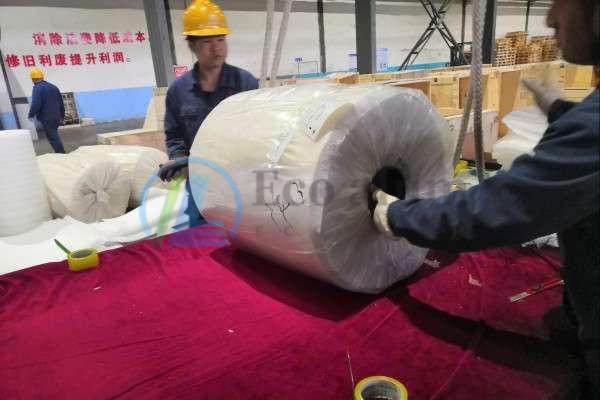
8079 aluminum foil coils and laminated finished products require constant temperature and humidity storage.
Long-term exposure to high temperature, high humidity, acid, alkali, or corrosive environments can cause surface oxidation of the aluminum foil, damage to the composite layer, and coil deformation, destroying the barrier structure and ultimately reducing moisture-proof performance.
A standardized warehousing environment is a crucial link in ensuring stable product performance.
X. Conclusion
With its ultra-low water vapor transmission rate, zero-pinhole high barrier, excellent flexibility and deep-processing performance, and safe, non-toxic material characteristics, 8079 moisture-proof aluminum foil has become an indispensable functional substrate in the high-end packaging field.
Compared to ordinary aluminum foil, it thoroughly solves industry pain points like moisture absorption, oxidation, deterioration, and damage in traditional packaging.
It can adapt to high-end moisture-proof and fresh-keeping needs across multiple sectors including food, pharmaceuticals, pet supplies, and precision electronics.
For manufacturing enterprises pursuing high product quality, long shelf life, high packaging safety, and low loss rates, 8079 moisture-proof aluminum foil is a preferred high-end barrier packaging solution that combines both cost-effectiveness and performance.
FAQ Common Questions and Answers
Q1: Which has better moisture-proof performance, 8079 aluminum foil or 8011 aluminum foil?
Under the same thickness and process conditions, the moisture-proof performance of 8079 aluminum foil is comprehensively superior to that of 8011 aluminum foil. 8079 alloy has fewer impurities, a lower pinhole rate, a denser base material, and stronger flexibility and barrier stability. The advantage gap is particularly evident in scenarios involving ultra-thin specifications, high-humidity environments, and long-term storage.
Q2: Is 8079 aluminum foil suitable for vacuum packaging?
It is very suitable. 8079 aluminum foil offers excellent tensile strength, puncture resistance, and sealing properties. It does not crack easily or leak air in a vacuum environment, achieving ultimate moisture and oxygen barrier effects. It is a core specialized material for vacuum packaging of high-end foods and precision components.
Q3: What are the most commonly used thickness specifications for 8079 aluminum foil?
Mainstream civilian packaging commonly uses thicknesses of 7μm, 9μm, 12μm, and 15μm. Industrial high-barrier and pharmaceutical high-end packaging often select ultra-thin yet high-toughness specifications of 15μm and 20μm, which can be customized according to product moisture-proof grade requirements.
Q4: Can 8079 aluminum foil be used directly for pharmaceutical packaging?
Yes. Food and pharmaceutical grade 8079 O-temper aluminum foil is non-toxic, sterile, and free from heavy metal leaching, complying with GMP pharmaceutical packaging standards. It is the mainstream substrate for tablet blister packaging, pharmaceutical composite films, and medical device sterile packaging.
Q5: What is the core moisture-proof principle of 8079 aluminum foil?
The core principle is physical dense barrier: The 8079 aluminum alloy undergoes high-precision cold rolling to form a non-porous, high-density metal film structure. This physically blocks the penetration paths of water vapor and oxygen molecules. Combined with a high-quality base material featuring low pinholes, it achieves long-lasting moisture-proof and anti-oxidation protection.