
دليل شامل لاختيار رقائق الألومنيوم: مطابقة الدقة لـ O, H14, وH18 المزاج
أنا. مقدمة
في شراء وتطبيق رقائق الألومنيوم عبر العبوة, الأدوية, السلع المنزلية, والقطاعات الصناعية التحويلية, يركز المحترفون عادةً على درجات السبائك الأساسية مثل 8011 و 8079 لتحديد تكوين المواد الأساسية, خصائص الحاجز, والامتثال للسلامة.
لكن, في الإنتاج العملي, ال لين، لطف، هدأ (الحالة المعدنية) إن استخدام رقائق الألومنيوم هو العامل الحاسم الذي يحكم قابلية المعالجة وملاءمة الاستخدام النهائي - حيث تتساوى أهميتها مع اختيار السبائك نفسها.
الحالة الميكانيكية للرقائق تملي بشكل مباشر قوة الشد, صلابة, استطالة, المرونة, القابلية للتشكيل, وأداء الختم الحراري. يؤدي اختيار المزاج غير الصحيح في كثير من الأحيان إلى معالجة الشقوق, تشكيل العيوب, تسرب الحزمة, انخفاض عوائد الإنتاج, وزيادة مخاطر مراقبة الجودة.
يقوم هذا الدليل بتفكيك مبادئ العملية بشكل منهجي, خصائص الأداء, وسيناريوهات تطبيق المزاج السائد. جنبا إلى جنب مع معايير الصناعة, فهو يوفر إطار اختيار دقيقًا ليكون بمثابة مرجع تقني للمعالجة العميقة والتطبيقات الطرفية.
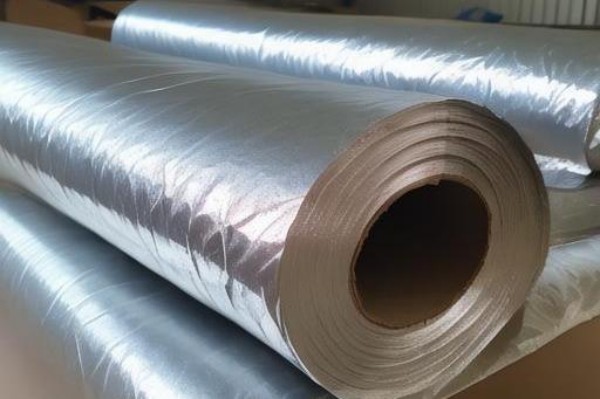
ثانيا. التعاريف الأساسية ومبادئ تشكيل رقائق الألومنيوم
تشير درجة حرارة رقائق الألومنيوم إلى حالة خواصها الميكانيكية النهائية التي يتم تحقيقها من خلال المعالجة الحرارية والحرارية. إنه نظام موحد تم تشكيله من خلال التحكم الدقيق في تصلب العمل البارد, التلدين, والتشوه البلاستيكي. المزاج هو المقياس الأساسي الذي يميز القدرة على التكيف.
2.1 تصنيف عمليات تكوين المزاج السائدة
يتم تصنيف المزاجات الصناعية في المقام الأول إلى ثلاثة أنواع بناءً على عمليات تكوينها: تصلب العمل المتداول على البارد, الصلب بدرجة حرارة عالية, والتحكم في تشوه البلاستيك. تعمل مجموعات العمليات المختلفة على تغيير قوة شد الرقاقة بشكل مباشر, صلابة السطح, استطالة, والليونة, مما أدى إلى المزاجات الثلاثة الأكثر استخدامًا: ا (صلب/ناعم), H14 (نصف صعب), و H18 (كامل الثابت).
2.2 مقارنة عملية المزاج السائد
| لين، لطف، هدأ | عملية التشكيل الأساسية | طريقة المعالجة الحرارية | تأثير العملية الرئيسية |
|---|---|---|---|
| ا (صلب/ناعم) | المتداول الباردة + الصلب الكامل لدرجة الحرارة العالية | التلدين الكامل | يزيل الإجهاد الداخلي المتبقي; استرخاء الحبوب الموحد; يزيد من اللدونة والمرونة. |
| H14 (نصف صعب) | التحكم في تشوه الدرفلة الباردة + تصلب جزئي | لا يصلب كامل; هدأ معتدل | تصلب العمل المعتدل; يوازن القوة وقابلية التشكيل الثانوية; أداء مستدير بشكل جيد. |
| H18 (كامل الثابت) | الدرفلة على البارد بدرجة عالية من التخفيض | الصلب صفر | يزيد من تصلب الدرفلة الباردة; صلابة الذروة, صلابة, ومقاومة التشوه. |
ثالثا. الأداء التفصيلي وتطبيق المزاج السائد
3.1 يا مزاج: صلب بالكامل احباط الناعمة
تخضع الرقائق المزاجية للتليين الكامل عند درجة حرارة عالية, مما يجعلها أنعم فئة متاحة. تعمل عملية التلدين على التخلص تمامًا من الضغوط الداخلية المتبقية من الدرفلة على البارد, مما أدى إلى زي موحد, هيكل حبيبي مريح يوفر مرونة ومرونة فائقة.
3.1.1 خصائص الأداء الأساسية
- استطالة عالية للغاية ومرونة انحناء فائقة.
- قدرة ممتازة على التكيف مع المعالجة الثانوية المعقدة (قابلة للطي, الرسم العميق, التصفيح).
- الحد الأدنى من الزنبرك الخلفي والتوافق الممتاز مع الالتصاق/الختم الحراري.
- الحالة المادية المثالية للمعالجة العميقة المرنة.
3.1.2 سيناريوهات التطبيق النموذجية
مناسبة في المقام الأول للتغليف المرن, بما في ذلك الحقائب الغذائية, أكياس معوجة, التعبئة والتغليف فراغ, تغطية نفطة الصيدلانية, تغليف القهوة, وأكياس أغذية الحيوانات الأليفة. تشمل المواد الغذائية الأساسية الصناعة 8079-التطبيقات الرد و 8011-التغليف المواد الغذائية العامة, تعمل كمواد أساسية للتغليف المرن عالي الجودة نظرًا لخصائصها اللدونة والحاجز المستقرة.
3.2 مزاج H14: تصلب جزئيا, رقائق ليونة متوسطة
H14 عبارة عن درجة حرارة مقوية للعمل جزئيًا يتم تحقيقها من خلال التحكم الدقيق في تقليل الدرفلة على البارد دون التلدين الكامل. إنه يضع الصلابة والقوة بين O وH18, تقديم ملف تعريف متوازن مثالي للاستخدام الصناعي متعدد الاستخدامات.
3.2.1 خصائص الأداء الأساسية
- قوة ميكانيكية معتدلة ومرونة جيدة.
- تم تحسين مقاومة الثقب والسحق بشكل ملحوظ مقارنةً بمزاج O.
- يحتفظ بقابلية التشكيل الثانوية الكافية للنقش, الختم الحراري, وقطع يموت.
- إنتاجية عالية للدفعات واستقرار قوي للعملية.
3.2.2 سيناريوهات التطبيق النموذجية
تستخدم عندما تكون القوة وقابلية التشكيل مطلوبة. وتشمل التطبيقات الأساسية رقائق نفطة PTP الصيدلانية, شرائح الختم الحراري, التفاف الكابل, والركائز المركبة الصناعية. المنتجات السائدة هي 8011-H14للبثور الصيدلانية و 8079-H14لتطبيقات الختم الحراري الصناعية.

3.3 مزاج H18: احباط جامدة تصلب بالكامل
H18 عبارة عن رقائق مقوية بالكامل يتم إنتاجها عن طريق الدرفلة على البارد عالية التخفيض دون التلدين اللاحق. إنه يزيد من تأثير تصلب العمل, تقديم أعلى صلابة, صلابة, والقوة الهيكلية بين المزاجات الثلاثة.
3.3.1 خصائص الأداء الأساسية
- ارتفاع قوة الشد, صلابة ممتازة, ومقاومة التشوه المعلقة.
- استقرار الأبعاد متفوقة; يقاوم التشويه والتزييف أثناء الختم عالي السرعة.
- وتشمل العيوب استطالة منخفضة وضعف المرونة, الحد من قدرات الرسم العميق.
3.3.2 سيناريوهات التطبيق النموذجية
مناسب للتطبيقات التي تتطلب الصلابة الهيكلية واستقرار الأبعاد بدلاً من التشكيل المعقد. يشتمل على إغلاق مقاوم للسرقة, مخزون غطاء الزجاجة, مخزون حاوية الألومنيوم, احباط المنزلية الثقيلة, وتسمية المخزون. معايير الصناعة هي 8011-H18للإغلاقات وتشكيل الحاويات.
رابعا. إرشادات لاختيار المزاج الدقيق
4.1 إعطاء الأولوية يا المزاج: للتشكيل المعقد & معالجة عميقة مرنة
حدد درجة الحرارة عندما تتضمن العملية الطي, الرسم العميق, التصفيح متعدد الطبقات, التعبئة فراغ, أو معالجة معوجة. تستوعب هذه الحالة التشوه العالي دون التشقق أو التصفيح, ضمان سلامة الختم. سبائك مفضلة: 8079-أو, 8011-ا.
4.2 إعطاء الأولوية للمزاج H14: من أجل قوة متوازنة & القابلية للتشكيل
اختر H14 عندما يتطلب التطبيق كلاً من مقاومة الثقب/السحق والعمليات الثانوية (قطع يموت, الختم الحراري). إنه يوفر مقاومة أفضل للضرر من درجة حرارة O مع الحفاظ على قابلية التشكيل أكثر من H18. إنه الاختيار العام للشرائح الصيدلانية والصناعية.
4.3 إعطاء الأولوية للمزاج H18: للصلابة & الاستقرار الأبعاد
اختر H18 للختم عالي السرعة, مكونات جامدة, والتطبيقات التي تتطلب الاحتفاظ بالشكل على المدى الطويل. صلابته العالية وخصائصه المضادة للارتداد تضمن الدقة في الإنتاج الضخم. سبائك مفضلة: 8011-H18.
الخامس. التحليل المقارن لمقاييس الأداء الأساسية
| مؤشر الأداء | يا مزاج (ناعم) | مزاج H14 (نصف صعب) | مزاج H18 (كامل الثابت) |
|---|---|---|---|
| المرونة | ممتاز | جيد | عدل |
| صلابة | قليل | واسطة | عالي |
| القوة الميكانيكية | قليل | واسطة | عالي |
| استطالة | عالي | واسطة | قليل |
| القدرة على الرسم العميق | ممتاز | جيد | محدود |
| القابلية للتشكيل بشكل عام | ممتاز | جيد | عدل |
| مقاومة التشوه | ضعيف | واسطة | قوي |
| ملاءمة التغليف المرنة | ممتاز | جيد | محدود |
سادسا. خطط الاختيار الدقيق حسب قطاع الصناعة
تظهر الصناعات التطبيقية المختلفة اختلافات كبيرة في تقنيات المعالجة, ظروف التشغيل الطرفية, ومعايير الجودة. متطلبات المرونة, القوة الهيكلية, خصائص الحاجز, دقة التشكيل, ومقاومة درجات الحرارة تختلف بشكل كبير.
من خلال الجمع بين خصائص السبائك السائدة (8011, 8079) مع ملفات تعريف أداء O, H14, وH18 المزاجية, نحن نقدم تفصيلًا تفصيليًا لقطاعات التطبيقات الرئيسية أدناه. وهذا يشمل توصيات المنتج النهائية, مزايا العملية الأساسية, والسيناريوهات المحظورة, تتماشى تمامًا مع الإنتاج الضخم الصناعي ومتطلبات المعالجة العميقة المتطورة.
6.1 تغليف المواد الغذائية المرنة (الأطعمة الخفيفة, الحقائب فراغ, بيع بالتجزئة)
- الاختيار الموصى به: 8011-أو, 8079-ا
- السيناريوهات الفرعية القابلة للتطبيق:شرائح طعام خفيفة متعددة الطبقات, أفلام الألومنيوم والبلاستيك المركبة, عبوات الحفاظ على الفراغ القياسية, الأختام الغذائية المحيطة, والتغليف الخارجي المركب للشاي / القهوة بالحليب.
- الأساس المنطقي للاختيار المتعمق:
في عبوات مرنة, وضع الفشل الأساسي هو التكسير الميكانيكي أثناء عملية التشكيل والتعبئة عالية السرعة. تخضع الرقائق المزاجية للتليين الكامل, مما يؤدي إلى أقصى قدر من اللدونة والاستطالة مع عدم وجود ضغوط داخلية. وهذا يسمح للمادة بالتمدد بشكل موحد أثناء إنشاء ألواح التقوية, أكياس كتلة القاع, وحزم الجلد المفرغة دون ظهور شقوق دقيقة أو ثقوب.
8011-اهو العمود الفقري لهذه الصناعة, تقدم كفاءة ممتازة من حيث التكلفة وأداء معالجة مستقر لتطبيقات الأغذية الجافة. 8079-ا, لكن, يمتلك بنية حبيبية أدق ونقاء أعلى. إنه يوفر قوة ربط فائقة مع طبقات البوليمر المجاورة (حيوان أليف, PE, تكلفة المكالمة الهاتفية) ويسلك عدد الثقب أقل بكثير. هذا الحاجز المعزز ضد الأكسجين, انتقال بخار الرطوبة (MVTR), والضوء أمر بالغ الأهمية لإطالة العمر الافتراضي للمنتجات الحساسة مثل المكسرات, حبوب البن, واللحوم المعالجة. بالإضافة إلى, تضمن الطبيعة الناعمة لمزاج O سلامة متسقة للختم الحراري عبر الأسطح غير المنتظمة, تلبية المعايير العالمية الصارمة لسلامة الاتصال الغذائي (ادارة الاغذية والعقاقير, الاتحاد الأوروبي 10/2011).
- تحذير بشأن التحديد الحرج:لا تستبدل أبدًا أعصاب H14 أو H18. استطالتها المحدودة ستؤدي حتمًا إلى كسور شعرية أثناء عملية صنع الأكياس, مما أدى إلى “المتسربين,” تلف المنتج, وتذكرات مكلفة.
6.2 التعبئة والتغليف الصيدلانية (بثور PTP, غطاء المخزون)
- الاختيار الموصى به:8011-H14, 8079-H14
- السيناريوهات الفرعية القابلة للتطبيق:حزمة الدفع (PTP) غطاء للأقراص والكبسولات, شرائح تحميلة, مخزون ختم الأجهزة الطبية, وأكياس جرعة الوحدة.
- الأساس المنطقي للاختيار المتعمق:
يمثل تغليف الفقاعة الصيدلانية مفارقة هندسية فريدة من نوعها: يجب أن تكون الرقاقة ناعمة بدرجة كافية لتكوين ختم محكم مثالي فوق شبكة PVC/PVDC/Aclar, ومع ذلك فهي صلبة بما يكفي لمقاومة الثقب الناتج عن الحواف الحادة للأقراص المضغوطة أثناء التغليف عالي السرعة والتعامل اللوجستي اللاحق.
H14 (نصف صعب)المزاج يحل هذه المفارقة. إنها تمتلك ليونة متبقية كافية لتتوافق مع قبة البثرة أثناء الختم الحراري, ضمان عدم وجود عيوب في النفق. معًا, توفر قوة الشد المعتدلة مقاومة قوية للثقب ضد الصدمات الميكانيكية والضغط. 8079-H14غالبًا ما يتم تحديده لواجهات برمجة التطبيقات عالية القيمة (المكونات الصيدلانية الفعالة) لأن محتوى التضمين المنخفض ونظافة السطح العالية تقلل من خطر التلوث بالجسيمات والمواد المستخرجة, الامتثال لجامعة جنوب المحيط الهادئ <661> و إب 3.1.3 المعايير. يضمن ثبات المزاج أداءً متسقًا للقطع بسرعات تتجاوز 400 بثور في الدقيقة.
- تحذير بشأن التحديد الحرج: يا مزاج يفتقر إلى القوة المسيل للدموع اللازمة, يؤدي إلى “اختراق” الفشل. مزاج H18 هش للغاية, مما أدى إلى 100% معدلات الرفض خلال مراحل التشكيل الحراري والعقص.
6.3 معوجة تغليف الحقيبة (وجبات جاهزة, أغذية الحيوانات الأليفة, الأطعمة المعقمة)
- الاختيار الموصى به: 8079-أو
- السيناريوهات الفرعية القابلة للتطبيق:وجبات جاهزة للأكل ثابتة على الرف (121دورات معوجة درجة مئوية – 135 درجة مئوية), اللحوم المعلبة المعبأة بالفراغ, أكياس أغذية الحيوانات الأليفة الممتازة, والمقبلات المجمدة إلى الطاولة.
- الأساس المنطقي للاختيار المتعمق:
معالجة المعوجة هي البيئة الأكثر عقابًا لرقائق الألومنيوم. مزيج من ارتفاع درجة الحرارة, ارتفاع الضغط, والبخار المشبع يخلق ظروف إجهاد شديدة. أي تصلب العمل المتبقي (كما هو موجود في H- المزاج) بمثابة عيب كامن; عند تعرضه للحرارة, الضغوط الداخلية تسعى إلى التوازن, مما يتسبب في أن تصبح الرقائق هشة, يتقلص, أو تتشقق على طول خطوط الطي.
8079-االمزاج هو الحل الوحيد القابل للتطبيق. بنيتها المجهرية المعاد بلورتها بالكامل مستقرة حرارياً; لا يعاني من التقصف الناتج عن الإجهاد أثناء التعقيم. بالإضافة إلى ذلك, 8079 توفر السبائك تسامحًا أكثر إحكامًا وخصائص ترطيب سطحية فائقة. وهذا يضمن أن الطبقات اللاصقة (عادة على أساس البولي يوريثين) تحقيق أقصى قدر من الارتباط المتقاطع مع الرقائق, منع التصفيح (تقرحات) بين طبقات الألومنيوم والنايلون/البولي بروبيلين أثناء دورة التعقيم. والنتيجة هي الحقيبة التي تظل مرنة وقوية طوال فترة صلاحيتها, حتى بعد الصدمة الحرارية.
- تحذير بشأن التحديد الحرج:جميع الطباع المتصلبة (H14, H18) ممنوع منعا باتا. إن خطر فشل الختم الكارثي والثقب في ظل ظروف المعوجة مضمون تقريبًا.
6.4 إغلاق مقاوم للسرقة & تصنيع أغطية الزجاجات
- الاختيار الموصى به: 8011-H18
- السيناريوهات الفرعية القابلة للتطبيق:كبسولات النبيذ والمشروبات الروحية, قذائف إغلاق المشروبات, قبعات الخيوط الغذائية, الأختام التجميلية الواضحة, وإغلاق الألبان.
- الأساس المنطقي للاختيار المتعمق:
يعتمد تصنيع الإغلاق على ختم القالب التدريجي فائق السرعة (غالباً >600 ضربات في الدقيقة). الشرط الأساسي هو صفر الربيع. بعد أن يتم رسم الغطاء وتشكيله, يجب أن يحافظ على شكله الأسطواني بدقة على مستوى الميكرون ليناسب رأس الغطاء والخيط على عنق الزجاجة بشكل صحيح.
H18 (كامل الثابت)يوفر المزاج الصلابة اللازمة. لأنه يتجاوز الصلب تماما, تعمل الحبوب المعالجة على البارد على إنشاء مادة تتمتع بأقصى قوة شد ومعامل مرونة. وهذا يمنع “تعليب الزيت” التأثير وزحف الأبعاد المرتبط بالتقلبات الناعمة. 8011-يوفر H18 تجانسًا ممتازًا للسطح للطباعة والتلميع عالي الدقة. وتضمن صلابتها أيضًا أن تنكسر خطوط الحز والتمزق الموجودة على الحلقات المقاومة للسرقة بشكل نظيف ويمكن التنبؤ به أثناء فتح المستهلك, تعزيز تجربة المستخدم.
- تحذير بشأن التحديد الحرج: تمتلك درجات الحرارة O أو H14 قوة إنتاج غير كافية. ستظهر القذائف المختومة شديدة “حلق” و سبرينغباك, مما يجعلها غير قادرة على اجتياز اختبارات منع التسرب المطلوبة للمشروبات الغازية أو المشروبات الروحية.
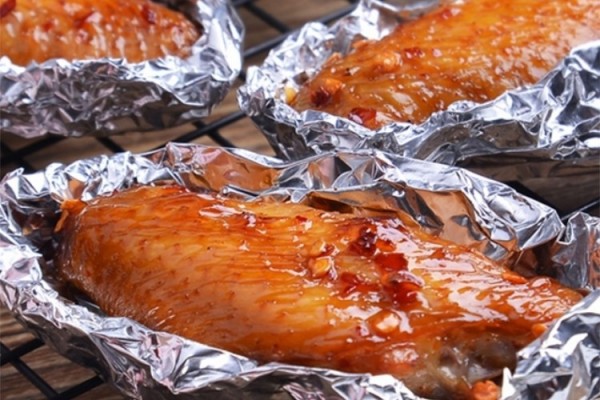
6.5 الحاويات المنزلية & منتجات الألمنيوم الصلبة
- الاختيار الموصى به: 8011-H18, 3003-H18 (لأشكال محددة)
- السيناريوهات الفرعية القابلة للتطبيق:صواني الطيران وتقديم الطعام للاستعمال مرة واحدة, حاويات إخراج متعددة الأقسام, أوعية شواء للشواء, قوالب المخابز, ولفائف الرقائق المنزلية شديدة التحمل.
- الأساس المنطقي للاختيار المتعمق:
السمة المميزة لحاويات الألومنيوم هي “صلابة الوقوف.”على عكس الحقائب المرنة, يجب أن تتحمل الحاويات وزنها عندما تكون فارغة وتقاوم التشوه عندما تكون مملوءة بالأطعمة الكثيفة (على سبيل المثال, لازانيا أو لحم نيئ).
8011-H18يوفر العمود الفقري الهيكلي اللازم لهذه التطبيقات. خلال عملية الرسم العميق متعددة المراحل, يضمن المزاج H18 بقاء الجدران الجانبية للحاوية مستقيمة وعمودية دون الانهيار. تعتبر هذه الصلابة العالية ضرورية أيضًا لأداء الحاوية في الأفران الحرارية وعلى الشوايات, حيث يحدث التليين الحراري; تؤخر حالة H18 ظهور الفشل الهيكلي عند درجات حرارة مرتفعة لفترة أطول من حالات التلدين. بالإضافة إلى, تعمل صلابة السطح العالية لـ H18 على تقليل الخدش والجرجر أثناء مرحلة التشكيل عالية الاحتكاك في الإنتاج, تحسين المظهر الجمالي للمنتج النهائي.
- ملاحظة على اختيار السبائك:في حين أن 8011-H18 هو المعيار لمعظم الحاويات, 3003-غالبًا ما يتم اختيار H18 لصواني المخابز ذات السحب الأعمق أو الأكثر تعقيدًا نظرًا لقوتها الأعلى قليلاً وأفضل “قابلية السحب” في أدوات التجويف العميق.
6.6 كابل & التغليف الكهربائي
- الاختيار الموصى به:8011-H14, 8079-H14
- السيناريوهات الفرعية القابلة للتطبيق:حماية كابلات الاتصالات (تردد الراديو/EMI), حواجز رطوبة كابل الطاقة, ربط الكابلات المحورية, وتغليف العزل الحراري للخزائن الكهربائية.
- الأساس المنطقي للاختيار المتعمق:
يتطلب تغليف الكابل مزاجًا يمكنه سد الفجوة بينهما “المطابقة” و “المتانة.” يجب أن تكون الرقاقة مرنة بدرجة كافية لتلتف بإحكام حول غلاف من الألومنيوم المموج أو الأملس دون أن تتجعد, ومع ذلك فهو قوي بما يكفي لتحمل قوى الشد الناتجة عن عملية الشريط الطولي ومقاومة التشقق في حالة ثني الكابل بشكل حاد أثناء التثبيت.
مزاج H14هو الحل الهندسي. إنها صلبة بما يكفي لمقاومة التلسكوب على بكرة الدفع وتوفر قوة كافية للطوق للبقاء مشدودًا حول قلب الكابل. حاسمة, فهو يوفر استطالة أفضل من H18, مما يعني أنه يمكنه تحمل استطالة الكابل أثناء السحب دون أن ينكسر. 8079-غالبًا ما يُفضل H14 لكابلات البيانات عالية التردد نظرًا لأن سطحه الأنظف وتحمله الأكثر إحكامًا للسمك يضمنان تداخلًا ثابتًا وفعالية حماية فائقة ضد التداخل الكهرومغناطيسي (إيمي).
- فارق بسيط في الاختيار:بينما يستخدم H18 أحيانًا لتقوية الحلقات, H14 هو المعيار العالمي للتغليف والتصفيح الطولي المستمر.
6.7 طباعة الملصقات & شرائح الديكور
- الاختيار الموصى به: 8011-H18, 1050-H18 / 1060-H18
- السيناريوهات الفرعية القابلة للتطبيق:لاصق حساس للضغط (دعم البرامج والإدارة) مخزون التسمية, تسميات عنق البيرة, النقش كبسولة النبيذ, رقائق ثلاثية الأبعاد, وشرائح الأثاث المزخرفة.
- الأساس المنطقي للاختيار المتعمق:
في صناعة التحويل, استقرار الأبعادهي الكأس المقدسة. تتطلب مكابس الطباعة المطبوعة والفليكسوغرافية عالية السرعة ركيزة لا تتمدد أو تتقلص تحت ضغط المطبعة. أي اختلاف في طول الويب يؤدي إلى أخطاء في التسجيل ورسومات غير واضحة.
H18 مزاجيوفر استقرارا الأبعاد, شبكة غير تمتد. يضمن معاملها العالي أن الرقاقة تنتقل عبر المكبس بدونها “حواف فضفاضة” أو التجول على شبكة الإنترنت. يعد هذا أمرًا حيويًا بشكل خاص للطباعة الأمنية والتطبيقات الثلاثية الأبعاد حيث يلزم التسجيل على مستوى الميكرون. ما بعد الطباعة, تضمن صلابة H18 أن تكون الملصقات المقطوعة مسطحة ولا تتجعد, تسهيل وضع العلامات عالية السرعة على خطوط التعبئة. السلس, كما توفر اللمسة النهائية اللامعة لرقائق H18 تألقًا معدنيًا لا مثيل له يعزز جاذبية الرف.
- مذكرة سبائك:للتطبيقات الزخرفية التي تتطلب أعلى انعكاسية (على سبيل المثال, تركيبات الإضاءة أو شرائح متخصصة), 1غالبًا ما يتم اختيار سبائك سلسلة xxx في مزاج H18 8011 بسبب قيم الانعكاس العالية.

سابعا. مخاطر الصناعة المشتركة & نصائح التجنب
7.1 استبدال الصعب بالناعم: خطر التكسير
الخطأ المتكرر في التقدير هو الافتراض بأن الرقائق أصعب (H18) يحسن متانة الحزمة. في الواقع, يؤدي استخدام H18 في عبوات مرنة أو أكياس معوجة إلى فشل فوري. الاستطالة المنخفضة لا يمكنها استيعاب ضغوط التشكيل والتعبئة, مما أدى إلى الشقوق الصغيرة وفقدان الحاجز الكلي.
7.2 استبدال الناعم بالصلب: خطر عدم الاستقرار الأبعاد
إن محاولة توفير التكاليف باستخدام مزاج O للإغلاق أو الحاويات المختومة تؤدي إلى نتائج عكسية. يؤدي الافتقار إلى الصلابة إلى حدوث ارتداد شديد وتزييف. هذه الأخطاء في الأبعاد تمنع الختم والتجميع بشكل صحيح, يؤدي إلى 100% معدلات الرفض على الخطوط الآلية.
7.3 تجاهل احتياجات المعالجة النهائية
يجب أن يكون الاختيار مدفوعًا بخطوات التصنيع الفعلية، وتحديدًا عمق السحب, نوع الختم الحراري, وسرعة الطباعة، وليس فئة المنتج النهائي فقط. أ “مقاس واحد يناسب الجميع” يؤدي النهج المتبع في اختيار المزاج حتمًا إلى عدم كفاءة العملية وعيوب الجودة.
ثامنا. خاتمة
في النظام البيئي لتطبيق رقائق الألومنيوم, اختيار المزاج لا يقل أهمية عن اختيار السبائك. يا مزاجهو بطل المرونة والتشكيل المعقد, ضروري لصناعة التعبئة والتغليف المرنة الحديثة.
مزاج H14بمثابة العمود الفقري متعدد الاستخدامات, موازنة القوة وقابلية التشكيل للقطاعات الدوائية والصناعية المتطلبة. H18 مزاجتوفر الصلابة ودقة الأبعاد المطلوبة للختم عالي السرعة وتصنيع الحاويات الصلبة.
من خلال مواءمة المزاج الصحيح مع المتطلبات المحددة لل 8011 و 8079 عائلات سبائك, تحقق الشركات المصنعة التآزر الأمثل للأداء, كفاءة, ومراقبة التكاليف. هذا التوافق الاستراتيجي يقلل من النفايات, يزيد من الإنتاجية, ويضمن تسليم آمنة, منتجات عالية الجودة للمستهلك النهائي.