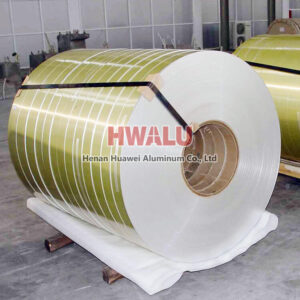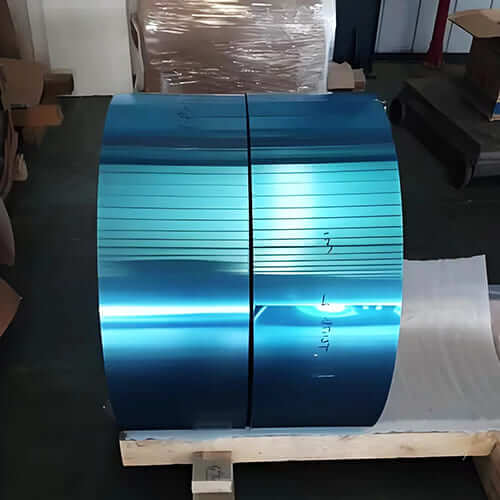
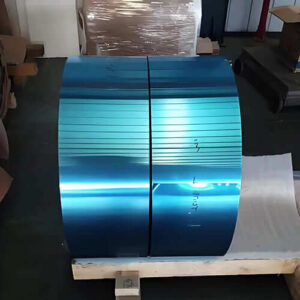
Epoxy nga adunay sapaw nga Aluminum Foil

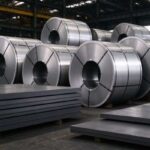
| Alloy | 1050 / 1100 / 1235 / 3003 / 8011 |
| Kasuko | O / H14 / H18 |
| Foil Trapness | 6-25 μm |
| Ang gibag-on sa coating | 2-10 μm |
| Gilid nga sapaw | Usa ka Bahin / Duha ka kilid |
| Panguna nga mga Aplikasyon | Pagputos / Elektrisidad / Pagbulag / Sa industriya |
1. Executive Summary
Ang epoxy coated aluminum foil usa ka functional aluminum foil nga produkto nga naghiusa sa balabag, gaan ang timbang, kainit, ug conductive kabtangan sa aluminum nga adunay mga proteksiyon nga kinaiya sa usa ka epoxy resin coating. Ang coating mahimong magamit sa usa o duha ka kilid sa foil, Depende sa gituyo nga aplikasyon.
Ang epoxy layer nagporma og padayon nga polymer film sa aluminum surface. Ang husto nga pag-andam sa substrate ug husto nga pag-ayo sa coating mahimong molambo pagpanalipod sa nawong, adhesion, pagbatok sa corrosion, kemikal nga pagsukol, ug pagkaangay sa pag-imprenta, lamination, o mga proseso sa pagbugkos.
Ang aktuwal nga pasundayag nagdepende pag-ayo sa pormulasyon sa resin, pretreatment, gibag-on sa coating, ug mga kondisyon sa pag-ayo. Gipakita usab sa mga pagtuon sa epoxy-coated aluminum nga ang pag-pretreat sa nawong makaapektar pag-ayo sa coating adhesion ug corrosion protection..
Ang aluminum substrate mahimong mapili gikan sa lain-laing mga haluang metal sumala sa gikinahanglan nga mekanikal ug pagproseso nga mga kinaiya. Ang kasagarang mga kapilian naglakip 1050, 1100, 1235, 3003, ug 8011.
Pananglitan, 1050 ug 1100 angay kung ang ductility ug conductivity hinungdanon, samtang 3003 naghatag og mas taas nga kusog nga adunay maayo nga pagkaporma ug 8011 nagtanyag usa ka mapuslanon nga balanse sa kusog ug pasundayag sa pagproseso sa foil.
2. Unsa ang Epoxy Coated Aluminum Foil?
2.1 Kahubitan
Ang epoxy nga adunay sapaw nga aluminum foil mao ang aluminum foil nga adunay kontrolado nga layer sa epoxy-based nga resin coating gipadapat sa usa o duha ka kilid sa substrate.
Ang aluminyo naghatag sa sukaranang pisikal nga mga kabtangan sa produkto, samtang ang epoxy coating naghatag sa nawong dugang nga gamit.
Sa yano nga mga termino:
Aluminum Foil = Barrier + Gaan ang timbang + Kusog + Thermal/Electrical Properties
Epoxy Coating = Pagpanalipod sa nawong + Adhesion + Pagbatok sa Kemikal + Functional nga Ibabaw
Dili sama sa hubo nga aluminum foil, Ang epoxy coated foil nagtanyag sa usa ka engineered surface nga mahimong ipahiangay sa mga tiggama alang sa piho nga mga kinahanglanon sama sa proteksyon sa corrosion, pagbulag, pagpatik, lamination, o bonding.
2.2 Batakang Istruktura
Ang pinakasimple nga istruktura naglangkob sa duha ka functional layers:
Epoxy Coating → Aluminum Foil
Alang sa doble nga kilid nga aplikasyon:
Epoxy Coating → Aluminum Foil → Epoxy Coating
Ang aluminum substrate naglihok isip structural ug barrier layer, samtang ang epoxy coating nanalipod sa nawong ug nagbag-o sa interaksyon niini sa palibot nga palibot.
Sa pipila ka mga aplikasyon, dugang nga mga sapaw sama sa primer, papilit, tinta, o laminate mahimong i-incorporate. Busa, ang katapusan nga pagtukod nagdepende sa gituyo nga katapusan nga paggamit.

2.3 Kalihokan sa Epoxy Coating
Ang epoxy coating naghatag usa ka panalipod ug magamit nga nawong.
Depende sa pormulasyon niini, kini mahimong molambo:
Proteksyon sa Kaagnasan
Ang coating makatabang sa paglain sa aluminum substrate gikan sa kaumog ug agresibo sa gawas nga palibot.
Hinuon, corrosion performance nagdepende sa coating continuity, adhesion, pag-andam sa substrate, ug ang mga kondisyon sa pagkaladlad.
Pagbatok sa Kemikal
Ang husto nga pagkaporma ug giayo nga epoxy coating makahatag og resistensya sa pinili nga mga kemikal, anlog, kaumog, ug uban pang media.
Ang eksaktong pagsukol kinahanglan kanunay nga mapamatud-an batok sa aktwal nga kemikal ug temperatura nga mga kondisyon.
Pagpapilit sa nawong
Ang maayo nga pagdikit tali sa epoxy film ug aluminum substrate kinahanglanon.
Ang pag-pretreat sa nawong mahimo’g mapauswag ang pagkadugtong ug dugay nga pagkaguba sa epoxy-coated aluminum..
Korte sa Electrical
Ang epoxy layer mahimo nga electrically isolate ang coated aluminum surface samtang nagpabilin ang thermal ug shielding nga mga kinaiya sa aluminum substrate..
Naghimo kini nga adunay sapaw nga foil nga mapuslanon sa pinili nga mga aplikasyon sa elektrikal ug elektroniko.
Pag-imprinta ug Lamination
Depende sa coating formulation ug surface finish, Ang epoxy coated foil makahatag ug angay nga nawong para sa sunod nga pag-imprenta, bonding, o lamination.
2.4 Single-Sided vs. Doble-Sided nga Patong
Single-Sided nga Epoxy Coating
Epoxy / Aluminum
Ang single-sided coating angayan kon usa lang ka nawong ang nagkinahanglan og proteksyon, pagbulag, o gipalambo nga adhesion.
Doble nga Gilid nga Epoxy Coating
Epoxy / Aluminum / Epoxy
Ang double-sided coating nanalipod sa duha ka ibabaw ug nahiangay sa mga aplikasyon nga nagkinahanglan og mas komprehensibo nga proteksyon sa kinaiyahan o elektrikal.
Busa ang sapaw nga bahin kinahanglan nga espesipiko sumala sa katapusan nga disenyo sa produkto.
3. Aluminum Alloys ug Epoxy Coating Types
Ang pasundayag sa epoxy coated aluminum foil nagdepende sa duha ka interconnected material nga mga pagpili:
Aluminum substrate + Sistema sa Epoxy Coating
Ang substrate nagtino sa kadaghanan sa mekanikal ug pagproseso nga kinaiya sa foil, samtang ang taklap nagtino sa mga kabtangan sa nawong ug resistensya sa kalikopan.
3.1 Kasagaran nga Aluminum Alloys
Ang lainlaing mga sinulud gipili sumala sa gikinahanglan nga kusog, ductility, conductivity, ug pagporma sa performance.
| Alloy | Kinaiya nga Kinaiya | Potensyal nga mga Aplikasyon |
|---|---|---|
| 1050 | Taas nga kaputli sa aluminyo, maayo kaayo nga ductility ug conductivity | Electrical insulation, thermal nga mga aplikasyon |
| 1100 | Maayo nga Formability, pagbatok sa corrosion, ug pagdumala | Industrial foil, pagbulag, mga aplikasyon sa pagbalhin sa kainit |
| 1235 | Maayo kaayo nga pagka-flexible ug pasundayag sa pagproseso sa foil | Nipis nga foil, kable nga foil, laminated nga mga istruktura |
| 3003 | Mas taas nga kusog nga adunay maayo nga pagkaporma | Sa industriya, Hvac, ug teknikal nga aplikasyon |
| 8011 | Maayong balanse sa kusog, pagkaarang, ug foil processability | Packaging ug industriyal nga aplikasyon |
Kini nga mga haluang metal nagsilbing komersyal nga substrate alang sa mga produkto nga adunay sapaw nga aluminyo, bisan kung ang mga tiggama kinahanglan kanunay nga mopili sa angay nga haluang metal ug kasuko base sa piho nga aplikasyon.
3.2 Mga Matang sa Epoxy Coating
Ang epoxy coatings dili usa ka unibersal nga pormulasyon. Ang lainlaing mga sistema sa resin ug mga teknolohiya sa pag-ayo makahatag sa lainlaing mga kombinasyon sa pagkadugtong, pagkaarang, kemikal nga pagsukol, Pagsukol sa kainit, ug mga kinaiya sa nawong.
Ang kasagarang mga kapilian naglakip:
Tin-aw nga Epoxy Coating
Naghatag proteksyon sa nawong samtang gipadayon ang hitsura sa metal nga substrate sa aluminyo.
Kolor nga Epoxy Coating
Naggamit ug mga pigment aron maghatag usa ka piho nga hitsura o pag-ila sa gamit. Ang mga kolor mahimong ipasibo sumala sa aplikasyon.
Food-Contact nga Epoxy Coating
Gidisenyo alang sa mga aplikasyon diin ang adunay sapaw nga nawong mahimong makontak sa pagkaon.
Ang maong mga produkto nagkinahanglan og ebalwasyon sa kompleto nga pagporma sa coating ug magamit nga mga regulasyon sa kontak sa pagkaon imbes nga magsalig lang sa termino “grado sa pagkaon.”
Epoxy Coating nga Makasukol sa Kainit
Gidisenyo alang sa mga aplikasyon nga naladlad sa taas nga temperatura. Ang aktwal nga temperatura sa serbisyo kinahanglan nga makumpirma gikan sa pagporma sa coating ug data sa pagsulay.
Epoxy Coating nga Makasukol sa Kemikal
Gidisenyo alang sa mga palibot diin ang foil mahimong makasugat og mga lana, kaumog, mga solvent, mga asido, alkalis, o ubang mga kemikal.
Ang pagsukol kinahanglan nga mapamatud-an batok sa piho nga mga kondisyon sa pagkaladlad.
Insulating Epoxy Coating
Gigamit kung gikinahanglan ang electrical isolation sa aluminum surface, lakip ang pinili nga mga aplikasyon sa elektrikal ug elektroniko.

4. Panguna nga Properties sa Epoxy Coated Aluminum Foil
Ang epoxy nga adunay sapaw nga aluminum foil naghiusa sa mga kinaiyanhon nga kabtangan sa aluminyo nga adunay functional nga pasundayag sa usa ka epoxy resin coating.
Ang katapusan nga pasundayag niini nagdepende sa aluminum subong, gawi, gibag-on sa foil, pagporma sa coating, gibag-on sa coating, pag-andam sa nawong, ug mga kondisyon sa pag-ayo.
4.1 Maayo Kaayo nga Pagsukol sa Kaagnasan
Ang epoxy coating nagporma og protective layer nga nagpamenos sa direktang kontak tali sa aluminum substrate ug umog, mga asin, ug uban pang corrosive media.
Ang maayo nga coating adhesion ug uniporme nga pagsakop hinungdanon alang sa dugay nga proteksyon.
4.2 Kusog nga Pagdugtong sa Coating
Ang usa ka husto nga giandam nga aluminum nga nawong nagtugot sa epoxy coating nga lig-on nga magbugkos sa substrate.
Ang lig-on nga adhesion makatabang sa pagpugong sa pagpanit, nag-flip, ug ahat nga taklap nga kapakyasan sa panahon sa bending, pagporma, lamination, o serbisyo.
4.3 Maayo nga Pagsukol sa Kemikal
Depende sa pormulasyon sa resin, naayo epoxy coatings makasukol sa lain-laing anlog, kaumog, mga solvent, mga asido, ug alkaline nga mga butang.
Hinuon, Ang pagsukol sa kemikal espesipiko sa pormulasyon ug kinahanglan nga mapamatud-an batok sa aktwal nga palibot sa serbisyo.
4.4 Maayo kaayo nga Surface Protection
Ang epoxy layer nanalipod sa aluminum nga nawong gikan sa direkta nga mekanikal ug environmental exposure. Kini makapauswag sa resistensya sa:
- Abrasion
- Kontaminasyon sa nawong
- Umog
- Pinili nga mga kemikal
- Pagdumala sa kadaot
4.5 Maayo nga Flexibility
Ang nipis nga epoxy coatings makapadayon sa mapuslanon nga pagka-flexible kung husto nga pagkaporma ug pag-ayo.
Kini nagtugot sa adunay sapaw nga foil nga moagi sa bending, mosalti, pagporma, ug uban pang mga converting operations nga walay sobra nga cracking o delamination.
Ang gibag-on sa coating ug ang pormulasyon sa resin kinahanglan nga ipaangay sa gikinahanglan nga lebel sa pagporma.
4.6 Pagsukol sa kainit
Ang epoxy coatings makahatag og maayo nga thermal stability, apan ang aktuwal nga operating temperatura nagdepende sa resin, sistema sa pag-ayo, ug coating gibag-on.
Alang sa taas nga temperatura nga mga aplikasyon, ang mga tiggama kinahanglan maghatag piho nga teknikal nga datos kaysa magsalig sa usa ka kinatibuk-ang rating sa temperatura.
4.7 Korte sa Electrical
Ang aluminyo kay electrically conductive, samtang ang usa ka husto nga naayo nga epoxy coating kay electrically insulating.
Kini nga kombinasyon nagtugot sa epoxy coated aluminum foil nga makahatag metallic shielding o thermal conductivity kauban ang insulasyon sa nawong sa pinili nga electrical ug electronic nga mga aplikasyon.
4.8 Maayong Barrier Performance
Ang aluminum substrate naghatag sa nag-unang babag batok sa kahayag, kaumog, gas, ug kontaminasyon sa gawas.
Ang epoxy layer makadugang sa panalipod sa nawong ug makahatag og dugang nga babag batok sa pinili nga mga hinungdan sa kinaiyahan.
Busa, ang barrier performance sa nahuman nga materyal naggikan sa hiniusa nga istruktura kaysa sa epoxy coating nga nag-inusara.
4.9 Pagkaangay sa Pag-imprinta ug Lamination
Depende sa coating formulation ug surface finish, Ang epoxy nga adunay sapaw nga aluminum foil mahimong gidisenyo alang sa sunod pagpatik, adhesive nga bonding, o lamination.
Enerhiya sa nawong, coating adhesion, ug ang mga kondisyon sa pag-ayo kinahanglang kontrolahon aron maseguro ang pagkaangay sa mga materyales sa ubos.

5. Kinaandan nga Detalye sa Epoxy Coated Aluminum Foil
Ang epoxy coated aluminum foil walay usa ka unibersal nga espesipikasyon tungod kay ang mga kinahanglanon magkalahi kaayo tali sa packaging, elektrikal, pagbulag, Hvac, ug mga aplikasyon sa industriya.
Ang mosunod nga mga bili nagrepresentar tipikal nga commercial ranges ug kinahanglang kumpirmahon sumala sa kataposang aplikasyon.
| Parameter | Kinaandan nga Espesipikasyon |
|---|---|
| Aluminum Alloy | 1050 / 1100 / 1235 / 3003 / 8011 |
| Kasuko | O / H14 / H16 / H18 / H22 / H24 |
| Foil Trapness | 6-25 μm |
| Epoxy nga sapaw | Usa ka kilid / Duha ka kilid |
| Ang gibag-on sa coating | Gibanabana. 2-10 μm |
| Nawong | Bright / Matte |
| Kolor | Klaro / Puti / Batasan |
| Lapad | Sinandoan |
| Roll Form | Coil / Roll |
| Core ID | 76 / 152 mm o Customized |
| Aplikasyon | Pagputos / Elektrisidad / Pagbulag / Sa industriya |
- Ang gibag-on sa coating magkalainlain sumala sa pagporma ug aplikasyon sa resin. Ang ubang mga produkto mahimong magkinahanglan og coating gibag-on gawas niini nga range.
6. Proseso sa Paggama sa Epoxy Coated Aluminum Foil
Ang paghimo sa epoxy coated aluminum foil naghiusa tukma nga paghimo sa aluminum foil nga adunay kontrolado nga pag-andam sa nawong ug epoxy coating.
Ang nag-unang mga lakang mao ang mosunod:
6.1 ALUMINUM FOIL PRODUCTION
Ang pinili nga aluminum subong natunaw, isalibay, init nga linukot, ug bugnaw nga giligid aron makab-ot ang gikinahanglan nga gibag-on sa foil ug kalidad sa nawong.
Mahimong i-apply ang Annealing aron makuha ang espesipikong temper.
Pagkatunaw & Casting → Hot Rolling → Cold Rolling → Annealing → Final Rolling
6.2 Paglimpyo sa nawong ug Pretreatment
Sa wala pa takpan, ang foil gilimpyohan aron makuha ang rolling oil, abog, ug uban pang mga kontaminado.
Ang pretreatment sa nawong mahimo unya nga magamit aron mapaayo ang epoxy adhesion ug proteksyon sa corrosion.
6.3 Epoxy nga sapaw
Ang epoxy resin gipadapat sa usa o duha ka kilid sa foil gamit ang kontroladong proseso sa coating.
Gibag-on sa coating, resin viscosity, katulin sa taklap, ug pagkaparehas sa nawong gikontrol pag-ayo aron makab-ot ang makanunayon nga coverage.
6.4 Pagpauga ug Pag-ayo
Ang coated foil moagi sa kontroladong proseso sa pagpainit aron mamala ug mamaayo ang epoxy layer.
Ang husto nga pag-ayo nagpalambo sa gikinahanglan adhesion, kemikal nga pagsukol, kagahian, ug thermal stability.
6.5 Pag-usik ug pag-usab
Human sa pag-ayo, ang adunay sapaw nga foil gihiwa sa gikinahanglan nga gilapdon ug gibag-o ngadto sa mga rolyo.
Tukma nga slitting ug stable winding makatabang sa pagsiguro sa hapsay nga downstream nga pagproseso.
6.6 Katapusan nga Inspeksyon sa Kalidad
Ang nahuman nga foil gisusi alang sa gibag-on sa foil, gibag-on sa coating, panagway sa nawong, coating adhesion, mekanikal nga mga kabtangan, ug kalidad sa roll.
Dugang nga mga pagsulay, sama sa kemikal o kainit nga pagsukol, mahimong ipahigayon sumala sa gituyo nga aplikasyon.

7. Epoxy Coating Gibag-on ug Performance
Ang gibag-on sa epoxy coating direkta nga makaapekto sa proteksyon, pagkaarang, adhesion, ug pagproseso sa performance sa epoxy coated aluminum foil.
Walay unibersal nga gibag-on alang sa matag aplikasyon, mao nga ang taklap kinahanglan nga mapili sumala sa palibut sa serbisyo ug proseso sa pagkakabig.
7.1 Kasagaran nga Gibag-on sa Coating
Alang sa daghang komersyal nga aplikasyon, epoxy coating gibag-on mao ang gibana-bana nga 2-10 μm.
Ang aktuwal nga espesipikasyon mahimong mas ubos o mas taas depende sa resin system ug gituyo nga paggamit.
| Ang gibag-on sa coating | Kinaiya nga Kinaiya | Angayan nga mga Konsiderasyon |
|---|---|---|
| 2–4 μm | Gaan ang timbang, manunuton, ubos nga konsumo sa materyal | Flexible foil ug gaan nga panalipod sa nawong |
| 4-7 μm | Balanse nga proteksyon ug pagka-flexible | Kinatibuk-ang mga aplikasyon sa industriya |
| 7-10 μm | Mas dako nga proteksyon sa nawong ug coverage | Mas lisud nga mga palibot |
Kini nga mga mithi tipikal nga reference range kaysa sa unibersal nga mga sumbanan. Ang labing kaayo nga gibag-on sa coating kinahanglan makumpirma pinaagi sa pagsulay nga piho sa aplikasyon.
7.3 Gibag-on sa Coating vs. Pagka-flexible
Alang sa nipis nga aluminum foil, ang sapaw kinahanglan nga makasugakod sa bending, mosalti, pagporma, ug lamination nga walay cracking o delamination.
Ang usa ka husto nga pagkaporma nga manipis nga epoxy layer makahatag proteksyon sa nawong samtang gipadayon ang pagka-flexible sa aluminum substrate.
7.4 Gibag-on sa Coating vs. Proteksyon sa Kaagnasan
Ang usa ka padayon nga epoxy film makapakunhod sa direktang pagkaladlad sa aluminum substrate ngadto sa kaumog ug corrosive media.
Hinuon, corrosion proteksyon nagdepende sa kompleto nga coating system, lakip ang pretreatment sa ibabaw, adhesion, coating pagpadayon, ug pag-ayo-dili lang ang gibag-on sa coating.
8. Epoxy Coated Aluminum Foil vs. Ang ubang mga Coated Foils
Ang lainlaing mga sistema sa patong naghatag lainlaing mga kombinasyon sa resistensya sa corrosion, pagkaarang, kemikal nga pagsukol, Pagsukol sa kainit, adhesion, ug performance sa pagproseso.
Busa, coating pagpili kinahanglan nga base sa katapusan nga aplikasyon kay sa sapaw matang lamang.
| Property | Epoxy nga adunay sapaw nga Aluminum Foil | PE adunay sapaw nga Aluminum Foil | PVDF nga adunay sapaw nga Aluminum | Acrylic adunay sapaw nga Aluminum Foil | Hubad nga Aluminum Foil |
|---|---|---|---|---|---|
| Proteksyon sa Kaagnasan | Maayo kaayo* | Maayo | Maayo kaayo | Maayo | Kasarangan |
| Pagbatok sa Kemikal | Maayo kaayo* | Maayo | Maayo kaayo | Maayo | Kasarangan |
| Pagpapilit sa sapaw | Maayo kaayo* | Maayo | Maayo | Maayo—Maayo | - |
| Pagka-flexible | maayo* | Maayo kaayo | Maayo | Maayo—Maayo | Maayo kaayo |
| Kalig-on sa nawong | Maayo kaayo* | Maayo | Maayo kaayo | Maayo | Limate |
| Pagsukol sa kainit | Maayo—Maayo* | Kasarangan | Maayo kaayo | Kasarangan-Maayo | Maayo kaayo |
| Korte sa Electrical | Maayo kaayo | Maayo kaayo | Maayo kaayo | Maayo | Wala |
| Pagkaangay sa Pag-imprinta | Maayo—Maayo* | Maayo | Maayo | Maayo kaayo | Nagkinahanglan sa ibabaw nga pagtambal |
| Kasagaran nga gigamit | Sa industriya, pagputos, pagbulag, elektrikal | Pagputos, lamination | Arkitektural ug industriyal | Pag-imprinta ug pagputos | Kinatibuk-ang mga aplikasyon sa foil |
- Ang performance magkalahi sumala sa pagporma sa resin, gibag-on sa coating, pretreatment, ug mga kondisyon sa pag-ayo.

9. Epoxy Coated Aluminum Foil para sa Pharmaceutical ug Food Packaging
Ang epoxy coated aluminum foil mahimong gamiton sa pinili mga aplikasyon sa pagputos sa parmasyutiko ug pagkaon diin ang mga kabtangan sa babag sa aluminyo kinahanglan nga ikombinar sa usa ka panalipod ug magamit nga adunay sapaw nga nawong.
Hinuon, pagpili sa taklap alang sa regulated packaging nagkinahanglan labaw pa kay sa kinatibuk-ang corrosion o adhesion performance.
Ang kompleto nga sistema sa materyal kinahanglan magtagbo sa mga kinahanglanon sa gitumong nga produkto ug merkado.
9.1 Pharmaceutical Packaging
Ang aluminyo nga foil naghatag usa ka epektibo nga babag batok kahayag, kaumog, oksiheno, ug kontaminasyon sa gawas, samtang ang epoxy coating makapanalipod sa aluminum surface ug makapauswag sa pagkaangay sa pag-imprenta, bonding, o uban pang mga layer sa packaging.
Ang mga potensyal nga aplikasyon naglakip:
- Mga pagsira sa pharmaceutical
- Lidding ug sealing nga mga sangkap
- Laminated nga mga istruktura sa pagputos
- Pinili nga mga sistema sa pagputos sa tablet ug kapsula
Alang sa paggamit sa pharmaceutical, importante nga mga konsiderasyon naglakip Koloridad sa Coating Opted, pagkaangay sa kemikal, mga extractable ug leachable kung mahimo, adhesion, kalimpyo, ug batch traceability.
Ang pormulasyon sa epoxy kinahanglan nga pilion nga espesipiko alang sa gituyo nga istruktura sa pagputos sa parmasyutiko kaysa sa paghunahuna nga ang tanan nga epoxy coatings angay alang sa direkta o dili direkta nga kontak sa parmasyutiko..
9.2 Packaging sa Pagkaon
Ang epoxy coated aluminum foil mahimo usab nga gamiton alang sa pinili nga mga aplikasyon sa pagputos sa pagkaon, ilabi na kung diin naghatag ang coating:
- Panalipod sa nawong
- Pagbatok sa kaagnasan
- Mas maayo nga adhesion
- Pagkaangay sa pagbugkos o pagbugkos
- Usa ka angay nga nawong alang sa pag-imprinta
Ang mga potensyal nga aplikasyon naglakip:
- Mga tabon sa sudlanan sa pagkaon
- Pagsira sa botelya ug garapon
- Mga materyales sa pagbugkos
- Laminated nga pakete
Alang sa mga aplikasyon sa kontak sa pagkaon, “adunay sapaw sa epoxy” dili awtomatikong nagpasabot “luwas sa pagkaon.”
Ang mga tiggama kinahanglan nga magtimbang-timbang sa pagporma sa coating, sistema sa pag-ayo, substrate, gituyo nga matang sa pagkaon, temperatura, oras sa pagkontak, ug mga regulasyon nga espesipiko sa merkado alang sa gituyo nga aplikasyon.
9.3 Pagpili sa Coating para sa Regulated Packaging
Ang usa ka angay nga sistema sa patong kinahanglan nga susihon sumala sa kompleto nga istruktura sa pagputos.
| Kinahanglanon | Pangunang Pagkonsiderar |
|---|---|
| Kontak sa Pagkaon | Magamit nga mga regulasyon sa kontak sa pagkaon ug mga kinahanglanon sa paglalin |
| Pharmaceutical Packaging | Pagkaangay sa produkto ug magamit nga mga kinahanglanon sa regulasyon |
| Adhesion | Ang kalig-on sa bond tali sa epoxy ug aluminum |
| Pagbatok sa Kemikal | Pagbatok sa aktuwal nga produkto ug pagproseso nga palibot |
| Pagsukol sa kainit | Pagbugis, sterilisasyon, ug temperatura sa pagtipig |
| Pagka-flexible | Pagduko, pagporma, ug mga kinahanglanon sa pagkabig |
| Kalidad sa nawong | Pagkaparehas, kalimpyo, ug pagkontrol sa depekto |
| Pagkamasubay | Batch identification ug kalidad nga dokumentasyon |
10. Panapos
Ang epoxy nga adunay sapaw nga aluminum foil naghiusa sa balabag, gaan ang timbang, kainit, ug conductive nga mga kinaiya sa aluminum nga adunay proteksiyon ug functional nga mga kabtangan sa usa ka epoxy coating.
Ang panguna nga mga bentaha niini naglakip maayo nga proteksyon sa corrosion, lig-on nga adhesion, kemikal nga pagsukol, kalig-on sa nawong, electrical insulasyon, ug pagkaangay sa pinili nga mga proseso sa pag-imprinta ug lamination.
Hinuon, walay usa ka detalye nga angay alang sa matag aplikasyon. Ang performance sa nahuman nga materyal nagdepende sa aluminum subong, gawi, gibag-on sa foil, pretreatment sa ibabaw, pagporma sa epoxy, gibag-on sa coating, ug mga kondisyon sa pag-ayo.
Para sa pharmaceutical ug food packaging, Ang pagpili sa coating nagkinahanglan og partikular nga pagtagad. Ang termino nga "epoxy" lamang wala nagpamatuod sa pagkaangay sa usa ka coating alang sa pagkaon o kontak sa parmasyutika..
Ang gituyo nga merkado ug aplikasyon nagtino sa mga kinahanglanon alang sa pagsunod sa regulasyon, mga kinaiya sa paglalin, pagkaangay sa kemikal, ug ang kompleto nga istruktura sa pagputos.
Alang sa industriyal, elektrikal, Hvac, pagbulag, ug mga aplikasyon sa pagputos, ang labing epektibo nga pamaagi mao ang pagpili sa coating system sumala sa aktuwal nga serbisyo sa palibot ug mga kinahanglanon sa pagproseso sa ubos.
FAQS
1. Unsa ang epoxy coated aluminum foil?
Ang epoxy coated aluminum foil mao ang aluminum foil nga adunay epoxy-based resin coating nga gipadapat sa usa o duha ka kilid.. Ang coating naghatag dugang nga proteksyon sa nawong, adhesion, kemikal nga pagsukol, o electrical insulasyon.
2. Unsa nga mga aluminum alloy ang mahimong gamiton alang sa epoxy coated foil?
Ang kasagarang mga kapilian sa substrate naglakip 1050, 1100, 1235, 3003, ug 8011, depende sa gikinahanglang kusog, ductility, conductivity, ug pagporma sa performance.
3. Unsa ang kasagaran nga gibag-on sa epoxy coating?
Ang usa ka komon nga komersyal nga range mao ang gibana-bana 2-10 μm, apan ang angay nga gibag-on sa coating nagdepende sa aplikasyon, sistema sa resin, ug gikinahanglan nga performance.
4. Mahimo bang gamiton ang epoxy coated aluminum foil alang sa pagputos sa pagkaon?
Oo, pinili nga epoxy adunay sapaw aluminum foil mahimong gamiton alang sa pagkaon-packaging aplikasyon. Hinuon, ang Ang espesipikong pagporma sa coating ug kompleto nga istruktura sa pagputos kinahanglan nga magsunod sa mga kinahanglanon nga kontak sa pagkaon.
5. Ang tanan ba nga epoxy adunay sapaw nga aluminum foil nga grado sa pagkaon?
Wala. Ang usa ka epoxy coating dili awtomatiko nga nagsunod sa kontak sa pagkaon. Ang pagkaangay sa kontak sa pagkaon nagdepende sa piho nga pormulasyon, proseso sa paggama, gituyo nga mga kondisyon sa paggamit, ug magamit nga mga regulasyon.
6. Mahimo bang gamiton ang epoxy coated aluminum foil alang sa pharmaceutical packaging?
Oo, pinili nga mga grado mahimong gamiton sa pharmaceutical packaging ug mga sangkap. Ang coating ug aluminum substrate kinahanglan nga nahiuyon sa gituyo nga istruktura sa pagputos ug magamit nga mga kinahanglanon sa regulasyon.
7. Ang epoxy nga adunay sapaw nga aluminum foil nga elektrikal nga insulating?
Ang aluminum substrate mismo nagpabilin nga electrically conductive, apan ang Ang epoxy coating makahatag ug electrical insulation sa coated surface. Ang aktuwal nga dielectric nga pasundayag nagdepende sa pagporma sa coating ug gibag-on.
8. Mahimo bang laminated ang epoxy coated aluminum foil?
Oo. Depende sa coating formulation ug surface properties, Ang epoxy nga adunay sapaw nga foil mahimong ilakip sa mga laminated nga istruktura. Pagkaangay tali sa epoxy nga nawong, papilit, ug ang laminate kinahanglan nga mapamatud-an sa dili pa ang paghimo.