
Introduzione: U Materiale Core per l'Ingenieria Ligera
U fogliu d'aluminiu Honeycomb hè u materiale di basa specializatu utilizatu per a fabricazione nuclei di nido d'ape d'aluminiu. Cum'è un core tipicu di struttura sandwich ligera, u nidu d'ape ottene una rigidità specifica eccezziunale è una forza specifica per via di a so geometria esagonale unica. Hè largamente utilizatu in campi cù esigenze strette per u pesu, rigidità, e prestazioni di fatigue, cum'è i veiculi aerospaziali, trasportu ferroviariu à alta velocità, superstrutture di navi, è sistemi di muru cortina di custruzzione high-end.
Sta guida hà u scopu di spiegà sistematicamente, da a perspettiva di a scienza di i materiali è l'ingegneria di fabricazione, lu proprietà metallurgiche di ligami, tecnulugia di trattamentu di a superficia, prucessi di laminazione di precisione, indicatori chjave di rendiment, è a so rilazioni cù u cumpurtamentu meccanicu finali di u core di favo. Serve cum'è un riferimentu tecnicu prufessiunale basatu nantu à e pratiche è i standard di l'industria per l'ingegneri, specialisti in l'acquistu, è i pruduttori.
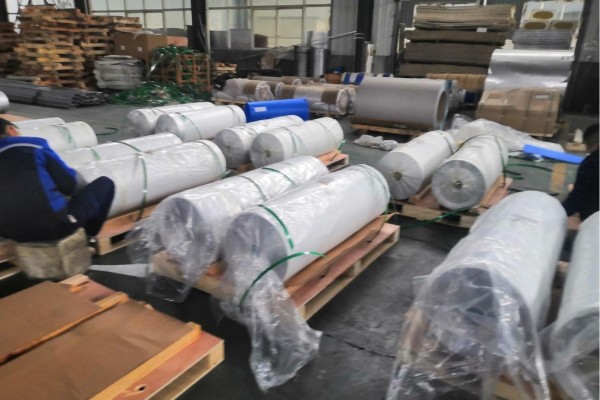
1. Foil d'aluminium à nid d'abeille: Definizione è Funzione Core
U fogliu d'aluminiu Honeycomb si riferisce specificamente à a striscia d'aluminiu chì hè stata calibre precisamente da laminati a fredu à ultra-sottili (tipicamente 0,03-0,08 mm)è rivestitu cù un revestimentu di cunversione specializatu (p.e., cromati). A so funzione core hè di furmà i mura di e cellule di nido d'ape esagonale disposte regularmente attraversu i passi di fabricazione successivi.: stampa adesiva periodica, impilà, curà, è espansione.
Tavulinu 1: Definizione Tecnica Basa di Foil d'Aluminiu Honeycomb
| Articulu | Descrizzione tecnica & Requisiti |
|---|---|
| Forma Materiale. | Lamina metallica ultra-sottile |
| Funzione Core. | Forma i muri portanti di e cellule di favo, cunvertisce carichi planari in stress assiali in i muri di e cellule. |
| Trattamentu di superficia critica. | Rivestimentu di cunversione di cromati (o alternative senza cromu ecologicu) per rinfurzà a resistenza à a corrosione è a durabilità di l'aderenza. |
| Gamma di spessore. | 0.03 mm - 0.08 mm (cumuni), calibri più sottili (p.e., 0.02mm) per nuclei ultraleggeri. |
| Serie di lega primaria. | 3serie xxx (p.e., 3003), 1serie xxx (p.e., 1100), 5serie xxx (p.e., 5052). |
| Temperu. | H18 o H19 (Pienu duru), per assicurà a rigidità di u buckling cumpressivu di e pareti di e cellule. |
| Focus di cuntrollu di qualità. | Tolleranza di spessore, pulizia di a superficia, uniformità di u rivestimentu, cunsistenza di e proprietà meccaniche. |
2. Principiu di Meccanica Strutturale di Cores Honeycomb è u Role di Foil
E proprietà meccaniche di i nuclei di favo d'aluminiu derivanu da a so topologia geomètrica. Quandu sò sottumessi à carichi di compressione o di cisura perpendiculari à i fogli di faccia, i muri di e cellule di nidi d'ape sò sottumessi principalmente compressione assiale o curvatura. E so proprietà meccaniche equivalenti (p.e., modulu elasticu equivalente, modulu di tagliolu) anu definitu relazioni funziunali cù e proprietà intrinseche di u materiale di foil (E, σs) è i paràmetri geomettichi di u favo (spessore di foglia t, dimensione cellula L).
Tavulinu 2: Spiegazione meccanica di Honeycomb Structure Vantaghji
| Vantaggio di rendiment | Significatu di l'ingegneria & Meccanismu |
|---|---|
| Rigidità / Forza Specifica eccezziunale eccezziunale. | Aumenta significativamente u mumentu di inerzia di a sezione trasversale à traversu una struttura cava, ottenendu un'eccellente rigidità di curvatura cù materiale minimu. |
| Eccellente Rendimentu di Cumpressione / Cistella. | A deformazione progressiva di deformazione di e pareti cellulare assorbe efficacemente l'energia d'impattu, spessu usatu in i zoni di gestione di l'energia di crash. |
| Bon isolamentu termale / acusticu. | E cellule di favo sigillate creanu numerosi camere d'aria statiche, bluccà in modu efficace u flussu di calore è a trasmissione di l'onda sonora. |
| Eccellente stabilità in u pianu. | Fornisce un supportu cuntinuu per i fogli di faccia superiore è inferiore, impediscenu u buckling locale sottu compressione. |
U rolu chjave di Foil: U grossu di u fogliu (t) determina direttamente l'area di a sezione trasversale di i muri di e cellule è hè u fattore primariuchì affettanu u core forza di compressione è rigidità di taglio. A forza di rendiment di u materiale (σs) determina u limitu di carica di u core.
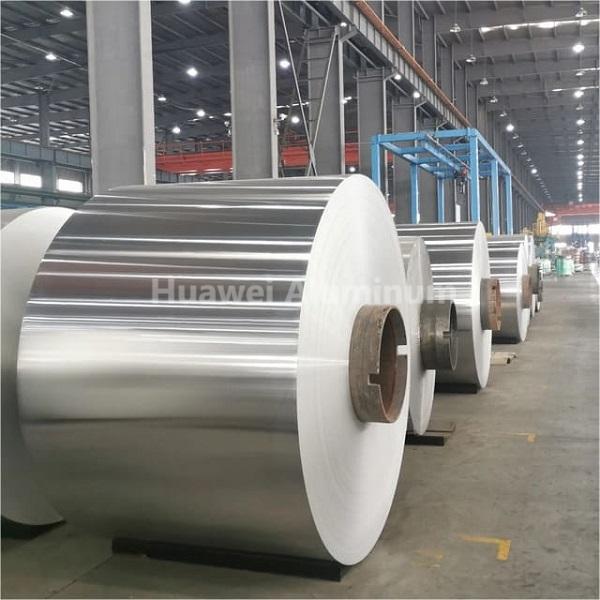
3. Trattamentu di cromati: A necessità, Meccanismu, è u cuntrollu di u prucessu
A superficia di foglia d'aluminiu micca trattata anu un film d'ossidu naturali chì furnisce una adesione debule è inestabile à l'adesivi polimeri.. Trattamentu di cunversione di cromati forma chimicamente a film passivu amorfu cumplessu chì cuntene cromu trivalente è esavalentenantu à a superficia d'aluminiu.
Valore Core di u Trattamentu:
- Aumenta a durabilità di u Bond Adhesive: U revestimentu di cunversione furnisce una superficia attiva ricca in gruppi -OH, formando forti legami chimichi è intrecciamenti fisici cù adesivi cum'è resine epossidiche o fenoliche.
- Miglia a resistenza à a corrosione di u substratu: A film agisce cum'è una barriera, ritardà in modu efficace a corrosione elettrochimica di u sustrato d'aluminiu in ambienti duri (Umadità, spray sali), impediscenu fallimentu adesivu per via di a corrosione di u sustrato.
- Assicura a finestra di prucessu: Una cundizione di superficia stabile guarantisci a coerenza in i prucessi di stampa adesiva è di laminatura, chì hè essenziale per ottene linee adesive uniformi è alta forza di node.
Tavulinu 3: Comparazione di prestazioni: Cromate vs. Rivestimenti di cunversione senza cromu
| Indicatore di rendiment | Rivestimentu tradiziunale di cromati | Rivestimentu di cunversione senza cromu (p.e., Basatu in Zr / Ti) |
|---|---|---|
| Resistenza à a corrosione. | Eccellente (cuntene Cr6+ auto-guarigione) | Bonu per eccellenti (dipende da a densità di u revestimentu) |
| Prestazione di Bond Adhesive. | Eccellente, pruvata à longu andà | Bonu per eccellenti, altamente dipendente da a formulazione |
| Impattu Ambientale. | Pauvre (cuntene Cr6+ carcinogeni, strettamente limitati da RoHS/REACH) | Eccellente, ùn cuntene micca metalli pisanti periculosi |
| Costu. | Relativamente Bassu | Tipicamente più altu |
| Aree d'applicazione primaria. | Aerospaziale, militari, è altri campi esentati di altu rendiment. | U trasportu ferroviariu, architettura, industriale generale, è altri campi cummerciale. |
4. Selezzione Ingegneria di Alloys: Una prospettiva metallurgica
A selezzione di lega hè un equilibriu di rendiment, costu, e manufacturability. L'aliaghji cumuni per u fogliu di favo è e so caratteristiche metallurgiche sò i seguenti:
Tavulinu 4: Analisi di e caratteristiche di l'ingegneria di Alloys Foil d'Aluminium Honeycomb cumuni
| Designazione di a lega | Elementi principali di Alloying | Temperu tipicu | Caratteristiche chjave & Meccanismu | Scenarii di l'applicazione primaria |
|---|---|---|---|---|
| 3003 | Al-mn (Mn ~ 1,2%) | H18/H19 | U megliu rendimentu generale. U rinforzu di suluzione solidu da Mn migliurà a forza mentre mantene una bona formabilità; A fase MnAl6 raffina i grani, furnisce una eccellente resistenza à a corrosione. | Nuclei strutturali primari per l'aerospaziale, pannelli industriali high-end. |
| 1100. | Al (≥99.0%) | H18/H19 | A più alta purezza, eccellente resistenza à a corrosione. Forza bassa ma alta duttilità, adatto per laminazione ultra-sottile. | Trim interni, nuclei di isolamentu acusticu / termale cù esigenze di forza più bassa. |
| 5052. | Al-mg (Mg ~ 2,5%) | H18/H19 | Forza eccezziunale è prestazione di fatigue. Soluzione solida significativa rinforza da Mg, altu tassu di indurimentu di u travagliu. Eccellente resistenza à a corrosione di l'atmosfera marina. | Applicazioni strutturali sottu carichi dinamichi: ponti di navi, piani di treni d'alta velocità. |
| 3004. | Al-Mn-Mg | H18/H19 | Forza trà 3003 è 5052. Added Mg aumenta ancu a forza mentre mantene una bona brazeability. | Veiculi speciali, strutture composite chì necessitanu saldatura successiva. |
Cunsigliu di selezzione: 3003 legahè u materiale mainstream assolutu per i nuclei di favo di qualità aerospazialeper via di u so eccezziunale equilibriu di forza, formabilità, resistenza à a corrosione, è costu. 5052 hè adattatu per l'applicazioni chì esigenu una riduzione di pesu estrema è forza dinamica. 1100 hè aduprata in ambienti altamente currusivu, ma à bassa carica.
5. Prucessu di fabricazione di Foil d'aluminium Honeycomb: Da colata à laminazione di precisione
U fogliu d'aluminiu di nidu d'ape di alta qualità si basa in un cuntrollu precisu in tutta a catena di produzzione.
Core Process Chain:
- DELLY & Casting: Utilizendu lingotti d'aluminiu d'alta purezza, cuntrullà precisamente a cumpusizioni di a lega è u cuntenutu di impurità (Fe, È, ecc.) per assicurà l'uniformità metallurgica.
- Homogenizazione: Elimina a segregazione in lingotti, assicurendu a dispersione uniforme di particeddi di fase secundaria.
- Rolling Hot & Rolling à friddu:
- Dopu a rottura di rolling caldu, u materiale hè sottumessu à parechje passate di laminazione à friddu.
- Punti di cuntrollu chjave: U cuntrollu precisu di a forza di rollu, tensione, lubricazione, è u raffreddamentu hè criticu per ottene calibre ultra-sottili (p.e., 0.03mm) è tolleranza strettu di spessore (p.e., ± 0,002 mm).
- L'annealing intermediu hè utilizzatu per alleviare l'indurimentu di u travagliu è restaurà a duttilità.
- Pulizia di a superficia & Pretrattamentu: Pulizia alcalina è àcida per caccià l'olii rotulanti è a capa d'ossidu naturali, ottene una pulita, superficia attivata.
- Trattamentu di cunversione chimica: Utilizà i metudi di rivestimentu di dip o roller, cuntrullà strettamente a cuncentrazione di bagnu, pH, temperatura, è u tempu di trattamentu per furmà un revestimentu uniforme chì risponde à i requisiti di pesu standard (p.e., >30mg/m² cum'è Cr).
- Tagliatura di precisione & Ispezione: Utilizendu a tecnulugia di taglio senza bava per assicurà a qualità di u bordu. 100% monitoraghju di spessore in linea, cumminatu cù campionamentu per a pruprietà meccanica (forza di trazione, rende forza, allungamentu) è teste di qualità di rivestimentu.

6. Da Foil à Honeycomb Core: Prucessu di fabricazione detallatu
Tavulinu 5: Honeycomb Core Forming Prucessu Passi è Punti Tecnica
| Passu di prucessu | Equipamentu & Descrizzione di u prucessu | Punti tecnichi & Controlu di qualità |
|---|---|---|
| 1. Stampa adhesiva di precisione. | Utilizà l'equipaggiu di stampa in rotocalco o di erogazione di ugelli per applicà parallele, linee adesive equidistanti nantu à u fogliu. | Precisione di a larghezza di a linea, altezza, è u spaziu (± 0,1 mm) determina direttamente a forza di i nodi è a regularità di i favi. L'adesivi sò tipicamente resine epossidiche o fenoliche modificate. |
| 2. Stacking & Curing. | Allineamentu precisu è impilatu parechje strati di foglia rivestiti di adesivi, poi cura in una pressa calda sottu una temperatura specifica (p.e., 120-180°C) è pressione. | A pressione deve esse uniforme per assicurà a piena penetrazione di l'adesiva è a furmazione di nodi cumpleti. U ciclu di cure afecta a reticulazione di l'adesiva è e proprietà finali. |
| 3. Espansione. | Stretching i guariti “bloccu di foil” perpendiculare à e linee adesive per furmà u favo esagonale. | U tassu di espansione è u disignu di l'attrezzatura deve esse ottimizatu per prevene a lacrime di u muru cellulare o a deformazione plastica eccessiva. U favo expanditu precisa stabilizazione. |
| 4. Cutting to Size. | Utilizendu seghe a nastro o equipaghji di taglio CNC per tagliare u core di nido d'ape à u spessore è a forma richiesti. | A perpendicularità di a superficia tagliata è a qualità affettanu l'area di ligame è a forza cù i fogli di faccia. |
| 5. Post-Trattamentu (Opcional). | Impregnazione di resina (p.e., poliimide) per rinfurzà i nodi o imparte funzioni speciale (ritardante di fiamma). | Concentrazione di resina, quantità di impregnazione, è u prucessu di curazione necessitanu un cuntrollu strettu. |
7. Indicatori di rendiment chjave è standard di prova
L'acquistu è l'accordi tecnichi anu da definisce chjaramente i seguenti indicatori chjave è i so metudi di prova.
Tavulinu 6: Indicatori Chjave di Prestazione è Norme Relative per Foil d'Aluminiu Honeycomb
| Category Performance | Indicatore specificu | Esigenza tipica (p.e., 3003 H18) | Norme di prova cumuni |
|---|---|---|---|
| Dimensioni geometriche. | Spessore & Tolleranza | 0.05mm ± 0,003 mm | Gb / t 22638.1, ASTM B479 |
| Larghezza & Tolleranza | +0 / -1 mm | ||
| Pruprietà meccanica. | Forza di Tensile (Rm) | ≥ 180 MPa | Gb / t 228.1, ASTM E8 |
| Forza di rendiment (Rp0.2) | ≥ 170 MPa | ||
| Allungamentu (A 50 mm) | ≥ 2% | ||
| Trattamentu di a superficia. | Pesu di u Revestimentu | Cromate: 30-100 mg/m² (cum'è Cr) | Gb / t 9791, ASTM B449 |
| Resistenza à a corrosione | Spray sali neutru (NSS) ≥ 168 ore, senza corrosione di metalli base. | Gb / t 10125, ASTM B117 | |
| Prestazione di u prucessu. | Forza di Bond Adhesive (Sbuccia) | ≥ 4 N/mm (cù l'adesivo specificu) | Gb / t 2790, ASTM D903 |
| Tensione di bagnatura di a superficia | ≥ 72 mN/m (assicura una bona diffusione adesiva) | Gb / t 14216, ASTM D2578 |
8. Analisi approfondita di l'applicazione
Aerospaziale
- Applicazioni: Pavimenti di l'aviò, partizioni di cabina, carene, bordi di uscita di l'ala, noyaux de pales de rotor d'hélicoptère, strutture satellitari.
- Requisiti di materiale: U più altu gradu. Tipicamente usa 3003 o 5052 lega, trattatu cù cromati, cunfurmendu cù specificazioni cum'è MIL-DTL-81706 o AMS 4344, cun tracciabilità completa di u materiale.
Trasportu Ferroviaria
- Applicazioni: Coni di nasu di trenu d'alta velocità, tetti, pavimenti, pannelli di muru interni, coperchi di l'equipaggiu.
- Requisiti di materiale: Forza di fatigue alta, ritardante di fiamma, bassu fumu è toxicità (p.e., IN 45545). 5052 è 3003 ligami sò cumuni, cù una tendenza versu i rivestimenti senza cromu.
Curtain Walls High-End
- Applicazioni: Facciate curve, tetti di metallu, pannelli decorativi interni per grandi edifici publichi (aeroporti, teatri).
- Requisiti di materiale: Eccellente piattezza, resistenza à u clima, aderenza di u rivestimentu (spessu richiede un pretrattamentu per a pittura di fluorocarbon). 1100 è 3003 ligami sò primari, cun focus in u costu è a qualità di l'apparenza.
Marine & Ingegneria offshore
- Applicazioni: Superstrutture di yacht, paratie di navi, quartieri di vita di piattaforma offshore.
- Requisiti di materiale: Resistenza eccezziunale à l'atmosfera marina è a corrosione di spray sali. 5052 a lega hè preferita, cù esigenze di trattamentu di superficia assai altu.
9. Sistema di cuntrollu di qualità core di un fabricatore
Un fornitore di foglia d'aluminiu di nidi d'ape di primu livellu deve stabilisce un sistema cumpletu di cuntrollu di qualità:
- Ispezione in entrata: Analisi spettroscòpica è chimica di lingotti d'aluminiu è materie prime chimiche.
- Cuntrolla di u prucessu statisticu (SPC): Cuntrollà i paràmetri chjave cum'è u spessore di rolling, pesu di rivestimentu.
- Test di Laboratoriu: Equipatu di tester di trazione, microscopi metallografichi, camere di spray sali, tester di adesivi, ecc., per a verificazione di u rendiment.
- Tracciabilità: Capacità di traccia ogni bobina di foglia finita torna à u so calore di fusione currispundente, battu di rolling, è paràmetri di prucessu.
- Certificazioni: Tenendu certificazioni di sistema di gestione di qualità specifichi di l'industria cum'è AS9100 (Aerospaziale), IRIS (Ferru).
10. Tendenze future di a tecnulugia
- Ultra-sottile & Foils ultra-alta resistenza: Sviluppu di foils <0.02mm di spessore, utilizendu novi alleati cum'è Al-Li o Al-Sc per un alleggerimentu estremu.
- Tecnulugie di superficia ecologica: Migliuramentu cuntinuu di i rivestimenti di cunversione senza cromu, Avanzate versu nano-tecnulugie cum'è i rivestimenti mudificati di grafene.
- Digitale & Fabbricazione intelligente: Utilizendu l'IoT è i big data per l'ottimisazione in tempu reale di i prucessi di rulli è di trattamentu di a superficia, è mantenimentu predittivu.
- Favi Funzionalizzati: Sviluppu di core intelligenti per a gestione termale (riempimentu PCM), schermu elettromagneticu (rivestimenti cunduttori), o monitoraghju di salute strutturale (sensori integrati).
Cunclusioni
U fogliu d'aluminiu Honeycomb hè luntanu da u metallu ordinariu di calibre fino; hè u pruduttu di l'intersezzione di a scienza di i materiali, fabricazione di precisione, è u disignu strutturale. Variazioni sottili in a so prestazione sò significativamente amplificate in e proprietà macroscòpiche di u core di favo è u cumpunente cumpostu finali.. Dunque, una cunniscenza prufonda di e proprietà di u materiale, correlazione di prucessu, è i punti di cuntrollu di qualità spiegati in sta guida sò fundamentali per assicurà u successu di l'ingegneria ligera è per ottene acquisti affidabili è cooperazione tecnica..
Scelta a fabricatore prufessiunale di fogli d'aluminiucun una prufonda cumpetenza metallurgica, capacità strette di cuntrollu di prucessu, è metudi di prova cumpleta hè a decisione più critica per ottene stabile, un fogliu d'aluminiu di nidu d'ape di altu rendiment è infine guadagnà a fiducia in i mercati high-end.