
PTP Pharmaceutical Foil d'aluminium: Guida cumpleta, Specificazioni tecniche & Applicazioni Industria
Introduzione:Questu articulu furnisce un analisi cumpletu di u fogliu d'aluminiu PTP per l'imballazione di capsule farmaceutiche. Copre a so definizione, funzioni core, struttura materiale, prucessu di pruduzzioni, selezzione di u fornitore, e tendenze di u mercatu, serve cum'è una riferenza autoritariu per l'imprese farmaceutiche è i cumpratori di l'industria.
1. Cosa hè PTP Aluminium Foil?
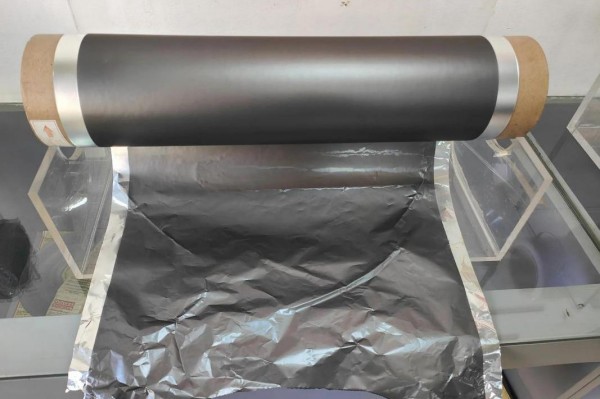
foglia d'aluminiu PTP (Press Through Packaging Foil d'aluminium) hè un materiale di sigillatura specificamente cuncepitu per imballaggi blister farmaceutici. Hè tipicamenti cumminati cù materiali di basa di blister cum'è film rigidu di PVC o aluminiu di forma fredda per furmà una unità di pacchettu blister cumpleta.. Durante l'usu, pressendu u blister permette à a medicazione di spinghje è rompe u foil, da quì u nome “imballaggio stampatu.”
In u campu di l'imballaggio farmaceuticu, foglia d'aluminiu PTPhè a scelta principale per l'imballazione di dosi solidi cum'è capsule è pasticchi per via di e so eccellenti proprietà di barriera, sicurità, è comodità.

2. Quattru Funzioni Chjave di PTP Foil in Capsule Packaging
- Prutezzione di l'umidità:Blocca in modu efficace u vapore d'acqua, impediscenu chì e capsule si ammorbidiscano o s'agglutininu per via di l'assorbimentu di umidità, assicurendu a stabilità di a droga.
- Barriera di l'ossigenu & Conservazione di a vita di conservazione:Forma una barriera di sigilli d'alta integrità, impediscenu l'ingredienti farmaceutichi attivi da oxidà à u cuntattu cù l'ossigenu.
- Cuntaminazione & Prevenzione microbiana:Conforme à i stretti standard di produzzione farmaceutica, impediscenu a contaminazione da i microorganismi, polvara, è altri inquinanti per guarantiscenu a sicurezza è l'igiene di a droga.
- Dosing Conveniente:Permette a rimuzione di a dose unità, facilitendu a portabilità è a dosa precisa per i pazienti, cusì migliurà l'aderenza à i medicazione.
3. Struttura di Materiale detallata & Specificazioni tecniche
3.1 Struttura composta multistrati
Un fogliu d'aluminiu PTP d'alta qualità tipicu hè custituitu da una struttura composta di trè strati cù funzioni distinte.:
| Layer | Funzione Core | Descrizzione |
|---|---|---|
| Stratu di stampa. | Display di l'infurmazioni & Branding | Aduprà inchiostri di qualità farmaceutica per stampà u nome di a droga, specificazioni, numeru di batch, data di scadenza, è u logu di a cumpagnia. |
| Sustrattu di foglia d'aluminiu. | Stratu di Barriera Primariu | Fornisce a prutezzione di barriera principale contru vapore d'acqua, ossigenu, è luce, cruciale per assicurà a stabilità di a droga. |
| Rivestimentu termosaldabile. | Crea u Sigillo | Si lega fermamente à i materiali di basa di blister (p.e., PVC) sottu u calore è a pressione, assicurendu a sigillatura indipendente di ogni cavità blister. |
3.2 Alloys d'aluminiu cumuni & Tempers
Diverse leghe offrenu proprietà variate per adattà à diverse esigenze di imballaggio:
| Designazione di a lega | Caratteristiche chjave | Applicazioni tipiche |
|---|---|---|
| 8011. | Eccellente prestazione in tuttu, bona formabilità, forza equilibrata è duttilità. | U più utilizatu, adattatu per a maiò parte di l'imballaggi di capsule è tablette. |
| 8079. | Duttilità più alta, megliu flessibilità, adattatu per a furmazione in profondità. | Imballaggi chì necessitanu cavità di blister speziali. |
| 8021. | Pruprietà di barriera superiore, incidenza di pinhole relativamente più bassa. | Imballaggio per droghe estremamente sensibili à l'umidità o l'ossigenu (applicazioni ad alta barriera). |
I temperi di furnizzioni cumuni sò H18o H19. Questa tempera dura assicura chì u fogliu hà abbastanza rigidità (“rigidità”) per facilità di push-through è resistenza à strappi.
3.3 Guida di scelta di spessore
U spessore influenza direttamente e proprietà di barriera, forza meccanica, è costu. E specificazioni cumuni sò paragunate quì sottu:
| Spessore | Caratteristiche chjave | Scenariu di l'applicazione cunsigliatu |
|---|---|---|
| 20μm. | Spessore standard, costu-efficace, risponde à i requisiti di barriera per a maiò parte di e droghe. | Capsule / compresse convenzionali, prudutti sensibili à i costi. |
| 25μm. | Forza è barriera mejorata, più grande resistenza à a perforazione. | Droghe chì necessitanu una forza di imballaggio più altu o cù bisogni di barriera moderate. |
| 30μm. | Barriera di più altu gradu è forza meccanica, costu più altu. | Droga di altu valore, biologicuestremamente sensibile à l'umidità / l'ossigenu. |

4. Prucessu di Pruduzzione Core & Controlu di qualità
A pruduzzione di un fogliu d'aluminiu PTP in cunfurmità cù e norme farmaceutiche richiede passi precisi:
- Rolling:I lingotti d'aluminiu sò laminati à caldu è friddi in ultra-sottili, fogliu uniforme.
- Trattamentu di a superficia:Pulizia è attivazione per rinfurzà l'aderenza di u rivestimentu.
- Rivestimentu:Applicazione uniforme di vernice termosaldata di qualità farmaceutica (p.e., basatu in PVC).
- Stampa:Stampa d'alta precisione di testu è grafica.
- SLITÀ & Ispezione:Tagliatura finale in bobine, seguita da una prova stretta di parametri chjave cum'è uniformità di spessore, incidenza di pinhole, è forza di sigillatura.
5. Cumu sceglite un Fornitore di Foil PTP affidabile? Tavola di valutazione chjave
A selezzione di u fornitore ghjustu hè cruciale per assicurà a qualità di imballaggio. Pudete valutà cù e seguenti dimensioni:
| Dimensione di valutazione | Domande chjave & Criteriums | Impurtanza |
|---|---|---|
| Certificazioni & Cunfurmità. | U fornitore hà GMPè ISO 15378. (QMS specificu per l'imballaggio farmaceuticu) certificazioni? | ★★★★★ |
| Materia prima & Prucessu. | Sò usati lingotti d'aluminiu d'alta purezza? L'ambiente di produzzione hè una sala pulita di qualità farmaceutica? | ★★★★☆ |
| Capacità di cuntrollu di qualità. | Ci hè un laboratoriu ben equipatu per teste batch-by-batch di incidenza di pinhole, proprietà di barriera, residui di solventi, forza di sigillatura? | ★★★★★ |
| Assistenza tecnica & SERVIZIO. | Puderanu furnisce cunsiglii di cumpatibilità di rivestimenti è campionamentu basatu nantu à e caratteristiche di a droga (p.e., pH, igroscopicità)? | ★★★★☆ |
| Documentazione & Supportu Regulatori. | Puderanu furnisce cumpletu Certificati di analisi (CoA), dichjarazioni di conformità, dati di prova di migrazioneper i schedarii regulatori? | ★★★★★ |
6. PTP Aluminum Foil Domande Frequenti (Q&A)
Q1: Cumu selezziunate u fogliu d'aluminiu PTP ghjustu basatu nantu à e proprietà di a mo droga?
A:Principalmente cunsiderà a sensibilità è u valore di a droga:
- Cunvinziunali, droghe stabili:Standard 8011 lega, 20L'épaisseur μm offre la meilleure valeur.
- Droghe sensibili à l'umidità o propensi à l'ossidazione:Optate per 8021 alliage ou épaisseur ≥25μm, è fate attenzione à u funziunamentu di a barriera di u revestimentu.
- Medicamenti o biologichi di altu valore:Deve sceglie i prudutti d'alta barriera (30μm, 8021 lega) è fà rigurosu test di integrità di u pacchettu.
Q2: Chì ghjè l'incidenza di pinhole è perchè hè cusì impurtante?
A:Pinholes sò buchi micron-sized chì ponu accade in u fogliu durante u rolling. Incidenza di pinhole (per m²) determina direttamente a prestazione di a barriera di u fogliu. Ancu i pinholes microscòpichi ponu diventà canali per l'umidità è a permeazione di l'ossigenu, accelerà a degradazione di a droga. Un fogliu farmaceuticu di alta qualità deve mantene una incidenza di pinhole estremamente bassa.
Q3: Ciò chì provoca sigilli debuli o sbucciatura faciule?
A:I causi putenziali includenu:
- Incompatibilità di u revestimentu di u calore:U revestimentu di u fogliu ùn hè micca cumpatibile cù u materiale di basa di blister (PVC/PVDC).
- Parametri di prucessu incorretti:Temperature incorrecte de thermoscellage, pressione, o tempu di stà.
- Povera qualità di revestimentu nantu à a foglia:Revestimento irregolare o scarsa aderenza. A suluzione hè di cunduce prucessi di cumpatibilitàcumuna cù u fornitore.
Q4: Quandu valutà un fornitore, chì evidenza tangibile deve cercà oltre e certificazioni?
A:Richiesta di rivisione di i Certificati d'Analisi (CoA) per almenu trè lotti consecutivi, cuncintrau nantu à a coherenza di dati chjave cum'è l'incidenza di pinhole, spessore, e residui di solventi. Inolescente, dumandà i so Revisione annuale di a qualità di u produttu (APQR)rapporti per i prudutti maiò per valutà a stabilità di u prucessu è a affidabilità.
Q5: Cumu e tendenze ambientali affettanu u fogliu d'aluminiu PTP?
A:U fogliu d'aluminiu stessu hè riciclabile à l'infinitu. A tendenza attuale prumove a “catena di supply green,” cuncentrazione nantu à se l'aluminiu hè urigginatu da a produzzione primaria à bassa carbonu o usa un altu percentuale di cuntenutu riciclatu. A scelta di fornitori cù impegni ambientali è certificazioni cunnessi pò rinfurzà u prufilu di sustenibilità di u vostru pruduttu.
7. Tendenze di u mercatu futuru
- High Performance:Sviluppu di foils cù barriere ancu più altu (p.e., leghe più pure, rivestimenti più grossi / migliurati) per droghe altamente attive o degradabili.
- A sustenibilità & Eco-friendly:Focus nantu à a sustenibilità di u fogliu d'aluminiu, cumpresu l'usu di l'aluminiu pruduciutu cù energia rinnuvevuli è disinni chì aumentanu a riciclabilità.
- Integrazione intelligente:Incorporazione di tecnulugia digitale cum'è codici QR o RFID per a tracciabilità di droghe, anti-falsificazione, è a gestione di i medicazione di i pazienti.
Cunclusioni
U fogliu d'aluminiu PTP hè un materiale criticu per assicurà a sicurità, efficacità, è a cunvenzione di i prudutti farmaceutici. Cume l'industria farmaceutica evoluzione, a dumanda di proprietà di barriera più altu, sicurità, è l'intelligenza in i materiali di imballaggio cuntinueghja à cresce.
Quandu selezziunate a Fornitore di fogli d'aluminiu PTP, e cumpagnie farmaceutiche duveranu guardà oltre u prezzu è valutà in modu cumpletu a capacità tecnica, sistemi di qualità, è cunfurmità. Partenariatu cù un fornitore tecnologicu avanzatu è stabile di qualità hè una salvaguardia chjave per rinfurzà a competitività di i prudutti in u mercatu globale..
In cerca di fogli d'aluminiu farmaceuticu PTP di alta qualità?Assicuratevi chì u vostru fornitore pussede credenziali di imballaggio farmaceuticu cumpletu è un sistema di tracciabilità di qualità affidabile.