
PTP-Aluminiumfolie 8011: Eine eingehende Analyse des Kernmaterials für pharmazeutische Blisterverpackungen
Abstrakt
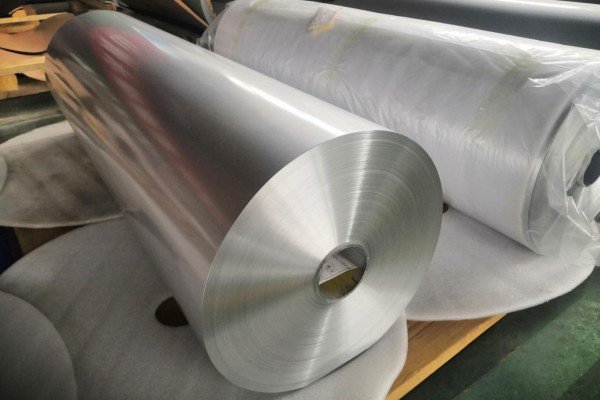
PTP-Aluminiumfolie 8011 ist ein Hochleistungs-Aluminiumfolienmaterial, das speziell für feste Pharma-Blisterverpackungen entwickelt wurde. Seine Hauptfunktion besteht darin, nahezu perfekte Schutzbarrieren für Tablets bereitzustellen, Kapseln, und andere feste Darreichungsformen. Als Substrat für Press-Through-Verpackungen (PTP), es steht in direktem Zusammenhang mit der Arzneimittelstabilität, Sicherheit, und Dosierkomfort. Dieser Artikel bietet eine detaillierte Analyse der Materialwissenschaft dahinter 8011 Legierung, sein präziser Herstellungsprozess, sein strenges Qualitätskontrollsystem, und seine zentrale Rolle in der Pharmaindustrie, Bereitstellung eines umfassenden technischen Leitfadens und Anwendungsleitfadens für Pharmaunternehmen, Verpackungsingenieure, und Branchenprofis.
1. Materialdefinition und Branchenpositionierung
1.1 Grundlegende Definition von PTP-Folie
PTP, die Abkürzung für Drücken Sie durch die Verpackung, wird im Chinesischen üblicherweise als bezeichnet “Durchdrückverpackung” oder “Blisterverpackung.” Seine Struktur besteht typischerweise aus zwei Teilen:
- Film bilden (Blisterfolie): Eine transparente Plastikfolie (z.B., PVC, PVDC) das vorgewärmt und zu Hohlräumen geformt wird (Blasen) um die Tabletten zu halten.
- Deckelmaterial: Die PTP-Aluminiumfolie, welches mit der Blisterfolie verschweißt ist, Das Medikament wird einzeln in jeder Blisterhöhle versiegelt.
Während des Gebrauchs, Der Patient übt einfach Druck auf die Rückseite der Folie an der Stelle aus, an der die Tablette gedrückt werden soll (oder schälen) es durch die Folie. Dieses Verpackungsformat vereint die Vorteile von Einheitsdosierung, hervorragender Schutz, Portabilität, und hohe Patientencompliance.
1.2 Branchenstatus von 8011 Aluminiumlegierung
Unter zahlreichen Aluminiumlegierungssorten, 8011 Legierung ist weltweit als anerkannt “Goldstandard” Material für die Herstellung von pharmazeutischer PTP-Folie aufgrund seines optimalen Gleichgewichts Stärke, Formbarkeit, Biegsamkeit, und Oberflächenqualität. Es gehört zu den nicht wärmebehandelbaren Aluminiumlegierungen der 8xxx-Serie (Al-Fe-Si-Reihe). Seine Eigenschaften werden hauptsächlich durch Kaltverfestigung reguliert (z.B., H18, H19 Temperament) und Glühprozesse, Dadurch eignet es sich hervorragend für das ultradünne Walzen und anschließende Hochgeschwindigkeitsstanzen.
Klärung der Branchenterminologie:
- PTP-Folie: Betont seine Funktion und Anwendung (Deckelmaterial).
- Pharmazeutische Aluminiumfolie / Beschichtete Aluminiumfolie: Betont die Endproduktform (beschichtet mit Heißsiegellack in pharmazeutischer Qualität).
- 8011 Legierungsfolie: Betont die Zusammensetzung des Grundmaterials.
Diese Begriffe werden in der Beschaffung in der Pharmaindustrie und in der technischen Kommunikation häufig synonym verwendet.
2. Chemische Zusammensetzung und Mikrostrukturanalyse von 8011 Legierung
Die Leistungsvorteile von 8011 Legierung beruht auf ihrer genau kontrollierten chemischen Zusammensetzung.
| Element | Standardinhaltsbereich (Gew.%) | Rolle und Wirkung im Material |
|---|---|---|
| Al | Gleichgewicht (≥97,5) | Unedles Metall, Bereitstellung grundlegender metallischer Eigenschaften, Duktilität, und Barriereeigenschaften. |
| Fe | 0.60 – 1.00 | Wichtiges Stärkungselement. Bildet sich nadelförmig oder skelettartig AlFeSi intermetallische Verbindungen mit Si. Diese sind in Ordnung, Harte Partikel fixieren effektiv Korngrenzen und Versetzungen, Die Festigkeit und Härte des Materials werden erheblich erhöht und gleichzeitig das Wachstum rekristallisierter Körner gehemmt, Dies führt zu einer verfeinerten Mikrostruktur. |
| Und | 0.50 – 0.90 | Ein weiteres Schlüsselelement. Bildet Verbindungen mit Fe, Regulierung der Form der Fe-Präsenz. Überschüssiges Si kann sprödes, freies Silizium bilden, schädliche Zähigkeit; wohingegen ein angemessenes Fe/Si-Verhältnis (normalerweise in der Nähe 1:1) ermöglicht die Bildung gleichmäßigerer und feinerer Verbindungen, Optimierung der Gesamtleistung. |
| Cu | ≤ 0.10 | Verunreinigungselement, streng kontrolliert. Spurenmengen an Cu können die Festigkeit erhöhen, jedoch die Korrosionsbeständigkeit der Folie erheblich verringern und die Kompatibilität mit Arzneimittelformulierungen beeinträchtigen, Daher gilt: je niedriger, desto besser. |
| Mn | ≤ 0.20 | Verunreinigungselement, typischerweise aus Rohstoffen eingeführt. Spurenmengen an Mn können eine Festigung der festen Lösung bewirken, müssen aber auch kontrolliert werden. |
| mg, Zn, Von, etc. | Jeder ≤ 0.05 – 0.10 | Bei allen handelt es sich um streng kontrollierte Verunreinigungselemente. Ihr Vorhandensein kann die Reinheit der Legierung beeinträchtigen, Korrosionsbeständigkeit, und Wirksamkeit der Oberflächenbehandlung. |
Zusammenfassung der Vorteile der Materialwissenschaft:
- Kombination aus hoher Festigkeit und guter Formbarkeit: Die durch Fe und Si gebildeten dispersionsverstärkenden Phasen ermöglichen dies 8011 Folie muss bei sehr dünnen Stärken eine ausreichende Zugfestigkeit und Steifigkeit aufweisen (z.B., 0.02mm) um der späteren Verarbeitung und dem Transport standzuhalten; in der Zwischenzeit, Die Aluminiummatrix gewährleistet eine gute Duktilität für einfaches Stanzen ohne Rissbildung.
- Stabile Mikrostruktur: Die gleichmäßige Verteilung feiner Verbindungsphasen führt zu besseren anisotropen Eigenschaften, gleichmäßige Leistung nach dem Walzen, und eine glatte Oberfläche.
- Hervorragende Pinhole-Kontrolle: Die reine Legierungszusammensetzung und die homogene Mikrostruktur verringern die Wahrscheinlichkeit kritischer Nadellöcher erheblich (Defekte durch die Dicke) entstehen beim Walzen auf Dicken im Mikrometerbereich.
3. Eingehende Analyse der Kerneigenschaften von PTP-Aluminiumfolie 8011
3.1 Absolute Barriereeigenschaften: Der Grundstein der Arzneimittelstabilität
Aluminiumfolie ist das einzige flexible Verpackungsmaterial, das Folgendes bietet: umfassend, absolute Barriere.
- Wasserdampfdurchlässigkeitsrate (WVTR): Theoretisch 0. Das eigentliche Produkt muss strenge Tests bestehen, um sicherzustellen, dass die Feuchtigkeitsübertragung auch unter hohen Temperatur- und Feuchtigkeitsbedingungen nahezu Null ist. Dies ist die wichtigste Garantie gegen das Zerfließen von Arzneimitteln, Schimmelbildung, und Wirksamkeitsminderung.
- Sauerstoffübertragungsrate (OTR): 0. Blockiert Sauerstoff vollständig, Verhinderung der Oxidation und des Abbaus von Wirkstoffen (z.B., Vitamine, Antibiotika, Lipide).
- Lichtschranke: Völlig undurchsichtig, vor allem das Blockieren 100% von Ultraviolett (UV) Licht, wirksamer Schutz lichtempfindlicher Medikamente.
- Mikrobielle und kontaminierende Barriere: Die dichte Metallstruktur blockiert Bakterien vollständig, Formen, Staub, und gasförmige Gerüche, Gewährleistung der Arzneimittelhygiene.
3.2 Zuverlässige Heißsiegelleistung: Der Schlüssel zur Siegelintegrität
Eine oder beide Seiten der PTP-Aluminiumfolie werden mit einem Speziallack beschichtet Heißsiegellack in pharmazeutischer Qualität.
- Funktion des Heißsiegellacks: An der Heißsiegelstation der Blisterverpackungsmaschine, unter spezifischer Temperatur, Druck, und Zeit, Diese Beschichtung schmilzt und verbindet sich mit der Oberfläche des PVC oder einer anderen Formfolie, Beim Abkühlen bildet es eine starke Versiegelung.
- Leistungsanforderungen:
- Geeignete Aktivierungstemperatur: Muss dem Schmelzpunkt des sich bildenden Films entsprechen, um eine schnelle Verarbeitung zu gewährleisten, stabile Abdichtung.
- Guter Hot Tack: Bietet unmittelbar nach dem Versiegeln und während des Abkühlens eine ausreichende Anfangsfestigkeit, um ein Ablösen während der Linienförderung zu verhindern.
- Kontrollierte Schälfestigkeit: Die Dichtung muss stark genug sein, um Fall- und Vibrationstests zu bestehen, Erlaube dem Patienten dennoch (einschließlich der älteren Menschen) lässt sich das Tablet relativ leicht durchschieben. Für die Schälkraft gelten in der Regel bestimmte Bereichsanforderungen (z.B., 0.5-2.5 N/15mm).
- Hervorragende Kompatibilität: Der Heißsiegellack muss pharmazeutischen Standards entsprechen – ungiftig, geruchlos, und darf nicht migrieren oder mit dem Arzneimittel reagieren.
3.3 Hervorragende mechanische und Verarbeitungsleistung
Dies ist von grundlegender Bedeutung für die Sicherstellung der Kontinuität, stabiler Betrieb von automatisierten Hochgeschwindigkeits-Blisterverpackungslinien.
- Stanz-/Umformleistung: Auf der Verpackungsmaschine, Die Folie muss sofort geprägt werden, um bestimmte Aufreißlinien zu erzeugen (z.B., kreisförmig, kreuzförmig) und kann eine leichte Dehnung erfahren. Die hervorragenden Duktilitäts- und Kaltverfestigungseigenschaften von 8011 Folie ergibt ein sauberes Ergebnis, Gratfreie Stanzschnitte und minimale Gefahr von Mikrorissen.
- Web-Laufstabilität: Die Folienrolle muss beim Hochgeschwindigkeitsabwickeln eine stabile Spannung beibehalten, Transport, und Zurückspulen ohne zu falten oder zu wandern. Dies erfordert extrem enge Dickentoleranzen und Ebenheit (frei von Randwellen oder Beulen).
- Pinhole-Widerstand: Das Material muss Spannungskonzentrationen beim Hochgeschwindigkeitsstanzen und der anschließenden Handhabung standhalten, um die Entstehung neuer Nadellöcher zu vermeiden.
3.4 Hervorragende Oberflächen- und Druckleistung
PTP-Folie ist der direkte Träger der Arzneimittelinformationen.
- Oberflächenbehandlung: Zur Verbesserung der Haftung von Tinte und Heißsiegellack, Die Folienoberfläche unterliegt normalerweise Grundierungsbehandlung um seine Oberflächenenergie zu verbessern.
- Druckbarkeit: Um eine hohe Auflösung zu erreichen, kann Tiefdruck verwendet werden, kontrastreicher Text, Grafik, und Barcodes. Dies ist entscheidend für Arzneimittelname, Stärke, Chargennummer, Verfallsdatum, Hersteller, und Fälschungsschutzmarken.
- Schutzmantel: Nach dem Drucken, Um den Abrieb des gedruckten Inhalts während des Transports und der Verwendung zu verhindern, wird ein transparenter Schutzlack aufgetragen, und zur Verbesserung des Oberflächenglanzes.

4. Vollständiger Produktionsablauf und Präzisionskontrolle
Die Produktion von PTP-Aluminiumfolie ist technologieintensiv, Hochpräzise kontinuierliche Prozesslinie.
- Schmelzen und Gießen von Legierungen:
- Verwendet hochreines Primäraluminium (z.B., >99.7%).
- Fügt Elemente wie Fe und Si präzise in den Schmelzofen ein, Einsatz von Raffinations- und Entgasungsprozessen zur Entfernung von Wasserstoff und Verunreinigungen.
- Die Schmelze wird gefiltert und dann über eine Stranggießanlage zu etwa 6–8 mm dicken Legierungsplatten gegossen.
- Warmwalzen:
- Die Bramme wird über ihre Rekristallisationstemperatur erhitzt und durch ein Warmwalzwerk zu warmgewalzten Spulen mit einer Dicke von 2–4 mm gewalzt. Durch diesen Prozess wird zunächst die Gussstruktur aufgebrochen und die Zusammensetzung homogenisiert.
- Kaltwalzen:
- Wird bei Raumtemperatur in mehreren Durchgängen durchgeführt, Dies ist der Schlüsselprozess zur Dickenreduzierung und zum Erreichen der gewünschten mechanischen Eigenschaften. Große Walzkräfte führen zu einer Kaltverfestigung, Reduzieren Sie die Dicke schrittweise auf 0,3–0,5 mm.
- Folienrollen:
- Der Kernprozess. Auf spezialisierten Folienwalzwerken, “Doppelrollen” wird häufig verwendet – das Zusammenrollen zweier Folienschichten, um ein Brechen bei extrem dünner Folie zu verhindern. Das endgültige Maß (0.016–0,025 mm) erreicht wird. Dieser Prozess erfordert höchste Präzision bei der Rollenausrichtung, Sauberkeit des Walzöls, und Spannungskontrolle.
- Glühen:
- Basierend auf der gewünschten Produkttemperatur wird ein kontrolliertes Glühen durchgeführt (sanftes O-Temperament, oder harte H18/H19-Vergütung). Durch das Glühen werden innere Spannungen abgebaut, Passt die mechanischen Eigenschaften an, und stabilisiert die Abmessungen. Pharmazeutische Folien werden typischerweise bei niedriger Temperatur geglüht, um eine gewisse Plastizität wiederherzustellen und gleichzeitig ein bestimmtes Maß an Festigkeit beizubehalten.
- Oberflächenbehandlung und Beschichtung:
- Wird in einer Reinraumumgebung durchgeführt. Zuerst kommt die Folie entfettet und gereinigt um absolute Oberflächenreinheit zu gewährleisten.
- Grundierung: Um die spätere Haftung der Beschichtung zu verbessern, wird eine sehr dünne Klebstoffschicht aufgetragen.
- Heißsiegellackbeschichtung: Ein Präzisionsbeschichter (z.B., Mikrogravur, Messerbeschichter) Trägt den formulierten pharmazeutischen Heißsiegellack gleichmäßig auf. Anschließend durchläuft die beschichtete Folie einen langen Trockenofen zur kontrollierten Trocknung und Aushärtung.
- Drucken: Für den Mehrfarbendruck werden Tinten in Lebensmittel- und Pharmaqualität verwendet.
- Schützender Überanstrich: Eine abschließende transparente Schutzschicht wird aufgetragen.
- Schlitzen und Inspektion:
- Hochgeschwindigkeitsschneiden auf kundenspezifische Breiten.
- Vollständige Online-Inspektion: Inklusive Dickenmessung (Beta-Messgerät), Locherkennung (Spark- oder CCD-Bildverarbeitungssystem), Erkennung von Oberflächenfehlern, etc.
- Abschließende Qualitätskontrolle: Probenahme und Prüfung aller wichtigen Parameter: Heißsiegelfestigkeit, Lösungsmittelrückstände, mikrobielle Grenzen, Druckqualität, etc.
5. Qualitätsstandard: Erfüllung der weltweit strengsten gesetzlichen Anforderungen
5.1 Grundlegende Vorschriften und Standards
- Vereinigte Staaten: Muss eingehalten werden FDA 21 CFR 175.300 (indirekte Lebensmittelzusatzstoffe) und GMP-Anforderungen. Das Material und seine Beschichtungsbestandteile müssen auf der Liste der zugelassenen Stoffe der FDA stehen.
- europäische Union: Muss die entsprechenden Anforderungen erfüllen EU 10/2011 (Kunststoffmaterialien mit Lebensmittelkontakt) oder strengere Arzneibuchrichtlinien. Lieferanten müssen in der Lage sein, einen vollständigen Überblick zu liefern Konformitätserklärung (DoC) und Migrationstestdaten.
- China: Muss eingehalten werden YBB-Standards (Nationale Standards für Arzneimittelverpackungsmaterialien) und erhalten Sie eine Registrierung/Einreichung.
- Internationale Standards: ISO 15378 (Gute Herstellungspraxis für Primärverpackungsmaterialien für Arzneimittel) ist ein wichtiger Standard für Qualitätssicherungssysteme.
5.2 Detaillierte Erläuterung der wichtigsten Leistungstestelemente
| Testgegenstand | Testmethode / Standard | Bedeutung und Anforderungen |
|---|---|---|
| Nadellöcher | Detektion in einer Dunkelkammer unter spezifischer Spannung | Zentraler Sicherheitsindikator. Für 0,02 mm dicke Produkte, Die Anzahl der Nadellöcher pro Standardfläche muss extrem niedrig oder gleich Null sein. Nadellöcher sind eine direkte Ursache für das Versagen der Barriere. |
| Dicke & Toleranz | Mikrometer oder Online-Dickenmessgerät | Beeinflusst Barriereeigenschaften, mechanische Festigkeit, und Kosten. Die Toleranz wird normalerweise innerhalb von ±5 % kontrolliert.. |
| Heißsiegelfestigkeit | ASTM F88 / GB/T 2358 | Simuliert den tatsächlichen Prozess der Medikamentenentfernung. Die Schälkraft muss in einem angemessenen Bereich liegen, der die Integrität der Versiegelung gewährleistet und gleichzeitig ein einfaches Öffnen ermöglicht. |
| Lösungsmittelrückstände | Gaschromatographie-Massenspektrometrie (GC-MS) | Erkennt die Gesamtmenge an Restlösungsmitteln (z.B., Benzol, Ketone, Ester) und spezifische Schadstoffe aus Druck-/Beschichtungsprozessen. Muss unter strengen Grenzwerten liegen (z.B., insgesamt ≤5 mg/m²). |
| Mikrobielle Grenzen | Arzneibuchmethoden (z.B., USP <61>) | Tests zur Gesamtzahl der aeroben Mikroben, Gesamtzahl der kombinierten Hefen/Schimmelpilze, Gewährleistung des Hygieneniveaus. |
| Druckqualität & Adhäsion | Kolorimeter, Scheuerfestigkeitstest (z.B., Crockmeter) | Stellt sicher, dass der gedruckte Inhalt klar ist, genau, dauerhaft, und abriebfest, Gewährleistung der Rückverfolgbarkeit. |
| Abwickelnde Leistung | Praktische Simulation an einer Verpackungsmaschine | Bewertet den reibungslosen Lauf der Folienrolle auf Hochgeschwindigkeitsverpackungsanlagen und prüft auf Bahnrisse, Falten, oder Fehlausrichtung. |
6. Markttrends, Anwendungserweiterung, und Lieferantenauswahlstrategie
6.1 Markttreiber und Trends
- Wachstum bei Medikamenten gegen chronische Krankheiten: Erkrankungen wie Diabetes und Bluthochdruck, die eine Langzeitmedikation erfordern, steigern die Nachfrage nach Einzeldosis-Blisterverpackungen.
- Kindersicherheit & Seniorenfreundliche Funktionen: PTP-Verpackungen kombinieren Kindersicherheit (Es ist schwierig, mehrere Einheiten gleichzeitig zu entfernen) und seniorenfreundlich (einfache Identifizierung, einfacher Zugang) Eigenschaften.
- Automatisierung & Intelligente Fertigung: Industrie 4.0 in pharma fördert Hochgeschwindigkeitsverpackungslinien, höhere Ansprüche stellen Konsistenz, Stabilität, und Rückverfolgbarkeit aus Folie. Jede Rolle hat ein Unikat “AUSWEIS” (Chargen-/Rollennummer) für eine vollständige Rückverfolgbarkeit.
- Nachhaltigkeit: Aluminiumfolie ist unbegrenzt recycelbar. Die Industrie erforscht dünnere Stärken (z.B., 0.018mm) zur Quellenreduzierung ohne Leistungseinbußen, und Optimierung von Beschichtungen zur Reduzierung der Umweltbelastung.
6.2 Mehr als herkömmliche Tablets & Kapseln: Anwendungserweiterung
- Nutrazeutika mit hoher Barriere: Produkte, die äußerst empfindlich gegenüber Sauerstoff und Feuchtigkeit sind, wie Fischöl und Probiotika, Verwenden Sie zunehmend Blisterpackungen aus Aluminiumfolie.
- Medizinische Geräte & Diagnosetests: Sterile Gaze, chirurgische Klingen, Blutzuckerteststreifen, usw., Verwenden Sie eine sterile PTP-Verpackung, um die Gebrauchssicherheit zu gewährleisten.
- Orale Flüssigkeitsbeutel: Einige flüssige Beutel für Kinder (Aluminium-Kunststoff-Laminat) auch oft verwenden 8011 Legierung für die Aluminiumschicht.
6.3 Umfassende Checkliste zur Auswahl eines hochwertigen Lieferanten
Pharmaunternehmen sollten Folienlieferanten als solche betrachten kritische Materialpartner, nicht nur Anbieter. Die Bewertung sollte abdecken:
- Compliance-Stiftung:
- Hat der Lieferant eine Saubere Produktionsumgebung auf GMP-NiveauVon maßgeblichen Stellen zertifiziert (insbesondere Beschichtungs- und Schlitzbereiche)?
- Verfügt das Produkt über Zertifikate zur Einhaltung gesetzlicher Vorschriften für wichtige Zielmärkte? (z.B., FDA-Masterdatei, EU DoC)?
- Technisch & Qualitätsfähigkeiten:
- Hat es vollständige Kontrolle der Lieferkette (vom Guss bis zur Beschichtung)? Dies bietet mehr Stabilität als ein Anbieter, der lediglich Basisfolie kauft und beschichtet.
- Ist es fortgeschritten? Online-Inspektionssysteme und eine vollständige Chemisch-physikalisches Labor?
- Ist es Qualitätsmanagementsystem ISO-zertifiziert 15378? Kann es vollständig liefern, rückverfolgbare Chargenanalysezertifikate (CoA)?
- Produkt & Servicefähigkeiten:
- Anpassungsfähigkeit: Kann die Heißsiegellackformulierung flexibel an unterschiedliche Formfolien angepasst werden? (PVC, PVDC, PCTFE, HAUSTIER)? Kann es komplexe Mehrfarbendruck- und Fälschungsschutzlösungen bieten??
- Technische Unterstützung: Verfügt das Unternehmen über ein professionelles anwendungstechnisches Team, das Kunden bei Problemen mit der Maschinenkompatibilität unterstützt?, Optimierung der Heißsiegelparameter, usw.?
- Stabilität & Konsistenz: Wie ist das Feedback von langjährigen Kunden?? Ist die Leistungsschwankung zwischen den Chargen minimal??
- Nachhaltigkeit & Soziale Verantwortung:
- Gibt es einen Fokus auf umweltfreundliche Prozesse und Produktlebenszyklusbewertung??
- Leistung der sozialen Verantwortung von Unternehmen.
Abschluss
PTP-Aluminiumfolie 8011 ist weit mehr als eine dünne Metallschicht. Es ist das Produkt der Materialwissenschaft, Präzisionsfertigung, und strenge Arzneimittelvorschriften – a “treuer Beschützer” Schutz jeder einzelnen Dosis von der Fabrik bis zur Hand des Patienten. Da sich Arzneimittelverpackungen in Richtung größerer Sicherheit weiterentwickeln, Bequemlichkeit, und Intelligenz, ein tiefes Verständnis und eine wissenschaftliche Auswahl von 8011 PTP-Folien sind für Pharmaunternehmen unverzichtbar geworden, um die Wettbewerbsfähigkeit ihrer Produkte zu steigern und die Arzneimittelsicherheit für Patienten zu gewährleisten. Wenn Sie sich dafür entscheiden, entscheiden Sie sich für Qualität und Sicherheit.