
Βασικές αιτίες και στρατηγικές συστηματικού ελέγχου για τις οσμές στη διαδικασία σκλήρυνσης του επικαλυμμένου φύλλου αλουμινίου για τη συσκευασία τροφίμων
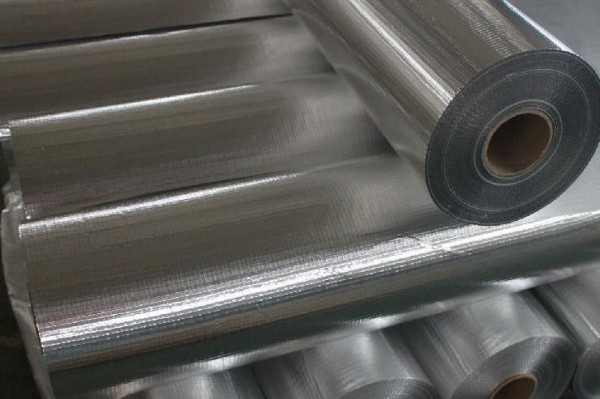
In the field of food packaging, coated aluminum foil has become a key material for the packaging and preservation of products such as dairy, σοκολάτα, μαγειρεμένα φαγητά, and fast food, thanks to its exceptional barrier properties, αντοχή στη θερμότητα, και ασφάλεια.
The curing process is the core stage of its production. It facilitates the cross-linking reaction of the coating materials to form a dense protective film. This process directly determines the final performance of the foil and its food safety compliance.
Ωστόσο, the irritating odors generated during curing not only deteriorate the production environment but may also remain on the finished products. This raises consumer safety concerns and poses risks of non-compliance with national standards like GB 31604.60-2024.
Επομένως, systematically analyzing the root causes of odor and establishing an effective control system covering the entire production chain has become a critical challenge that must be addressed to drive the industry’s high-quality development.

1. Analysis of the Root Causes of Odor in the Curing Process
Odor generation permeates the entire process from raw materials to the finished product. Its core sources are insufficiently reacted substances, chemical by-products, and contaminants introduced due to poor process control. The causes can be categorized into the following three main types:
1.1 Inherent Defects in Raw Materials and Formulation
Raw materials are the fundamental source of odor. Improper selection or flawed formulation directly leads to post-curing odor issues.
- Solvent Residue Issues: The use of high-boiling-point, high-residue solvents (Π.χ., τολουΐνη, κυκλοεξανόνη) or solvents of substandard purity means their impurities struggle to volatilize completely during curing, leading to residual, pungent odors.
- Risks from Curing Agents: Free isocyanate monomers potentially present in traditional solvent-based curing agents, and residues from phenolic crosslinkers, can release irritating odors during or after curing and may pose migration safety risks.
- Substrate Contamination: If improper rolling oils (Π.χ., high viscosity, wide boiling range) are used during aluminum foil stock production, residual oil that fails to volatilize completely at curing temperatures can also generate odor.
- Formulation Imbalance: Excessive addition of additives like plasticizers or stabilizers, or poor compatibility between components, leads to incomplete curing reactions. The unreacted substances can then slowly release odor over time.
1.2 Improper Control of Curing Process Parameters
Precise control of process parameters is key to ensuring complete reactions; incorrect settings directly induce odor.
- Insufficient Temperature or Time: Curing temperatures that are too low or durations that are too short result in incomplete cross-linking reactions of resins, διαλύτες, and curing agents. This leaves behind unreacted monomers or intermediate products that become sources of later odor release.
- Localized Overheating and Degradation: Excessively high temperatures, especially in processes like electromagnetic induction curing, can cause localized overheating, leading to polymer degradation or even carbonization of the coating. This produces noticeable burnt, acrid odors and other irritating gases.
- Improper Airflow and Ventilation: Inadequate airflow speed inside the curing oven fails to promptly remove volatile by-products and residual solvents generated during the reaction, allowing them to accumulate and potentially re-contaminate the product. Excessively high airflow, ωστόσο, may affect the coating surface quality.
1.3 Secondary Pollution from Production Environment and Equipment
The cleanliness of the production environment and equipment directly impacts product purity.
- Ambient Air Pollution: If pollutants like other volatile organic solvents or dust are present in the workshop air, they can be adsorbed by the uncured coating surface and subsequently become “entrapped” within the cured film, creating complex odors.
- Equipment Contamination: Equipment such as curing ovens and conveyor belts accumulate coating decomposition products, polymer residues, and grease on inner surfaces over prolonged operation. Under continuous high temperatures, these deposits can decompose themselves or interact with new products, generating burnt odors and other smells that adhere to the foil surface.
- Impact of Downstream Processes: During slitting and rewinding, if excessive tension is applied, causing the coil to be wound too tightly, it can hinder the diffusion and escape of trace volatile substances trapped between layers during storage and transport. This can result in noticeable odor when the end-user opens the package.

2. Building a Whole-Process Odor Control System
Για τον ουσιαστικό έλεγχο και την εξάλειψη της οσμής, πρέπει να καταρτιστεί ένα συστηματικό σχέδιο διαχείρισης από την πηγή μέχρι το τέλος, εστιάζοντας σε τέσσερις βασικές διαστάσεις: πρώτες ύλες, διαδικασία, εξοπλισμός, και περιβάλλον, όλα λειτουργούν σε συνέργεια.
2.1 Έλεγχος πηγής: Βελτιστοποίηση Επιλογής Πρώτων Υλών και Σχεδιασμός Συνθέσεων
Ο αυστηρός έλεγχος της ποιότητας των πρώτων υλών και η επιστήμη της σύνθεσης είναι ο πιο αποτελεσματικός τρόπος για την εξάλειψη των κινδύνων οσμής στη ρίζα.
Τραπέζι 1: Βασικά σημεία επιλογής και ελέγχου πρώτων υλών
| Κατηγορία Υλικού, | Προτεινόμενη Επιλογή & Σημεία Ελέγχου, | Στόχος & Τυπική αναφορά, |
|---|---|---|
| Διαλυτικό μέσο, | Δώστε προτεραιότητα στην υψηλή καθαρότητα, low-boiling-point eco-friendly solvents (Π.χ., οξεικός αιθυλεστέρας, αιθανόλη). Strictly control purity (≥99.9%), υγρασία, and impurity content. | Achieve low residue and rapid, thorough volatilization. Meet limit requirements for substances like benzene series in standards such as GB 31604.60-2024. |
| Curing Agent, | Select low-odor, food-contact-grade products, Π.χ., waterborne polyurethane curing agents with low free monomer content, blocked isocyanates, BPA/BADGE-free phenolic crosslinkers. | Residual monomer content <0.05%, low odor grade (0-1), ensuring complete reaction and safety. |
| Υπόστρωμα φύλλου αλουμινίου, | Επιλέξτε λάδια έλασης με χαμηλό ιξώδες, υψηλό σημείο ανάφλεξης, και εξατμίζεται εύκολα. Βελτιώστε τη διαδικασία καθαρισμού αερομαχαιριού μετά την κύλιση. | Βεβαιωθείτε ότι το λάδι έλασης εξατμίζεται πλήρως κατά την ανόπτηση του φύλλου και τα αρχικά στάδια σκλήρυνσης της επίστρωσης, με ελάχιστα υπολείμματα επιφάνειας. |
| Πρόσθετα, | Χρησιμοποιήστε τροφή, πρόσθετα χαμηλής οσμής αυστηρά σε περιορισμένες ποσότητες. Βελτιστοποιήστε τη συμβατότητα συστατικών στη σύνθεση μέσω πειραματισμού. | Αποφύγετε την υπερπροσθήκη, βεβαιωθείτε ότι συμμετέχουν στην αντίδραση ή παραμένουν σταθερά, πρόληψη της μετανάστευσης ή της δημιουργίας οσμής. |
2.2 Βελτιστοποίηση διαδικασίας: Ακριβής προσαρμογή των παραμέτρων της διαδικασίας σκλήρυνσης
Με τον σχολαστικό έλεγχο των βασικών παραμέτρων όπως η θερμοκρασία, φορά, και ροή αέρα κατά τη σκλήρυνση, εξασφαλίζονται πλήρεις αντιδράσεις, και τα πτητικά αφαιρούνται αποτελεσματικά.
Τραπέζι 2: Συνιστώμενες παράμετροι για τη διαδικασία ωρίμανσης πολλαπλών σταδίων
| Στάδιο ωρίμανσης, | Πρωταρχικός στόχος, | Εύρος Ελέγχου Θερμοκρασίας, | Σημεία ελέγχου χρόνου/ροής αέρα, | Αναμενόμενο Αποτέλεσμα, |
|---|---|---|---|---|
| Στάδιο προθέρμανσης, | Εξατμίστε πλήρως το μεγαλύτερο μέρος του διαλύτη | 80°C – 100°C | Adjust time based on coating thickness and solvent content to ensure sufficient escape. | Significantly reduce solvent residue, creating a clean surface for the subsequent cross-linking reaction. |
| Core Curing Stage, | Complete thorough cross-linking reaction between resin and curing agent | 150°C – 180°C (adjust based on specific formulation) | Time must ensure complete reaction in the deep layers of the coating. Maintain uniform oven airflow at 1.5-2.5 m/s. | Form a dense, complete cured film; eliminate unreacted monomers; Η ομοιόμορφη ροή αέρα βοηθά στην απομάκρυνση μικρών μορίων υποπροϊόντων. |
| Στάδιο ψύξης, | Σταθεροποίηση δομής επίστρωσης, μείωση του εσωτερικού στρες | Σταδιακή ψύξη σε θερμοκρασία δωματίου | Ελέγξτε τον ρυθμό ψύξης για να αποφύγετε θερμοκρασιακό σοκ. | Αποτρέψτε τις μικρορωγμές στην επίστρωση λόγω θερμικής καταπόνησης, μείωση της εξάτμισης μετά τη σκλήρυνση που προκαλείται από την απελευθέρωση του στρες. |
| Ειδική Διαδικασία (Π.χ., αλουμινόχαρτο πουγκί σκλήρυνση) |
Επιτύχετε πλήρη σκλήρυνση σε χαμηλή θερμοκρασία | 45°C – 55°C | Παρατείνετε σημαντικά τον χρόνο σκλήρυνσης σε 48-72 ώρες. | Εξασφαλίστε την πλήρη αντίδραση παρατείνοντας το χρόνο αποφεύγοντας την υποβάθμιση των ευαίσθητων στη θερμότητα υλικών; κατάλληλο για σύνθετες κατασκευές που δεν αντέχουν σε υψηλές θερμοκρασίες. |
2.3 Διασφάλιση Εξοπλισμού: Βελτιωμένη διαχείριση συντήρησης και καθαρισμού
Η καθαριότητα και η σωστή κατάσταση του εξοπλισμού παραγωγής είναι θεμελιώδεις για την αποφυγή δευτερογενούς ρύπανσης και τη διασφάλιση της σταθερότητας της διαδικασίας.
- Καθιερώστε ένα τακτικό καθεστώς καθαρισμού: Αναπτύξτε και επιβάλλετε εβδομαδιαία προγράμματα καθαρισμού για εσωτερικές επιφάνειες εξοπλισμού, όπως φούρνους ωρίμανσης και μεταφορικούς ιμάντες. Χρησιμοποιήστε ουδέτερα καθαριστικά για ενδελεχή αφαίρεση υπολειμμάτων, ακολουθούμενη από πλήρη ξήρανση για την αποφυγή διασταυρούμενης μόλυνσης.
- Εφαρμογή Προληπτικής Συντήρησης:Επιθεωρείτε τακτικά, υπηρεσία, και βαθμονομούν συστήματα όπως θερμαντικά στοιχεία, θαυμαστές, και αεραγωγούς για την εξασφάλιση ομοιομορφίας θερμοκρασίας και απόδοσης αερισμού. Optimize and adjust systems like tension control and air-knife nozzles on slitters to ensure their effectiveness.
- Install End-of-Pipe Treatment Devices: Equip the exhaust outlets of curing ovens with waste gas treatment devices like activated carbon adsorbers or catalytic oxidizers. These treat collected volatile organic compounds, reducing environmental impact and preventing exhaust gases from recirculating and contaminating the workshop.
2.4 Περιβαλλοντικός Έλεγχος: Creating a Clean and Stable Production Environment
A well-controlled production environment is a prerequisite for manufacturing high-quality products.
- Strictly Control Workshop Environment: Maintain workshop cleanliness. Ensure adequate ventilation (recommended air change rate ≥6 times/hour) and control appropriate temperature and humidity (Π.χ., 20-25°C, 50-60% RH). Strictly prohibit the storage or use of odorous chemicals within the workshop.
- Strengthen Whole-Process Quality Control: Establish a full-process quality traceability system from raw material intake to finished product dispatch. Πέρα από τις συνήθεις δοκιμές φυσικής ιδιοκτησίας, διεξάγει τακτικές αισθητηριακές αξιολογήσεις και οργανική ανάλυση (Π.χ., Αέρια Χρωματογραφία-Φασματομετρία Μάζας, GC-MS) στα τελικά προϊόντα. Παρακολουθήστε προληπτικά τις ουσίες που προκαλούν οσμή για να διασφαλίσετε ότι τα προϊόντα πληρούν τα πρότυπα ασφάλειας και οσμής.
3. Σύναψη
Έλεγχος οσμών στη διαδικασία ωρίμανσης της επικάλυψης αλουμινόχαρτο για τη συσκευασία τροφίμων είναι μια συστηματική μηχανική εργασία που απαιτεί διατμηματική και διαδικαστική συνεργασία. Η κατευθυντήρια αρχή πρέπει να είναι “την πρόληψη της πηγής ως θεμέλιο, τον έλεγχο της διαδικασίας ως πυρήνα, and end-of-pipe treatment as the safeguard.”
By systematically implementing environmentally friendly and high-purity raw materials, precise and standardized curing processes, clean and intelligent production equipment, and standardized workshop environment management, companies can not only effectively solve odor challenges and ensure 100% product compliance with increasingly stringent food contact material safety standards like GB 31604.60-2024, but also significantly enhance production efficiency, product consistency, και την ανταγωνιστικότητα της αγοράς.
Κοιτάζοντας μπροστά, as consumer awareness of environmental protection and safety rises, being odor-free and low in residues has become essential for high-end food packaging. Relevant enterprises should continue to increase investment in R&D for low-odor materials, digital process monitoring, and life-cycle management. Through close collaboration with industry chain partners, the coated aluminum foil for food packaging sector can be collectively propelled towards a greener, ασφαλέστερο, and higher-performance future, παρέχοντας μια σταθερή υλική βάση για την παγκόσμια ασφάλεια των τροφίμων.