
La Finfina Gvidilo al PTP-Aluminio-Papero por Farmacia Pakado: De Teknikaj Principoj al Akira Praktiko
PTP (Premu Tra Pakado) aluminum foil is the “savŝnuro” of pharmaceutical blister packaging. Its quality directly impacts a drug’s shelf life, sekureco, and brand image. This guide aims to go beyond the basics, providing an in-depth analysis of its technical core, application details, and supply chain management to support your professional decision-making.
1. Profunda Analizo: Structure and Functional Principles of PTP Foil
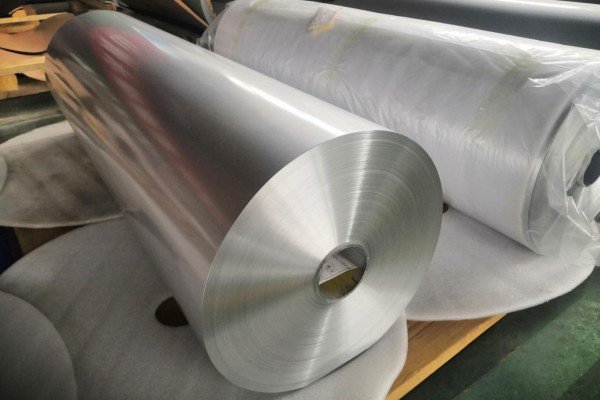
PTP aluminum foil is a sophisticated composite material where each functional layer works in concert to form a robust barrier protecting the pharmaceutical product.
Detailed Breakdown of Multilayer Structure
| Tavolo (Outer to Inner), | Primara Komponado & Procezo, | Kernaj Funkcioj & Postuloj, |
|---|---|---|
| Protekta/Presa Tavolo, | Typically a wear-resistant transparent or white varnish, applied via gravure printing. | 1. Informa Kondulo: Clearly prints legally required info: nomo de drogo, dozo, aro nombro, limdato, fabrikanto. 2. Print Protection: Offers excellent abrasion resistance to prevent information from wearing off during distribution. 3. Estetika Alvoko: Enhances brand recognition and product appearance. |
| Aluminia Folio Substrato, | Primarily alloys like 8011, precision cold-rolled to micron-level thickness. | 1. Core Barrier: Provides near-absolute barrier against water vapor, oksigeno, kaj lumo. 2. Mekanika Subteno: Provides overall strength, enabling clean “premas tra” rompo. 3. Forming Base: Good ductility allows for easy stamping and forming on packaging machinery. |
| Varmo-Sigela Tegaĵo, | A polymer adhesive (T.e., VC copolymer, akrila) with a specific formulation. | 1. Sekura Sigelo: Bonds firmly with blister base materials (like PVC, PVDC) under the heat and pressure of the sealing die. 2. Stabileco: Must be chemically inert, not interacting with the drug product. 3. Facila-Malferma Trajto: Balances “sekura sigelo” kun “facila puŝo tra” agado. |
Functional Principle: When a consumer presses on a blister pocket, force concentrates on the foil dome. Under precisely engineered pressure, the foil cleanly fractures at the heat-seal coating, separating from the base material, while the surrounding seal remains intact. This ensures convenient dose removal while keeping the remaining tablets sealed.
2. In-Depth Selection of Specifications: Matching Drug and Machine
1. Scientific Selection of Alloy and Temper
Foil performance starts with the alloy and its temper (hardness condition).
In-Depth Comparison of Mainstream Alloys & Temperoj
| Alloy/Temper, | Ŝlosilaj Karakterizaĵoj, | Key Performance Parameters (Tipa), | Ideal Application Scenario, |
|---|---|---|---|
| 8011-H18, | Alta forto, bona formebleco, optimal cost-performance balance. | Tensila Forto: ≥160 MPa Plilongigo: ≥1% |
The universal choice, suitable for over 90% of standard tablets, kapsuloj, grajnetoj. |
| 8011-O, | Milda humoro, bonega fleksebleco, easy to stamp/form. | Tensila Forto: 60-100 MPa Plilongigo: ≥10% |
For tablets with very complex shapes or extremely high stamping requirements. |
| 8021-O/H18, | Pli alta pureco & pli densa mikrostrukturo, ~20-30% better barrier. | Superior WVTR/OTR compared to 8011 of same gauge. | For drugs extremely sensitive to moisture/oxygen: orally disintegrating tablets, iuj biologiaj substancoj, high-value supplements. |
| 1235-O, | Alta pureco (Al≥99.35%), very low heavy metal content. | Better corrosion resistance & sekureco de manĝkontakto. | For drugs/foods with strict limits on metal ion migration (T.e., chocolates, candies in blisters). |

2. Dikeco: Beyond Just Barrier
Thickness is a balance between cost, baraj propraĵoj, and machine compatibility.
3D Decision Model for PTP Foil Thickness Selection
| Dikeco (μm), | WVTR Reference Range, | Mekanika Forto, | Demands on Packaging Equipment, | Recommended Application Tier, |
|---|---|---|---|---|
| 20, | Iomete pli alta, but still far superior to plastic films. | Modera. Risk of fracture during high-speed stamping needs monitoring. | Alta. Requires well-maintained machines with precise tension control. | Economy Tier. For highly stable generics with shorter shelf life. |
| 25 (The Gold Standard), | <0.5 g/m²·24h | Bonega. Withstands squeezing and impact during transport. | Modera. Compatible with most standard blister packaging machines. | Standard Tier. For prescription/OTC drugs requiring long-term storage (2-3 jaroj). |
| 30+, | <0.3 g/m²·24h | Tre alta. Minimal risk of breakage. | Malalta, but requires higher sealing power. | High-Performance Tier. For exports to tropical climates, highly active ingredients, or very long shelf-life products. |
3. Bobenaj Specifoj: Directly Tied to Production Efficiency
Matching coil specs is fundamental for continuous, efficient production line operation.
Detailed Coil Specifications & Machine Compatibility Checklist
| Spec Parameter, | Komunaj Opcioj, | Efiko sur Produktado, | Key Points for Procurement Discussion, |
|---|---|---|---|
| Coil Width, | Customized from 80mm to 800mm, typically in 1mm increments. | Determines the number of blisters per sheet (modulus), directly impacting packaging efficiency. | Provide blister size and output direction for supplier to calculate optimal width. |
| Kerna Interna Diametro (I.D.), | 3″ (76.2mm) and 6″ (152.4mm) are international standards. | Wrong core I.D. makes mounting on the machine impossible. | Must confirm the exact dimension of the machine’s unwind shaft. |
| Bobeno Ekstera Diametro (O.D.) / Longo, | O.D. typically ≤600mm. Length can be tens of thousands of meters. | Larger coils reduce changeover frequency, boosting efficiency, but require machines with adequate load capacity and tension control. | Clarify the machine’s maximum allowed O.D. and max load weight. |
| Number of Spikes/Splices, | Ideally ≤1-2 per coil, and must be clearly marked. | Splices can cause brief stoppages or unstable sealing. | Specify the maximum allowable splices per coil in the purchase contract. |
3. Beyond Standards: In-Depth Control of Key Performance
1. The Systems Engineering of Heat Seal Performance
Heat sealing is not a single parameter, but the result of system matching.
Heat Seal System Matching Table
| Blister Baza Materialo, | Recommended Heat Seal Coating Type, | Typical Seal Temp. Gamo, | Expected Seal Strength, | Gravaj Notoj, |
|---|---|---|---|---|
| Rigid PVC, | Universal VC or Acrylic coating | 180°C – 220°C | ≥7 N/15mm | Most common combination, mature process. |
| PVDC-coated PVC, | Special coating optimized for PVDC | 190°C – 230°C | ≥6.5 N/15mm | PVDC layer affects heat transfer; slightly higher temp may be needed. |
| Dorlotbesto, | High-temperature polyester coating | 220°C – 250°C | ≥6 N/15mm | PET has a high melting point, requiring more sealing power. |
| PP/PE, | Polyolefin-specific coating | 160°C – 200°C | ≥5.5 N/15mm | Too low temp causes weak bond; too high deforms the base. |
Seal Strength Testing: Should include aged testing simulating actual storage (T.e., testing after 14 days at 40°C/75%RH) to ensure seal reliability throughout the entire shelf life.

2. Baraj Propraĵoj: The Cornerstone of Stability
Beyond basic moisture/oxygen barriers, consider these potential risks:
- Luma Baro: The foil itself is opaque, making it ideal for light-sensitive drugs.
- Odor Barrier: Prevents drugs from absorbing external odors or internal odors from escaping.
- Migrado & Adsorption: A high-quality heat-seal coating should effectively block two-way migration and prevent API adsorption onto the foil.
3. Full Inspection Standards for Appearance & Presa Kvalito
| Difekto Tipo, | Acceptable Standard (AQL), | Inspekta Metodo, | Potential Risk, |
|---|---|---|---|
| Pintruoj, | ≤ 100 pz/㎡, no clustering allowed. | Pinhole detector (backlit inspection) | Primary risk point for barrier failure. |
| Scratches/Wrinkles, | Minor defects not affecting print, sigelado, or barrier function. | Visual inspection under standard light. | Affect appearance; severe wrinkles may cause poor sealing. |
| Printing Defects, | Legible text, color within tolerance, no missing/wrong print. | Comparison against master color/artwork. | Incorrect or unreadable info leads to dosing errors or non-compliance. |
| Uneven Coating, | Heat-seal coating applied uniformly, no visible streaks or spots. | Vida & simple peel test. | Causes local weak seals, creating leak points. |
4. Produktada Procezo & Kvalita Sistemo: The Foundation of High Quality
Critical Control Points (CCP) in the Full Process
- Raw Material Incoming: Verify alloy, humoro, and material certificates of the aluminum coil.
- Ruliĝanta & Annealing: Precise control of thickness tolerance (typically ±3%), streĉiteco, and annealing determines mechanical properties and formability.
- Purigado & Antaŭtraktado: Removes rolling oils and applies chemical pretreatment. Ĉi tiu estas la most critical step for ensuring subsequent print and coating adhesion.
- Presado: High-precision gravure printing ensures clarity of variable data (aro, eksvalidiĝo). Uzo de low-migration, pharmaceutical-grade inks is essential.
- Tegaĵo: Precision coating applies the heat-seal lacquer evenly. Dry coating weight is the key parameter (tipe 2-4 g/㎡).
- Resanigo & Fendado: Proper curing ensures coating performance stability. Sharp slitting knives ensure clean, senbrulaj randoj.
- In-line Inspection & Pakado: Vision inspection systems detect pinholes, makuloj, ktp., at high speed. Packaging in a clean environment prevents contamination.
Matrix of Compliance & Certification Systems
| Sistemo / Normo, | Primary Focus, | Key Supplier Audit Points, |
|---|---|---|
| GMP (Bona Fabrikada Praktiko), | Quality management and controllability of the entire process. | Is there a dedicated production area for pharmaceutical packaging? Are environmental controls, personnel hygiene, materia fluo, and deviation records robust? |
| ISO 15378, | Quality system for pharmaceutical packaging, based on ISO 9001. | Is the system documentation complete? Is there a closed-loop process from customer complaint to corrective/preventive action? |
| YBB Series Standards, | Chinese pharmacopoeia standards for physical, kemia, and biological properties of packaging materials. | Can they provide comprehensive, valid YBB test reports from authoritative agencies? |
| FDA 21 CFR Relevant Parts, | Safety of components, compatibility with drugs, and production controls. | Do they audit their raw material suppliers? Do they conduct USP Class VI or similar biological testing? |
5. Supplier Selection & Administrado: Building a Strategic Partnership
- Initial Screening (Qualification Check): Must possess the compliance certificates mentioned above. Check if they are a qualified supplier for renowned pharmaceutical companies—this speaks louder than any sales pitch.
- Deep Assessment (Surloka Revizio):
- Teknika Kapablo: Does their lab have key equipment: seal strength tester, permeability tester, GC-MS (for solvent residue)?
- Produktadstabileco: Brands/age of rolling mills, coaters? Are there online thickness gauges, pinhole detectors?
- R&D Kapablo: Can they co-develop compatible heat-seal coatings for new blister base materials (T.e., sustainable rPET)?
- Sample Validation & Pilot Batch Testing:
- Conduct runnability tests on your own packaging equipmentkun your own blister sheets, evaluating machine performance, seal quality, kaj stampado.
- Perform accelerated stability studies to verify long-term storage reliability.
- Provizoĉeno & Servo:
- Is the raw material source stable (especially for primary aluminum)?
- Are lead times reliable? What are the MOQ and order response times?
- In case of quality issues, what is the speed and capability of their technical support and problem resolution?

6. Estontaj Tendencoj & Innovation Frontiers
- Pli alta Barilo & Malpezigo: Through alloy optimization and advanced rolling, achieve barrier properties at thinner gauges (T.e., 20μm) close to 25μm foil, reducing cost and environmental footprint.
- Daŭripovo:
- Reduce Plastic Use: Support thinner blister base webs.
- Ekologiaj Tegaĵoj: Develop water-based heat-seal lacquers to reduce VOCs.
- Dezajno por Reciklado: Explore coating technologies that facilitate separation from plastic, improving aluminum recycling rates.
- Integrita Integriĝo:
- Digital Watermarks/QR Codes: Integrate invisible digital watermarks in the print layer for item-level traceability, kontraŭfalsado, kaj administrado de pacienca aliĝo.
- Indikaj Funkcioj: Develop integrated smart label functions using temperature- or humidity-sensitive inks.
Konkludo
Selecting PTP aluminum foil is, en esenco, choosing a reliable life-cycle barrier for the pharmaceutical product. It is far from a simple “foil purchase”; it is a comprehensive technical decision involving materials science, packaging engineering, quality management, kaj reguliga observo. Developing a deep understanding of the technical details and forming strategic partnerships with trustworthy suppliers are crucial for pharmaceutical companies to build a core competitive advantage in the quality arena. Ĉi tiu gvidilo celas provizi al vi detalan vojmapon por navigi la teknikajn kompleksaĵojn kaj konfidi, precizaj decidoj.