
Hajujen perussyyt ja järjestelmälliset torjuntastrategiat elintarvikepakkauksiin tarkoitetun päällystetyn alumiinifolion kovetusprosessissa
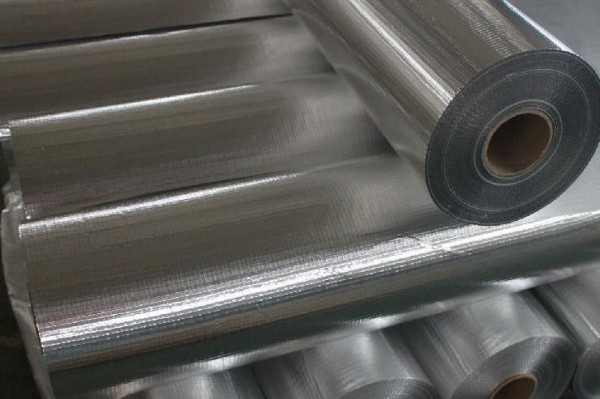
Elintarvikkeiden pakkausten alalla, päällystetystä alumiinifoliosta on tullut keskeinen materiaali tuotteiden, kuten meijerituotteiden, pakkaamisessa ja säilönnässä, suklaa, keitetyt ruoat, ja pikaruokaa, poikkeuksellisten sulkuominaisuuksiensa ansiosta, lämmönkestävyys, ja turvallisuus.
Kovetusprosessi on sen tuotannon ydinvaihe. Se helpottaa pinnoitemateriaalien silloitusreaktiota tiheän suojakalvon muodostamiseksi. Tämä prosessi määrittää suoraan kalvon lopullisen suorituskyvyn ja sen elintarviketurvallisuuden vaatimustenmukaisuuden.
Kuitenkin, kovettumisen aikana syntyvät ärsyttävät hajut eivät ainoastaan heikennä tuotantoympäristöä, vaan voivat myös jäädä valmiisiin tuotteisiin. Tämä herättää kuluttajien turvallisuutta koskevia huolenaiheita ja aiheuttaa riskin, että kansallisia standardeja, kuten GB, ei noudateta 31604.60-2024.
Siksi, hajun perimmäisten syiden systemaattisesta analysoinnista ja tehokkaan koko tuotantoketjun kattavan valvontajärjestelmän luomisesta on tullut kriittinen haaste, johon on vastattava alan laadukkaan kehityksen edistämiseksi..

1. Kovetusprosessin hajun perimmäisten syiden analyysi
Hajun muodostuminen läpäisee koko prosessin raaka-aineista valmiiseen tuotteeseen. Sen ydinlähteitä ovat riittämättömästi reagoineet aineet, kemialliset sivutuotteet, ja epäpuhtaudet, jotka johtuvat huonosta prosessiohjauksesta. Syyt voidaan luokitella kolmeen seuraavaan päätyyppiin:
1.1 Raaka-aineiden ja formulaation luontaiset viat
Raaka-aineet ovat hajun peruslähde. Väärä valinta tai virheellinen formulaatio johtaa suoraan jälkikovettumiseen hajuongelmiin.
- Liuotinjäämiin liittyvät ongelmat:Korkean kiehumispisteen käyttö, runsaasti jäämiä sisältävät liuottimet (esim., tolueeni, sykloheksanoni) tai liuottimet, joiden puhtaus on huonompi, tarkoittaa, että niiden epäpuhtaudet kamppailevat haihtuakseen kokonaan kovettumisen aikana, johtaa jäännökseen, pistäviä hajuja.
- Kovetusaineiden aiheuttamat riskit:Perinteisissä liuotinpohjaisissa kovetusaineissa mahdollisesti esiintyviä vapaita isosyanaattimonomeerejä, ja fenolisilloittajien jäännökset, voi vapauttaa ärsyttäviä hajuja kovettumisen aikana tai sen jälkeen ja saattaa aiheuttaa migraatioturvallisuusriskejä.
- Alustan kontaminaatio:Jos öljyt ovat väärät (esim., korkea viskositeetti, laaja kiehumisalue) käytetään alumiinifolion varastotuotannossa, Jäännösöljy, joka ei haihtu täysin kovettumislämpötiloissa, voi myös aiheuttaa hajua.
- Formulaation epätasapaino:Lisäaineiden, kuten pehmittimien tai stabilointiaineiden, liiallinen lisääminen, tai huono yhteensopivuus komponenttien välillä, johtaa epätäydellisiin kovettumisreaktioihin. Reagoimattomat aineet voivat sitten vapauttaa hitaasti hajua ajan myötä.
1.2 Kovettumisprosessin parametrien virheellinen ohjaus
Prosessiparametrien tarkka valvonta on avainasemassa täydellisten reaktioiden varmistamiseksi; väärät asetukset aiheuttavat suoraan hajua.
- Riittämätön lämpötila tai aika:Liian alhaiset kovettumislämpötilat tai liian lyhyet kestoajat johtavat hartsien epätäydellisiin silloitusreaktioihin, liuottimia, ja kovetusaineet. Tämä jättää jälkeensä reagoimattomia monomeerejä tai välituotteita, joista tulee myöhemmän hajun vapautumisen lähteitä.
- Paikallinen ylikuumeneminen ja hajoaminen:Liian korkeat lämpötilat, erityisesti prosesseissa, kuten sähkömagneettinen induktiokovetus, voi aiheuttaa paikallista ylikuumenemista, mikä johtaa polymeerin hajoamiseen tai jopa pinnoitteen hiiltymiseen. Tämä aiheuttaa huomattavaa palamista, ankarat hajut ja muut ärsyttävät kaasut.
- Virheellinen ilmanvaihto ja ilmanvaihto:Riittämätön ilmavirtaus kovetusuunin sisällä ei pysty poistamaan nopeasti haihtuvia sivutuotteita ja reaktion aikana syntyneitä liuotinjäämiä, jolloin ne kerääntyvät ja mahdollisesti saastuttavat tuotteen uudelleen. Liian suuri ilmavirta, kuitenkin, voi vaikuttaa pinnoitteen pinnan laatuun.
1.3 Tuotantoympäristön ja -laitteiden aiheuttama toissijainen saastuminen
Tuotantoympäristön ja laitteiden puhtaus vaikuttaa suoraan tuotteen puhtauteen.
- Ilman saastuminen: Jos työpajan ilmassa on epäpuhtauksia, kuten muita haihtuvia orgaanisia liuottimia tai pölyä, ne voivat adsorboitua kovettumattomaan päällystepintaan ja myöhemmin muuttua “loukussa” kovettuneen kalvon sisällä, monimutkaisten hajujen luominen.
- Laitteiden saastuminen:Laitteet, kuten kuivatusuunit ja kuljetinhihnat, keräävät pinnoitteen hajoamistuotteita, polymeerijäämät, ja rasvaa sisäpinnoille pitkäaikaisen käytön aikana. Jatkuvasti korkeissa lämpötiloissa, nämä kerrostumat voivat hajota itsestään tai olla vuorovaikutuksessa uusien tuotteiden kanssa, synnyttää palaneen hajuja ja muita hajuja, jotka tarttuvat kalvon pintaan.
- Loppuvaiheen prosessien vaikutus:Leikkauksen ja kelauksen aikana, jos liiallinen jännitys on käytössä, jolloin kela kiertyy liian tiukasti, se voi estää kerrosten väliin varastoinnin ja kuljetuksen aikana jääneiden jäämien leviämistä ja karkaamista. Tämä voi aiheuttaa havaittavaa hajua, kun loppukäyttäjä avaa pakkauksen.

2. Koko prosessin hajunhallintajärjestelmän rakentaminen
Periaatteessa hajun hallitsemiseksi ja poistamiseksi, on laadittava järjestelmällinen hoitosuunnitelma lähteestä loppuun, keskittyen neljään keskeiseen ulottuvuuteen: raaka-aineet, käsitellä, laitteet, ja ympäristö, kaikki toimivat synergiassa.
2.1 Lähteen hallinta: Raaka-aineiden valinnan ja formulaatiosuunnittelun optimointi
Raaka-aineiden laadun ja formulaatiotieteen tiukka valvonta on tehokkain tapa poistaa hajuriskit juurissa.
Taulukko 1: Tärkeimmät raaka-aineen valinta ja valvontapisteet
| Materiaaliluokka | Suositeltu valinta & Ohjauspisteet | Kohde & Vakioviite |
|---|---|---|
| Liuotin | Etusijalla korkea puhtaus, matalan kiehumispisteen ympäristöystävälliset liuottimet (esim., etyyliasetaatti, etanoli). Tarkkaile puhtautta (≥ 99,9 %), kosteutta, ja epäpuhtauspitoisuus. | Saavuta vähän jäämiä ja nopeasti, perusteellinen haihtuminen. Täytä rajavaatimukset aineille, kuten bentseenisarja standardeissa, kuten GB 31604.60-2024. |
| Kovetusaine | Valitse vähähajuinen, elintarvikekäyttöön soveltuvia tuotteita, esim., vesiohenteiset polyuretaanikovettimet, joissa on alhainen vapaa monomeeripitoisuus, estetty isosyanaatit, BPA/BADGE-vapaat fenoliset silloitusaineet. | Jäännösmonomeeripitoisuus <0.05%, alhainen hajuluokka (0-1), varmistaa täydellisen reaktion ja turvallisuuden. |
| Alumiinifoliopohja | Valitse valssausöljyt, joiden viskositeetti on alhainen, korkea leimahduspiste, ja haihtuu helposti. Tehosta rullauksen jälkeistä ilmaveitsen puhdistusprosessia. | Varmista, että valssausöljy haihtuu kokonaan folion hehkutuksen ja pinnoitteen alkukovetusvaiheiden aikana, minimaalisella pintajäännöksellä. |
| Lisäaineet | Käytä elintarvikelaatuista, vähähajuisia lisäaineita tiukasti rajoitettuina määrinä. Optimoi komponenttien yhteensopivuus koostumuksessa kokeilun avulla. | Vältä liiallista lisäämistä, varmistaa, että ne osallistuvat reaktioon tai pysyvät vakaina, estää kulkeutumisen tai hajun muodostumisen. |
2.2 Prosessin optimointi: Kovetusprosessin parametrien tarkka säätö
Säätelemällä huolellisesti ydinparametreja, kuten lämpötilaa, aika, ja ilmavirta kovettumisen aikana, täydelliset reaktiot varmistetaan, ja haihtuvat aineet poistetaan tehokkaasti.
Taulukko 2: Suositeltavat parametrit monivaiheiseen kovetusprosessiin
| Kovettumisvaihe | Ensisijainen tavoite | Lämpötilan säätöalue | Aika/ilmavirran ohjauspisteet | Odotettu tulos |
|---|---|---|---|---|
| Esilämmitysvaihe | Haihduttaa suurin osa liuottimesta kokonaan | 80°C – 100°C | Säädä aika pinnoitteen paksuuden ja liuotinpitoisuuden mukaan riittävän vuotamisen varmistamiseksi. | Vähentää merkittävästi liuotinjäämiä, puhtaan pinnan luominen myöhempää silloitusreaktiota varten. |
| Ytimen kovetusvaihe | Täydellinen perusteellinen silloitusreaktio hartsin ja kovetusaineen välillä | 150°C – 180°C (säätää tietyn formulaation perusteella) | Ajan on varmistettava täydellinen reaktio pinnoitteen syvissä kerroksissa. Säilytä tasainen ilmavirtaus uunissa 1.5-2.5 m/s. | Muodosta tiivis, täysin kovettunut kalvo; eliminoi reagoimattomat monomeerit; tasainen ilmavirtaus auttaa poistamaan pienimolekyylisiä sivutuotteita. |
| Jäähdytysvaihe | Vakauttaa pinnoitteen rakenne, vähentää sisäistä stressiä | Asteittainen jäähdytys huoneenlämpötilaan | Säädä jäähdytysnopeutta lämpötilashokin välttämiseksi. | Estä lämpörasituksen aiheuttamat mikrohalkeamat pinnoitteessa, vähentää stressin vapautumisen aiheuttamaa kovettumisen jälkeistä haihtumista. |
| Erityinen prosessi (esim., foliopussikovettuminen) |
Saavuta täydellinen kovettuminen alhaisessa lämpötilassa | 45°C – 55°C | Pidentää kovettumisaikaa merkittävästi 48-72 tuntia. | Varmista täydellinen reaktio pidentämällä aikaa välttäen samalla lämpöherkkien materiaalien hajoamista; sopii komposiittirakenteille, jotka eivät kestä korkeita lämpötiloja. |
2.3 Varustusvakuutus: Parannettu huolto- ja puhdistushallinta
Tuotantolaitteiden puhtaus ja asianmukainen kunto ovat olennaisia toissijaisen saastumisen välttämiseksi ja prosessin vakauden varmistamiseksi.
- Ota käyttöön säännöllinen puhdistusjärjestelmä:Kehitä ja pane täytäntöön viikoittaiset puhdistusaikataulut laitteiden sisäpinnoille, kuten kuivatusuunit ja kuljetinhihnat. Käytä neutraaleja puhdistusaineita jäämien perusteelliseen poistamiseen, sen jälkeen täydellinen kuivaus ristikontaminaation estämiseksi.
- Suorita ennaltaehkäisevä huolto:Tarkista säännöllisesti, palvelua, ja kalibroi järjestelmiä, kuten lämmityselementtejä, faneja, ja ilmakanavat lämpötilan tasaisuuden ja ilmanvaihdon tehokkuuden varmistamiseksi. Optimoi ja säädä järjestelmiä, kuten kireyden hallintaa ja ilmaveitsisuuttimia leikkureissa varmistaaksesi niiden tehokkuuden.
- Asenna putkenpään käsittelylaitteet: Varusta kuivausuunien poistoaukot jätekaasujen käsittelylaitteilla, kuten aktiivihiiliadsorberilla tai katalyyttisillä hapettimilla. Nämä käsittelevät kerättyjä haihtuvia orgaanisia yhdisteitä, vähentää ympäristövaikutuksia ja estää pakokaasujen kierrättämistä ja saastuttamasta konepajaa.
2.4 Ympäristönvalvonta: Puhtaan ja vakaan tuotantoympäristön luominen
Hyvin hallittu tuotantoympäristö on edellytys korkealaatuisten tuotteiden valmistamiselle.
- Tiukasti valvottu työpajaympäristö:Pidä työpajan siisteys. Varmista riittävä ilmanvaihto (suositeltu ilmanvaihtonopeus ≥6 kertaa/tunti) ja säätele sopivaa lämpötilaa ja kosteutta (esim., 20-25°C, 50-60% Rh). Kiellä tiukasti hajuisten kemikaalien varastointi tai käyttö työpajassa.
- Vahvista koko prosessin laadunvalvontaa: Luodaan koko prosessin laadun jäljitysjärjestelmä raaka-aineiden saannista valmiin tuotteen lähettämiseen. Rutiininomaisten fyysisten ominaisuuksien testauksen lisäksi, suorittaa säännöllisesti aistinvaraisia arviointeja ja instrumentaalisia analyyseja (esim., Kaasukromatografia-massaspektrometria, GC-MS) valmiissa tuotteissa. Seuraa hajua aiheuttavia aineita ennakoivasti varmistaaksesi, että tuotteet täyttävät turvallisuus- ja hajustandardit.
3. Johtopäätös
Hajunhallinta pinnoitetun kovettumisprosessissa alumiinifolio Elintarvikkeiden pakkaaminen on järjestelmällinen suunnittelutehtävä, joka vaatii osastojen ja prosessien välistä yhteistyötä. Ohjaavan periaatteen tulee olla “lähteen ehkäisy perustana, prosessinohjaus ytimenä, ja putkenpään käsittely suojatoimenpiteenä.”
Ottamalla järjestelmällisesti käyttöön ympäristöystävällisiä ja erittäin puhtaita raaka-aineita, tarkat ja standardoidut kovetusprosessit, puhtaat ja älykkäät tuotantolaitteet, ja standardoitu työpajaympäristön hallinta, yritykset voivat paitsi tehokkaasti ratkaista hajuhaasteita ja varmistaa 100% tuote noudattaa yhä tiukempia elintarvikkeiden kanssa kosketuksiin joutuvien materiaalien turvallisuusstandardeja, kuten GB 31604.60-2024, mutta myös parantaa merkittävästi tuotannon tehokkuutta, tuotteen johdonmukaisuus, ja markkinoiden kilpailukykyä.
Katsella eteenpäin, kun kuluttajien tietoisuus ympäristönsuojelusta ja turvallisuudesta kasvaa, hajuton ja vähäinen jäännös on tullut välttämättömäksi korkealaatuisille elintarvikepakkauksille. Asianomaisten yritysten tulisi edelleen lisätä investointejaan R:ään&D vähähajuisille materiaaleille, digitaalinen prosessien seuranta, ja elinkaaren hallinta. Läheisen yhteistyön kautta alan ketjukumppaneiden kanssa, Elintarvikepakkausalan päällystettyä alumiinifoliota voidaan työntää yhdessä kohti vihreämpää, turvallisempaa, ja tehokkaampi tulevaisuus, tarjoaa vankan materiaaliperustan maailmanlaajuiselle elintarviketurvallisuudelle.