
Why High-End Chocolates Exclusively Rely on 8079 Aluminum Foil? The Top-Tier Preservation Engineering Hidden in the Packaging
In the luxury snack and high-end bakery sectors, chocolate stands as the only category that combines “ingredient attributes, flavor artistry, and collectible value.”
The public often attributes price gaps in chocolates to cocoa content, single-origin raw materials, and handcrafted techniques, overlooking a core detail: given identical ingredients and craftsmanship, the packaging material directly determines the shelf-life flavor retention rate and the product’s appearance grade.
Top global chocolate brands like Ferrero, Godiva, Lindt, and Valrhona have steadfastly chosen 8079 food-grade alloy aluminum foil as their core inner packaging for decades, never opting for lower-cost alternatives like standard pure aluminum foil, plastic composite films, or metallized films.
This is not brand premium marketing but an industry-hardened standard formed through a century of production iteration, countless flavor tests, and safety inspections within the high-end chocolate industry.
Unlike ordinary packaging with its basic functions of “decoration and storage,” 8079 aluminum foil is a sophisticated protection system integrating barrier preservation, mechanical adaptability, food safety, aesthetic shaping, and low-carbon sustainability.
This ultra-thin metal film, merely 6-9 microns thick, serves as the “invisible core barrier” safeguarding the precious cocoa flavor, stable product appearance, and premium brand positioning of high-end chocolates.

I. Extremely Delicate Chocolate: Four Irreversible Deterioration Risks Render Ordinary Packaging Completely Ineffective
The core matrix of chocolate is cocoa butter, a natural oil with a melting point close to human body temperature and extremely active components. Combined with cocoa solids, sucrose, milk fat, and other ingredients, it forms a composite emulsion system with very poor stability.
Compared to resistant snacks like candies and biscuits, chocolate’s sensitivity to environmental variables is dozens of times higher. Ordinary packaging can only achieve basic dust prevention and cannot withstand the four core destructive factors: oxygen, temperature/humidity fluctuations, liwanag, and odors, ultimately rendering the value of high-end raw materials completely null.
1. Oxygen Permeation: Cocoa Butter Oxidation, Complete Flavor Deterioration
Cocoa butter is rich in unsaturated fatty acids, the core source of chocolate’s mellow fruity, roasted, and nutty aromas, but also its most vulnerable component prone to oxidation. Ordinary 1060 pure aluminum foil and metallized films have numerous microscopic pinholes, allowing oxygen to continuously penetrate the packaging.
During ambient storage and transportation, unsaturated fatty acids undergo oxidation and rancidity reactions, generating aldehydes, ketones, and off-flavors, producing a pungent “rancid smell.”
This deterioration is irreversible. It not only completely masks the unique flavor layers of single-origin cocoa but also causes the chocolate to taste sour and bitter. Industry tests show: under ordinary aluminum foil packaging, the flavor loss rate of high-end chocolate stored at room temperature for 3 months exceeds 35%, while products packaged in 8079 aluminum foil have a flavor loss rate below 5%. Its antioxidant capacity is over eight times that of ordinary foil.
2. Temperature & Humidity Fluctuations: Sugar Bloom and Fat Bloom Double Whammy, Collapse of Appearance and Texture
Chocolate faces two high-frequency industry deterioration issues: sugar bloom and fat bloom, core pain points ordinary packaging cannot solve. During warehousing, supermarket display, and cold chain transfer, environmental temperature and humidity fluctuate easily.
When external humidity exceeds standards, moisture penetrates the packaging and dissolves the sucrose micro-crystals on the chocolate surface. When the temperature rises and moisture evaporates, the sugar recrystallizes, forming a rough, chalky white layer of sugar bloom, robbing the chocolate of its smooth, mirror-like luster.
Simultaneously, repeated temperature cycles cause cocoa butter to melt, exude, and re-solidify, forming whitish fat bloom. This double blooming issue not only makes the product look cheap and flawed but also destroys the chocolate’s dense, silky texture, making it dry, powdery, and rough, completely losing its high-end edibility.
3. Strong Adsorption Property: Odor Contamination, Ruining the Exclusive Flavor System
Chocolate is a natural “odor absorber.” Its high oil content and porous microstructure give it far greater adsorption capacity for environmental odors than most foods.
The barrier vulnerabilities of ordinary packaging cannot block external stray smells. During logistics and warehousing, cardboard pulp smells, fragrances from surrounding goods, musty warehouse odors, and plastic smells can all penetrate the packaging and be fully adsorbed by the chocolate.
For mass-market affordable chocolates with simple flavors, the impact of odor contamination may be less noticeable.
Gayunpaman, for single-origin fine chocolates, high-cocoa-content dark chocolates, and limited-edition flavored chocolates, their flavor layers are delicate and unique. Slight odor contamination disrupts the original fruit, floral, and roasted aroma systems, leading to turbid, indistinct flavors, and direct relegation to defective products.
4. Light Catalysis: Photo-Oxidation Accelerates Aging, Shortens Shelf Life
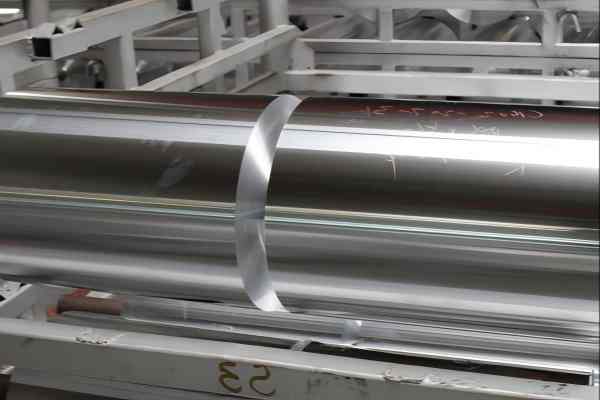
Ultraviolet and visible light from natural sunlight and supermarket lighting directly catalyze the photo-oxidation of cocoa butter, destroying pigment molecules and flavor compounds. Transparent plastic films and thin ordinary aluminum foils cannot completely block light.
Under prolonged exposure, chocolate fades quickly, turns whitish, becomes loose in texture, and internal nutrients decompose rapidly, cutting the shelf life by more than half.
Summary: The Need for Absolute Barrier
Sa buod, ordinary packaging cannot simultaneously solve the four problems of oxidation, blooming, odor contamination, and photo-aging. Ang 8079 alloy aluminum foil, offering full-dimensional zero-permeability barrier properties, is currently the only packaging material capable of creating a pure micro-environment for chocolate that is constant in temperature and humidity, oxygen-free, light-free, and odor-free.
| Chocolate Deterioration Type | Core Cause | Ordinary Packaging Defect | 8079 Aluminum Foil Solution |
|---|---|---|---|
| Fat oxidation, rancid smell | Oxygen penetration, oxidation of cocoa butter unsaturated fatty acids | Numerous pinholes, high oxygen transmission rate, fails to isolate oxygen | Near-zero pinhole structure, near-zero oxygen transmission, blocks oxidation reaction |
| Sugar bloom clumping, rough texture | Environmental humidity fluctuations, moisture penetration dissolving sugar | Poor moisture barrier, weak moisture-proof ability | Ultra-low water vapor transmission rate, isolates external moisture, stabilizes internal humidity |
| Odor contamination, turbid flavor | Oil absorbs external stray smells/odors | Single barrier dimension, fails to block odors | Full-dimensional sealed protection, completely isolates external odors |
| Photo-oxidation fading, loose texture | UV/visible light catalyzes ingredient decomposition | Poor light-blocking ability, fails to resist light damage | 100% light blocking rate, prevents photo-aging deterioration |
II. Core Metallurgical Barriers of the Material: 8079 is Not Ordinary Aluminum, But a Specialized Food Packaging Alloy
The vast majority of civilian and packaging aluminum foils on the market belong to the 1060 at 1235 pure aluminum series, focusing on low cost and versatility without targeted performance optimization. In contrast, 8079 aluminum foil is an aluminum-iron-silicon specialty alloy developed specifically for high-end food ultra-thin precision packaging.
It is a non-heat-treatable strengthened alloy. Through precise trace element ratios, special rolling processes, and clean annealing treatments, it achieves structural strength and density unattainable by ordinary pure aluminum, representing a dimensional reduction crush in materials science.
1. Precise Trace Element Ratio, Reconstructing Metal Microstructure
The core performance advantages of 8079 aluminum foil stem entirely from standardized composition ratios. Each element precisely addresses packaging pain points, with no redundant impurities:
Bakal na Bakal (Fe: 0.7%–1.3%): The Strengthening Core
Pure aluminum is relatively soft with insufficient toughness, tearing easily in ultra-thin states. Precisely added iron forms finely dispersed intermetallic compound particles within the aluminum matrix, acting like countless micro-rivets locking the metal lattice, significantly enhancing the foil’s tensile strength, puncture resistance, and fatigue resistance.
This allows 8079 aluminyo foil, even at an extreme thickness of 6μm, to withstand sharp punctures from nuts, dried fruits, caramel fillings, perfectly suiting all praline chocolate categories.
Silicon (Si Si: 0.05%–0.3%): The Densification Core
Silicon works synergistically with iron to refine metal grains, optimize the recrystallization process after rolling, and effectively prevent microscopic cracks and pinholes caused by impurity agglomeration and lattice misalignment. Compared to ordinary foil, 8079 has a pinhole count reduced by over 90%, maximizing foil density and fundamentally preventing moisture and oxygen penetration.

2. O-Temper Soft Annealing Process, Creating Gold Standard Packaging Parameters
Industrial aluminum foil comes in various hardness tempers. Ang 8079 aluminum foil exclusive to high-end chocolate packaging uniformly adopts the O-temper fully softened annealing process. While retaining extreme strength, it imparts excellent plasticity and workability to the material.
All parameters are precisely adapted to high-end food automated production lines and preservation needs, forming a universal industry gold standard.
| Performance Indicator | Typical Value | Application Value for High-End Chocolate Packaging |
|---|---|---|
| Foil Thickness | 6–9μm (Mainstream 8μm) | Ultimate lightweighting, conformable wrapping without redundant wrinkles, premium feel, reduces consumables and logistics costs |
| Lakas ng Paghatak | 60–110MPa | Adapts to high-speed lines running at 800-1200 pieces/minute; resists tearing/pulling, prevents jams, mass production yield >99.9% |
| Pagpapahaba | ≥2% | Excellent ductility, complex folding without brittle cracking/dead creases, stable shape retention without spring-back |
| Surface State | One side bright, one side matte | Bright side enhances display quality; matte side suits printing/embossing, less slippery |
| Oxygen Transmission Rate | <0.05cm³/m²/24h | Near-oxygen-free environment, long-term prevention of cocoa butter oxidation |
| Water Vapor Transmission Rate | <0.1g/m/24h | Super moisture-proof, thoroughly prevents sugar/fat bloom |
Thickness 6–9μm (Industry Mainstream 8μm)
Ultimate lightweight design. Compared to traditional thick foil, it greatly reduces material footprint, fits the small, exquisite form of chocolates, wraps without redundant wrinkles, offers a delicate premium feel, and lowers brand packaging consumable costs and logistics weight.
Tensile Strength 60–110MPa
Adapts to high-end chocolate high-speed automated lines, withstanding mechanical pulling, folding, and winding operations at 800-1200 times per minute. No breakage, deformation, or jamming occurs during operation, maintaining mass production yields stably above 99.9%.
Elongation ≥2%
Excellent plasticity, no brittle cracking, dead creases, or spring-back stress during folding, bending, or embossing. Stable shaping effect, adapts to complex three-dimensional folding shapes.
Dual-sided Differentiated Matte/Bright Texture
Bright side achieves mirror reflection effect, enhancing product display premium; matte side has moderate friction, suitable for high-precision printing and deep embossing, less slippery, balancing aesthetics and processing utility.
III. Four Exclusive Core Advantages, Widening the Industry Gap with Ordinary Aluminum Foil
Many wonder: there are numerous food packaging aluminum foil grades, including 1060, 1235, 8011, atbp. Why does only 8079 aluminum foil monopolize the high-end chocolate segment?
The metallurgical formulas, microstructures, and finished product performance of different aluminum foil alloys vary greatly, directly determining their suitability for the stringent preservation and production needs of high-end chocolates.
Comparative Analysis: 8079 mga bes. Other Mainstream Alloys
To clearly illustrate the exclusive industry barriers of 8079 aluminyo foil, a comprehensive horizontal comparison of core parameters and adaptability among mainstream food packaging aluminum foil alloy grades is presented below:
| Alloy Grade | Alloy System | Ultra-Thin Pinholes (6-9M) | Lakas ng Paghatak | Folding Shape Retention | Barrier Performance | Food-Grade Adaptability | Core Application Scenarios |
|---|---|---|---|---|---|---|---|
| 8079 | Al-Fe-Si Specialty Alloy | Near zero (Industry top) | 60-110MPa (Strong/Tough Balanced) | Ultimate zero spring-back, permanent set | 4D Full Barrier (O₂/H₂O/Light/Odor) | Multiple global certifications, zero oil/odor | High-end chocolate, fine high-oil food precision packaging |
| 8011 | Al-Fe System Alloy | Low, slightly higher than 8079 | 55-90MPa (Medium toughness) | Basic set, slight spring-back | Good barrier, slightly inferior to 8079 | Standard food grade, no high-end flavor adaptation | Ordinary snacks, dried fruits, regular candy packaging |
| 1235 | High Purity Aluminum | Mataas na, prone to pinholes in ultra-thin specs | 40-70MPa (Malambot na, tears easily) | Obvious spring-back, easy deformation/collapse | Average, prone to penetration over time | Basic food grade, may retain slight aluminum odor | Low-end candy, simple food outer packaging |
| 1060 | Industrial Pure Aluminum | Very high, many leaks in ultra-thin specs | 35-60MPa (Very poor strength) | Mga Maralita, cannot hold 3D shape | Mga Maralita, significant O₂/H₂O penetration | Primarily industrial grade, not recommended for high-end food contact | Industrial insulation, general packaging, non-food scenarios |
The table clearly shows: 1060 at 1235 pure aluminum foils have glaring shortcomings—low strength, high pinhole rates, poor sealing—making them completely unsuitable for high-end chocolate preservation.
8011 alloy aluminum foil is an upgraded version for regular food packaging, with mediocre performance, but still showing obvious shortcomings in ultra-thin density, zero-spring-back setting, and ultimate flavor lock-in. Only 8079 specialty aluminum foil achieves full-dimensional perfect adaptation in strength, barrier, shape retention, safety, and processability, making it the irreplaceable exclusive material for high-end chocolates.

1. Zero Spring-Back Plastic Setting, Achieving Standardized Premium Appearance
The brand recognition of high-end chocolates largely stems from their uniform, standardized packaging form. Ferrero’s spherical wrap, Lindt’s three-dimensional folding, Godiva’s exquisite envelope packaging—all involve complex irregular folding techniques requiring extremely high material setting capability.
Ordinary aluminum foil exhibits obvious metal spring-back stress; after folding, it slowly springs back open, causing loose seals, collapsed corners, and skewed packaging. This results not only in messy appearance but also seal failure.
8079-O temper aluminum foil possesses unique plastic memory characteristics. Internal stresses are completely released after rolling and annealing. It folds without spring-back or deformation, permanently locking folding edges and shapes. Every piece of chocolate is wrapped with distinct edges, tight seals, and uniform morphology.
This ensures the brand’s standardized premium visual texture while completely eliminating seal vulnerabilities, maintaining perfect appearance from production to the retail shelf.
2. Ultra-Thin Yet Strong Dual Attributes, Adapting to High-Speed Mass Production and Complex Scenarios
The food packaging industry has long faced the “thickness-strength paradox”: thinner materials mean lower strength and easier breakage; thicker materials mean poorer texture and higher costs. Ordinary pure aluminum foil loses almost all toughness when thickness drops to 6μm, breaking easily with slight pulling or touching, making it completely unsuitable for automated mass production.
Leveraging its refined, uniform grain structure, 8079 alloy aluminum foil breaks through industry material limitations, achieving perfect compatibility between ultra-thinness and strength. Even at lightweight specifications of 6-9μm, it retains excellent tensile, tear, bend, and puncture resistance.
It adapts to large-scale mass production on high-speed automated lines and perfectly handles scenarios prone to punctures, such as nuts, crisped rice, caramel, and biscuit fillings. It eliminates packaging damage and seal failure during transport bumps, greatly reducing brand wastage costs.
3. Near-Zero Pinholes and Dense Structure, Building a Vacuum-Grade 4D Barrier
Pinhole defects are fatal to packaging barrier performance. Even micron-sized tiny pinholes become channels for oxygen, kahalumigmigan, odors, and light to penetrate, completely destroying chocolate quality during long-term storage. Ordinary aluminum foil has rough rolling processes, resulting in extremely high pinhole rates in ultra-thin specifications, failing to achieve long-term preservation.
8079 aluminum foil employs triple processes: double rolling, precision polishing, and high-temperature homogenizing annealing, resulting in a uniform and dense microstructure. Its pinhole rate approaches zero, achieving 100% light blocking, near-zero oxygen transmission, near-zero water vapor transmission, and complete odor isolation—an ultimate 4D barrier effect.
Authoritative industry testing data shows: 8079 aluminum foil has a water vapor transmission rate of <0.1g/m²/24h and an oxygen transmission rate of <0.05cm³/m²/24h. Its barrier performance far exceeds national first-class food packaging standards, capable of building a nearly vacuum-sealed micro-environment for chocolate.
It firmly locks in the native cocoa flavor, strongly resists external environmental interference, and significantly extends the premium flavor shelf life of high-end chocolates.
4. Versatile Processing Adaptability, Balancing Aesthetics, Technology, and Anti-Counterfeiting Value
High-end chocolate packaging bears not only preservation functions but also serves as a crucial carrier for brand aesthetics, product differentiation, and anti-counterfeiting/source tracing. 8079 aluminum foil offers unmatched versatile processing performance, perfectly suiting the refined needs of premium brands:
- Deep Relief Embossing: Supports replication of exclusive brand shell textures, tactile patterns, 3D logos, and custom designs, offering a full, three-dimensional touch and enhancing premium brand recognition.
- High-Precision Printing: Balanced surface tension suits gravure, flexographic printing, and hot stamping. Colors are accurately reproduced with strong adhesion, no ink rubbing or fading, maintaining vibrancy during long-term display.
- Eco-Friendly Lamination: Can be directly laminated with food-grade shellac, paraffin, or pure paper without chemical adhesives, aligning with global clean label trends. Ensures packaging safety while providing a minimalist, premium texture and process-based anti-counterfeiting properties.
IV. Dual Hardcore Standards of Safety and Low Carbon, Matching High-End Brand Positioning
High-end chocolates promote the brand philosophy of “purity, health, premium, sustainable,” imposing far stricter requirements on packaging material food safety levels and environmental attributes than ordinary foods.
8079 food-grade aluminum foil is currently one of the few packaging materials on the market that simultaneously meets top-tier global food safety certifications, zero odor pollution, and infinite recycling for low carbon, perfectly aligning with the core demands of premium brands.
1. Multiple Global Authoritative Food Safety Certifications, Zero Risk for Food Contact
Chocolate is a high-fat, direct-ingestion food. Oils readily extract heavy metals and residual harmful substances from packaging materials, demanding extremely high packaging safety levels.
Ordinary industrial aluminum foil has high impurity content and lacks specialized food certification, making it unsuitable for high-end chocolate packaging. 8079 dedicated food-grade aluminum foil uses high-purity primary aluminum ingots as raw material, produced in dust-free workshops, and strictly passes four major global top-tier food contact safety standards: EU EC 1935/2004 General Food Standard, EU 10/2011 Specific Measures for Plastic & Metal Packaging, US FDA 21 CFR Part 177 Food Contact Material Standard, and German LFGB Food Sensory and Migration Test Standard.
Products pass specialized testing using fat food simulants. Migration of heavy metals like lead, cadmium, and arsenic is nearly zero. It is sterile, non-toxic, and non-leaching, especially suitable for single-origin dark chocolates and high-purity cocoa chocolates with extremely sensitive flavors, causing no negative impact on ingredient safety or flavor.
2. High-Temperature Clean Annealing Process, Thoroughly Eliminating Odor Residue
Trace amounts of rolling oil and hydrocarbons remain during aluminum foil rolling. Ordinary aluminum foil lacks dedicated de-oiling processes, easily retaining slight oily or metallic smells that can contaminate chocolate.
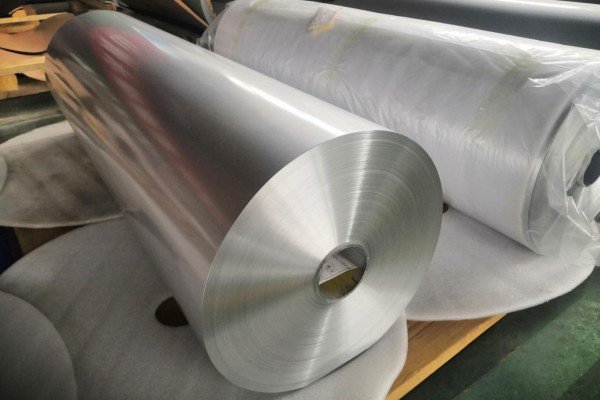
8079 aluminum foil undergoes a dedicated high-temperature clean annealing process, thoroughly volatilizing all residual oil and impurities in a high-temperature vacuum environment, achieving zero residual oil, zero odor, and zero dust on the foil surface. This eliminates packaging odor contamination at the source, perfectly preserving the delicate and unique flavor layers of high-end chocolates.
3. 100% Recyclable, Aligning with Carbon Neutrality Development Trends
Aluminum is the most recycled metal on Earth. 8079 aluminum foil can be infinitely recycled. The energy consumption for producing recycled aluminum is only 5% of that for primary aluminum, reducing carbon emissions by over 95%.
Simultaneously, its ultra-thin, lightweight design reduces raw material consumption at the source, lowering energy consumption across production, logistics, and warehousing, perfectly aligning with global carbon neutrality and green consumption development trends.
Furthermore, 8079 aluminum foil boasts exceptional temperature stability, maintaining structural integrity and performance from -73°C cold chain environments up to 371°C high temperatures. It perfectly adapts to the full scenario demands of chocolate cold chain transportation, ambient warehousing, and seasonal changes, unaffected by environmental temperature fluctuations.
V. Full-Category Scenario Adaptability, Monopolizing the High-End Chocolate Market
Relying on its comprehensive performance advantages, 8079 aluminum foil has become the universal standard solution for the global high-end chocolate industry. It fully covers all subcategories, adapting to the packaging and preservation needs of different products:
1. Plain Dark/Milk Chocolate Tablets
Leveraging excellent folding shape retention and sealing, it enables fully automated standardized wrapping. The packaging is flat, neat, wrinkle-free, and secure, with mass production yields approaching 100%, locking in pure cocoa flavor long-term.
2. Nut, Crisped Rice, Praline Chocolates
Relying on super puncture and tear resistance, it thoroughly solves the industry problem of packaging being pierced by nut fragments, dried fruits, caramel fillings, atbp., ensuring sealed freshness throughout transport.
3. Premium Gift Box Chocolates
Can be laminated with PVC or PVDC materials, adapting to cold stamping forming processes. It can create three-dimensional individual cavities and irregular premium packaging, offering a high-end feel and stable shaping, suiting the high-end gift market.
4. Niche Fine & Limited Edition Chocolates
Adapts to high-precision personalized printing, exclusive embossing, and hot stamping processes. Supports brand-differentiated aesthetic design, balancing appearance, anti-counterfeiting, at pag iingat, suiting the high-end niche boutique segment.
Pangwakas na Salita: A Micron-Thin Layer of Aluminum Foil Carries the Quality Confidence of High-End Chocolate
Within packaging details invisible to the public lies the most extreme commitment to quality held by premium brands. For affordable foods, packaging is merely an external accessory; but for high-end chocolate, packaging is a core component of flavor preservation, quality stability, and brand texture.
The dominance of 8079 aluminum foil in the global high-end chocolate packaging market is by no means industry bandwagoning.
It is the sole optimal solution selected after multi-dimensional screening involving materials science, food preservation engineering, industrial mass production processes, food safety standards, and green sustainable development.
With its micron-scale, lightweight profile, it achieves the ultimate preservation effect of zero oxidation, zero dampness, zero odor contamination, and zero light damage. Simultaneously, it balances automated mass production efficiency, premium aesthetic texture, top-tier food safety, and low-carbon attributes.
This unassuming ultra-thin aluminum foil is both the invisible shield guarding premium cocoa flavor and the core silent barrier distinguishing top chocolate brands like Ferrero, Godiva, and Lindt from affordable products, upholding their high-end quality bottom line.