
Complete Guide to Pharmaceutical PTP Aluminum Foil: Technical Decoding and Application Practice of Core Materials
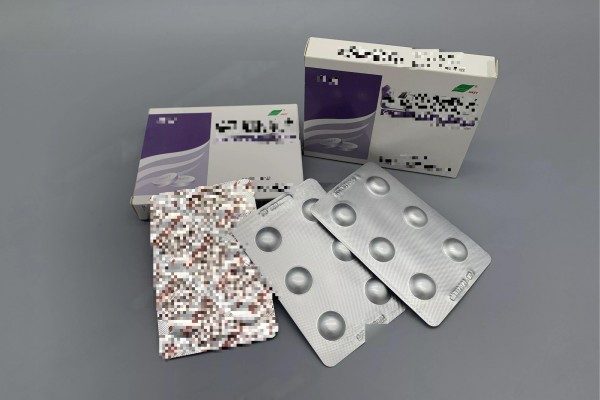
In the precise world of pharmaceutical packaging, a piece of aluminyo foil thinner than one-third the diameter of a human hair shoulders the heavy responsibility of safeguarding drug safety and ensuring stable efficacy. Pharmaceutical PTP (Press Through Packaging) aluminyo foil, as the core sealing material for blister packaging, holds far more technical depth than its thin and light appearance suggests. This article provides an in-depth analysis of this key material, offering a complete knowledge system from basic principles to cutting-edge trends for pharmaceutical companies, packaging engineers, and procurement specialists.

1. Comprehensive Understanding of PTP Aluminum Foil: More Than Just a Metal Foil
PTP aluminum foil is a precisely engineered composite material system designed to meet multiple functional requirements. It is not merely a thin metal sheet but a “sandwich” structure composed of functional, barrier, and adhesive layers, each carefully designed and strictly manufactured.
1.1 Synergistic Protection Mechanism of the Three-Layer Structure
Outer Layer: Information Carrier and Primary Protective Layer
- Material Composition: Uses special inks compliant with pharmaceutical standards, applied via gravure or flexographic printing processes.
- Core Functions:
- Clearly labels drug name, lakas ng loob, batch number, expiry date, and manufacturer information.
- Integrates anti-counterfeiting technologies: including thermochromic inks, laser holograms, microtext, and unique QR codes.
- Provides primary light shielding and mechanical protection.
- Technical Key: Inks must meet strict requirements for low migration, high adhesion, scratch resistance, and alcohol rub resistance.
Middle Layer: Core Absolute Barrier Layer
- Material Composition: 8011-H18, 8021, o 8079 aluminyo haluang metal, thickness range 20-30 mga micron.
- Core Functions:
- Provides near 100% moisture vapor barrier (WVTR typically <0.1 g/m²·24h).
- Completely blocks oxygen transmission (OTR near 0 cm³/m²·24h·atm).
- 100% blocks UV and visible light, preventing drug photolysis.
- Maintains mechanical strength, ensuring clean, burr-free edges during stamping.
- Technical Key: Alloy composition control, thickness uniformity, pinhole rate control.
Inner Layer: Functional Intelligent Adhesive Layer
- Material Composition: PVC-based, PVDC-based, or acrylic-based heat-seal coating.
- Core Functions:
- Forms a strong seal with blister substrate (PVC/PVDC/PET) under heat-sealing conditions.
- Precisely balances seal strength and opening force for “easy push-through” opening.
- Chemically inert to active pharmaceutical ingredients, with no migration or adsorption.
- Technical Key: Coating formula design, coating uniformity, heat-seal window matching.
1.2 PTP Aluminum Foil Performance Advantage Matrix
| Performance Dimension | Specific Performance | Significance for Drug Protection |
|---|---|---|
| Physical Barrier | Complete light, oxygen, and moisture barrier | Prevents active ingredient degradation, oksihenasyon, hydrolysis. |
| Mechanical Protection | Certain compressive strength, puncture resistance | Protects drugs from physical damage during transport and storage. |
| Sealing Reliability | Controllable heat-seal strength (typically 7-12N/15mm) | Ensures package integrity, pinipigilan ang kontaminasyon. |
| Ease of Use | Press-through dispensing, no tools like scissors needed | Improves patient compliance, especially for elderly groups. |
| Production Compatibility | Suitable for high-speed automatic packaging machines (hanggang sa 1000 blisters/min) | Meets large-scale industrial production demands. |
2. Deep Practice of Materials Science: From Alloy to Coating
2.1 Scientific Basis for Alloy Selection
Why is 8011-H18 Alloy the Industry Standard?
Ang kemikal na komposisyon ng 8011 aluminyo haluang metal (Al-Fe-Si system) is specially designed to form fine, uniform intermetallic compounds during cold rolling and annealing. These microstructures give the material a unique combination of properties:
- Excellent Deep Drawing Performance: Can withstand significant plastic deformation during blister forming without cracking.
- Stable Mechanical Properties: H18 temper provides the optimal balance of tensile strength (≥180 MPa) and elongation (≥1%).
- Good Heat-Seal Compatibility: Surface condition is compatible with various heat-seal coatings, ensuring bonding reliability.
- Cost-Effectiveness: Achieves the optimal balance between performance, processability, at gastos.
Alloy Selection for Special Applications
| Application Scenario | Recommended Alloy | Rationale |
|---|---|---|
| Conventional Tablets/Capsules | 8011-H18 | Optimal overall performance, high cost-effectiveness. |
| High-Value/Sensitive Drugs | 8021-O | Higher ductility, better forming consistency. |
| Ultra-High Speed Packaging (>800 blisters/min) | 8079-H18 | Higher tensile strength, reduces web break risk. |
| Special Climates (High Temp/Humidity) | 8021-H18 | Better corrosion resistance and stability. |
2.2 Evolution and Development of Coating Technology
First Generation: PVC-Based Heat-Seal Coating
- Advantages: Good compatibility with PVC rigid sheet, wide heat-seal window, low cost.
- Limitations: Environmental pressure, potential risks from chlorine.
- Application: Conventional drug packaging, especially cost-sensitive products.
Second Generation: PVDC-Based High-Barrier Coating
- Advantages: Provides additional barrier, enhances overall package protection.
- Limitations: Requires more precise heat-seal temperature control, higher cost.
- Application: Drugs with special barrier requirements.
Third Generation: Acrylic and Other Eco-Friendly Coatings
- Advantages: Halogen-free, environmentally friendly, stable heat-seal performance, wide adaptability.
- Limitations: High technical barrier, fewer suppliers.
- Application: High-end drugs for export to EU/US markets or with environmental requirements.
Key Indicators of Coating Performance
| Performance Parameter | Test Method | Standard Requirement | Influencing Factors |
|---|---|---|---|
| Heat-Seal Strength | ASTM F88 | 7-12 N/15mm | Coating formula, degree of cure, thickness uniformity. |
| Heat-Seal Initiation Temperature | Heat-Seal Curve Test | Specific range (e.g., 120-140°C) | Coating glass transition temperature. |
| Heat-Seal Window Width | Temp-Strength Curve | Wider is better (typically >15°C) | Formula design, molecular weight distribution. |
| Coating Weight | Gravimetric Method | 3-6 g/m² (adjusted per application) | Precision of coating process control. |

3. Complete Production Process: From Ingot to Finished Product
3.1 Key Control Points in the Production Process
Thickness Control Precision
- Target: Longitudinal thickness tolerance ±2%, Transverse thickness tolerance ±3%.
- Means: Real-time monitoring with X-ray gauges, automatic feedback control of rolling force.
- Significance: Thickness variation leads to uneven heat-seal pressure distribution, causing leakage risk.
Zero Tolerance for Pinholes
- Detection Method: Online photoelectric pinhole detection system, sensitivity down to Φ20μm pinholes.
- Standard: Pharma-grade foil requires <5 pinholes/m² (most customers require zero pinholes).
- Impact: A single pinhole can allow moisture and oxygen ingress, causing drug degradation.
Coating Uniformity
- Control Indicator: Coating weight deviation < ±0.2 g/m².
- Technology: Laser measurement of coating thickness, closed-loop control of coating head pressure.
- Importance: Uneven coating directly affects the uniformity and consistency of heat-seal strength.
Surface Cleanliness
- Requirement: Free of oil, dust, and other contaminants.
- Cleaning Process: Electrolytic cleaning, ultrasonic cleaning, DI water rinsing.
- Purpose: Ensures coating adhesion and print quality.

4. Application Selection and Quality Control System
4.1 Selection Decision Matrix
| Decision Factor | Conventional Drugs | High-Value/Sensitive Drugs | Special Dosage Forms |
|---|---|---|---|
| Foil Thickness | 0.020-0.025mm | 0.025-0.030mm | Customized per dosage form. |
| Alloy Type | 8011-H18 | 8021-H18 or O temper | 8079 or custom alloy. |
| Heat-Seal Coating | PVC-specific or Universal | PVDC or Acrylic-based | Special coatings (e.g., light-resistant). |
| Printing Requirement | Mono/Two-color, basic anti-counterfeit. | Multi-color, advanced anti-counterfeit, QR code. | Special marking needs. |
| Cost Consideration | Cost priority. | Performance priority. | Customization cost. |
4.2 Six Dimensions for Supplier Evaluation
Dimension One: Compliance & Certification
- Must-have: GMP (ISO 15378) certification, ISO 9001 quality system.
- Important: USP <87> <88>, EP 3.2.2, atbp., pharmacopoeia compliance proof.
- Plus: FDA DMF filing, specific customer audit records.
Dimension Two: Technical Capability & R&D
- Lab Setup: Complete testing equipment (heat sealer, peel tester, pinhole tester, WVTR tester, atbp.).
- R&D Team: Dedicated coating formula R&D capability.
- Customization Ability: Ability to develop customized solutions per special needs.
Dimension Three: Production Process Control
- Process Control: SPC implementation, key parameter Cpk ≥ 1.33.
- Online Inspection: 100% online pinhole detection, 100% thickness monitoring.
- Traceability: Complete bidirectional traceability from finished product to raw material.
Dimension Four: Quality Stability
- Batch Consistency: Provide data for >10 consecutive batches proving key parameter stability.
- Quality Documentation: Completeness and standardization of CoA, CoC, MSDS, atbp.
- Complaint Handling: Effective quality complaint and CAPA system.
Dimension Five: Supply Chain Reliability
- Raw Material Control: Source of ingots, management of ink and coating suppliers.
- Capacity Assurance: Sufficient capacity to handle demand fluctuations.
- On-Time Delivery Rate: Analysis of historical delivery records.
Dimension Six: Technical Service Support
- On-site Support: Ability to provide packaging line debugging, troubleshooting, atbp.
- Technical Training: Provision of product knowledge, usage training.
- Continuous Improvement: Regular follow-up visits, provision of optimization suggestions.
4.3 Key Items and Methods for Incoming Inspection
| Inspection Item | Inspection Method | Acceptance Criteria | Inspection Frequency |
|---|---|---|---|
| Ang kapal & Uniformity | Micrometer/Thickness Gauge | Nominal ±3%, Transverse range <5% | At least 5 points per roll. |
| Heat-Seal Strength | ASTM F88 | With specified blister: 7-12N/15mm | At least 3 samples per batch. |
| Pinhole Degree | Online Report + Sampling Check | Per agreement (typically zero). | Review report per batch. |
| Print Quality | Visual + Colorimeter | Clear text, color difference ΔE < 2.0. | Per batch. |
| Coating Weight | Gravimetric Method | Nominal ±10%. | Per batch. |
| Coefficient of Friction | ASTM D1894 | 0.2-0.4 (per machine requirement). | Per batch. |
| Microbial Limits | Pharmacopoeia Method | Meets internal control standard. | Periodic / When in doubt. |
5. Industry Frontiers and Future Trends
5.1 Technology Innovation Directions
High-Barrier Coating Technology
- Develop novel nano-composite coatings to improve WVTR by >30% without increasing thickness.
- Research multi-layer co-extrusion coatings for functional gradient design.
Intelligent & Digital Integration
- Integrate RFID/NFC chips for unit-level full traceability.
- Develop Time-Temperature Indicators (TTIs) to visually show storage condition compliance.
- Apply conductive ink printed sensors to monitor package integrity.
Sustainable Development
- Coating Thinning: Reduce coating usage by 30% while maintaining performance.
- Water-based Coating Systems: Replace solvent-based coatings, reduce VOCs.
- Lightweighting: Optimize materials to reduce foil thickness from 0.025mm to 0.020mm.
- Recycling Research: Develop chemical or physical separation technologies for used PTP foil.
Personalization & Functionalization
- On-Demand Printing: Support small-batch, multi-version customization.
- Child-Resistant Packaging: Develop CR structures requiring specific techniques to open.
- Elderly-Friendly Design: Optimize opening force, design easy-grip tear features.
5.2 Regulatory & Standard Evolution
- Global Regulatory Tightening: Increasingly strict FDA/EMA requirements for extractables & leachables studies.
- Sustainability Regulations: EU Green Deal driving packaging recyclability requirements.
- Anti-Counterfeit & Traceability: Many countries mandating traceable features on drug packaging.
- Chinese Pharmacopoeia Updates: More explicit requirements for packaging material compatibility studies.
6. In-Depth FAQ
Q1: Our drug needs to be exported to tropical regions. How should we select PTP foil specifications?
A1: High-temperature, high-humidity environments demand higher barrier performance. Recommendations:
- Thickness Selection: Prioritize thicker specs like 0.025mm or 0.030mm.
- Alloy Optimization: Consider 8021 alloy for better corrosion resistance.
- Coating Match: Choose PVDC-based or acrylic coatings for added barrier.
- Validation Testing: Must perform accelerated stability testing (e.g., 6 months at 40°C/75% RH) to confirm packaging system effectiveness.
- Seal Strength: Appropriately increase heat-seal strength to the upper range (e.g., 10-12N/15mm).
Q2: We frequently experience weak seals on the packaging line. How to troubleshoot systematically?
A2: This is a multi-factor issue. Recommended troubleshooting steps:
| Investigation Area | Specific Checkpoints | Solutions |
|---|---|---|
| Material Compatibility | Foil coating compatible with blister sheet? | Check spec sheets, perform compatibility tests. |
| Heat-Seal Parameters | Temperature, pressure, time settings. | Re-run heat-seal curve tests to determine optimal parameters. |
| Equipment Condition | Heat-seal plate flatness, temperature uniformity. | Use thermal paper to check temp distribution, repair/replace plates. |
| Foil Quality | Coating uniformity, surface tension. | Test coating weight and dyne level, communicate with supplier. |
| Environmental Factors | Room temperature & humidity. | Control at 23±2°C, 50±5% RH. |
| Process Parameters | Machine tension settings. | Adjust unwind/rewind tension to prevent foil wrinkling. |
Q3: How to evaluate the sustainability of PTP aluminum foil? What quantifiable metrics are there?
A3: Sustainability assessment should consider the full lifecycle:
- Carbon Footprint: Request carbon footprint data per m² of foil (kg CO₂ eq/m²) from suppliers.
- Lightweighting Progress: Compare foils of different thicknesses, calculate aluminum use per dose (g/dosage form).
- Renewable Energy Use: Understand the proportion of green energy used in production.
- Design for Recycling: Evaluate foil’s design features for recyclability.
- Supplier ESG Performance: Examine supplier’s Environmental, Social, and Governance performance.
Specific metrics for reference:
- Reducing foil thickness from 0.025mm to 0.020mm can cut aluminum use by 20%.
- Using water-based coatings can reduce VOC emissions by over 60%.
- Foil produced using green electricity can have a >50% lower carbon footprint.
Q4: For high-value drugs like biologics, what special factors need consideration for PTP foil?
A4: High-value drugs have extreme packaging requirements:
- Ultimate Barrier: Need customized high-barrier coatings, WVTR should be <0.05 g/m²·24h.
- Low Adsorption: Coating formula needs special design to avoid API adsorption.
- Ultimate Cleanliness: Production environment needs higher cleanliness to reduce particulate contamination.
- Integrity Verification: Each batch should undergo package integrity testing (e.g., vacuum decay).
- Supplier Audit: Must conduct on-site audits of suppliers to ensure quality system fully meets requirements.
- Stability Validation: Conduct longer-term stability studies (e.g., 24-36 months real-time).
Q5: Facing raw material price volatility, how to optimize PTP foil procurement cost without compromising quality?
A5: Cost optimization requires systematic thinking:
| Optimization Strategy | Specific Measures | Potential Saving | Risk Control |
|---|---|---|---|
| Technical Optimization | Moderate thinning based on validation (e.g., 0.025→0.022mm). | Material cost down 10-15%. | Must perform full packaging validation. |
| Specification Unification | Unify specs within group, centralize procurement. | Procurement cost down 5-10%. | Ensure specs meet all product needs. |
| Supplier Partnership | Long-term agreement with core supplier, price linkage. | Reduce price volatility. | Establish backup suppliers for security. |
| Inventory Optimization | Implement VMI (Vendor Managed Inventory). | Reduce capital tied up by 20-30%. | Clear inventory management agreement. |
| Process Savings | Optimize slit width to reduce edge trim waste. | Increase material utilization by 3-5%. | Verify packaging machine adaptability. |
| Packaging Simplification | Simplify printing where regulations allow. | Reduce printing cost. | Ensure all necessary labeling is complete. |
Most importantly, adopt a Total Cost of Ownership (TCO) perspective, not just focusing on purchase price. Production stoppages due to quality instability can far outweigh material savings.
Pangwakas na Salita: Choosing the Future with Technical Vision
The technological evolution of pharmaceutical PTP aluminum foil is a microcosm of the interplay between materials science, pharmaceutical needs, and manufacturing processes. From a simple metal lid to today’s high-tech product with multiple protections and intelligent traceability, the development of PTP foil reflects the pharmaceutical packaging industry’s relentless pursuit of safety, convenience, and sustainability.
Facing the future, pharmaceutical companies and packaging suppliers need to establish closer partnerships to jointly address challenges from personalized medicine, globalized supply chains, and sustainable development. Choosing PTP aluminum foil is not just selecting a packaging material; it is choosing a quality commitment, a technical philosophy, and a growth partner.
Behind this piece of foil, less than 30 microns thick, lies the significant responsibility of safeguarding global patient medication safety and an important stage for technological innovation in the pharmaceutical packaging industry. Only by deeply understanding its technical essence can the wisest choices be made, providing drugs with the most reliable protective barrier.