
Cad a Dhéanann Scragall Alúmanam Brataithe Bia-Bia Frithsheasmhach in aghaidh Teas agus Boil?
Nuair a bheidh tú taitneamh a bhaint as tairiscint, mias muiceola braised réidh le hithe nó Buddha réamhdhéanta blasta Léim Thar an Bhalla, ar smaoinigh tú riamh ar an gcaoi a bhfanann an pouch pacáistithe láidir agus séalaithe go foirfe tar éis dó a bheith fada “sabhna” i gaile ardteochta ag níos mó ná 120 ℃ ar feadh uaireanta?
Inniu, Déanfaimid tumadh domhain isteach i gcroí-ábhar a chinntíonn caomhnú agus sábháilteacht bia -scragall alúmanaim brataithe de ghrád bia. Gheobhaidh muid amach conas a sheasann sé an “bácáil” tástáil i ard-teocht, retorts ardbhrú agus fiosraigh conas é a dhéanamh níos láidre fós.
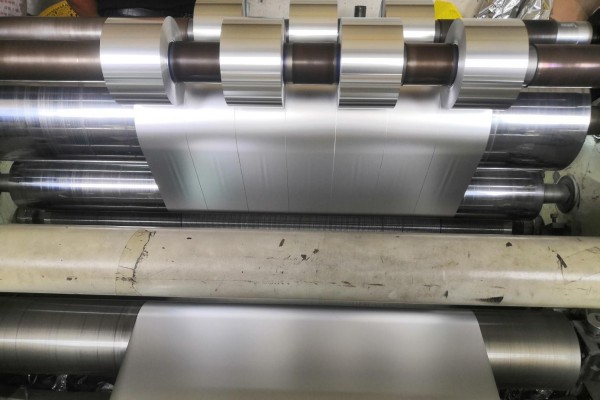
1. Tá an “Seomra Céastóireachta” Pacáistiú Retort Ardteochta
Béilí réamhdhéanta, anraithí réidh le hithe, agus tá sneaiceanna feola pacáistithe ag scuabadh ár gcuid táblaí bia. Is í an eochair dá seilfré fada agus sábháilteacht “steiriliú retort ard-teocht” próiseas. Ní mór d'ábhair phacáistithe coinníollacha crua a sheasamh i gal sáithithe ag 120 ℃ - 135 ℃ le haghaidh 30 chuig 60 nóiméad.
Is é an idéalach rosy, ach réaltacht go minic “thiteann as a chéile”:
- Teip Aeistéitiúil: Na boilgeoga sciath dromchla, casadh bán, discolors, nó fiú scamhadh amach i paistí.
- Teip Struchtúrtha: Tarlaíonn dílamadh idir na sraitheanna den ábhar pacáistithe ilchodach ilchodach, cur isteach go hiomlán ar a fheidhm bhacainn.
- Guaiseacha Sábháilteachta: Féadfaidh comhpháirteanna brataithe aistriú isteach sa bhia faoi theocht ard.
Is é bunchúis leis seo go léir ionsaí comhcheangailte teas, taise, agus brú. Conas is féidir linn scragall alúmanaim pacáistithe a roghnú nó a mhonarú atá fíor “thriail agus fíor”? Nocht tacar córasach turgnamh na freagraí.
2. Léargais Turgnamhach: Tá an “Duel seasmhachta” de Trí Scragaill Alúmanam
Roghnaigh muid trí shampla príomhshrutha scragall alúmanaim brataithe de ghrád bia ón margadh agus cuireadh orthu dul san iomaíocht i gcoinníollacha táirgeachta insamhladh.
Cuir ar an méar fhada 1: Próifílí na dTrí “Iomaitheoirí”
| Cód iomaitheoir | Foshraith Scragall (Cóimhiotal/Tiús) | Cineál Cumhdach Dromchla | Próiseas Ilchodach | Príomhthréithe |
|---|---|---|---|---|
| Iomaitheoir A (Traidisiúnta) | 8011 / 0.06 mm | Polúireatán uisce-bhunaithe (PU) | Lamination Tirim bunaithe ar thuaslagóir | Costas níos ísle, Léiríonn próisis thraidisiúnta |
| Iomaitheoir B (Ard-Deireadh) | 3003 / 0.08 mm | Polytetrafluoroethylene (PTFE) | Lamination gan tuaslagóir | Ard-fheidhmíocht, ábhar teas-resistant, próiseas chun cinn |
| Iomaitheoir C (nuálaí) | 8011 / 0.07 mm | Uisce-bhunaithe Acrylate | Lamination gan tuaslagóir | Feidhmíocht agus costas cothromaithe réitigh feabhsaithe |
Critéir Mheastóireachta: Cuireadh iad i gcoinníollacha retort ag 121 ℃ (caighdeánach) agus 135 ℃ (teocht ultra-ard) faoi “tástáil seasmhachta,” ina dhiaidh sin cigireacht ar cheithre phríomhtháscairí: cuma, neart banna, greamaitheacht sciath, agus sábháilteacht (imirce).
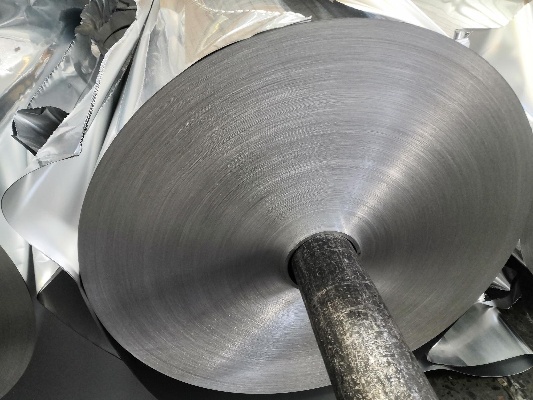
3. Tá na Torthaí Isteach: Cé a Faltered Faoin Teas?
1. Dealramh “Seiceáil suas”: Bearna Soiléir Soiléir
Is é an chuma an chéad líne chosanta cáilíochta. Tar éis retorting, bhí feidhmíocht na dtrí iomaitheoir an-difriúil:
Cuir ar an méar fhada 2: “Aghaidh” Saincheisteanna Tar éis Atáirgeadh Ardteochta
| Sampla | Coinníollacha Retort | Rátáil Dealraimh | Tuairimí Sonracha |
|---|---|---|---|
| A (Traidisiúnta) | 121℃, 30 nóiméad | Theip | Cumhdach bubbled agus beagán scafa, neamh-inúsáidte |
| B (Ard-Deireadh) | 135℃, 30 nóiméad | Maith | Gan ach beagán mídhaite, gan bubbling nó feannadh, feidhmíocht chobhsaí |
| c (nuálaí) | 121℃, 30 nóiméad | Ar fheabhas | Chomh maith le nua |
| c (nuálaí) | 135℃, 60 nóiméad | Theip | Tharla bubbling agus feannadh logánta |
Conclúid a hAon: Is é an t-ábhar sciath bunchloch an “tionscadal aghaidh.” PTFE (Iomaitheoir B), lena friotaíocht teasa ultra-ard ó dhúchas (is féidir leis níos mó ná 260 ℃ fadtéarmach a sheasamh), go héasca láimhseálann dúshláin teocht ultra-ard. Gnáthbhratuithe uisce-bhunaithe, áfach, “ní féidir leis an teas a ghlacadh” faoi dhálaí foircneacha.
2. Neart Banna “Tástáil Tarraingt”: Cé hé an “Máistir Struchtúr”?
D'úsáidamar sonraí neart craiceann chun an banna greamaitheacha idir na sraitheanna pacáistithe agus na sraitheanna pacáistithe a chainníochtú “ráta coinneála neart” chun marthanacht a mheas.
- Iomaitheoir B (Ard-Deireadh): Tar éis retorting 121 ℃, bhí coinneáil neart bannaí chomh hard le 87.9%; fiú faoin tástáil chrua 135 ℃, choinnigh sé 74.1%, ag druidim leis an marc a rith, fíor a “colún na cobhsaíochta.”
- Iomaitheoir C (nuálaí): Déantar é go sármhaith faoi choinníollacha caighdeánacha 121 ℃ (85.7% coinneáil), ach uair amháin sa timpeallacht teocht ultra-ard 135 ℃, thit a ráta coinneála go 57.1%, laghdú suntasach a dhéanamh ar iontaofacht struchtúrach.
- Iomaitheoir A (Traidisiúnta): Ag 121 ℃, bhí coinneáil neart bannaí tuairteála cheana féin go 46.9%, rud a chiallaíonn go raibh an struchtúr pacáistithe beagnach ag teip le linn retoradh.
Conclúid a Dó: Cinneann an próiseas greamaitheach agus ilchodach an “cnámharlach” neart an phacáistithe.Tá an próiseas lamination gan tuaslagóirin úsáid ag Iomaitheoirí B agus C, le 100% leigheasta, greamachán saor ó iarmhar, cruthaíonn sé ciseal dlúth agus láidir greamaitheach a sháraíonn a fhriotaíocht ar aosú teasa agus taise ná an próiseas traidisiúnta tuaslagóir (Iomaitheoir A).
3. Sábháilteacht “Scrúdú Deiridh”: An ndearna Aon Substaintí Díobhálacha “Éalú”?
Léirigh tástálacha go Iomaitheoirí B agus C, a d'úsáid an próiseas lamination gan tuaslagóir, go raibh leibhéil an-íseal d'aistriú substaintí díobhálacha san insamhalta bia tar éis cúlú, ag comhlíonadh na gcaighdeán náisiúnta go hiomlán. Iomaitheoir A, a d'úsáid an próiseas traidisiúnta tuaslagóir-bhunaithe, léirigh iarmhair tuaslagóirí rian. Athdhearbhaíonn sé seo go bhfuil an Is é próiseas gan tuaslagóir an rogha is fearr chun rioscaí imirce tuaslagóirí a dhíchur ag an bhfoinse agus sábháilteacht bia a chinntiú.
4. An Fhoirmle Bhuaiteach: Conas a Chruthú “Retort-Proof” Scragall Pacáistiú?
Gach tástáil a shintéisiú, Rangaítear na príomhfhachtóirí a mbíonn tionchar acu ar fhriotaíocht retort ardteochta mar seo a leanas:
Cuir ar an méar fhada 3: Na Ceathrar “Athraitheoirí Cluiche” le haghaidh Friotaíocht Retort
| Céim | Príomhfhachtóir | Tionchar Croí | Conas a Bhuaigh? |
|---|---|---|---|
| 1 | Ábhar Cumhdach | An chéad líne chosanta is tábhachtaí in aghaidh aosú ardteochta. | Le haghaidh cásanna teochta ultra-ard (≥135 ℃), tá bratuithe teas-resistant speisialta cosúil le PTFE riachtanach. |
| 2 | greamaitheacha & Próiseas Ilchodach | Cinneann an bhfuil an struchtúr ilchiseal fós comhtháite i te, timpeallachtaí tais. | Glacadh go hiomlán próisis lamination gan tuaslagóirpéireáilte le greamacháin speisialaithe de ghrád retort. |
| 3 | Foshraith Scragall | Soláthraíonn tacaíocht bhunúsach, ag laghdú dífhoirmiúchán teirmeach foriomlán. | Le haghaidh cásanna éilitheacha, níos tibhe, de dhíriú ar 3003 cóimhiotalis fearr. |
| 4 | Beachtas Próisis | Teipeann fiú na hábhair is fearr má phróiseáiltear go mícheart iad. | Rialú go docht aonfhoirmeacht iarratais ghreamaitheacha agus a chinntiú go leor am leigheas (molta >96 uair). |
Treoir Roghnúcháin d'Innealtóirí Pacáistithe:
- Steiriliú Caighdeánach (121℃ agus thíos): Rogha le haghaidh an “Nuálaí C Réiteach” (lamination gan tuaslagóir + sciath teas-resistant) chun an chothromaíocht is fearr a fháil idir iontaofacht agus costas.
- Steiriliú Teocht Ultra-Ard (135℃ agus os a chionn): Caithfidh tú an “Réiteach Ard-Deireadh B” (lamination gan tuaslagóir + Sciath PTFE + 3003 scragall). Is é seo an meascán teicniúil a ráthaíonn feidhmíocht teip-sábháilte.
5. D'fhéadfá a iarraidh: Treoir Thapa QA
C1: An bhfuil an próiseas lamination gan tuaslagóir i ndáiríre i bhfad níos fearr ná tuaslagóir traidisiúnta-bhunaithe?
A: Tá, le trí bhuntáiste lárnacha: 1) Níos Sábháilte: Cuireann sé deireadh go hiomlán leis an mbaol fuíoll tuaslagóra agus imirce; 2) Banna Níos Láidre: 100% den ghreamaitheach páirt san imoibriú, ag cruthú teasa níos mó- agus ciseal resistant taise-aging le coinneáil neart bannaí níos airde (mar atá cruthaithe ag sonraí turgnamhacha); 3) Níos Glaise: Gan aon astuithe VOCanna le linn táirgeadh. Léiríonn sé treo príomhshrutha agus treo na bpróiseas lamination pacáistithe bia sa todhchaí.
C2: Ní éilíonn mo tháirge ach steiriliú 121 ℃. Conas a roghnaíonn mé an rogha is cost-éifeachtaí?
A: Le haghaidh steiriliú ardteochta caighdeánach (121℃ agus thíos), ní gá duit an sciath PTFE barrleibhéil. Tabhair tosaíocht do réitigh a úsáideann an próiseas lamination gan tuaslagóirpéireáilte le bratuithe feabhsaithe teas-resistant cosúil le aicriligh uisce-bhunaithe (E.g., an “Nuálaí C Réiteach” san alt). Cinntíonn sé seo go gcomhlíonann feidhmíocht na caighdeáin go hiomlán (coinneáil neart craiceann >75%) agus costais á rialú níos fearr.
C3: Cad é an “am leigheas” luaite, agus cén fáth a bhfuil sé chomh tábhachtach?
A: Is féidir smaoineamh ar leigheas mar an greamachán “tréimhse leigheas agus riochtú domhain.” Is gá an t-ábhar lannaithe a stóráil i seomra leigheas ag teocht ar leith (E.g., 50-55℃) ar feadh dóthain ama (E.g., 72-96 uair an chloig nó níos mó) chun ligean do na móilíní greamaitheacha tras-nascadh go hiomlán agus a neart deartha deiridh a bhaint amach. Giorraíonn am curing mar thoradh ar ciseal greamaitheach a “aois roimh am” agus tá sé an-seansúil go ndéanfar dílamination le linn retortála - fadhb mhór táirgeachta.
C4: Chomh maith le sciath agus greamachán, an bhfuil an scragall alúmanaim féin tábhachtach?
A: Tá. Is é an scragall an “bunús” a iompraíonn gach rud. Le haghaidh táirgí steiriliú teocht ultra-ard nó fad-ama, tá sé molta a roghnú 3003 cóimhiotal alúmanaim, a thairgeann neart meicniúil níos fearr agus cobhsaíocht theirmeach ná mar a úsáidtear go coitianta 8011 cóimhiotal, ag soláthar tacaíochta níos cobhsaí.Ag an am céanna, moltar tiús nach lú ná 0.07mm, agus ní mór comhaireamh na bpoll bioráin a rialú go docht chun bun-airíonna bacainní a chinntiú.
C5: Conas a fhorbróidh an réimse seo sa todhchaí?
A: Tá treochtaí sa todhchaí soiléir: ardfheidhmíocht, sábháilteacht ard, inbhuanaitheacht. Go sonrach: 1) Níos neamhdhíobhálaí don chomhshaol a fhorbairt, ábhair bhrataithe in-athchúrsáilte; 2) Iniúchadh a dhéanamh ar úsáid scragall alúmanaim athchúrsáilte i bpacáistiú ard-deireadh; 3) Úsáid a bhaint as IoT agus sonraí móra le haghaidh déantúsaíochta cliste, rialú próisis níos cruinne agus cáilíocht níos cobhsaí a chumasú.
Conclúid
Trí thuiscint dhomhain a dhéanamh ar airíonna ábhair agus glacadh le próisis déantúsaíochta chun cinn, táimid go hiomlán in ann bacainní pacáistithe bia a chruthú atá “neamh-thréscaoilteach le cúlú.” Cibé an innealtóir pacáistithe tú, táirgeoir bia, nó tomhaltóir atá feasach ar shábháilteacht, tá súil againn go dtugann an t-alt seo soiléir duit “Treoir maidir le Friotaíocht Fhilleadh.”
Má tá coinníollacha sonracha táirge agus aincheisteanna roghnaithe agat, bíodh leisce ort iad a phlé agus a iniúchadh am ar bith.