
Sgàinidhean uachdar foil alùmanum agus fuasglaidhean sgrùdaidh
Aluminum foil surface defects inspection is a critical quality control process that directly determines the performance, sàbhailteachd, and market acceptance of aluminum foil used in packaging, cungaidh-leigheis, agus cleachdadh gnìomhachais. Even microscopic surface imperfections can lead to barrier failure, sealing defects, or downstream processing issues, making systematic inspection essential for modern foil manufacturers.
1. Why Surface Defects Matter in Aluminum Foil Production
Foil alùmanum is often used in applications where barrier integrity, slàinteachas, and visual appearance are strictly regulated. Surface defects not only affect appearance but may also compromise functional properties such as:
- Coileanadh bacadh ocsaidean agus taiseachd
- Heat sealing consistency
- Print adhesion and coating uniformity
- Mechanical strength during forming or folding
In pharmaceutical and food packaging, surface defects can directly result in product recalls or compliance failures.
2. Common Types of Aluminum Foil Surface Defects
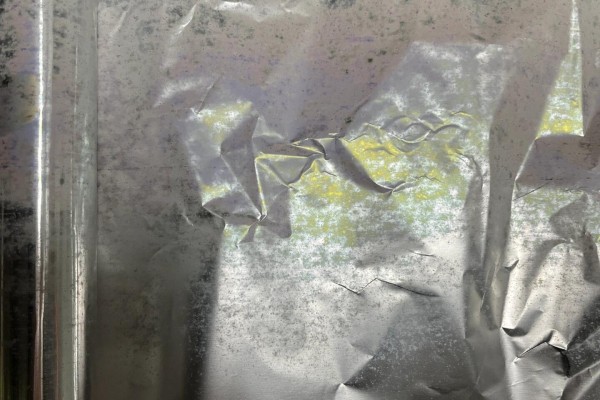
Surface defects originate from rolling, annealing, làimhseachadh, or contamination during processing. The most frequently observed defects are summarized below.
Clàr 1: Common Aluminum Foil Surface Defects and Their Causes
| Seòrsa locht | Visual Characteristics | Primary Causes | Potential Impact |
|---|---|---|---|
| Pìoba | Microscopic holes visible under light | Inclusion particles, rolling pressure imbalance | A 'call feartan bacaidh |
| Roll Marks | Parallel lines along rolling direction | Damaged rolls, crith | Poor appearance, lochdan clò-bhualaidh |
| sgrìoban | Linear surface damage | Improper handling or slitting | Reduced coating adhesion |
| Stains ola | Irregular dark patches | Excess rolling oil residue | Sealing failure, odor issues |
| Oxide Spots | Dull or white patches | Poor annealing atmosphere | Reduced corrosion resistance |
3. Inspection Solutions for Aluminum Foil Surface Defects
To ensure consistent quality, inspection solutions must combine lorg air-loidhne le offline verification.
3.1 Online Inspection Technologies
Modern foil mills rely on real-time inspection systems integrated directly into rolling or rewinding lines. These systems typically include:
- High-resolution line-scan cameras
- LED or laser-based illumination
- AI-assisted defect classification algorithms
Online systems allow immediate process adjustments, significantly reducing scrap rates.
3.2 Offline and Laboratory Inspection Methods
Offline inspection remains essential for root-cause analysis and customer audits. Tha dòighean cumanta a’ toirt a-steach:
- Optical microscopy for pinhole density analysis
- Surface roughness measurement (Ra, Rz)
- Residual oil testing
- Adhesion and coating integrity tests
4. Inspection Method Comparison
Clàr 2: Comparison of Aluminum Foil Surface Inspection Methods
| Modh sgrùdaidh | Cruinneas Dearbhaidh | Real-Time Capability | Ìre cosgais | Iarrtas àbhaisteach |
|---|---|---|---|---|
| Visual Manual Inspection | Ìosal - Meadhanach | Chan eil | Ìosal | Final sampling |
| Optical Camera System | Àrd | Tha | Meadhanach - àrd | Rolladh & rewinding lines |
| Laser Surface Scanning | Glè àrd | Tha | Àrd | High-end pharmaceutical foil |
| Laboratory Microscopy | Glè àrd | Chan eil | Meadhanach | Root-cause analysis |
5. Cùis Gnìomhachais: Eco Alum Co., Earr
Eco Alum Co., Earr is a specialized aluminum foil manufacturer supplying food-grade and pharmaceutical-grade foil to international markets. Several years ago, the company faced recurring customer complaints related to micro pinholes detected during blister packaging.
Solution Implemented by Eco Alum Co., Earr
- Installed an advanced online optical inspection system on rewinding lines
- Optimized rolling oil filtration to reduce contamination particles
- Established pinhole density thresholds for different foil thicknesses
Toraidhean air an Coileanadh
- Pinhole-related complaints reduced by over 70% within one year
- Improved acceptance rate from pharmaceutical customers
- Enhanced reputation in export markets requiring strict quality documentation
This case demonstrates how systematic inspection upgrades can directly translate into measurable commercial benefits.

6. Best Practices for Reducing Surface Defects
To minimize defect formation, manufacturers should focus on:
- Regular roll surface maintenance and polishing
- Clean rolling oil circulation systems
- Stable rolling speed and tension control
- Controlled annealing atmosphere
- Standardized inspection criteria aligned with customer requirements
Inspection should be viewed not as a cost, but as a preventive investment.
7. Ceistean Cumanta (Ceistean Cumanta)
Q1: What is the most critical surface defect in aluminum foil?
Pinhole defects are generally considered the most critical because they directly affect barrier performance.
Q2: Can surface defects be completely eliminated?
While complete elimination is unrealistic, proper process control and inspection can reduce defects to acceptable industry levels.
Q3: Is online inspection mandatory for pharmaceutical foil?
Most pharmaceutical customers strongly prefer or require online inspection data as part of quality documentation.
Q4: How often should foil inspection systems be calibrated?
Calibration is typically recommended every 3–6 months, depending on production volume and customer standards.

8. Co-dhùnadh
Effective aluminum foil surface defects inspection combines advanced technology, disciplined process control, and practical industry experience. As market requirements become more stringent, manufacturers that invest in reliable inspection solutions—like Eco Alum Co., Ltd—will maintain competitive advantages in quality, gèilleadh, and customer trust.