
Duilgheadasan agus Leasachadh Pròiseas air Brittleness còmhdach ann am Foil Alùmanum Cungaidh-leigheis
Tha foil alùmanum cungaidh-leigheis na stuth riatanach ann am pacadh dhrogaichean, air a chleachdadh gu farsaing ann am pacadh blister airson foirmean dosage cruaidh agus seulachadh shoithichean infusion air sgàth na feartan bacaidh sàr-mhath aige, coileanadh seulachaidh, agus sàbhailteachd. Bidh càileachd a ’chòmhdaich a’ toirt buaidh dhìreach air seasmhachd stòraidh, sàbhailteachd cleachdadh, agus gèilleadh pacaidh de chungaidh-leigheis. Còmhdach brittleness, aon de na h-uireasbhaidhean càileachd as cumanta ann an cinneasachadh agus cleachdadh foil alùmanum cungaidh-leigheis, chan e a-mhàin gu bheil e a’ dèanamh cron air coileanadh bacaidh, a 'leantainn gu bhith a' gabhail a-steach taiseachd, oxidation, agus truailleadh dhrogaichean, ach dh’ fhaodadh iad cuideachd cunnartan sàbhailteachd a thoirt a-steach mar thoradh air a bhith a’ sgaradh mìrean còmhdaich.

1. Duilgheadas Caractaran agus Cunnartan Còmhdach Brittleness
1.1 Foirmean Brittleness
Tha brittleness gu sònraichte a’ nochdadh mar sgàinidhean, sgaradh, no pùdaradh an còmhdach aig diofar ìrean, a dh'fhaodar a roinn ann an trì seòrsaichean:
1.1.1 Brittleness rè cinneasachadh
Bidh sgàinidhean air an uachdar a 'nochdadh dìreach an dèidh a bhith a' còmhdach agus a 'leigheas, no brisg a’ tachairt aig na h-oirean aig àm slitting no lùbach mar thoradh air teannachadh.
1.1.2 Brittleness rè Stòradh is Còmhdhail
Bidh brittleness a’ tachairt air sgàth atharrachaidhean teothachd is taiseachd no cuideam bhon taobh a-muigh, a dh’ fhaodadh a bhith an cois milleadh substrate.
1.1.3 Brittleness rè Cleachdadh
Bidh an còmhdach gu math furasta a sgaradh, pùdair, no eadhon deòir dheth ann an siotaichean nuair a bhios builleag a’ bualadh no a’ fosgladh euslaintich.
A rèir an Riaghailt Choitcheann 4055 de na Pharmacopoeia Sìneach2025 Deasachadh, tha bristeachd gu dìreach a’ ciallachadh gu bheil neart burst a’ tuiteam nas ìsle na an riatanas àbhaisteach (≥98 kPa). Bidh sampallan brisg gu tric a’ nochdadh neartan spreadhaidh gu h-ìosal 60 kPa, fhad ‘s a tha ìrean gluasaid uisge agus ogsaidean buailteach a dhol thairis air crìochan, a 'cur an aghaidh dìon dhrogaichean.
Clàr 1: Prìomh fheartan agus buaidhean a bhith a’ còmhdach brisg ann am foil alùmanum cungaidh-leigheis
| Ìre BrittlenessTha | Feartan àbhaisteachTha | Prìomh Chomharran BuaidhTha | Builean a dh’fhaodadh a bhith annTha |
|---|---|---|---|
| Pròiseas RiochdachaidhTha | Sgàinidhean uachdar an dèidh còmhdach; brittleness oir rè slitting / lùbach | Neart briste, adhesion còmhdach | Ginealach sgudail sa bhad, àrdachadh ann an cosgaisean toraidh |
| Stòradh & CòmhdhailTha | Delamination, sgàinidhean, sgaradh ionadail | Ìre tar-chuir bhalbhaichean uisge, ìre tar-chuir ocsaidean | A 'call feartan bacaidh, a 'leantainn gu bhith a' gabhail a-steach taiseachd agus oxidation |
| Pròiseas CleachdaidhTha | Pùdaradh aig àm punching, reubadh rè fosgladh | Coltas, iomlanachd còmhdach | Cunnart ro-ràdh cùisean cèin, a’ toirt buaidh air sàbhailteachd dhrogaichean agus eòlas luchd-cleachdaidh |
| Buaidhean CoitcheannTha | Còmhdach neo-iomlan, lochdan faicsinneach no microscopach | Neart briste (tric <60 kPa), coileanadh bacadh | Neo-ghèilleadh ri Pharmacopoeia Sìneachinbhean, ag adhbhrachadh chunnartan riaghlaidh |
1.2 Prìomh Chunnartan Brith
1.2.1 Cunnartan Sàbhailteachd Dhrugaichean
Faodaidh pìosan còmhdaich drogaichean a thruailleadh; faodaidh feartan bacaidh lùghdaichte leantainn gu gabhail ri taiseachd, oxidation, agus truailleadh, gu sònraichte a’ toirt buaidh air drogaichean a tha mothachail air solas agus hygroscopic. Tha sgrùdaidhean a’ sealltainn gum faod pacadh le uireasbhaidhean brice susbaint taiseachd dhrogaichean àrdachadh gu cuibheasach 2.3% às dèidh 6 mìosan de dheuchainnean luathaichte (40°C/75% RH), a’ dol thairis air inbhean pharmacopoeial.
1.2.2 Cunnartan Gèilleadh agus Càileachd
Is e fìor lochd càileachd a th’ ann am brittleness còmhdach nach eil a’ coinneachadh ri inbhean leithid an Pharmacopoeia Sìneachagus Foil Aluminium Cungaidh-leigheis(YBB00152002-2015), dh’ fhaodadh sin leantainn gu fàiligeadh ann an clàradh toraidh, Neo-ghèilleadh sgrùdaidh GMP, ath-ghairm toraidh, agus peanasan rianachd. Bho chaidh an siostam ath-bhreithneachaidh co-cheangailte a chuir an gnìomh, mu thimcheall 18% de luchd-saothrachaidh foil alùmanum air an cuir às mar thoradh air cùisean càileachd còmhdach.
1.2.3 Cunnartan Eaconamach agus Brand
Bidh àrdachadh ìrean sgrap ag àrdachadh cosgaisean toraidh; bidh cùisean càileachd a’ milleadh cliù corporra agus dàimhean teachdaiche. Fo chuideam uidheamachdan solarachaidh uaine, tha companaidhean le droch chàileachd an aghaidh iomaill sa mhargaidh.

2. Mion-sgrùdadh Adhbhar air Brittleness Coating
Tha adhbharan cugallachd a’ toirt a-steach grunn nithean, gabhail a-steach stuthan amh, pròiseasan, pretreatment, agus suidheachaidhean àrainneachdail, a tha uile eadar-cheangailte.
Clàr 2: Mion-sgrùdadh prìomh adhbhar air cho breagha sa tha còmhdach ann am foil alùmanum cungaidh-leigheis
| Roinn-seòrsa air sgàthTha | Factaran sònraichteTha | Meacanaireachd GnìomhTha | Taisbeanaidhean àbhaisteach no paramadairean bochdaTha |
|---|---|---|---|
| Co-fhreagarrachd stuthan amh neo-iomchaidhTha | 1. Easbhaidhean càileachd substrate | Còmhdach neo-chòmhnard, dùmhlachd cuideam; adhesion truagh | Purity ìosal, fulangas tighead >±2m, truailleadh uachdar |
| 2. Taghadh resin neo-iomchaidh | Sùbailteachd còmhdach truagh, brittleness àrd | Teòthachd gluasaid glainne àrd (>50° C.), cuairteachadh farsaing cuideam moileciuil | |
| 3. Cleachdadh cur-ris neo-iomchaidh | Meudachadh air cuideam a-staigh, co-chòrdalachd truagh | Co-mheas plasticizer neo-iomchaidh, fuigheall fuasglaidh àrd | |
| Pròiseasan Riochdachaidh Neo-reusantaTha | 1. Còmhdach claonaidhean paramadair | Tighead còmhdach neo-chòmhnard, gineadh cuideam a-staigh | Astar anabarrach, claonadh tiugh >±3% |
| 2. Droch smachd air pròiseas leigheas | Dùmhlachd crosslinking neo-iomchaidh, ro bhrùideil no neart gu leòr | Teòthachd/ùine ceàrr, foillseachadh UV neo-chòmhnard | |
| 3. Slitting agus lùbach neo-iomchaidh | Strus oirean no cuideam leantainneach tensile | Cus teannachadh, luaths slitting cus | |
| Ro-làimhseachadh substrate gu leòrTha | Droch glainead agus garbh | Adhesion còmhdach lag, buailteach do mhilleadh | Sguabadh sìmplidh a-mhàin, lùth uachdar <35 mN/m |
| Factaran ÀrainneachdailTha | Atharrachadh mòr ann an teòthachd/taiseachd no droch ghlainead | Strus teirmeach, leigheas bochd, ro-ràdh neo-thruaillidh | Teòthachd <15° C., taiseachd >80%, truailleadh duslach |
2.1 Co-fhreagarrachd stuthan amh neo-iomchaidh
2.1.1 Duilgheadasan substrate foil alùmanum
Fo-stratan (m.e., 8011, 8021 Alcoys) le purrachd ìosal, neo-chunbhalachd àrd, rèidh bhochd, no cus fulangas tiugh (>±2 m) faodaidh seo leantainn gu còmhdach neo-chòmhnard agus cuideam cuideam. Bidh stains ola uachdar no sreathan ocsaid ro thiugh cuideachd a 'lùghdachadh gèilleadh còmhdach.
2.1.2 Taghadh resin còmhdach neo-iomchaidh
Reasainnean cumanta (m.e., acrylic, polurethane, EVA) le sùbailteachd truagh, teòthachd gluasaid glainne ro àrd (m.e., >50° C.), no faodaidh cuairteachadh cuideam mòr moileciuil leantainn gu ìre àrd brisg às deidh leigheas. Bidh caochlaidhean clàr-amais sruthadh leaghaidh de resins ròin teas nas àirde na ± 15% cuideachd ag àrdachadh cunnart brisg.
2.1.3 Cleachdadh Additive Neo-iomchaidh
Meudan neo-iomchaidh de plasticizers, droch cho-chòrdalachd eadar stuthan cur-ris agus resins, agus faodaidh fuigheall fuasglaidh àrd buaidh a thoirt air co-leanailteachd còmhdach agus sùbailteachd, a’ leantainn gu sgàineadh.
2.2 Paramadairean pròiseas cinneasachaidh mì-reusanta
2.2.1 Còmhdach paramadair claonaidhean
Smachd neo-iomchaidh air astar còmhdach, tiughad, no faodaidh cuideam lann dotair leantainn gu tiugh còmhdach neo-chòmhnard (dealachadh >±3%). Tha còmhdach cus tiugh buailteach do chuideam a-staigh mar thoradh air crìonadh neo-chunbhalach, fhad ‘s nach bi còmhdach ro tana a’ cruthachadh còmhdach dìon iomlan.
2.2.2 Droch smachd pròiseas leigheas
Faodaidh teòthachd ro àrd no amannan fada ann an leigheas èadhair teth a dhol thairis air a’ chòmhdach, ga dhèanamh brònach; tha teòthachd no ùine gu leòr a’ leantainn gu leigheas neo-choileanta agus neart ìosal. Faodaidh dian UV neo ùine nochdaidh leigheas neo-chòmhnard no cus teasachadh ionadail adhbhrachadh.
2.2.3 Slitting agus lùbach neo-iomchaidh
Faodaidh cus astar slitting no teannachadh adhbhrachadh sgàineadh oir; bidh cus teannachadh lùbach a’ cur an còmhdach fo chuideam tensile leantainneach, ga dhèanamh buailteach do bhrainneachd aig àm stòraidh.
2.3 Ro-làimhseachadh substrate gu leòr
Tha droch ghlainead uachdar agus garbh a’ toirt buaidh mhòr air adhesion còmhdach. Bidh glanadh uachdar gun lughdachadh ceimigeach no oxidation electrochemical a’ fàgail fuigheall ola is duslach, lagachadh adhesion còmhdach. Garbhachd uachdar gu leòr (lùth uachdar <35 mN/m) cuideachd a 'cur bacadh air a bhith a' fliuchadh agus a 'sgaoileadh a' chòmhdaich gu leòr.
2.4 Factaran Àrainneachdail
Teòthachd toraidh nas ìsle na 15 ° C no taiseachd gu h-àrd 80% faodaidh e buaidh a thoirt air ìre còmhdach agus èifeachdas leigheas. Bidh caochlaidhean fìor theodhachd is taiseachd aig àm stòraidh is còmhdhail a’ cruthachadh cuideam teirmeach mar thoradh air co-èifeachdan neo-chothromach de leudachadh teirmeach eadar am foil agus an còmhdach.. Faodaidh buaidhean corporra no teannachadh adhbhrachadh gu dìreach. Tha droch shlàinte àrainneachd cinneasachaidh a’ leigeil le mìrean duslach puingean cuideam cuideam a chruthachadh, a’ luathachadh brisg.
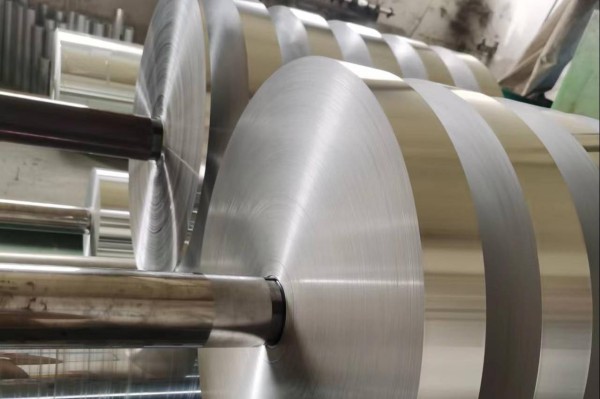
3. Ceumannan Leasachaidh Pròiseas airson Còmhdach Brittleness
Clàr 3: Prìomh paramadairean smachd airson leasachadh pròiseas foil alùmanum cungaidh-leigheis
| Raon LeasachaidhTha | Paramadair smachdTha | Paramadair / Coitcheann air a mholadhTha | Amas smachdTha |
|---|---|---|---|
| Stuthan RawTha | Fulangas tiugh substrate | Taobh a-staigh ±2μm | Dèan cinnteach gu bheil an còmhdach co-ionnanachd |
| teannachadh uachdar substrate | ≥31 mN/m | Dèan cinnteach gu bheil taiseachd math ann | |
| Teòthachd gluasaid glainne resin (Tg) | 20-40° C. | Cothromaich sùbailteachd agus neart | |
| Atharrachadh clàr-amais sruthadh leaghadh de roisinn ròin teas | ≤±10% | Dèanamh cinnteach à seasmhachd phròiseas | |
| Pròiseas còmhdachTha | Luas còmhdach | 10-15 m/mi | Dèan cinnteach gu bheil an còmhdach co-ionnanachd |
| Co-ionnanachd tiugh còmhdach | Deviation ≤±3% | Seachain cuideam cuideam a-staigh | |
| Cuideam còmhdach | 2-5 g/m² | ||
| Pròiseas leigheasTha | Teòthachd / ùine leigheas èadhair teth | 80-100° C. / 3-5 min | Dèan cinnteach gu bheil crois-cheangail iomlan, seachainn brittleness |
| Dian leigheas UV / ùine | 80-120 mJ/cm² / 1-2 s | ||
| Pretreatment substrateTha | A 'crìonadh ceimigeach (teòthachd/ùine) | 50-60° C. / 1-2 min | Thoir air falbh ola gu tur |
| Ocsaideanachadh electrochemical (bholtaids/ùine) | 10-15 V / 30-60 s | Leasaich lùth uachdar agus garbh | |
| Teannachadh uachdar às deidh làimhseachadh | ≥35 mN/m | Dèan cinnteach gu bheil adhesion còmhdach àrd | |
| Àrainneachd & StòradhTha | Àrainneachd cinneasachaidh teòthachd / taiseachd | 20-25° C. / 50-60% RH | Dèanamh cinnteach à seasmhachd phròiseas |
| Àrainneachd stòraidh teòthachd / taiseachd | 15-25° C. / ≤60% RH | Cuir casg air a bhith a’ fàs nas sine agus gabhail ri taiseachd |
3.1 A’ dèanamh an fheum as fheàrr de thaghadh is smachd stuthan amh
3.1.1 Taghadh substrate teann
Cleachd àrd-purity, neo-ghlanachd ìseal 8011/8021 alloys le fulangas tighead fo smachd taobh a-staigh ± 2 μm agus teannachadh uachdar ≥31 mN / m. Airson bathar le iarrtas àrd, faodar fo-stratan le tiugh ≥0.030 mm a thaghadh, le ìrean pinhole gu h-ìosal 0.1 gach meatair ceàrnagach.
3.1.2 A’ dèanamh an fheum as fheàrr de roisinn agus taghadh cur-ris
Tagh resins le teòthachd gluasaid glainne meadhanach (20-40 ° C) agus cuairteachadh cuideam moileciuil èideadh. Thathas a’ moladh resins stèidhichte air uisge no UV-leigheas an àite seòrsaichean stèidhichte air solvent. Bu chòir atharrachadh clàr-amais sruthadh leaghaidh de resins ròin teas a bhith ≤ ± 10%. Dèan an fheum as fheàrr de fhoirmlean cur-ris, leithid cleachdadh plasticizers gus sùbailteachd a leasachadh agus silane coupling àidseantan gus àrdachadh adhesion, dèanamh cinnteach à co-chòrdalachd cur-ris.
3.1.3 A’ stèidheachadh dhòighean sgrùdaidh stuthan amh
Neartaich sgrùdadh a tha a 'tighinn a-steach, cumail sùil air sùbailteachd resin, sgaoileadh cuideam moileciuil, glainead substrate, garbhachd, etc., gus casg a chuir air stuthan gun teisteanas bho bhith a’ dol a-steach gu cinneasachadh.
3.2 A’ dèanamh an fheum as fheàrr de pharaimearan pròiseas cinneasachaidh
3.2.1 Smachd pròiseas còmhdach mionaideach
Smachd air astar còmhdach aig 10-15 m / min, cuideam lann dotair aig 0.1-0.3 MPa, agus cuideam còmhdach aig 2-5 g / m², dèanamh cinnteach à claonadh èideadh tighead ≤±3%. Cumail suas uidheamachd gu cunbhalach gus dèanamh cinnteach à èideadh còmhdach.
3.2.2 A’ dèanamh an fheum as fheàrr de pharaimearan pròiseas ciùraidh
Bu chòir smachd a chumail air leigheas èadhair teth aig 80-100 ° C airson 3-5 mionaidean le luaths adhair èideadh de 1-2 m / s; Bu chòir dian leigheas UV a bhith 80-120 mJ / cm² airson 1-2 diogan. Cumail sùil air agus atharraich paramadairean ann an àm fìor.
3.2.3 Ag adhartachadh pròiseasan slitting agus lùbach
Bu chòir an astar gluasaid a bhith 5-10 m / min, teannachadh lùbach fo smachd aig 50–100 N a’ cleachdadh lùbach teannachaidh seasmhach. Leig le corailean leòn a bhith a 'gabhail fois airson 24-48 uair a thìde gus cuideam a-staigh a leigeil ma sgaoil. Bu chòir smachd a chumail air caochlaidhean teòthachd seulachaidh teas taobh a-staigh ± 1 ° C.
3.3 Neartachadh Pròiseasan Pretreatment Substrate
Cuir an gnìomh ro-làimhseachadh làn-phròiseas de “degreasing ceimigeach - sruthadh uisge - oxidation electrochemical - sruthadh uisge - tiormachadh.” A 'crìonadh (50-60 ° C, 1-2 mionaid) toirt air falbh ola; oxidation electrochemical (10—15 v, 30-60 diog) a 'leasachadh garbh uachdar agus gnìomhachd; Cleachd uisge deionized airson sruthadh; tiormachadh (80-90 ° C, 2-3 mionaidean) a’ dèanamh cinnteach à tiormachd uachdar. Bu chòir teannachadh uachdar substrate iar-làimhseachaidh a bhith ≥35 mN/m.
3.4 Ag àrdachadh smachd na h-àrainneachd
3.4.1 A 'cumail smachd air an àrainneachd riochdachaidh
Cùm teòthachd na bùth-obrach aig 20-25 ° C, Taiseachd coimeasach aig 50% -60%, agus glainead aig ìrean Ìre D gus truailleadh duslach a lughdachadh.
3.4.2 A’ dèanamh an fheum as fheàrr de chumhaichean stòraidh is còmhdhail
Cùm bathar crìochnaichte ann an àite fionnar (15-25 ° C), tioram (Taiseachd ≤60%), agus taigh-bathair fionnaraichte, a’ seachnadh solas dìreach agus cus cruachadh. Cleachd pacadh clisgeadh agus taiseachd-dhìonach rè còmhdhail, a’ seachnadh fìor atharrachaidhean teothachd/taiseachd agus buaidhean meacanaigeach.
3.5 Siostaman sgrùdaidh càileachd a leasachadh
3.5.1 Stèidheachadh Innealan Sgrùdaidh Làn-phròiseas
Dèan sgrùdadh air-loidhne air tiugh còmhdach agus èideadh; dèan deuchainn air toraidhean crìochnaichte airson sùbailteachd, adhesion, neart briste (≥98 kPa), ìre tar-chuir bhalbhaichean uisge (≤0.5 g/(m²·24 h)), etc.
3.5.2 A’ cleachdadh uidheamachd deuchainn proifeasanta
Uidheamachadh le luchd-dearbhaidh burst a tha a’ gèilleadh ri pharmacopoeia (m.e., NPD-01B), cleachdadh cromatagrafaidheachd gas headspace airson deuchainn fuigheall fuasglaidh, agus a' cleachdadh microscopes gus sùil a chumail air microstructure còmhdach.
3.5.3 A’ stèidheachadh shiostaman dearbhaidh càileachd lorg agus seasmhachd
Cruthaich clàran càileachd batch airson làn lorg. Dèan deuchainnean seasmhachd cunbhalach gus coileanadh còmhdach a mheasadh fo dhiofar shuidheachaidhean àrainneachd.

4. Dearbhadh Èifeachdas Leasachaidh agus Claonadh Gnìomhachais
4.1 Eisimpleir de Èifeachdas Leasachaidh
Às deidh na leasachaidhean gu h-àrd a chuir an gnìomh, fhuair companaidh a 30% meudachadh ann an sùbailteachd còmhdach, a 25% leasachadh ann an adhesion, claonadh còmhdach tiugh èideadh ≤ ± 2%, ìre crìochnachaidh leigheas >99%, agus ìre teisteanais pretreatment substrate de 100%. Chaidh ìre an sgudail sìos mar thoradh air brisg 8.5% gu h-ìosal 0.3%, agus ìre teisteanais toraidh air a ruighinn 99.7%, le neartan burst a’ coinneachadh ri riatanasan pharmacopoeial. Le bhith ag atharrachadh gu còmhdach stèidhichte air uisge, Chaidh sgaoilidhean VOC a lughdachadh le còrr 80%, gu soirbheachail a’ dol a-steach don t-sèine solair de phrìomh chompanaidhean cungaidh-leigheis.
Clàr 4: Coimeas eadar Prìomh Chomharran Ro agus Às dèidh Leasachadh Pròiseas ann an Companaidh
| Prìomh Chomharra CoileanaidhTha | Inbhe Ro LeasachadhTha | Inbhe an dèidh LeasachadhTha | Inbhe Leasachaidh/GèillidhTha |
|---|---|---|---|
| Sùbailteachd còmhdachTha | Ìosal, buailteach do sgàineadh | Leasaichte gu mòr | Air a leasachadh le timcheall air 30% |
| Adhesion còmhdachTha | Gu leòr, buailteach do mhilleadh | Ceangal làidir | Air a leasachadh le timcheall air 25% |
| Coating Sgòthan èideadhTha | Sgaradh >±5% | Deviation ≤±2% | Targaid air a choileanadh |
| Ìre Crìochnachaidh CuringTha | ~95% | >99% | Càileachd air a dhèanamh seasmhach gu mòr |
| Ìre pas pretreatment substrateTha | Neo-sheasmhach | 100% | Càileachd stòr air a riaghladh |
| Ìre Brittleness ScrapTha | 8.5% | <0.3% | Chaidh call càileachd sìos gu mòr |
| Ìre teisteanais toraidh iomlanTha | ~91% | 99.7% | A ’coinneachadh ri riatanasan luchd-ceannach àrd |
| Neart burstTha | Gu ìre gu h-ìosal 98 kPa | Uile ≥98 kPa | 100% gèilleadh ris Pharmacopoeia Sìneach |
| Buannachd Àrainneachdail (VOCs)Tha | A 'cleachdadh còmhdach stèidhichte air solvent | A 'cleachdadh còmhdach stèidhichte air uisge | Sgaoilidhean air an lughdachadh le >80% |
4.2 Claonaidhean Leasachaidh Gnìomhachais
4.2.1 Glasadh teicneòlasan còmhdach
Stèidhichte air uisge, UV-leigheasach, agus bidh còmhdach dealanach le lionn-leigheas le VOCn ìosal no neoni a’ dol an àite toraidhean stèidhichte air fuasglaidh mean air mhean.
4.2.2 Leasachadh gnìomh a dh’ionnsaigh mionaideachd agus fiosrachadh
Tha còmhdach a’ tighinn air adhart gu bhith an-aghaidh mealltaireachd tuigseach, comas lorg aon-nì-aon-chòd, dìon solais fiùghantach, agus mothachadh snasail gus coinneachadh ri feumalachdan dìon dhrogaichean fìor ghnìomhach.
4.2.3 Riaghailtean gnìomhachais a dhoimhneachadh
Tha an Pharmacopoeia Sìneachinbhean a’ leantainn air adhart, le deuchainnean a’ leudachadh gu microstructure, comharrachadh ceimigeach, agus biocompatibility, pròiseas dràibhidh agus ùrachadh smachd càileachd ann an iomairtean.
5. Co-dhùnadh
Tha còmhdach brèige ann am foil alùmanum cungaidh-leigheis na locht càileachd air adhbhrachadh le grunn fhactaran, gabhail a-steach stuthan amh, pròiseasan, pretreatment, agus suidheachaidhean àrainneachdail, a’ bagairt sàbhailteachd dhrogaichean, gèilleadh corporra, agus ùidhean eaconamach. Le bhith a’ dèanamh an fheum as fheàrr de stuthan amh gu riaghailteach, smachd mionaideach air paramadairean pròiseas, a 'neartachadh pretreatment substrate, smachd teann air suidheachaidhean àrainneachd, agus a’ leasachadh siostaman sgrùdaidh càileachd, faodar cuir às gu h-èifeachdach an cunnart bho bhranndachd, ag àrdachadh earbsachd toraidh.
Anns an àm ri teachd, bu chòir do chompanaidhean gluasadan gnìomhachais a leantainn a dh’ ionnsaigh uaineachadh, cruinneas, agus comas-gnìomh, àrdachadh R&D tasgadh, leantainneach a’ toirt air adhart leasachaidhean pròiseas, cumail gu teann ri pharmacopoeia agus inbhean co-cheangailte, agus leasaich siostaman riaghlaidh càileachd gus dèanamh cinnteach à sàbhailteachd dhrogaichean le toraidhean àrd-inbhe agus àrdachadh ìre gnìomhachais iomlan.