
શું ફૂડ-ગ્રેડ કોટેડ એલ્યુમિનિયમ ફોઇલને ખરેખર ગરમી અને ઉકાળો પ્રતિરોધક બનાવે છે?
જ્યારે તમે ટેન્ડરનો આનંદ માણો છો, ખાવા માટે તૈયાર બ્રેઇઝ્ડ ડુક્કરનું માંસ અથવા એક સ્વાદિષ્ટ પ્રિ-મેડ બુદ્ધા જમ્પ્સ ઓવર ધ વોલ, શું તમે ક્યારેય વિચાર્યું છે કે પેકેજિંગ પાઉચ લાંબા સમય સુધી ટકી રહેવા પછી કેવી રીતે મજબૂત અને સંપૂર્ણ રીતે સીલ કરેલું રહે છે? “sauna” ઉચ્ચ-તાપમાનની વરાળમાં કલાકો માટે 120℃ ઉપર?
આજે, અમે મુખ્ય સામગ્રીમાં ઊંડા ઉતરીશું જે ખોરાકની જાળવણી અને સલામતીને સુનિશ્ચિત કરે છે-ફૂડ-ગ્રેડ કોટેડ એલ્યુમિનિયમ ફોઇલ. તે કેવી રીતે ટકી શકે છે તે અમે શોધી કાઢીશું “પીછેહઠ” ઉચ્ચ તાપમાનમાં પરીક્ષણ, ઉચ્ચ દબાણનો જવાબ આપો અને તેને વધુ મજબૂત કેવી રીતે બનાવવું તે શોધો.
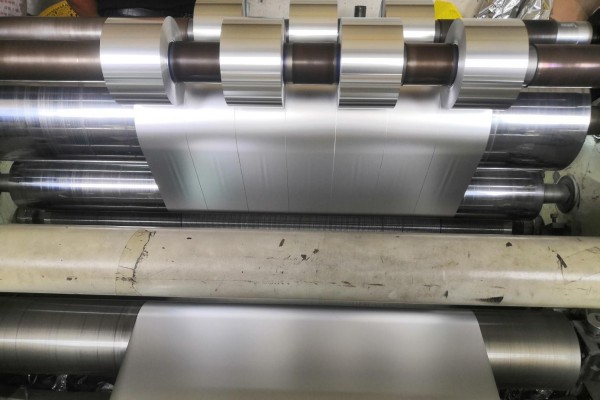
1. આ “ટોર્ચર ચેમ્બર” ઉચ્ચ-તાપમાન રીટોર્ટ પેકેજીંગ
અગાઉથી બનાવેલું ભોજન, ખાવા માટે તૈયાર સૂપ, અને પેકેજ્ડ માંસ નાસ્તા અમારા ડાઇનિંગ ટેબલને સાફ કરી રહ્યા છે. તેમની લાંબી શેલ્ફ લાઇફ અને સલામતીની ચાવી આમાં રહેલી છે “ઉચ્ચ-તાપમાન રીટોર્ટ વંધ્યીકરણ” પ્રક્રિયા. પેકેજિંગ સામગ્રીએ સંતૃપ્ત વરાળમાં 120℃–135℃ પર કઠોર પરિસ્થિતિઓ સહન કરવી જોઈએ 30 થી 60 મિનિટ.
આદર્શ ગુલાબી છે, પરંતુ ઘણીવાર વાસ્તવિકતા “અલગ પડે છે”:
- સૌંદર્યલક્ષી નિષ્ફળતા: સપાટી કોટિંગ પરપોટા, સફેદ થઈ જાય છે, રંગ, અથવા તો પેચમાં છાલ પણ નાખે છે.
- માળખાકીય નિષ્ફળતા: ડિલેમિનેશન બહુ-સ્તરવાળી સંયુક્ત પેકેજિંગ સામગ્રીના સ્તરો વચ્ચે થાય છે, સંપૂર્ણપણે તેના અવરોધ કાર્ય સાથે સમાધાન કરે છે.
- સલામતી જોખમો: કોટિંગ ઘટકો ઊંચા તાપમાને ખોરાકમાં સ્થળાંતર કરી શકે છે.
આ બધાનું મૂળ કારણ સંયુક્ત હુમલો છે ગરમી, ભેજ, અને દબાણ. અમે પેકેજિંગ એલ્યુમિનિયમ ફોઇલને કેવી રીતે પસંદ કરી શકીએ અથવા ઉત્પાદન કરી શકીએ જે ખરેખર છે “પ્રયત્ન કર્યો અને સાચું”? પ્રયોગોના વ્યવસ્થિત સમૂહે જવાબો જાહેર કર્યા છે.
2. પ્રાયોગિક આંતરદૃષ્ટિ: આ “સહનશક્તિ દ્વંદ્વયુદ્ધ” ત્રણ એલ્યુમિનિયમ ફોઇલ્સ
અમે બજારમાંથી ત્રણ મુખ્ય પ્રવાહના ફૂડ-ગ્રેડ કોટેડ એલ્યુમિનિયમ ફોઇલ નમૂનાઓ પસંદ કર્યા છે અને તેમને સિમ્યુલેટેડ ઉત્પાદન પરિસ્થિતિઓમાં સ્પર્ધા કરવા જણાવ્યું છે..
ટેબલ 1: ત્રણની પ્રોફાઇલ્સ “દાવેદાર”
| સ્પર્ધક કોડ | ફોઇલ સબસ્ટ્રેટ (એલોય/જાડાઈ) | સપાટી કોટિંગ પ્રકાર | સંયુક્ત પ્રક્રિયા | મુખ્ય લાક્ષણિકતાઓ |
|---|---|---|---|---|
| દાવેદાર એ (પરંપરાવાદી)ના | 8011 / 0.06 મીમી | પાણી આધારિત પોલીયુરેથીન (પુ) | સોલવન્ટ આધારિત ડ્રાય લેમિનેશન | ઓછી કિંમત, પરંપરાગત પ્રક્રિયાઓનું પ્રતિનિધિત્વ કરે છે |
| દાવેદાર બી (હાઇ-એન્ડ)ના | 3003 / 0.08 મીમી | પોલિટેટ્રાફ્લોરોઇથિલિન (પીટીએફઇ) | દ્રાવ્ય લેમિનેશન | ઉચ્ચ પ્રદર્શન, ગરમી પ્રતિરોધક સામગ્રી, અદ્યતન પ્રક્રિયા |
| દાવેદાર સી (ઈનોવેટર)ના | 8011 / 0.07 મીમી | પાણી આધારિત એક્રેલેટ | દ્રાવ્ય લેમિનેશન | સુધારેલ ઉકેલ સંતુલન પ્રદર્શન અને ખર્ચ |
મૂલ્યાંકન માપદંડ: તેઓને 121℃ પર જવાબી સ્થિતિમાં મૂકવામાં આવ્યા હતા (ધોરણ) અને 135℃ (અતિ ઉચ્ચ તાપમાન) માટે “સહનશક્તિ પરીક્ષણ,” ચાર મુખ્ય સૂચકાંકોના નિરીક્ષણ દ્વારા અનુસરવામાં આવે છે: દેખાવ, બોન્ડ તાકાત, કોટિંગ સંલગ્નતા, અને સલામતી (સ્થળાંતર).
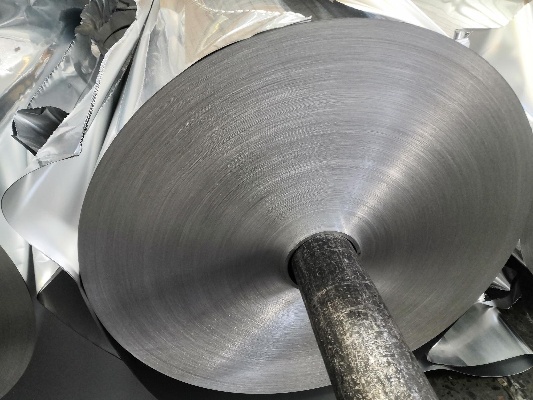
3. પરિણામોમાં છે: કોણ ગરમી હેઠળ ક્ષીણ થઈ ગયું?
1. દેખાવ “ચેક-અપ”: દેખીતી રીતે સ્પષ્ટ ગેપ
દેખાવ એ ગુણવત્તા માટે સંરક્ષણની પ્રથમ લાઇન છે. જવાબ આપ્યા પછી, ત્રણેય દાવેદારોનું પ્રદર્શન તદ્દન અલગ હતું:
ટેબલ 2: “ચહેરો” ઉચ્ચ-તાપમાન રીટોર્ટિંગ પછીની સમસ્યાઓ
| નમૂના | રીટોર્ટ શરતો | દેખાવ રેટિંગ | ચોક્કસ અવલોકનો |
|---|---|---|---|
| એ (પરંપરાવાદી)ના | 121℃, 30 મિનિટ | નિષ્ફળના | કોટિંગ પરપોટા અને સહેજ છાલવાળી, બિનઉપયોગી |
| બીક (હાઇ-એન્ડ)ના | 135℃, 30 મિનિટ | સારુંના | માત્ર સહેજ વિકૃતિકરણ, કોઈ પરપોટા કે છાલ નથી, સ્થિર કામગીરી |
| કણ (ઈનોવેટર)ના | 121℃, 30 મિનિટ | ઉત્તમના | નવા જેટલું સારું |
| કણ (ઈનોવેટર)ના | 135℃, 60 મિનિટ | નિષ્ફળના | પરપોટા અને સ્થાનિક છાલ આવી |
નિષ્કર્ષ એક: કોટિંગ સામગ્રી એ પાયાનો પથ્થર છે “ફેસ પ્રોજેક્ટ.” પીટીએફઇ (દાવેદાર બી), તેના સ્વાભાવિક રીતે અતિ-ઉચ્ચ ગરમી પ્રતિકાર સાથે (260 ℃ થી વધુ લાંબા ગાળા માટે ટકી શકે છે), અતિ-ઉચ્ચ તાપમાનના પડકારોને સરળતાથી હેન્ડલ કરે છે. સામાન્ય પાણી આધારિત કોટિંગ્સ, જો કે, “ગરમી લઈ શકતા નથી” આત્યંતિક પરિસ્થિતિઓ હેઠળ.
2. બોન્ડ સ્ટ્રેન્થ “પુલ ટેસ્ટ”: કોણ છે “માસ્ટર ઓફ સ્ટ્રક્ચર”?
અમે પેકેજિંગ સ્તરો અને “તાકાત રીટેન્શન દર” ટકાઉપણુંનું મૂલ્યાંકન કરવા માટે.
- દાવેદાર બી (હાઇ-એન્ડ): 121℃ રિટૉર્ટિંગ પછી, બોન્ડ તાકાત રીટેન્શન જેટલું ઊંચું હતું 87.9%; કઠોર 135℃ પરીક્ષણ હેઠળ પણ, તે જાળવી રાખ્યું 74.1%, પાસિંગ માર્કની નજીક, ખરેખર એ “સ્થિરતાનો આધારસ્તંભ.”
- દાવેદાર સી (ઈનોવેટર): પ્રમાણભૂત 121℃ શરતો હેઠળ ઉત્તમ પ્રદર્શન કર્યું (85.7% રીટેન્શન), પરંતુ એકવાર 135℃ અતિ-ઉચ્ચ તાપમાનના વાતાવરણમાં, તેના રીટેન્શન રેટમાં ઘટાડો થયો 57.1%, માળખાકીય વિશ્વસનીયતામાં નોંધપાત્ર ઘટાડો.
- દાવેદાર એ (પરંપરાવાદી): 121℃ પર, બોન્ડ સ્ટ્રેન્થ રીટેન્શન પહેલાથી જ ક્રેશ થઈ ગયું હતું 46.9%, મતલબ કે રિટોર્ટિંગ દરમિયાન પેકેજિંગ માળખું લગભગ નિષ્ફળ રહ્યું હતું.
નિષ્કર્ષ બે: એડહેસિવ અને સંયુક્ત પ્રક્રિયા નક્કી કરે છે “હાડપિંજર” પેકેજીંગની મજબૂતાઈ.ધ દ્રાવ્ય લેમિનેશન પ્રક્રિયાદાવેદાર બી અને સી દ્વારા ઉપયોગમાં લેવાય છે, સાથે 100% સાજો, અવશેષ-મુક્ત એડહેસિવ, એક ગાઢ અને મજબૂત એડહેસિવ સ્તર બનાવે છે જેનો ગરમી અને ભેજ વૃદ્ધત્વનો પ્રતિકાર પરંપરાગત દ્રાવક-આધારિત પ્રક્રિયા કરતા ઘણો વધારે છે. (દાવેદાર એ).
3. સલામતી “અંતિમ પરીક્ષા”: કોઈપણ હાનિકારક પદાર્થો કર્યું “એસ્કેપ”?
પરીક્ષણો દર્શાવે છે કે દાવેદાર બી અને સી, જે સોલવન્ટલેસ લેમિનેશન પ્રક્રિયાનો ઉપયોગ કરે છે, રિટૉર્ટિંગ પછી ફૂડ સિમ્યુલન્ટમાં હાનિકારક પદાર્થોનું સ્થળાંતર અત્યંત નીચું હતું, રાષ્ટ્રીય ધોરણોનું સંપૂર્ણ પાલન. દાવેદાર એ, જે પરંપરાગત દ્રાવક આધારિત પ્રક્રિયાનો ઉપયોગ કરે છે, ટ્રેસ દ્રાવક અવશેષો દર્શાવે છે. આ પુષ્ટિ કરે છે કે ધ દ્રાવક વિનાની પ્રક્રિયા એ સ્ત્રોત પર દ્રાવક સ્થળાંતર જોખમોને દૂર કરવા અને ખાદ્ય સુરક્ષા સુનિશ્ચિત કરવા માટે શ્રેષ્ઠ વિકલ્પ છે..
4. વિજેતા ફોર્મ્યુલા: કેવી રીતે બનાવવું “રીટૉર્ટ-પ્રૂફ” પેકેજિંગ ફોઇલ?
તમામ પરીક્ષણોનું સંશ્લેષણ, ઉચ્ચ-તાપમાન પ્રત્યાઘાત પ્રતિકારને અસર કરતા મુખ્ય પરિબળો નીચે પ્રમાણે ક્રમાંકિત છે:
ટેબલ 3: ચાર “રમત ચેન્જર્સ” રીટોર્ટ પ્રતિકાર માટે
| રેન્ક | મુખ્ય પરિબળ | મુખ્ય અસર | કેવી રીતે જીતવું? |
|---|---|---|---|
| 1ના | કોટિંગ સામગ્રીના | ઉચ્ચ-તાપમાન વૃદ્ધત્વ સામે સંરક્ષણની પ્રથમ અને સૌથી નિર્ણાયક રેખા. | અતિ-ઉચ્ચ તાપમાનના દૃશ્યો માટે (≥135℃), પીટીએફઇ જેવા વિશિષ્ટ ગરમી-પ્રતિરોધક કોટિંગ્સ આવશ્યક છે. |
| 2ના | એડહેસિવ & સંયુક્ત પ્રક્રિયાના | મલ્ટિ-લેયર સ્ટ્રક્ચર ગરમમાં સંકલિત રહે છે કે કેમ તે નક્કી કરે છે, ભેજવાળા વાતાવરણ. | સંપૂર્ણપણે અપનાવો દ્રાવ્ય લેમિનેશન પ્રક્રિયાઓસાથે જોડી બનાવી છે રીટોર્ટ-ગ્રેડ વિશિષ્ટ એડહેસિવ્સ. |
| 3ના | ફોઇલ સબસ્ટ્રેટના | પાયાના આધાર પૂરા પાડે છે, એકંદર થર્મલ વિકૃતિ ઘટાડવું. | માગણી દૃશ્યો માટે, જાડું, મજબૂત 3003 એલોયપસંદ કરવામાં આવે છે. |
| 4ના | પ્રક્રિયા ચોકસાઇના | જો ખોટી રીતે પ્રક્રિયા કરવામાં આવે તો શ્રેષ્ઠ સામગ્રી પણ નિષ્ફળ જાય છે. | એડહેસિવ એપ્લિકેશનની એકરૂપતાને સખત રીતે નિયંત્રિત કરો અને પૂરતી ખાતરી કરો ઉપચાર સમય (ભલામણ કરેલ >96 કલાક). |
પેકેજિંગ એન્જિનિયરો માટે પસંદગી માર્ગદર્શિકા:
- માનક વંધ્યીકરણ (121℃ અને નીચે): માટે પસંદ કરો “ઇનોવેટર સી સોલ્યુશન” (દ્રાવ્ય લેમિનેશન + ગરમી પ્રતિરોધક કોટિંગ) વિશ્વસનીયતા અને ખર્ચ વચ્ચે શ્રેષ્ઠ સંતુલન માટે.
- અલ્ટ્રા-ઉચ્ચ તાપમાન વંધ્યીકરણ (135℃ અને ઉપર): તમારે પસંદ કરવું આવશ્યક છે “હાઇ-એન્ડ બી સોલ્યુશન” (દ્રાવ્ય લેમિનેશન + પીટીએફઇ કોટિંગ + 3003 વરખ). આ તકનીકી સંયોજન છે જે નિષ્ફળ-સલામત કામગીરીની ખાતરી આપે છે.
5. યુ માઈટ આસ્ક: એક ઝડપી QA માર્ગદર્શિકા
Q1: શું દ્રાવક વિનાની લેમિનેશન પ્રક્રિયા ખરેખર પરંપરાગત દ્રાવક-આધારિત કરતાં ઘણી સારી છે?
એ: હા, ત્રણ મુખ્ય ફાયદાઓ સાથે: 1) સુરક્ષિત: દ્રાવક અવશેષો અને સ્થળાંતરનું જોખમ સંપૂર્ણપણે દૂર કરે છે; 2) મજબૂત બોન્ડ: 100% એડહેસિવ પ્રતિક્રિયામાં ભાગ લે છે, વધુ ગરમી બનાવે છે- અને ઉચ્ચ બોન્ડ તાકાત રીટેન્શન સાથે ભેજ-વૃદ્ધત્વ પ્રતિરોધક સ્તર (પ્રાયોગિક ડેટા દ્વારા સાબિત થયા મુજબ); 3) હરિયાળી: ઉત્પાદન દરમિયાન કોઈ VOCs ઉત્સર્જન થતું નથી. તે ફૂડ પેકેજિંગ લેમિનેશન પ્રક્રિયાઓની મુખ્ય પ્રવાહ અને ભાવિ દિશાનું પ્રતિનિધિત્વ કરે છે.
ક્યૂ 2: મારા ઉત્પાદનને માત્ર 121℃ વંધ્યીકરણની જરૂર છે. હું સૌથી વધુ ખર્ચ-અસરકારક વિકલ્પ કેવી રીતે પસંદ કરી શકું?
એ: પ્રમાણભૂત ઉચ્ચ-તાપમાન વંધ્યીકરણ માટે (121℃ અને નીચે), તમારે ટોપ-ટાયર પીટીએફઇ કોટિંગની જરૂર નથી. નો ઉપયોગ કરતા ઉકેલોને પ્રાધાન્ય આપો દ્રાવ્ય લેમિનેશન પ્રક્રિયાસાથે જોડી બનાવી છે ગરમી-પ્રતિરોધક સુધારેલ કોટિંગ્સ જેમ કે પાણી આધારિત એક્રેલેટ્સના (દા.ત., તે “ઇનોવેટર સી સોલ્યુશન” લેખમાં). આ ખાતરી કરે છે કે કામગીરી સંપૂર્ણપણે ધોરણોને પૂર્ણ કરે છે (છાલની શક્તિ રીટેન્શન >75%) જ્યારે ખર્ચને વધુ સારી રીતે નિયંત્રિત કરો.
ક્યૂ 3: શું છે “ઉપચાર સમય” ઉલ્લેખ કર્યો છે, અને તે શા માટે એટલું મહત્વનું છે?
એ: ઉપચારને એડહેસિવ તરીકે વિચારી શકાય છે “ઊંડા ઉપચાર અને કન્ડીશનીંગ સમયગાળો.” લેમિનેટેડ સામગ્રીને ચોક્કસ તાપમાને ક્યોરિંગ રૂમમાં સંગ્રહિત કરવાની જરૂર છે (દા.ત., 50-55℃) પૂરતા સમય માટે (દા.ત., 72-96 કલાક અથવા વધુ) એડહેસિવ પરમાણુઓને સંપૂર્ણપણે ક્રોસ-લિંક કરવા અને તેમની અંતિમ ડિઝાઇન શક્તિ સુધી પહોંચવા માટે પરવાનગી આપવા માટે. ક્યોરિંગ સમય ટૂંકાવી એ એડહેસિવ સ્તર તરફ દોરી જાય છે જે “અકાળે વય” અને રિટૉર્ટિંગ દરમિયાન ડિલેમિનેશન માટે અત્યંત જોખમી છે - એક મુખ્ય ઉત્પાદન મુશ્કેલી.
ક્યૂ 4: કોટિંગ અને એડહેસિવ ઉપરાંત, શું એલ્યુમિનિયમ વરખ પોતે જ મહત્વનું છે?
એ: હા. વરખ છે “પાયો” જે બધું વહન કરે છે. અતિ-ઉચ્ચ તાપમાન અથવા લાંબા ગાળાના વંધ્યીકરણ ઉત્પાદનો માટે, પસંદ કરવાની ભલામણ કરવામાં આવે છે 3003 એલ્યુમિનિયમ એલોય, જે સામાન્ય રીતે ઉપયોગમાં લેવાતા કરતાં વધુ સારી યાંત્રિક શક્તિ અને થર્મલ સ્થિરતા પ્રદાન કરે છે 8011 એલોય, વધુ સ્થિર આધાર પૂરો પાડે છે. તે જ સમયે, 0.07mm કરતાં ઓછી ન હોય તેવી જાડાઈની ભલામણ કરવામાં આવે છે, અને મૂળભૂત અવરોધ ગુણધર્મો સુનિશ્ચિત કરવા માટે પિનહોલની સંખ્યા સખત રીતે નિયંત્રિત હોવી જોઈએ.
ક્યુ 5: ભવિષ્યમાં આ ક્ષેત્રનો વિકાસ કેવી રીતે થશે?
એ: ભાવિ વલણો સ્પષ્ટ છે: ઉચ્ચ પ્રદર્શન, ઉચ્ચ સલામતી, ટકાઉપણું. ખાસ કરીને: 1) વધુ પર્યાવરણને અનુકૂળ વિકાસ, રિસાયકલ કરી શકાય તેવી કોટિંગ સામગ્રી; 2) હાઇ-એન્ડ પેકેજિંગમાં રિસાયકલ એલ્યુમિનિયમ ફોઇલના ઉપયોગની શોધખોળ; 3) સ્માર્ટ મેન્યુફેક્ચરિંગ માટે IoT અને મોટા ડેટાનો ઉપયોગ, વધુ ચોક્કસ પ્રક્રિયા નિયંત્રણ અને વધુ સ્થિર ગુણવત્તાને સક્ષમ કરે છે.
નિષ્કર્ષ
સામગ્રીના ગુણધર્મોને ઊંડાણપૂર્વક સમજીને અને અદ્યતન ઉત્પાદન પ્રક્રિયાઓને અપનાવીને, અમે ફૂડ પેકેજિંગ અવરોધો બનાવવા માટે સંપૂર્ણપણે સક્ષમ છીએ “જવાબ આપવા માટે અભેદ્ય.” પછી ભલે તમે પેકેજિંગ એન્જિનિયર છો, ખોરાક ઉત્પાદક, અથવા સલામતી-સભાન ગ્રાહક, અમે આશા રાખીએ છીએ કે આ લેખ તમને સ્પષ્ટતા પ્રદાન કરશે “રીટોર્ટ રેઝિસ્ટન્સ માટેની માર્ગદર્શિકા.”
જો તમારી પાસે ચોક્કસ ઉત્પાદન શરતો અને પસંદગીની દુવિધાઓ છે, કોઈપણ સમયે તેમની ચર્ચા કરવા અને અન્વેષણ કરવા માટે નિઃસંકોચ.