
ફાર્માસ્યુટિકલ બ્લીસ્ટર પેક માટે એલ્યુમિનિયમ ફોઇલ - ગહન ઉત્પાદન ધોરણો & વ્યવહારુ માર્ગદર્શન
ની અખંડિતતા ફાર્માસ્યુટિકલ ફોલ્લો વરખ ઉત્પાદન સલામતી પર આધાર રાખે છે: it’s not just “aluminum” — it’s a multilayer engineered barrier whose metallurgy, સપાટી રસાયણશાસ્ત્ર, and conversion processes must be validated end-to-end to protect APIs across shelf life, પરિવહન, and patient use.
Below I expand on metallurgy and process control, defect modes and root-cause approaches, measurement methods (with acceptance criteria), detailed supplier qualification checklists, and an extended Eco Alum Co., Ltd case study showing concrete corrective actions and data.
1. Metallurgical & Mechanical Foundations

એલ્યુમિનિયમ for blister lidding is selected for a balance of ductility, surface formability, અને અવરોધ વિશ્વસનીયતા. Critical material attributes:
- Alloy chemistry: Residual elements (ફે, અને, કુ, Mn) influence formability and pinhole susceptibility. Typical food/pharma lidding alloys (દા.ત., 8011/8021 families) are chosen for low impurity clusters and predictable work-hardening.
- Grain structure & recrystallization: Uniform, fine grains reduce local thinning during punching. Cold reduction schedules and controlled annealing produce homogeneous microstructures.
- Thickness and temper control: Typical lidding foils range 20–50 μm; cold-forming (deep-draw) foils use thicker gauges (≥ 45 μm). Tight thickness tolerance (±0.5–2 μm depending on spec) prevents localized stress concentration.
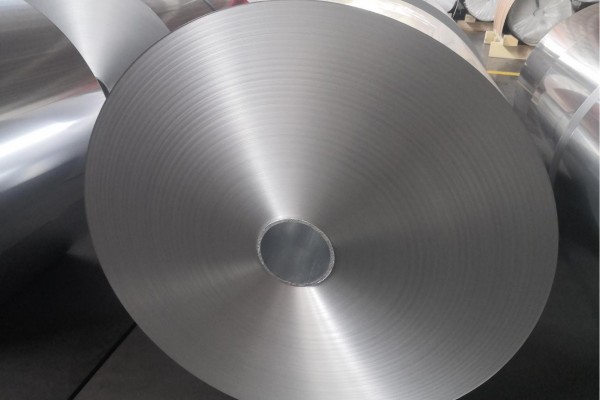
Practical manufacturing levers: cast slab cleanliness → homogenous hot-rolling → staged cold reductions with intermediate anneals → final continuous anneal (controlled atmosphere) → precision slitting in GMP clean rooms.
2. પ્રક્રિયા પરિમાણો & Typical Ranges
| પ્રક્રિયા પગલું | લાક્ષણિક શ્રેણી / લક્ષ્ય | Why it matters |
|---|---|---|
| Cold reduction per pass | 10-35% (staged) | Avoids edge cracking; controls work hardening |
| Total cold reduction (from hot band) | 60-85% (varies by alloy) | Achieves target thickness & mechanicals |
| Continuous anneal temp | 300–420 °C (alloy-dependent) | Recrystallizes grains, adjusts tensile/elongation |
| સપાટીની ખરબચડી (રા) | 0.10–0.35 μm (lidding) | Affects adhesion of primers/heat-seal and visual defects |
| Lacquer coat weight | 0.5–3 g/m² primer; 1–5 g/m² heat-seal | Controls seal strength & migration barrier |
નોંધ: Exact values must be validated by the alloy supplier and adapted to the customer’s blister-forming equipment.
3. Defect Modes, તપાસ & Corrective Actions
Common defect types, how to detect them, and typical corrective actions:
| Defect | તપાસ પદ્ધતિ | મૂળ કારણો | Corrective Actions |
|---|---|---|---|
| પિનહોલ | CCD optical, vacuum leak, bubble/pressure test | Inclusions, entrapped oil, edge scratches | Improve casting filtration; upgrade degrease; polish/brush rolls; increase CCD sensitivity |
| તેલના સ્થળો | વિઝ્યુઅલ નિરીક્ષણ, FTIR on wipe | Excess rolling oil, poor degreasing | Tighten oil pump control; solvent degrease; add final clean-room brushing |
| Non-uniform lacquer | Coating weight mapping | Coater nozzle worn, temperature drift | Recalibrate coater; install inline thickness gauge; SOP for coater maintenance |
| Adhesion failure | Tape test, peel test | Contaminated surface, wrong primer | સપાટી સારવાર (plasma/ corona), change primer chemistry, add surface roughness control |
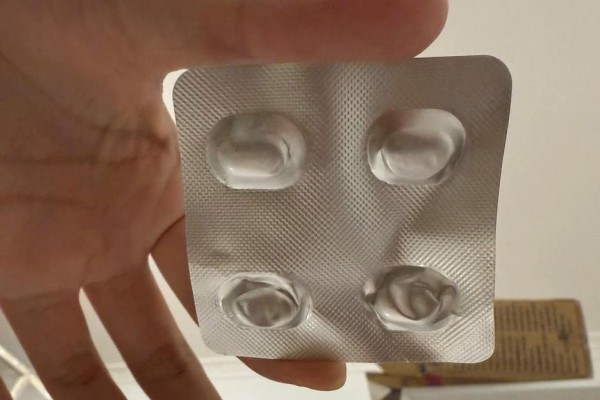
4. Measurement Methods & સ્વીકૃતિ માપદંડ
| ટેસ્ટ | Instrument / પદ્ધતિ | Typical Acceptance for Pharma Lidding |
|---|---|---|
| Pinhole count | CCD optical 0.5–1 μm resolution | 0–1 holes/m² for lidding; 0 for cold-forming |
| ડામર (Water vapor) | Mocon / Gravimetric accelerated | As low as instrument detection; for cold-form foil aim ≤0.01 g/m²/day |
| ઓટ્ર (ઓક્સિજન) | Gas transmission measurement | Approaches 0 for cold-form foil; report detection limit |
| હીટ-સીલ તાકાત | 90° peel at process temp | ≥ 6 નિદ્રા / 15 મીમી (customer-specific) |
| Migration / Extractables | Simulant tests per pharmacopeia | Non-detectable / within validated limits |
| Surface contamination | TOC swab; FTIR | ≤ specified mg/m²; no detectable harmful organics |
5. Supplier Qualification & Audit Checklist
- પ્રમાણપત્રો: ISO 15378 (પ્રાધાન્ય), GMP for primary packaging, ISO 9001.
- Process documentation: Flow diagrams, FMEA, Change Control logs.
- Clean-room: વર્ગ / particle counts, gowning SOPs, slitting room humidity control.
- Analytical capability: On-site pinhole CCD, WVTR/OTR lab or accredited partner, migration lab.
- નિશાની: Coil-to-lot identifiers, full COA per lot, retention samples.
- Stability support: Accelerated aging study data for similar drug types.
- Recall readiness: Mock recall drill results and corrective action timelines.
એ pharmaceutical manufacturer should require on-site audits and a pilot-run qualification protocol (IQ/OQ/PQ for any new foil-lot) before authorizing full production.
6. Test Methods Matrix
| ટેસ્ટ કેટેગરી | Run at Supplier? | Run at Customer? | આવર્તન |
|---|---|---|---|
| Pinhole CCD | હા (100% check) | હા (incoming audit sample) | Every lot |
| WVTR/OTR | Supplier for typical spec; 3rd-party for validation | Customer confirmation (first 3 lots) | Lot / Validation |
| Migration | Accredited external lab | Customer confirmation (initial) | Change / annual |
| Heat-seal peel | Supplier QC | Customer process validation | Lot / machine change |

7. વિસ્તૃત ઇકો એલમ કો., લિ Case Study — deeper metrics & actions
Context: A regional pharmaceutical packer saw elevated water uptake in blister packs of an enzyme product (highly hygroscopic).
Diagnostics performed:
- Baseline CCD inspection: supplier’s visual pass, but independent CCD found 2.5 holes/m² in suspect coil.
- WVTR test (Mocon): suspect coil WVTR = 0.12 g/m²/day vs target ≤ 0.02 g/m²/દિવસ.
- જે + EDS on pinhole edges: detected iron-rich inclusions.
Eco Alum corrective program:
- Rejected a production run; quarantined 12 coils (શોધી શકાય તેવું).
- Adjusted melt filtration and altered casting flux parameters — reduced inclusion rate by 87%.
- અમલી 100% in-line CCD with data logging; new spec: ≤0.5 holes/m².
- Introduced a two-stage degrease (solvent + aqueous) and added final vacuum oven drying pre-lacquer.
- Ran accelerated stability of blistered product: potency loss reduced from 24% → 3% તરફ 6 months under 30°C/65% RH.
Outcome metrics: after corrective program, customer shelf-failure rate dropped from 7% થી <0.2% માં 12 મહિના; Eco Alum achieved ISO 15378 સુધારેલ ઓડિટ સ્કોર સાથે પ્રમાણપત્ર નવીકરણ.
8. જીવનચક્ર વ્યવસ્થાપન & નિયંત્રણ બદલો
દ્વારા યોગ્યતા ટ્રિગર થવી જોઈએ:
- એલોય સ્ત્રોત ફેરફાર / નવા સ્લેબ સપ્લાયર
- મુખ્ય એનીલ ફર્નેસ ફેરફાર અથવા રેલાઇન
- નવી રોગાન રસાયણશાસ્ત્ર અથવા કોટર રિપ્લેસમેન્ટ
- સ્લિટિંગ વ્યાસ અથવા સ્લિટિંગ સાધનોમાં ફેરફાર
- કોઈપણ પેકેજિંગ સામગ્રી અથવા ડેસીકન્ટ ફેરફાર
દરેક ફેરફાર માટે: પ્રતિનિધિ લોટ પર IQ/OQ/PQ ચલાવો; તુલનાત્મક WVTR/પીનહોલ/હીટ-સીલ કરો અને QA ને ડેટા સબમિટ કરો અને ફેરફારની સૂચનાના ભાગરૂપે નિયમનકારી.
9. Practical Troubleshooting Flow
- If customer sees blister leaks → inspect lot COA and incoming QC data.
- If COA clear → pull retention sample, do CCD and WVTR immediately.
- If pinhole found → quarantine lot, check upstream coil handling, check slit-edge pass.
- For lacquer delamination → run peel tests and verify surface contamination by FTIR.
- Document RCA, corrective action, and communicate CAPA to customer with timeline.
10. FAQs — technical expansion
પ્ર: How often should a manufacturer run WVTR on incoming foil?
એ: At minimum for first three lots of a new supplier or after any material/process change; thereafter frequency chosen by risk assessment — for critical products, verify every lot.
પ્ર: છે 100% CCD inspection enough?
એ: CCD is vital but must be complemented by WVTR sampling and process controls; CCD cannot measure molecular-level permeation.
પ્ર: What’s the best design for cold-forming blister foil?
એ: Multi-layer laminate with thicker Al core (≥45 μm), compatible polymer layers to absorb mechanical strain, and validated forming process windows.
નિષ્કર્ષ & ભલામણો
- સારવાર ફાર્માસ્યુટિકલ ફોલ્લો વરખ as an engineered material system — define material, પ્રક્રિયા, and measurement controls together.
- Build a supplier qualification plan containing on-site audits, pilot lots, અને સંયુક્ત OQ/PQ ચાલે છે.
- તપાસમાં રોકાણ કરો (CCD, ડામર) અને મજબૂત પરિવર્તન નિયંત્રણ; કાસ્ટિંગ/એનિલિંગ/કોટિંગમાં નાના ફેરફારો પણ શેલ્ફ લાઇફને ભૌતિક રીતે અસર કરી શકે છે.
- ઇકો એલમ જેવા કેસ સ્ટડીનો ઉપયોગ કરો (ઉપર) ઉદ્દેશ્ય KPIs બનાવવા માટે (પિનહોલ ≤0.5/m², જટિલ દવાઓ માટે WVTR ≤0.02 g/m²/દિવસ, હીટ-સીલ ≥6 N/15 mm) અને તેમને કરારમાં સામેલ કરો.