
מָבוֹא: The Core Material for Lightweight Engineering
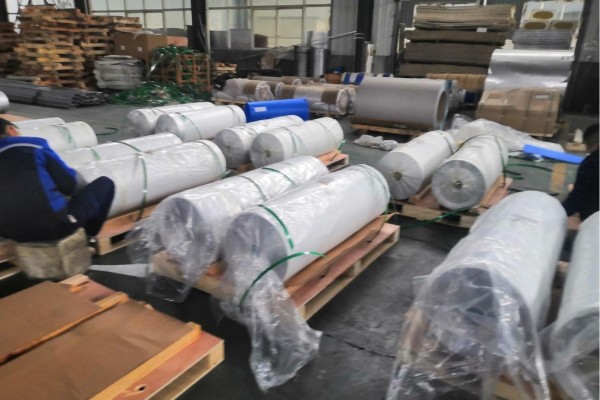
Honeycomb aluminum foil is the specialized base material used to manufacture aluminum honeycomb cores. As a typical lightweight sandwich structure core, the honeycomb achieves an exceptionally high specific stiffness and specific strength through its unique hexagonal geometry. It is widely used in fields with stringent requirements for weight, קְשִׁיחוּת, and fatigue performance, such as aerospace vehicles, high-speed rail transportation, ship superstructures, and high-end building curtain wall systems.
This guide aims to systematically explain, from the perspectives of materials science and manufacturing engineering, THE metallurgical properties of alloys, surface treatment technologies, precision rolling processes, key performance indicators, and their relationship with the final mechanical behavior of the honeycomb core. It serves as a professional technical reference based on industry practices and standards for engineers, procurement specialists, and manufacturers.
1. Honeycomb Aluminum Foil: הגדרה ותפקוד ליבה
Honeycomb aluminum foil specifically refers to aluminum strip that has been precisely cold-rolled to ultra-thin gauges (typically 0.03-0.08mm) and coated with a specialized conversion coating (לְמָשָׁל., chromate). Its core function is to form the walls of the regularly arranged hexagonal honeycomb cells through subsequent manufacturing steps: periodic adhesive printing, הַעֲרָמָה, הִתרַפְּאוּת, and expansion.
לוּחַ 1: Basic Technical Definition of Honeycomb Aluminum Foil
| פָּרִיט | Technical Description & דרישות |
|---|---|
| Material Form | Ultra-thin strip metal foil |
| פונקציית ליבה | Forms the load-bearing walls of the honeycomb cells, converting planar loads into axial stress in the cell walls. |
| Critical Surface Treatment | Chromate conversion coating (or environmentally friendly chromium-free alternatives) to enhance corrosion resistance and adhesive bond durability. |
| טווח עובי | 0.03 מ"מ - 0.08 מ"מ (מְשׁוּתָף), thinner gauges (לְמָשָׁל., 0.02מ"מ) for ultra-light cores. |
| Primary Alloy Series | 3סדרת xxx (לְמָשָׁל., 3003), 1סדרת xxx (לְמָשָׁל., 1100), 5סדרת xxx (לְמָשָׁל., 5052). |
| מֶזֶג | H18 or H19 (Full hard), to ensure sufficient compressive buckling stiffness of the cell walls. |
| Quality Control Focus | סובלנות לעובי, ניקיון פני השטח, אחידות ציפוי, consistency of mechanical properties. |
2. Structural Mechanics Principle of Honeycomb Cores and the Role of Foil
The mechanical properties of aluminum honeycomb cores stem from their geometric topology. When subjected to compression or shear loads perpendicular to the face sheets, the honeycomb cell walls primarily undergo axial compression or bending. Their equivalent mechanical properties (לְמָשָׁל., equivalent elastic modulus, shear modulus) have defined functional relationships with the intrinsic properties of the foil material (ה, σs) and the geometric parameters of the honeycomb (עובי נייר כסף ט, cell size ל).
לוּחַ 2: Mechanical Explanation of Honeycomb Structure Advantages
| יתרון ביצועים | משמעות הנדסית & מַנגָנוֹן |
|---|---|
| Exceptionally High Specific Stiffness/Strength | Significantly increases the moment of inertia of the cross-section through a hollow structure, achieving excellent bending stiffness with minimal material. |
| Excellent Compression/Shear Performance | The progressive buckling deformation of cell walls effectively absorbs impact energy, often used in crash energy management zones. |
| Good Thermal/Acoustic Insulation | The sealed honeycomb cells create numerous static air chambers, effectively blocking heat flow and sound wave transmission. |
| Outstanding In-Plane Stability | Provides continuous support for the upper and lower face sheets, preventing local buckling under compression. |
Key Role of Foil: The foil thickness (ט) directly determines the cross-sectional area of the cell walls and is the primary factor affecting the core’s compressive strength and shear stiffness. The material’s yield strength (σs) determines the core’s load-bearing limit.
3. Chromate Treatment: Necessity, מַנגָנוֹן, and Process Control
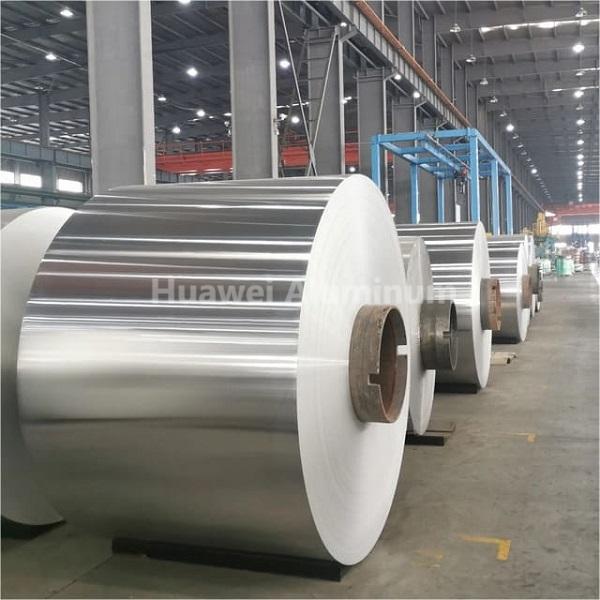
Untreated aluminum foil surfaces have a natural oxide film that provides weak and unstable adhesion to polymer adhesives. Chromate conversion treatment chemically forms a complex amorphous passive film containing trivalent and hexavalent chromium on the aluminum surface.
Core Value of the Treatment:
- Enhances Adhesive Bond Durability: The conversion coating provides an active surface rich in -OH groups, forming strong chemical bonds and physical interlocking with adhesives like epoxy or phenolic resins.
- Improves Substrate Corrosion Resistance: The film acts as a barrier, effectively delaying electrochemical corrosion of the aluminum substrate in harsh environments (לַחוּת, תרסיס מלח), preventing adhesive failure due to substrate corrosion.
- Ensures Process Window: A stable surface condition guarantees consistency in adhesive printing and lamination processes, which is essential for obtaining uniform adhesive lines and high node strength.
לוּחַ 3: השוואת ביצועים: Chromate vs. Chromium-Free Conversion Coatings
| מחוון ביצועים | Traditional Chromate Coating | Chromium-Free Conversion Coating (לְמָשָׁל., Zr/Ti based) |
|---|---|---|
| עמידות בפני קורוזיה | מְעוּלֶה (contains self-healing Cr6+) | טוב עד מצוין (relies on coating density) |
| Adhesive Bond Performance | מְעוּלֶה, long-term proven | טוב עד מצוין, highly formulation-dependent |
| השפעה סביבתית | יָרוּד (contains carcinogenic Cr6+, strictly restricted by RoHS/REACH) | מְעוּלֶה, contains no hazardous heavy metals |
| עֲלוּת | נמוך יחסית | Typically Higher |
| אזורי יישום ראשוניים | תעופה וחלל, צְבָאִי, and other high-performance exempted fields. | Rail transportation, אַדְרִיכָלוּת, general industrial, and other commercial fields. |
4. Engineering Selection of Alloys: A Metallurgical Perspective
Alloy selection is a balance of performance, עֲלוּת, and manufacturability. Common alloys for honeycomb foil and their metallurgical characteristics are as follows:
לוּחַ 4: Engineering Characteristics Analysis of Common Honeycomb Aluminum Foil Alloys
| ייעוד סגסוגת | יסודות סגסוגת עיקריים | מזג אופייני | מאפיינים מרכזיים & מַנגָנוֹן | תרחישי יישומים ראשיים |
|---|---|---|---|---|
| 3003 | אל-מן (Mn~1.2%) | H18/H19 | Best Overall Performance. Solid solution strengthening by Mn improves strength while maintaining good formability; MnAl6 phase refines grains, מספק עמידות בפני קורוזיה מעולה. | Primary structural cores for aerospace, high-end industrial panels. |
| 1100 | אל (≥99.0%) | H18/H19 | טוהר הכי גבוה, עמידות בפני קורוזיה מעולה. Lower strength but high ductility, suitable for ultra-thin rolling. | Interior trim, acoustic/thermal insulation cores with lower strength requirements. |
| 5052 | אל-מ"ג (Mg~2.5%) | H18/H19 | Outstanding strength and fatigue performance. Significant solid solution strengthening by Mg, high work hardening rate. Excellent resistance to marine atmosphere corrosion. | Structural applications under dynamic loads: סיפוני ספינה, high-speed train floors. |
| 3004 | Al-Mn-Mg | H18/H19 | Strength between 3003 ו 5052. Added Mg further increases strength while maintaining good brazeability. | Special vehicles, composite structures requiring subsequent welding. |
ייעוץ לבחירה: 3003 סַגסוֹגֶתהוא ה absolute mainstream material for aerospace-grade honeycomb cores due to its outstanding balance of strength, יכולת צורה, עמידות בפני קורוזיה, ועלות. 5052 is suitable for applications demanding extreme weight reduction and dynamic strength. 1100 is used in highly corrosive but low-load environments.
5. Manufacturing Process of Honeycomb Aluminum Foil: From Casting to Precision Rolling
High-quality honeycomb aluminum foil relies on precise control throughout the entire production chain.
Core Process Chain:
- הַתָכָה & יְצִיקָה: Using high-purity aluminum ingots, precisely controlling alloy composition and impurity content (Fe, ו, וכו') to ensure metallurgical uniformity.
- הומוגניזציה: Eliminates segregation in the ingot, ensuring uniform dispersion of secondary phase particles.
- רולינג חם & גלגול קר:
- After hot rolling breakdown, the material undergoes multiple cold rolling passes.
- נקודות בקרה מרכזיות: Precise control of rolling force, מֶתַח, סִיכָה, and cooling is critical for achieving ultra-thin gauges (לְמָשָׁל., 0.03מ"מ) וסובלנות עובי הדוקה (לְמָשָׁל., ±0.002 מ"מ).
- Intermediate annealing is used to relieve work hardening and restore ductility.
- ניקוי פני השטח & טיפול מקדים: Alkaline and acid cleaning to remove rolling oils and the natural oxide layer, obtaining a clean, activated surface.
- טיפול המרה כימית: Using dip or roller coating methods, strictly controlling bath concentration, pH, טֶמפֶּרָטוּרָה, and treatment time to form a uniform coating meeting standard weight requirements (לְמָשָׁל., >30mg/m² as Cr).
- חיתוך מדויק & בְּדִיקָה: Utilizing burr-free slitting technology to ensure edge quality. 100% online thickness monitoring, combined with sampling for mechanical property (כוח מתיחה, חוזק תשואה, הַאֲרָכָה) and coating quality testing.

6. From Foil to Honeycomb Core: Detailed Manufacturing Process
לוּחַ 5: Honeycomb Core Forming Process Steps and Technical Points
| שלב תהליך | צִיוּד & תיאור תהליך | נקודות טכניות & בקרת איכות |
|---|---|---|
| 1. Precision Adhesive Printing | Using gravure printing or nozzle dispensing equipment to apply parallel, equidistant adhesive lines onto the foil. | Precision of line width, height, and spacing (±0.1 מ"מ) directly determines node strength and honeycomb regularity. Adhesives are typically modified epoxy or phenolic resins. |
| 2. הַעֲרָמָה & הִתרַפְּאוּת | Precisely aligning and stacking multiple adhesive-coated foil layers, then curing in a hot press under specific temperature (לְמָשָׁל., 120-180מעלות צלזיוס) ולחץ. | Pressure must be uniform to ensure full adhesive penetration and formation of complete nodes. Cure cycle affects adhesive cross-linking and final properties. |
| 3. הַרחָבָה | Stretching the cured “foil block” perpendicular to the adhesive lines to form the hexagonal honeycomb. | Expansion rate and fixture design must be optimized to prevent cell wall tearing or excessive plastic deformation. Expanded honeycomb requires stabilization. |
| 4. Cutting to Size | Using band saws or CNC cutting equipment to trim the honeycomb core to required thickness and shape. | Cut surface perpendicularity and quality affect bonding area and strength with face sheets. |
| 5. Post-Processing (אופציונלי) | Resin impregnation (לְמָשָׁל., polyimide) to reinforce nodes or impart special functions (עיכוב בעירה). | Resin concentration, impregnation amount, and curing process require strict control. |
7. Key Performance Indicators and Testing Standards
Procurement and technical agreements should clearly define the following key indicators and their test methods.
לוּחַ 6: Key Performance Indicators and Related Standards for Honeycomb Aluminum Foil
| קטגוריית ביצועים | אינדיקטור ספציפי | דרישה אופיינית (לְמָשָׁל., 3003 H18) | Common Test Standards |
|---|---|---|---|
| Geometric Dimensions | עוֹבִי & סוֹבלָנוּת | 0.05mm ± 0.003mm | GB/T 22638.1, ASTM B479 |
| רוֹחַב & סוֹבלָנוּת | +0 / -1 מ"מ | ||
| מאפיינים מכניים | חוזק מתיחה (רמ) | ≥ 180 MPa | GB/T 228.1, ASTM E8 |
| חוזק תשואה (Rp0.2) | ≥ 170 MPa | ||
| הַאֲרָכָה (A50 מ"מ) | ≥ 2% | ||
| טיפול פני השטח | משקל ציפוי | Chromate: 30-100 מ"ג/מ"ר (as Cr) | GB/T 9791, ASTM B449 |
| עמידות בפני קורוזיה | ספריי מלח ניטרלי (NSS) ≥ 168h, no base metal corrosion. | GB/T 10125, ASTM B117 | |
| Process Performance | Adhesive Bond Strength (לְקַלֵף) | ≥ 4 N/mm (with specified adhesive) | GB/T 2790, ASTM D903 |
| מתח הרטבת פני השטח | ≥ 72 mN/m (ensures good adhesive spread) | GB/T 14216, ASTM D2578 |
8. In-Depth Application Analysis
תעופה וחלל
- יישומים: ריצוף מטוסים, cabin partitions, fairings, wing trailing edges, helicopter rotor blade cores, satellite structures.
- דרישות חומר: Highest grade. Typically uses 3003 אוֹ 5052 סַגסוֹגֶת, chromate-treated, conforming to specifications like MIL-DTL-81706 or AMS 4344, with full material traceability.
תחבורה ברכבת
- יישומים: High-speed train nose cones, גגות, floors, לוחות קיר פנימיים, equipment bay covers.
- דרישות חומר: High fatigue strength, עיכוב בעירה, low smoke and toxicity (לְמָשָׁל., IN 45545). 5052 ו 3003 alloys are common, with a trend towards chromium-free coatings.
High-End Building Curtain Walls
- יישומים: Curved facades, metal roofs, interior decorative panels for large public buildings (שדות תעופה, תיאטראות).
- דרישות חומר: Excellent flatness, התנגדות למזג האוויר, הדבקת ציפוי (often requires pretreatment for fluorocarbon painting). 1100 ו 3003 alloys are primary, with focus on cost and appearance quality.
יַמִי & Offshore Engineering
- יישומים: Yacht superstructures, מחיצות ספינה, מגורים לפלטפורמה מהחוף.
- דרישות חומר: Exceptional resistance to marine atmosphere and salt spray corrosion. 5052 alloy is preferred, with very high surface treatment requirements.
9. Core Quality Control System of a Manufacturer
A top-tier honeycomb aluminum foil supplier should establish a comprehensive quality control system:
- בדיקה נכנסת: Spectroscopic and chemical analysis of aluminum ingots and chemical raw materials.
- בקרת תהליכים סטטיסטית (SPC): Monitoring key parameters like rolling thickness, משקל ציפוי.
- בדיקת מעבדה: Equipped with tensile testers, metallographic microscopes, salt spray chambers, adhesive testers, וכו', for performance verification.
- יכולת מעקב: Ability to trace each finished foil coil back to its corresponding melt heat, rolling batch, and process parameters.
- הסמכות: Holding industry-specific quality management system certifications like AS9100 (תעופה וחלל), IRIS (Rail).
10. Future Technology Trends
- דק במיוחד & Ultra-High Strength Foils: Development of foils <0.02עובי מ"מ, using new alloys like Al-Li or Al-Sc for extreme lightweighting.
- Environmentally Friendly Surface Technologies: Continuous improvement of chromium-free conversion coatings, moving towards nano-technologies like graphene-modified coatings.
- Digital & ייצור חכם: Utilizing IoT and big data for real-time optimization of rolling and surface treatment processes, and predictive maintenance.
- Functionalized Honeycombs: Development of smart cores for thermal management (PCM filling), מיגון אלקטרומגנטי (conductive coatings), or structural health monitoring (embedded sensors).
מַסְקָנָה
Honeycomb aluminum foil is far from ordinary thin-gauge metal; זה ה product of the intersection of materials science, ייצור מדויק, and structural design. Subtle variations in its performance are significantly amplified in the macroscopic properties of the honeycomb core and the final composite component. לָכֵן, a deep understanding of the material properties, process correlations, and quality control points explained in this guide is fundamental to ensuring the success of lightweight engineering and achieving reliable procurement and technical cooperation.
בחירת א professional aluminum foil manufacturer with profound metallurgical expertise, strict process control capabilities, and complete testing methods is the most critical decision for obtaining stable, high-performance honeycomb aluminum foil and ultimately earning trust in high-end markets.