
גורמים המשפיעים על בטיחות החימום של 8011 נייר אפייה מסגסוגת נייר אלומיניום
מָבוֹא: Why Heating Safety Has Become a Central Issue for Modern Food Packaging Materials
As global lifestyles evolve, the way people heat, bake, cook, and store food is undergoing profound transformation. Whether in household kitchens equipped with air fryers and multifunction ovens or in commercial facilities operating high-volume convection systems, the need for materials that can safely withstand elevated temperatures has grown substantially. בין החומרים הללו, בדרגת מזון 8011 רדיד אלומיניום baking paper has become one of the most widely used solutions due to its distinctive balance of mechanical strength, יציבות פני השטח, מוליכות תרמית, and compatibility with various food-contact environments.
Yet heating food is far from a simple process. זה מייצג מפגש מורכב של טמפרטורה, לַחוּת, pH, תכולת שומן, דפוסי זרימת אוויר, ויציבות החומר. משתנים אלו משפיעים על גורמים קריטיים לבטיחות מסוימים כגון:
- נדידת יוני אלומיניום,
- השפלה תרמית של ציפויים,
- כשל מבני במהלך התפשטות תרמית,
- סיכוני בעירה פוטנציאליים במגע עם שומנים,
- שחרור כימיקלים מדבקים או משכבות מרוכבות,
- אובדן שלמות מכנית במהלך מחזורי חימום ממושכים.
עם התהדקות מסגרות רגולטוריות ברחבי העולם - כמו תקנת המסגרת של האיחוד האירופי (EC) לֹא. 1935/2004, ה-FDA 21 CFR, סין GB 4806 סִדרָה, and Japan’s Food Sanitation Act—manufacturers must understand the precise scientific mechanisms that determine whether a material performs safely under typical and extreme heating conditions.
This comprehensive article synthesizes knowledge from metallurgy, thermal engineering, food chemistry, polymer science, composite material design, and industrial processing. Its objective is to provide a reliable and deeply analytical reference for manufacturers, converting facilities, food processors, מהנדסי אריזה, and regulatory bodies.

Section I — Metallurgical Foundations of 8011 Alloy and Their Relationship to Heating Safety
1. הרכב כימי: The Basis for Stability Under Heat
8011 alloy is part of the Al-Fe-Si family and typically includes:
- אֲלוּמִינְיוּם (אל): 97.8–98.6%
- בַּרזֶל (Fe): 0.6-1.0%
- סִילִיקוֹן (ו): 0.5-0.9%
- יסודות קורט: Cu, Mn, שֶׁל, Mg in ppm–small percentages
This composition grants the alloy three vital characteristics for heating safety:
(1) Resistance to Softening at Elevated Temperature
Compared with purer foils like 1235 אוֹ 1060, 8011 contains higher Fe and Si, enabling stable intermetallic phases such as AlFeSi. These phases improve high-temperature structural integrity, reducing risks of rupture, pinhole formation, ודפורמציה.
(2) Chemical Inertness Toward Food Matrices
When properly annealed, 8011 alloy forms a stable oxide layer (Al₂o₃) that resists reaction with acidic, מָלוּחַ, or fatty foods. This significantly reduces aluminum migration—one of the most scrutinized aspects in food-contact safety.
(3) Greater Strength During Abrupt Thermal Expansion
Air fryers and convection ovens impose rapid heating, causing sudden expansion. 8011’s metallurgical stability prevents tearing and buckling, which is critical for maintaining safe food-contact surfaces.
Section II — The Rolling and Annealing Processes That Dictate Final Safety Performance
1. Casting Quality Determines Baseline Structural Consistency
During continuous casting, internal porosity, segregation, and grain uniformity directly influence:
- foil’s resistance to thermal stress,
- pinhole generation during rolling,
- coating adhesion during compounding,
- thickness uniformity under heat.
Defects formed at the casting stage almost always amplify during heating, especially at temperatures above 180°C.
2. Rolling Reduction Ratio and Its Effect on Structural Integrity
High-grade 8011 foil achieves a total reduction of ~95%, which ensures:
- finely controlled foil thickness,
- excellent tensile strength,
- reduced internal stress levels,
- minimized micro-defects that may expand at high temperature.
Low-quality rolling may create edge cracks and uneven thickness, potentially causing unsafe hotspots in ovens or air fryers.
3. תנאי חישול מעצבים התנהגות בטמפרטורה גבוהה
8011 נייר כסף המשמש לנייר אפייה מסופק בדרך כלל ב או-מזג (חישול מלא). חישול נכון נותן:
- משיכות גבוהה,
- התפשטות צפויה תחת חום,
- הדבקה אמינה לציפויים ולמינטים,
- שולי בטיחות משופרים מפני קריעה בזרימת אוויר סוערת בתוך טיגוני אוויר.
חישול לא נכון מביא לשבירות, מה שהופך את נייר הכסף לרגיש לשבר במהלך מחזורי טמפרטורות גבוהות.
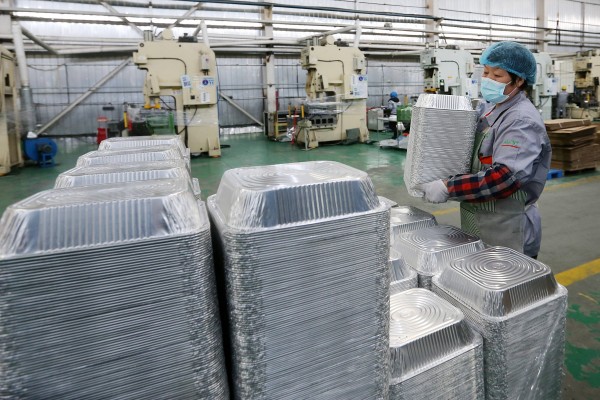
סעיף III - מבנים וציפויים מרוכבים: גורמים מרכזיים לבטיחות חימום
Most commercial baking materials that incorporate 8011 foil are not single-layer foils. They may involve:
- silicone-coated layers,
- greaseproof paper laminated to foil,
- heat-resistant PET or PE layers,
- water-based barrier coatings,
- food-safe adhesives that bond layers together.
Every layer must remain stable under heating. Key safety considerations include:
1. Thermal Stability of Coatings
Coatings must endure temperatures up to 220–260°C without:
- הִתפָּרְקוּת,
- מצהיבה,
- producing harmful volatiles,
- losing adhesion,
- generating particles.
2. Adhesive Migration Behavior
Food-contact adhesives must meet global SML limits. Poor-quality adhesives may migrate when exposed to fatty foods at elevated temperatures.
3. Layer Delamination Risks
Different materials expand at different rates. Inadequate lamination can cause:
- שלפוחיות,
- פִּכפּוּך,
- דה למינציה,
- exposure of underlying layers to food.
Any of these issues negatively affects safety, especially if components begin to decompose when directly exposed to heat.
סעיף IV - מכניקה תרמית וגורמי העברת חום המשפיעים על הבטיחות
1. שיפוע טמפרטורה והשפעתם על יציבות נייר הכסף
8011 סגסוגת מציגה מוליכות תרמית מעולה, מה שמוביל לפיזור חום מהיר. אוּלָם, חימום מקומי מוגזם (לְמָשָׁל., מזון ממוקם בצורה לא אחידה) יכול ליצור התרחבות דיפרנציאלית, פוטנציאל להלחיץ שכבות לרבד.
2. מאפייני חימום אוויר פרייר
טיגוני אוויר מייצרים תנאי חימום דינמיים ביותר:
- זרימת אוויר רציפה במהירות גבוהה,
- עלייה מהירה בטמפרטורה,
- significant shear forces from circulating currents.
These conditions impose additional stress on materials compared with traditional ovens.
3. Heat Transfer in Contact with Fatty Foods
Fats behave differently from water during heating:
- they reach higher temperatures more rapidly,
- they cause localized overheating of foil,
- they increase risk of thermal degradation in coatings.
כָּך, heating safety assessments must include fat-rich food scenarios.

Section V — Chemical Migration and Food Safety Considerations
1. Aluminum Ion Migration
Factors that influence migration include:
- acidity of food (לְמָשָׁל., lemon, tomato),
- salt concentration,
- heating time,
- temperature exposure,
- thickness and oxide layer stability.
Properly manufactured בדרגת מזון 8011 aluminum foil baking paper has extremely low migration levels even in acidic environments.
2. Coating Degradation By-Products
High temperatures may cause:
- polymer chain scission,
- release of VOCs,
- formation of partial oxidation products.
Regulatory testing such as OMA (overall migration) and NIAS (non-intentionally added substances) assessments are crucial.
3. Adhesive and Ink Stability
Although most baking paper does not use printed inks on the food-contact side, some multilayer structures use adhesives. These must comply with strict migration limits under EU and FDA standards.
Section VI — Mechanical Stability Under Heating Conditions
1. חוזק דמעות
8011 foil offers higher tear resistance than 1235 אוֹ 1060 לְסַכֵּל. Mechanical stability prevents:
- rupture during food turning or repositioning,
- tearing under air-fryer turbulence,
- breakage when wet foods steam aggressively.
2. Wrinkling and Structural Deformation
קמטים מוגזמים מפחיתים את אחידות המגע ועלולים לחשוף חלקים להתחממות יתר.
3. קצה קרלינג
סלסול קצה יכול להוביל:
- זיהום מזון,
- חשיפה של דבקים,
- סיכון של נגיעה בנייר כסף בגופי חימום.

סעיף VII - סיכוני בטיחות הקשורים לשימוש לא נכון
אפילו החומר הבטוח ביותר הופך למסוכן אם נעשה בו שימוש לא נכון.
1. התחממות יתר מעבר לגבולות החומר
רוב המבנים למינציה לסבול 230-260 מעלות צלזיוס. טמפרטורות מוגזמות עלולות לגרום:
- שבירות נייר כסף,
- פירוק ציפוי,
- הצתה של שמנים,
- הפרדת שכבות.
2. מגע ישיר עם גופי חימום
חשיפה לגופי חימום עירומים יכולה:
- לחרוך את נייר הכסף,
- להאיץ את החמצון,
- ליצור ריח שריפה.
3. השתמש עם מזונות בעלי חומציות גבוהה
למרות בטוח בגבולות, מזון חומצי במיוחד שחומם זמן רב מדי עלול להגביר מעט את התמוססות האלומיניום.
4. שימוש חוזר בספינות אפייה חד פעמיות בנייר כסף
שימוש חוזר בחומרים המיועדים לשימוש חד פעמי עלול לגרום:
- עייפות מבנית,
- קילוף ציפוי,
- נְגִיעוּת.
סעיף VIII - מסגרות רגולטוריות המסדירות בטיחות חימום
1. האיחוד האירופי (האיחוד האירופי) תַקָנוֹן
המסגרת של האיחוד האירופי כוללת:
- תַקָנָה (EC) 1935/2004
- תַקָנָה (האיחוד האירופי) 10/2011
- IN 646, IN 1186, IN 13130
אלה מסדירים את ההגירה הכוללת, הגירה ספציפית, בטיחות ציפוי, והדמיית תנאי מגע עם מזון.
2. תקנות ה-FDA של ארצות הברית
ה-FDA 21 מפרטי CFR קובעים:
- דבקים,
- ציפויי נייר,
- רדיד אלומיניום המשמש במגע עם מזון.
3. תקני GB של סין
תקנים מרכזיים כוללים:
- GB 4806.9 (חומרי מתכת)
- GB 4806.8 (נייר למגע עם מזון)
- GB 31604 שיטות בדיקת הגירה
4. חוק תברואה במזון יפן
התקנות היפניות מדגישות הערכות סיכונים ובדיקות הגירה גלובליות.

סעיף IX - ניתוח השוואתי: 8011 סגסוגת לעומת. סגסוגות נייר כסף אחרות
1. 8011 לעומת. 1235
- 8011 הוא חזק יותר, יותר עמיד בחום
- 1235 הוא רך יותר, פחות מתאים לאפייה
2. 8011 לעומת. 3003
- 3003 הוא עמיד בפני קורוזיה אך משמש בדרך כלל בצורות עבות יותר
- 8011 מצטיין ביישומי נייר כסף דק
3. 8011 לעומת. 8021
- 8021 מציע תכונות מחסום מצוינות
- 8011 הוא חסכוני יותר ובשימוש נרחב לאפייה
סעיף X - דרישות בקרת איכות תעשייתית
1. בקרת חריר
מוצרים יוקרתיים דורשים ≤50 חרירים/מ"ר עבור נייר כסף דק.
2. אחידות ציפוי
ציפויים אחידים מונעים פירוק מקומי.
3. חוזק הידבקות
הידבקות לא מספקת גורמת לדה למינציה בחום.
4. Odor and Volatile Testing
Ensures no smell transfers to food.
Section XI — Best Practices for Manufacturers
- Use certified raw materials.
- Optimize annealing cycles to reduce brittleness.
- Apply high-temperature-resistant silicone coatings.
- Conduct migration tests under fatty food conditions.
- Maintain clean-room lamination lines.
- Periodically test high-temperature deformation characteristics.

Section XII — Best Practices for End Users
- Avoid exceeding 230–260°C depending on product specifications.
- Avoid heating highly acidic foods for prolonged periods.
- Do not reuse disposable baking paper.
- Prevent direct contact with heating elements.
- Ensure adequate airflow in air fryers.
- Do not fold or compress foil excessively before heating.
מַסְקָנָה: מַדוּעַ 8011 Alloy Remains a Leading Material for Safe Food Heating Applications
The heating safety of aluminum foil baking materials results from a combination of metallurgy, coating science, composite technology, thermal mechanics, ויציבות כימית. Among current materials, בדרגת מזון 8011 רדיד אלומיניום baking paper בולט בשל מאפייני הסגסוגת החזקים שלו, התנהגות צפויה תחת חום, סיכון הגירה נמוך, ותאימות למכשירי חימום מודרניים.
עם שימוש נכון, בקרות ייצור קפדניות, ועמידה בתקנים גלובליים, 8011 סגסוגת ממשיכה להיות פתרון אמין ובעל ביצועים גבוהים הן בסביבות עיבוד מזון תעשייתי והן בסביבות בישול ביתי.