
खाद्य कण पैकेजिंग के लिए एल्युमीनियम फ़ॉइल शीर्ष विकल्प क्यों है?
1. परिचय
सही खाद्य पैकेजिंग सामग्री चुनना महत्वपूर्ण है, क्योंकि यह सीधे खाद्य शेल्फ जीवन को प्रभावित करता है, सुरक्षा, और स्वाद. विभिन्न सामग्रियों के बीच, एल्यूमीनियम फ़ॉइल अपने अद्वितीय गुणों के कारण खाद्य कण पैकेजिंग के लिए एक आदर्श विकल्प के रूप में सामने आता है. यह लेख एल्यूमीनियम फ़ॉइल की विशेषताओं और अन्य सामग्रियों के साथ तुलना जैसे पहलुओं से इसके पैकेजिंग लाभों का विश्लेषण करेगा.
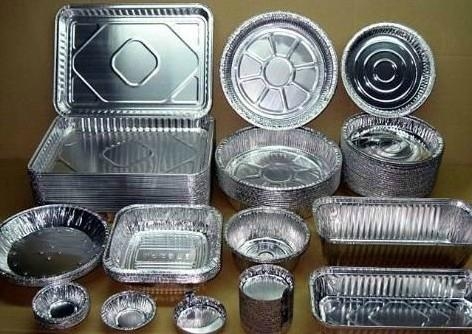
2. एल्युमिनियम फॉयल के लक्षण
(1) बाधा प्रदर्शन
एल्यूमिनियम फ़ॉइल उत्कृष्ट अवरोधक क्षमताओं का दावा करता है, ऑक्सीजन को प्रभावी ढंग से अवरुद्ध करना, नमी, और प्रकाश. डेटा से पता चलता है कि इसमें पैक किए गए खाद्य कणों के लिए, ऑक्सीजन संचरण दर 0.1cc/m²·24h से नीचे गिर सकती है, और नमी संचरण दर 0.1g/m²·24h के भीतर रहती है. यह पराबैंगनी किरणों को भी पूरी तरह से रोकता है. यह भोजन के ऑक्सीकरण और खराब होने को काफी हद तक धीमा कर देता है, द्वारा शेल्फ जीवन का विस्तार 30%-50%. यह विशेष रूप से मेवे और अनाज जैसे खाद्य कणों के लिए उपयुक्त है जो पर्यावरण से आसानी से प्रभावित होते हैं.
(2) ऊष्मीय चालकता
एल्युमिनियम फॉयल की तापीय चालकता 237W/ है(एम·के), अधिकांश पैकेजिंग सामग्रियों से कहीं बेहतर. गर्म करते समय, यह गर्मी को तेजी से और समान रूप से स्थानांतरित करता है, स्थानीय अति ताप से बचना. आउटडोर बारबेक्यू के दौरान, एल्युमीनियम फॉयल में सामग्री लपेटने से नमी और स्वाद बरकरार रहता है, यह सुनिश्चित करना कि सामग्री पूरी तरह गर्म हो.
(3) लचीलापन और लचीलेपन
एल्युमीनियम फ़ॉइल नरम और अत्यधिक निंदनीय है. इसे कुछ माइक्रोमीटर जितनी पतली शीट में संसाधित किया जा सकता है और आसानी से मोड़ा या मोड़ा जा सकता है. विभिन्न आकार के खाद्य कणों के लिए, यह उन्हें लपेटने के लिए कसकर फिट बैठता है, वायु अवशेष को कम करना. यह रोल पैकेजिंग और सीलबंद बैग पैकेजिंग जैसी विभिन्न पैकेजिंग प्रक्रियाओं को भी अपनाता है.
3. अन्य पैकेजिंग सामग्रियों के साथ तुलना
(1) बनाम प्लास्टिक
तुलना आयामएल्यूमीनियम फ़ॉइलप्लास्टिक
बैरियर प्रदर्शनउत्कृष्ट, ऑक्सीजन को रोकता है, नमी, और प्रकाश ख़राब, अधिकांश ऑक्सीजन और प्रकाश को पूरी तरह से अवरुद्ध नहीं कर सकते
ऊष्मा प्रतिरोधउच्च, 200℃ से ऊपर के तापमान को सहन करता है, आसानी से विकृत हो जाता है और 60-120℃ पर हानिकारक पदार्थ छोड़ता है
पर्यावरण मित्रतापुनर्चक्रणीय, पर्यावरण पर कम बोझ डालता है, नष्ट करना कठिन है, आसानी से श्वेत प्रदूषण का कारण बनता है
खाद्य सुरक्षारासायनिक रूप से स्थिर, भोजन के साथ कोई प्रतिक्रिया नहीं, उच्च तापमान पर या तैलीय भोजन के संपर्क में आने पर हानिकारक पदार्थ निकल सकते हैं
(2) बनाम पेपर
तुलना आयामएल्यूमीनियम फ़ॉइलपेपर
नमी प्रतिरोधउत्कृष्ट, पूरी तरह से नमी को रोकता हैखराब, यह पानी को आसानी से सोख लेता है और भोजन को खराब कर देता है
मजबूती और टिकाऊपन अच्छा है, फाड़ना आसान नहीं है और पहनने के लिए प्रतिरोधी हैकम, आर्द्र वातावरण में आसानी से क्षतिग्रस्त हो जाता है और इसकी भार वहन करने की क्षमता कमजोर होती है
सील करने की क्षमता हीट सीलिंग के माध्यम से टाइट सीलिंग को सक्षम बनाती है, सीलबिलिटी में सुधार के लिए कोटिंग या प्लास्टिक फिल्म की आवश्यकता होती है
संदूषण-रोधी क्षमता चिकनी सतह, प्रदूषकों को अवशोषित करना आसान नहीं, झरझरा सतह, प्रदूषकों को अवशोषित करना आसान और साफ करना कठिन
4. खाद्य सुरक्षा में एल्युमिनियम फॉयल की भूमिका
(1) संदूषण को रोकना
इसकी धातु फिल्म संरचना एक सख्त सुरक्षात्मक बाधा बनाती है, धूल और बैक्टीरिया जैसे प्रदूषकों को खाद्य कणों के संपर्क में आने से रोकना. परिवहन और भंडारण के दौरान, भले ही पैकेजिंग में थोड़ा सा बाहर निकलना या टकराव हो, यह अक्षुण्ण रहता है, भोजन को संदूषण के संपर्क में आने से रोकना.
(2) रासायनिक स्थिरता
सामान्य उपयोग के अंतर्गत, एल्यूमीनियम पन्नी रासायनिक स्थिरता बनाए रखती है और एसिड के साथ प्रतिक्रिया नहीं करती है, क्षार, या भोजन में तेल. चाहे इसका उपयोग अम्लीय फलों के कणों या तैलीय मेवों को पैक करने के लिए किया जाए, इससे भोजन का स्वाद नहीं बदलेगा या हानिकारक पदार्थ उत्पन्न नहीं होंगे, भोजन का स्वाद और गुणवत्ता सुनिश्चित करना.
5. लागत-प्रभावशीलता संबंधी विचार
(1) प्रारंभिक लागत
सामान्य प्लास्टिक और कागज की तुलना में एल्युमीनियम फ़ॉइल की इकाई कीमत थोड़ी अधिक होती है. इसके बारे में लागत आती है 2-5 युआन प्रति वर्ग मीटर, जबकि प्लास्टिक से लेकर 1-3 युआन और कागज से 0.5-2 युआन. तथापि, यह बहुत पतला है, इसलिए यह खाद्य कणों की प्रति इकाई कम सामग्री का उपयोग करता है. प्रति सेवारत प्रारंभिक पैकेजिंग लागत में अंतर महत्वपूर्ण नहीं है.
(2) दीर्घकालिक बचत
लंबे समय में, एल्यूमीनियम फ़ॉइल लागत में कटौती करने में मदद करता है. यह खाद्य शेल्फ जीवन को बढ़ाता है, भोजन की बर्बादी को कम करके 20%-30% और उद्यमों के लिए इन्वेंट्री घाटे को कम करना. इसके अतिरिक्त, यह पुन: प्रयोज्य है, इसलिए उपभोक्ताओं को अतिरिक्त डिस्पोजेबल पैकेजिंग खरीदने की आवश्यकता नहीं है, अपने दैनिक खर्चों को कम करना.
6. विभिन्न खाद्य परिदृश्यों में एल्युमिनियम फॉयल के अनुप्रयोग
(1) पके हुए माल
कुकी क्रम्ब्स और केक आटा जैसे बेक किए गए सामान के लिए, यह पैकेजिंग नमी और ऑक्सीजन को रोकती है, भोजन को नरम होने से रोकना और कुरकुरापन बनाए रखना. उदाहरण के लिए, एल्युमिनियम फॉयल में सीलबंद केक के आटे को कमरे के तापमान पर संग्रहित किया जा सकता है 6-12 महीने, से अधिक लंबा 3-6 महीनों तक कागज की पैकेजिंग.
(2) फ्रोज़ेन खाद्य पदार्थ
जमे हुए खाद्य पदार्थों जैसे कि कटी हुई जमी हुई सब्जियाँ और कीमा बनाया हुआ मांस के कणों की पैकेजिंग करते समय, यह रोकता है “फ्रीजर जला” (भोजन में सतह की नमी के ऊर्ध्वपातन के कारण सूखापन और कठोरता) और दुर्गंध को रोकता है, भोजन को ताज़ा रखना. यहां तक कि -18℃ से नीचे ठंडे वातावरण में भी, इसकी पैकेजिंग स्थिर रहती है और कम तापमान के कारण भंगुर या टूटती नहीं है.
(3) टेकआउट और खाने के लिए तैयार खाद्य पदार्थ
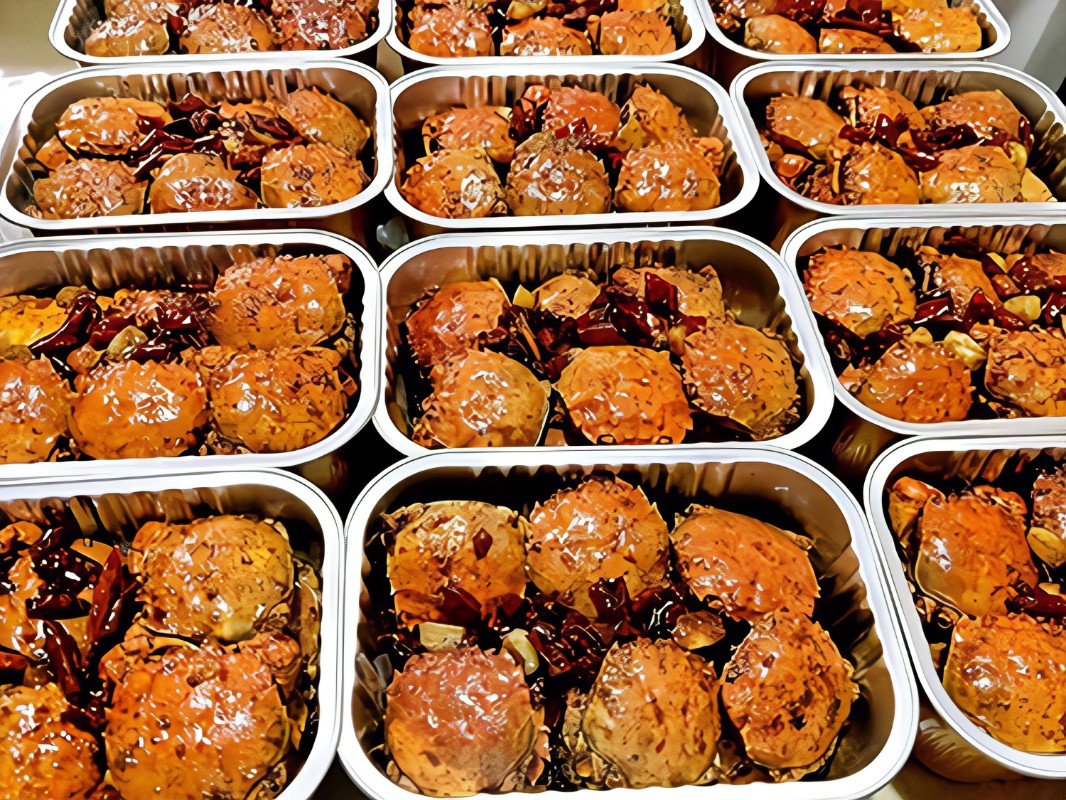
एल्युमीनियम फ़ॉइल पैकेजिंग तले हुए चावल के कणों और खाने के लिए तैयार नट्स जैसी वस्तुओं को बाहर निकालने के लिए उपयुक्त है. इसे बिना कंटेनर बदले सीधे माइक्रोवेव में गर्म करने के लिए रखा जा सकता है. यह गर्मी को भी अच्छे से बरकरार रखता है, उपभोक्ताओं को गर्म भोजन का आनंद लेने की अनुमति देना.
7. निष्कर्ष
अपने उत्कृष्ट अवरोधक गुणों के साथ, ऊष्मीय चालकता, रासायनिक स्थिरता, अच्छी लागत-प्रभावशीलता, और विभिन्न परिदृश्यों के लिए अनुकूलनशीलता, यह खाद्य कण पैकेजिंग के लिए एक उच्च गुणवत्ता वाला विकल्प बन जाता है. उपभोक्ताओं के रूप में’ खाद्य सुरक्षा की माँगें लगातार बढ़ रही हैं, एल्यूमीनियम फ़ॉइल पैकेजिंग में व्यापक अनुप्रयोग संभावना होगी.