
1. Introduction Why is 5052 Fèy aliminyòm apwopriye pou anodize
Anodizing is one of the most widely used surface treatments for aluminum alloys, transforming the base metal into a durable, korozyon ki reziste, and aesthetically versatile material.
Sepandan, not all aluminum alloys respond equally to the anodizing process.
Alloy selection is a decisive factor in determining the quality, aparisyon, and functional performance of the anodized finish.
5052 fèy aliminyòm, a member of the 5xxx series (Al-Mg alloys), is particularly well-suited for anodizing due to its chemical composition, surface properties, ak rezistans korozyon.
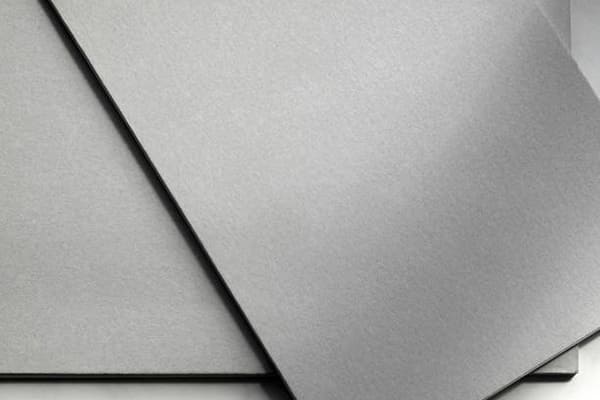
As a non-heat-treatable alloy with excellent workability, it sees widespread use in marine, architectural, otomobil, and electronic applications.
But what gives 5052 its anodizing advantage? This article explores the metallurgical, electrochemical, and performance reasons in detail.
2. Understanding Anodizing
2.1 Ki sa ki Anodize?
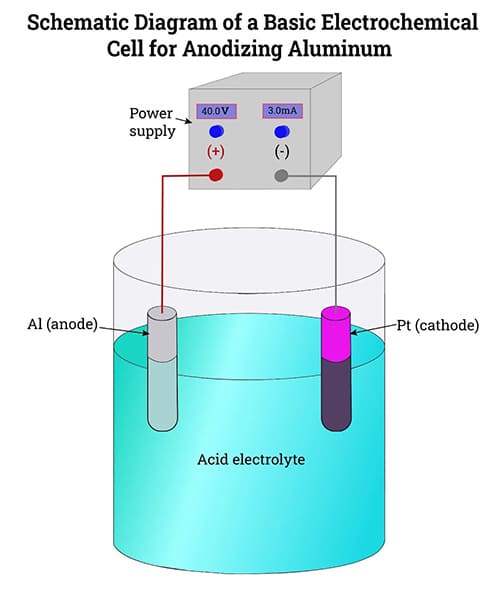
Anodizasyon se yon pwosesis oksidasyon elektwochimik where the aluminum surface is converted into a controlled layer of aluminum oxide. This oxide is:
- Non-conductive
- Microporous
- Highly adherent to the base metal
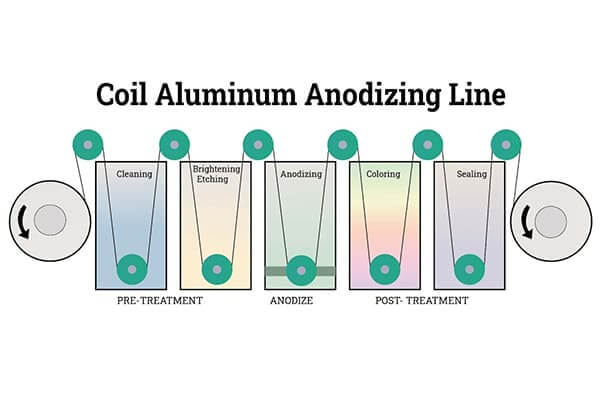
The process typically involves:
- Cleaning and pre-treatment
- Electrolytic oxidation in sulfuric acid
- Sele the pores for enhanced protection
2.2 Key Advantages of Anodizing
- Rezistans korozyon: The anodic oxide acts as a protective barrier.
- Sifas dite: Jiska 500 HV (Vickers dite) depending on conditions.
- Improved Aesthetics: Can be dyed in multiple colors.
- Better Adhesion: Paints and adhesives bond well with anodized surfaces.
- Thermal and Electrical Insulation: Beneficial for electronic and aerospace use.
2.3 Typical Anodized Aluminum Applications
- Building facades and decorative panels
- Marine deck plates and hulls
- Consumer electronics housings
- Food processing equipment
- Automotive body parts
3. Overview of 5052 Aliminyòm alyaj
3.1 Konpozisyon chimik (Tipik % by weight)
| Eleman | % Kontni |
|---|---|
| Aliminyòm (Al) | Res |
| Manyezyòm (Mg) | 2.2–2.8% |
| Kwòm (Kr) | 0.15-0.35% |
| Fè (Fe) | ≤0.4% |
| Silisyòm (Epi) | ≤0.25% |
| Kwiv (Cu) | ≤0.1% |
| Zenk (Zn) | ≤0.1% |
3.2 Key Properties
- Fòs rupture: 210–260 MPa
- Sede fòs: ~193 MPa
- Allongement nan Break: ~12–20% (rkant)
- Dansite: 2.68 g/cm³
- Kondiktivite tèmik: ~138 W/m·K
- Rezistans korozyon: Ekselan, especially in marine atmospheres
3.3 Klasifikasyon
5052 belongs to the 5xxx series, is an non-heat-treatable aluminum-magnesium alloy, which means it gains strength through cold working (souch redi), not through thermal processes like 6061.
It’s valued for strength, fòmabilite, ak rezistans korozyon, especially in marine and industrial environments.
4. Poukisa 5052 Is Suitable for Anodizing: Key Technical Factors
4.1 High Magnesium Content and Anodizing Behavior
The magnesium content (~2.5%) nan 5052 contributes to the formation of a hard, dense oxide layer.
While high-magnesium alloys like 5083 epi 5754 also anodize well, 5052 strikes a balance between mechanical strength and anodizing response.
- Oxide layer thickness: Typically ranges from 5 µm (decorative anodizing) pou 25 µm (hard anodizing).
- Hardness of anodized layer: Up to 300–500 HV.
- Electrical resistivity of the layer: ~10¹² Ω·cm, ideal for insulation.
4.2 Corrosion Resistance Enhancement
5052 already offers siperyè rezistans korozyon due to its low copper content and magnesium-rich matrix.
Anodizing amplifies this, making it a top candidate for applications exposed to seawater, industrial pollution, ak radyasyon UV.
According to ASTM G85 salt spray tests, anodize 5052 retains over 95% surface integrity after 1,000 èdtan, outperforming many 6xxx series alloys.
4.3 Surface Finish and Aesthetic Potential
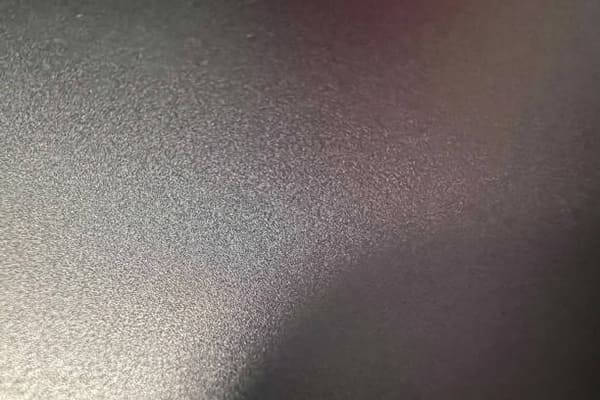
Pandan 5052 doesn’t achieve the mirror finish of 6061 apre anodize, it yields a inifòm, matte to satin surface.
The alloy responds well to clear anodizing, producing a light silver-gray tone.
Color anodizing is possible, though magnesium can sometimes cause slight tonal variation.
Pre-anodizing processes like bright dipping or mechanical polishing help improve reflectivity and consistency.
4.4 Structural Uniformity and Surface Integrity
5052 is known for its grain consistency and minimal inclusion content, which ensures even oxide growth during anodizing.
Unlike cast aluminum or recycled alloys, 5052 has:
- Low porosity
- High metallurgical cleanliness
- Excellent oxide adhesion
This leads to fewer defects such as “cloudiness,” “pitting,” or poor dye absorption in the anodized finish.
5. Comparison with Other Aluminum Alloys for Anodizing
While different aluminum alloys can all undergo anodizing, a resulting surface quality, rezistans korozyon, mechanical behavior, and color response vary significantly depending on the alloy composition.
Below is a deeper analysis of what happens apre anodize for each compared alloy:
| Pwopriyete | 5052 | 6061 | 1100 | 7075 |
|---|---|---|---|---|
| Alloying Element | Mg (~2.5%) | Mg + Epi | ~99% Al | Zn (~5.6%) |
| Fòs | Mwayen | Mwayen-Segondè | Ba | Segondè |
| Rezistans korozyon | Ekselan | Bon | Ekselan | Pòv |
| Anodizing Clarity | Modere | Segondè | Segondè | Pòv |
| Sifas Inifòmite | Bon | Trè bon | Ekselan | Varyab |
| Soudabilite | Ekselan | Bon | Ekselan | Pòv |
Key Takeaways
- For structural strength + rezistans korozyon: 5052 offers the best all-around performance in anodized form.
- For high-end aesthetics and color variety: 6061 outperforms 5052, especially in consumer-facing products.
- For maximum reflectivity and purity: 1100 provides unmatched anodized brightness but lacks strength.
- For high strength with challenges: 7075 requires special handling and usually isn’t preferred for anodizing.
An konklizyon, anodize 5052 aluminum sheet stands out for practical applications requiring functional durability over decorative aesthetics, especially where environmental resistance and structural integrity are top priorities.
Pandan 6061 might win in terms of appearance and color uniformity, 5052 dominates in demanding real-world conditions like marine, endistriyèl, and architectural settings.
6. Applications of Anodized 5052 Fèy aliminyòm
Thanks to its strong mechanical properties, rezistans korozyon, epi stable anodizing behavior, anodize 5052 aluminum sheet is widely used across industries where durability and performance under exposure are essential.
Its versatility is evident in both structural and aesthetic applications, particularly in environments that involve imidite, pwodwi chimik yo, or abrasive conditions.
6.1 Marine and Coastal Applications
Due to its high kontni mayezyòm (~2.5%), 5052 aluminum exhibits exceptional resistance to saltwater corrosion, which is further enhanced by anodizing.
The anodized oxide layer acts as a barrier to pitting and galvanic corrosion, a common issue in marine structures.
Typical applications:
- Bato bato ak pon
- Marine gangways and dock panels
- Structural housings on offshore platforms
- Fuel tanks and storage compartments
Supporting data: In ASTM B117 salt spray tests, anodize 5052 samples demonstrated sou 3,000 hours of resistance without significant degradation, outperforming uncoated aluminum by a wide margin.
6.2 Architectural and Construction Uses
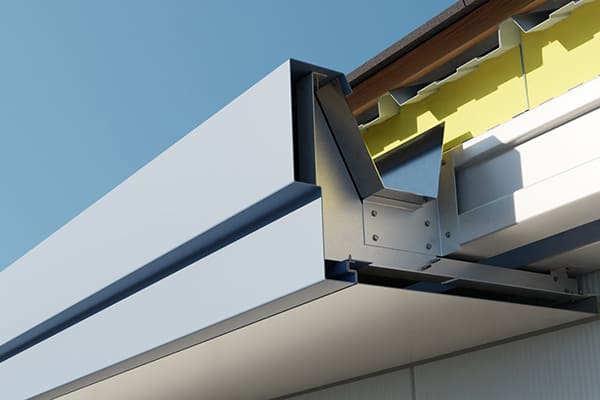
Anodize 5052 is favored in architecture for CLADDING, twati, ak panno dekoratif due to its surface uniformity, rezistans korozyon, ak fasilite nan fabwikasyon.
The anodized finish also provides UV rezistans epi low maintenance requirements, making it ideal for exterior installations.
Itilizasyon komen:
- Panno miray rido
- Window frames and mullions
- Signage and display boards
- Rain screens and soffits
Li fòmabilite allows for intricate shapes and custom profiles without cracking, which is essential in modern façade design.
6.3 Otomobil ak transpò
Lightweight yet strong, 5052 aluminum helps reduce vehicle weight without sacrificing structural performance.
Apre anodize, it gains added protection from abrasion, road salt, ak ekspoze anviwònman an.
Key applications:
- Trailer skins and siding
- Bus and truck panels
- Fuel system components
- Battery enclosures in EVs
Anodized 5052’s improved surface hardness enhances scratch and wear resistance, which is particularly valuable in commercial vehicles and long-haul fleets.
6.4 Industrial Equipment and Enclosures
Nan anviwònman endistriyèl, where metal surfaces often encounter pwodwi chimik yo, lwil oliv, or physical wear, anodize 5052 serves as an ideal material for equipment housings, protective covers, and safety barriers.
Example applications:
- Electrical enclosures
- Pump housings
- HVAC equipment covers
- Conveyor system panels
Li non-sparking and non-magnetic properties also make it suitable for explosion-proof or EMI-sensitive settings.
6.5 Consumer and Electronics Products
While not as popular as 6061 for consumer electronics due to limited dye response, anodize 5052 is still used in applications where mechanical strength and corrosion resistance outweigh aesthetic needs.
Aplikasyon komen:
- Toolboxes and storage chests
- Ankadreman bisiklèt
- Camping gear
- Protective cases and instrument panels
6.6 Renewable Energy and Infrastructure
5052 is increasingly used in solar and energy systems kote long-term exposure to UV radiation, wind, and rain necessitates robust materials.
The anodized finish supports decades of outdoor service life.
Itilizasyon tipik:
- Solar panel frames
- Mounting structures
- Control enclosures
- Battery rack components
Anodize 5052 aluminum sheet strikes an ideal balance between fòs mekanik, corrosion protection, and manufacturability.
From marine vessels to architecture and industrial systems, its widespread use is a testament to the alloy’s reliability and performance under demanding conditions.
Whether enhancing durability, improving safety, or reducing maintenance, anodize 5052 continues to meet the evolving needs of modern engineering.
7. Konklizyon
5052 aluminum sheet delivers an exceptional balance of strength, fòmabilite, rezistans korozyon, and anodizing compatibility.
Its magnesium content contributes to a robust anodic oxide layer, while its low impurity levels and consistent microstructure ensure a uniform finish.
Whether used in marine, architectural, or industrial applications, anodize 5052 offers reliability, apèl vizyèl, and long-term performance.
As manufacturers and designers continue to seek materials that provide both function and finish, 5052 aluminum remains a trusted choice for anodized applications atravè endistri yo.