
PTP Aluminium Foil 8011: Analisis Ing-Ambane Bahan Inti kanggo Kemasan Blister Farmasi
Abstrak
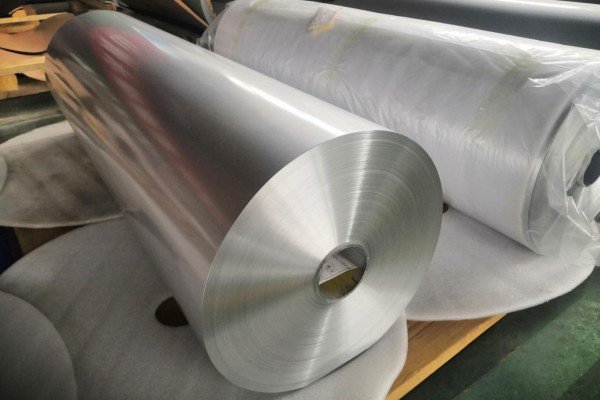
PTP Aluminium Foil 8011 minangka bahan aluminium foil kanthi kinerja dhuwur sing dikembangake khusus kanggo kemasan blister farmasi sing padhet. Fungsi inti yaiku nyedhiyakake alangan protèktif sing meh sampurna kanggo tablet, kapsul, lan bentuk dosis solid liyane. Minangka landasan kanggo Pencet Liwat Packaging (Ptp), iku langsung related kanggo stabilitas tamba, safety, lan penak dosis. Artikel iki nyedhiyakake analisis rinci babagan ilmu material ing mburi 8011 paduan, proses manufaktur sing tepat, sistem kontrol kualitas sing ketat, lan peran utama ing industri pharmaceutical, nawakake pandhuan teknis lan aplikasi lengkap kanggo perusahaan farmasi, Engineers Packaging, lan profesional industri.
1. Definisi Material lan Posisi Industri
1.1 Dhéfinisi dhasar saka PTP Foil
Ptp, singkatan kanggo Tekan liwat Packaging, biasane diarani ing Cina minangka “kemasan press-through” utawa “kemasan blister.” Struktur kasebut biasane dumadi saka rong bagean:
- Pembentukan Film (Film Blister Kab): Lembaran plastik transparan (contone., Pvc, PVDC) sing wis digawe panas lan dibentuk kanggo nggawe rongga (blisters) kanggo nahan tablet.
- Bahan Liding: PTP aluminium foil, kang disegel panas kanggo film blister, individu sealing tamba ing saben growong blister.
Sajrone nggunakake, sabar mung ditrapake meksa kanggo mburi foil ing lokasi tablet kanggo push (utawa kupas) iku liwat foil. Format kemasan iki nggabungake kaluwihan saka dosis unit, pangayoman banget, portabilitas, lan kepatuhan pasien sing dhuwur.
1.2 Status Industri Kab 8011 Aluminium Alloy Kab
Antarane akeh kelas alloy aluminium, 8011 paduandiakoni sacara global minangka “standar emas” materi kanggo manufaktur PTP foil farmasi amarga imbangan optimal saka kekuwatan, wujude, keluwesan, lan kualitas permukaan. Iki kalebu paduan aluminium seri 8xxx sing ora bisa diobati panas (Seri Al-Fe-Si). Sifat-sifat kasebut utamane diatur liwat hardening kerja sing adhem (contone., H18, H19 Temper) lan proses annealing, nggawe banget cocok kanggo ultra-tipis rolling lan stamping kacepetan dhuwur sakteruse.
Klarifikasi Terminologi Industri:
- PTP Foil: Nandheske fungsi lan aplikasi (bahan tutupan).
- Aluminium Foil Farmasi / Dilapisi Aluminium Foil: Nandheske wangun produk pungkasan (ditutupi karo lacquer panas-segel bahan farmasi).
- 8011 Alloy Foil: Nandheske komposisi bahan dhasar.
Istilah kasebut asring digunakake kanthi ganti ing pengadaan industri farmasi lan komunikasi teknis.
2. Komposisi Kimia lan Analisis Mikrostruktur saka 8011 Paduan
Kaluwihan kinerja saka 8011 paduan bosok ing komposisi kimia sing dikontrol kanthi tepat.
| unsur | Standard Content Range (wt.%) | Peran lan Dampak ing Materi |
|---|---|---|
| Al | Balance (≥97.5) | logam dhasar, nyedhiyakake sifat metalik dhasar, Duksesan, lan sifat alangi. |
| Fe | 0.60 – 1.00 | Elemen penguat utama. Bentuk acicular utawa skeletal AlFeSisenyawa intermetalik karo Si. Iki nggoleki, partikel hard èfèktif pin wates gandum lan dislocations, Ngartekno nambah kekuatan lan atose materi nalika nyandhet wutah gandum recrystallized, asil ing microstructure olahan. |
| lan | 0.50 – 0.90 | Unsur kunci liyane. Mbentuk senyawa karo Fe, ngatur wangun ngarsane Fe. Keluwihan Si bisa mbentuk silikon free brittle, ngrusak kateguhan; dene rasio Fe/Si sing cocok (biasane cedhak 1:1) mbisakake pambentukan senyawa sing luwih seragam lan alus, ngoptimalake kinerja sakabèhé. |
| Cu | ≤ 0.10 | Unsur sing ora jelas, dikontrol kanthi ketat. Jumlah tilak saka Cu bisa nambah kekuatan nanging sacara signifikan nyuda resistensi karat foil lan bisa mengaruhi kompatibilitas karo formulasi obat., mula sing ngisor luwih apik. |
| Mn | ≤ 0.20 | Unsur sing ora jelas, biasane dikenalake saka bahan mentah. Jumlah tilak Mn bisa nyedhiyakake penguatan solusi sing padhet nanging uga butuh kontrol. |
| Mg, Zn, Saka, lsp. | Saben ≤ 0.05 – 0.10 | Kabeh unsur najis sing dikontrol kanthi ketat. Ing ngarsane bisa mengaruhi kemurnian alloy, resistance karat, lan efektifitas perawatan lumahing. |
Ringkesan Kaluwihan Ilmu Material:
- Kombinasi saka High Strength lan Good Formability: Fase penguatan dispersi sing dibentuk dening Fe lan Si ngidini 8011 foil duwe kekuatan tensile cukup lan kaku ing ukuran banget lancip (contone., 0.02mm) kanggo tahan pangolahan lan transportasi sabanjure; sauntara kuwi, matriks aluminium njamin ductility apik kanggo stamping gampang tanpa retak.
- Struktur Mikro Stabil: Distribusi seragam fase senyawa sing apik ngasilake sifat anisotropik sing luwih apik, kinerja seragam sawise Rolling, lan Rampung lumahing Gamelan.
- Kontrol Pinhole sing apik banget: Komposisi campuran murni lan mikrostruktur homogen nyuda kemungkinan pinholes kritis (cacat liwat-kekandelan) kedadean sak rolling kanggo micrometer-tingkat kekandelan.
3. Analisis Mendalam Sifat Inti PTP Aluminium Foil 8011
3.1 Absolute alangi Properties: Pondasi Stabilitas Obat
Aluminium foil minangka bahan kemasan mung fleksibel sing nyedhiyakake a jangkep, alangan mutlak.
- Tingkat transmisi banyu (WVTR): Secara teoritis 0. Produk nyata kudu ngliwati tes sing ketat kanggo mesthekake transmisi kelembapan sing cedhak karo nol sanajan ing kahanan suhu lan kelembapan sing dhuwur.. Iki minangka jaminan utama marang deliquescence obat, wutah jamur, lan nyuda khasiat.
- Tingkat transmisi oksigen (Otr): 0. Rampung mblokir oksigen, nyegah oksidasi lan degradasi bahan aktif (contone., vitamin, Antibiotik, lipid).
- Alangan cahya: Rampung opaque, utamané pamblokiran 100% saka ultraviolet (UV) cahya, efektif nglindhungi obat-obatan sing sensitif cahya.
- Panghalang Mikroba lan Kontaminan: Struktur metalik sing padhet ngalangi bakteri, cetakan, bledug, lan ambune gas, njamin higiene obat.
3.2 Kinerja Seal Panas sing dipercaya: Kunci kanggo Segel Integritas
Siji utawa loro-lorone PTP aluminium foil dilapisi karo khusus lacquer heat-seal kelas farmasi.
- Fungsi Heat-Seal Lacquer: Ing stasiun panas-sealing saka mesin packaging blister, ing suhu tartamtu, meksa, lan wektu, lapisan iki nyawiji lan ikatan karo permukaan PVC utawa film mbentuk liyane, mbentuk segel kuwat nalika cooling.
- Persyaratan Kinerja:
- Suhu Aktifake sing cocog: Kudu cocog karo titik leleh saka film mbentuk kanggo mesthekake cepet, sealing stabil.
- Tack Panas sing apik: Nyedhiyakake kekuatan dhisikan sing cukup sawise sealing lan sajrone cooling kanggo nyegah peeling sajrone conveyance line.
- Kekuwatan Kulit sing Dikontrol: Segel kudu cukup kuwat kanggo lulus tes drop lan geter, durung ngidini pasien (kalebu wong tuwa) kanggo push tablet liwat relatif gampang. Kekuwatan kulit biasane duwe syarat jarak tartamtu (contone., 0.5-2.5 N / 15mm).
- Kompatibilitas sing apik banget: Lacquer segel panas kudu memenuhi standar farmasi-ora beracun, ora ana ambune, lan ora kudu migrasi utawa reaksi karo obat kasebut.
3.3 Kinerja Mekanik lan Pangolahan sing pinunjul
Iki minangka dhasar kanggo njamin terus-terusan, operasi stabil saka garis packaging blister otomatis kacepetan dhuwur.
- Stamping / Forming Performance: Ing mesin packaging, foil kudu langsung cap kanggo nggawe garis luh tartamtu (contone., bunder, awujud salib) lan bisa ngalami peregangan sing sithik. Ing ductility banget lan karakteristik karya-hardening saka 8011 foil asil ing resik, ngethok stamping tanpa burr lan resiko minimal retak mikro.
- Stabilitas Web Running: Roll foil kudu njaga ketegangan sing stabil sajrone unwinding kacepetan dhuwur, transportasi, lan mundur tanpa kerut utawa ngumbara. Iki mbutuhake toleransi kekandelan banget nyenyet lan flatness (bebas saka gelombang pinggir utawa gesper).
- Rintangan Pinhole: Materi kasebut kudu nolak konsentrasi stres sajrone stamping kanthi kacepetan dhuwur lan penanganan sabanjure supaya ora nggawe lubang jarum anyar.
3.4 Performa Permukaan lan Percetakan sing apik banget
PTP foil minangka pembawa langsung informasi obat.
- Perawatan permukaan: Kanggo nambah adhesion saka tinta lan panas-segel lacquer, lumahing foil biasane ngalami perawatan primerkanggo nambah energi permukaan.
- Printability: Printing gravure bisa digunakake kanggo entuk definisi dhuwur, teks kontras dhuwur, grafis, lan barcode. Iki wigati kanggo jeneng tamba, kekuwatan, Nomer Batch, tanggal kadaluwarsa, Produsen, lan tandha anti-pemalsuan.
- Mantel Protèktif: Sawise nyithak, varnish overprint protèktif transparent ditrapake kanggo nyegah abrasion saka isi dicithak sak transportasi lan nggunakake, lan kanggo nambah kinclong lumahing.

4. Alur Proses Produksi Lengkap lan Kontrol Presisi
Produksi saka Foil aluminium ptp punika teknologi-intensif, baris proses terus-terusan tliti dhuwur.
- Paduan Leleh lan Casting:
- Nggunakake aluminium utami kemurnian dhuwur (contone., >99.7%).
- Kanthi tepat nambah unsur kaya Fe lan Si ing tungku leleh, nggunakake pangolahan panyulingan lan degassing kanggo mbusak hidrogen lan impurities.
- Leleh disaring lan banjur dibuwang liwat kastor sing terus-terusan menyang papan paduan kanthi ketebalan kira-kira 6-8mm.
- Rolling Panas:
- Slab digawe panas ing ndhuwur suhu rekristalisasi lan digulung liwat gilingan rolling panas dadi gulungan gulungan panas kanthi ketebalan 2-4mm.. Proses iki pisanan ngilangi struktur cast lan homogenizes komposisi.
- Dening Rolling:
- Digawa metu ing suhu kamar liwat sawetara pass, iki minangka proses kunci kanggo nyuda kekandelan lan entuk sifat mekanik sing dikarepake. Pasukan rolling massive nyebabake hardening karya, mboko sithik ngurangi kekandelan kanggo 0.3-0.5mm.
- Foil Rolling:
- Proses inti. Ing pabrik rolling foil khusus, “pindho rolling” asring digunakake - muter loro lapisan foil bebarengan kanggo nyegah breakage ing thinness nemen. Pengukur pungkasan (0.016-0,025 mm) digayuh. Proses iki mbutuhake presisi ekstrim ing keselarasan gulungan, kabersihan minyak, lan kontrol tension.
- Annealing:
- Annealing sing dikontrol ditindakake adhedhasar suhu produk sing dikarepake (alus O-temper, utawa hard H18 / H19 watek). Annealing nyuda stres internal, nyetel sifat mekanik, lan stabilizes dimensi. Foil farmasi biasane ngalami anil suhu rendah kanggo mulihake plastisitas nalika nahan tingkat kekuatan tartamtu..
- Perawatan permukaan lan lapisan:
- Dilaksanakake ing lingkungan kamar resik. Foil iku pisanan degreased lan di resikikanggo njamin kebersihan permukaan sing mutlak.
- Lapisan Primer: Lapisan adesif sing tipis banget ditrapake kanggo nambah adhesi lapisan sabanjure.
- Lapisan Lacquer Panas-Seal: A coater tliti (contone., micro-engraving, pelapis piso) seragam ditrapake lacquer pharmaceutical panas-segel dirumuske. Foil sing dilapisi banjur ngliwati oven pangatusan sing dawa kanggo pangatusan lan perawatan sing dikontrol.
- Nyithak: Tinta bahan pangan lan farmasi digunakake kanggo percetakan multi-werna.
- Lapisan Protèktif: Lapisan pelindung transparan pungkasan ditrapake.
- Slitting lan Inspeksi:
- Slitting dhuwur-kacepetan kanggo widths tartamtu customer.
- Inspeksi Online Lengkap: Kalebu pangukuran kekandelan (pengukur beta), deteksi pinhole (spark utawa sistem sesanti CCD), deteksi cacat lumahing, lsp.
- QC pungkasan: Sampling lan pangujian kabeh parameter kunci: kekuatan segel panas, residu pelarut, watesan mikroba, kualitas print, lsp.
5. Standar kualitas: Rampungake Persyaratan Regulasi Paling Kenceng ing Donya
5.1 Peraturan lan Standar Inti
- Amerika Serikat: Kudu manut FDA 21 CFR 175.300 (aditif pangan ora langsung) lan syarat GMP. Materi lan komponen lapisan kasebut kudu ana ing dhaptar bahan sing diidini FDA.
- Uni Eropa: Kudu tundhuk karo syarat sing cocog ing EU 10/2011 (bahan plastik kontak pangan) utawa pedoman farmakope sing luwih ketat. Supplier kudu bisa nyedhiyani lengkap Pranyatan saka Conformity (Doc) lan data uji migrasi.
- Cina: Kudu manut standar YBB (Standar Bahan Kemasan Obat Nasional) lan entuk registrasi / filing.
- Standar Internasional: ISO 15378 (Praktek Manufaktur Apik kanggo bahan kemasan primer kanggo produk obat) minangka standar sistem kualitas utama.
5.2 Panjelasan Rincian Item Tes Kinerja Utama
| Item Tes | Cara tes / Standar | Wigati lan Requirements |
|---|---|---|
| Pinholes | Deteksi ing kamar peteng ing voltase tartamtu | Indikator keamanan inti. Kanggo produk ketebalan 0,02mm, jumlah pinholes saben area standar kudu arang banget kurang utawa nul. Pinholes minangka panyebab langsung kegagalan penghalang. |
| kekandelan & Toleransi | Micrometer utawa pengukur ketebalan online | Ngaruhi sifat alangi, Kekuwatan mekanik, lan biaya. Toleransi biasane dikontrol ing ± 5%. |
| Kekuwatan Seal Panas | Astm F88 / GB / t 2358 | Simulates proses mbusak obat sing nyata. Kekuwatan kulit kudu ana ing jarak sing cukup sing njamin integritas segel nalika mbukak kanthi gampang. |
| Sisa Pelarut | Kromatografi Gas - Spektrometri Massa (GC-MS) | Ndeteksi total sisa pelarut (contone., benzena, keton, ester) lan zat mbebayani tartamtu saka pangolahan printing / lapisan. Mesthi ing ngisor watesan sing ketat (contone., total ≤5 mg/m²). |
| Watesan Mikroba | Metode farmakope (contone., Usp <61>) | Tes kanggo jumlah mikroba aerobik total, total ragi gabungan / jumlah cetakan, njamin tingkat higiene. |
| Kualitas Print & Adhesion | Colorimeter, tes resistensi rub (contone., crockmeter) | Mesthekake isi sing dicithak cetha, akurat, tahan lama, lan tahan kanggo abrasion, njamin traceability. |
| Kinerja Nguripake | Simulasi praktis ing mesin kemasan | Ngira-ngira kelancaran gulungan foil ing peralatan kemasan kanthi kacepetan dhuwur-mriksa jeda web, kisut, utawa misalignment. |
6. Tren Pasar, Ekspansi Aplikasi, lan Strategi Pamilihan Supplier
6.1 Pembalap pasar lan Tren
- Wutah ing Pangobatan Penyakit Kronis: Kahanan kaya diabetes lan hipertensi mbutuhake panjaluk obat jangka panjang kanggo kemasan blister dosis unit.
- Safety Anak & Fitur Senior-Friendly: PTP packaging nggabungke resistance anak (angel kanggo mbusak sawetara Unit bebarengan) lan loropaken senior (identifikasi gampang, akses gampang) ciri.
- Otomasi & Manufaktur cerdas: Industri 4.0 ing pharma promosiaken garis packaging dhuwur-kacepetan, nuntut luwih dhuwur konsistensi, stabilitas, lan traceabilitysaka foil. Saben rol wis unik “ID” (nomer batch / roll) kanggo traceability lengkap.
- Kelestarian: Aluminium foil bisa didaur ulang tanpa wates. Industri kasebut njelajah ukuran sing luwih tipis (contone., 0.018mm) kanggo ngurangi sumber tanpa kompromi kinerja, lan ngoptimalake lapisan kanggo nyuda dampak lingkungan.
6.2 Ngluwihi Tablet Tradisional & Kapsul: Ekspansi Aplikasi
- Nutraceutical High-Barrier: Produk sensitif banget kanggo oksigen lan kelembapan, kaya lenga iwak lan probiotik, tambah akeh nggunakake aluminium foil blisters.
- Piranti Medis & Tes Diagnostik: Kasa steril, lading bedhah, Strip tes glukosa getih, lsp., nggunakake kemasan PTP steril kanggo jaminan siap digunakake.
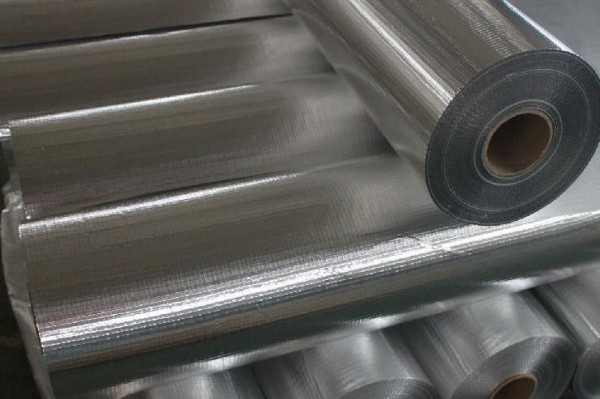
- Cairan Oral Sachet: Sawetara sachet cairan pediatrik (laminate aluminium-plastik) uga asring digunakake 8011 paduan kanggo lapisan aluminium.
6.3 Dhaptar Priksa Lengkap kanggo Milih Supplier Berkualitas Tinggi
Perusahaan farmasi kudu ndeleng supplier foil minangka mitra materi kritis, ora mung vendor. Evaluasi kudu nutupi:
- Yayasan Kepatuhan:
- Apa supplier duwe a Lingkungan produksi resik kelas GMPdisertifikasi dening badan berwenang (utamané lapisan lan slitting wilayah)?
- Apa produk kasebut duwe sertifikat kepatuhan peraturan kanggo pasar target utama (contone., File Master FDA, EU DoC)?
- Teknis & Kapabilitas Kualitas:
- Apa duwe kontrol chain sumber lengkap (saka casting kanggo nutupi)? Iki menehi stabilitas luwih saka supplier sing mung tuku lan mantel foil dhasar.
- Apa wis maju sistem inspeksi onlinelan lengkap laboratorium kimia/fisik?
- Apa iku Sistem Manajemen Kualitasdisertifikasi ISO 15378? Bisa menehi lengkap, Sertifikat Analisis batch sing bisa dilacak (Coa)?
- produk & Kapabilitas Service:
- Kemampuan Kustomisasi: Bisa kanthi fleksibel nyetel formulasi lacquer segel panas supaya cocog karo film pembentuk sing beda (Pvc, PVDC, PCTFE, Pet)? Bisa menehi solusi printing multi-werna lan solusi anti-pemalsuan sing kompleks?
- Dhukungan Teknis: Apa duwe tim teknis aplikasi profesional kanggo nulung pelanggan masalah kompatibilitas mesin, optimasi parameter heat-seal, lsp.?
- Stabilitas & Konsistensi: Apa umpan balik saka pelanggan jangka panjang? Apa variasi kinerja antarane batch minimal?
- Kelestarian & Tanggung Jawab Sosial:
- Apa ana fokus ing proses ramah lingkungan lan penilaian siklus urip produk?
- Kinerja tanggung jawab sosial perusahaan.
Kesimpulan
PTP Aluminium Foil 8011 iku adoh luwih saka lapisan lancip saka logam. Iku produk saka ilmu material, manufaktur tliti, lan peraturan pharmaceutical sing ketat-a “wali sing setia” nglindhungi saben dosis saka pabrik menyang tangan pasien. Amarga kemasan farmasi berkembang dadi luwih aman, penak, lan intelijen, pangerten jero lan pilihan ngelmu saka 8011 PTP foil wis dadi indispensable kanggo perusahaan farmasi mbangun daya saing produk lan njamin safety obat pasien. Milih iku milih prasetya kanggo kualitas lan safety.