
열 밀봉 강도를 향상시키는 방법 8011 식품 포장용 알루미늄 호일?
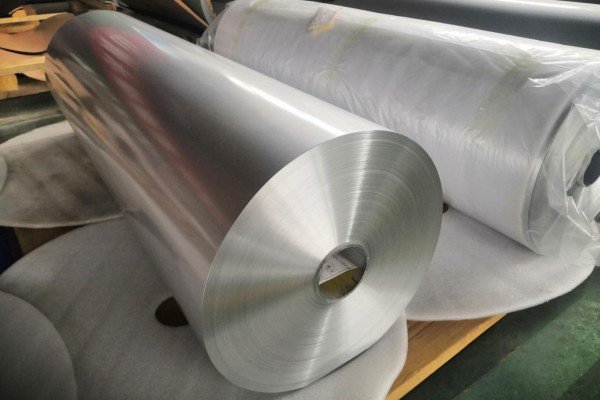
8011 알루미늄 호일, 우수한 성형성으로, 열 밀봉 호환성, 및 장벽 특성, 식품포장의 핵심소재입니다. (요거트 뚜껑, 요리된 음식 주머니, 분유 캔 밀봉, 등.). 열 밀봉 강도는 포장 밀봉 무결성을 직접적으로 결정합니다., 보관/운송 내구성, 그리고 제품 유통기한. 열 밀봉 강도 향상 8011 알루미늄 호일 식품 포장에는 네 가지 주요 차원에 대한 체계적인 접근 방식이 필요합니다.: 재료 선택 및 전처리, Heat Seal 공정 매개변수 최적화, 복합구조 설계, 및 생산 공정 관리. 이것은 힘의 균형을 이루어야합니다, 봉인 무결성, 다양한 식품 포장 시나리오의 요구 사항을 충족하는 생산 효율성.

나. 최적화 8011 알루미늄 호일 소재: 열 밀봉을 위한 견고한 기반 구축
합금 조성, 성질, 표면 품질 8011 알루미늄 호일은 열 밀봉 강도의 기본 기반을 형성합니다.. 타겟 최적화를 통해 소스에서 씰의 결합력을 향상할 수 있습니다..
1. 합금 조성 및 템퍼의 정밀한 제어
8011 알루미늄은 8xxx 시리즈 알루미늄-망간 합금에 속합니다.. 미량 합금 요소를 조정하고 성질을 최적화하면 열 밀봉 호환성이 크게 향상될 수 있습니다.:
- 합금 원소 최적화: 미량의 크롬 첨가 (크롬) 결정립 경계를 안정화할 수 있음, 열 밀봉 중 재결정 지연, 열 밀봉 온도 창을 넓히십시오 (약 30% 표준에 비해 8011), 압력과 시간 요구 사항을 줄입니다., 밀봉 후 강도의 안정성을 향상시킵니다.. 철분 조절 (철) 그리고 실리콘 (그리고) 합리적인 한도 내의 콘텐츠 (철 ≤ 0.7%, 그리고 ≤ 0.6%) 계면 결합 강도를 감소시킬 수 있는 과도한 불순물 단계를 방지합니다..
- 성미 선택: 선호하다 8011-H18/H19 단단한 성미 포일. 인장 항복 강도는 도달할 수 있습니다 36,000 psi (~248MPa), 20% 보다 높은 3003 합금. 밀봉 시 변형이나 주름이 덜 발생합니다., 씰에 균일한 압력 분포 보장. 부드러운 성미 포일 (H22/H24) 유연한 포장에 더 적합하지만 낮은 강도를 보상하기 위해 더 높은 밀봉 압력이 필요합니다..
- 두께 매칭: 식품 포장의 일반적인 두께는 다음과 같습니다. 0.01-0.05mm (10-50μm). 너무 얇은 호일은 타버리기 쉽고 강도가 부족합니다.; 너무 두꺼우면 열전도가 느려집니다, 실란트 층을 노화시킬 수 있는 더 높은 온도가 필요함. 요구르트 뚜껑과 스낵백은 일반적으로 0.02~0.03mm를 사용합니다., 조리된 음식을 위한 레토르트/오토클레이브 파우치는 고온 밀봉을 견딜 수 있도록 0.04~0.05mm를 사용할 수 있습니다..
2. 표면 전처리: 계면 결합 장벽 제거
자연산화막 (Al₂O₃) 알루미늄 호일 표면의 오일은 실런트 층과 호일 사이의 접착을 방해합니다.. 전처리는 열 밀봉 강도를 향상시키는 중요한 단계입니다..
- 탈지 및 청소: 알칼리 탈지제 사용 + 순수한 물 헹굼 + 롤링 오일을 완전히 제거하기 위한 열풍 건조, 먼지, 및 기타 오염 물질, 유막 잔류물이 없도록 보장. 표면 평활도 손상을 방지하기 위해 부식성이 높은 세척제를 사용하지 마십시오..
- 표면 활성화 처리:
- 코로나 치료: 고전압 방전을 이용하여 표면에 미세 거칠기와 극성 작용기를 생성합니다., 표면 장력을 38–42 mN/m으로 증가. 이는 실런트 접착제/복합 필름에 대한 접착력을 향상시킵니다., 열 밀봉 강도를 15%~20% 향상.
- 플라즈마 처리: 아르곤/산소 플라즈마 충격을 사용하여 약한 경계층을 제거하고 하이드록실/카복실과 같은 활성 그룹을 도입합니다.. 활성화 효과는 더욱 균일하고 내구성이 있습니다., 고급 식품 포장에 적합 (예를 들어, 분유, 건강 제품), 계면결합강도를 이상으로 향상 30%.
- 화학적 에칭: 약산성 에칭으로 표면이 약간 에칭됩니다., 실런트 층의 접촉 면적을 증가시키기 위해 균일한 마이크로 피트 생성. PE, PP 등 비극성 밀봉재를 사용한 복합재에 적합.
- 표면 품질 관리: 긁힘 등 표면 결함을 엄격하게 관리, 주름, 핀홀, 그리고 밝은 점. 이러한 결함은 밀봉 실패 및 누출이 발생하기 쉬운 약점을 형성할 수 있습니다..

II. 실런트층 및 복합구조 설계: 씰 결합 강도 강화
8011 알루미늄 호일 자체는 열 밀봉이 되지 않습니다.. 열융착은 실런트를 코팅하거나 실런트 필름을 적층하여 이루어집니다.. 복합 구조와 재료 선택에 따라 밀봉 강도의 상한이 직접적으로 결정됩니다..
1. 실런트 재료 선택: 호환성과 강점을 우선시
포장 사용 사례에 적합한 실런트 재료를 선택하세요. (주변, 냉장, 레토르트), 집중하다 인감 온도, 용융 흐름, 결합 강도, 식품 접촉 안전:
| 실런트 재료 | 적합한 용도 | 씰 온도 | 장점 | 열 밀봉 강도 참조 |
|---|---|---|---|---|
| 저밀도 폴리에틸렌 (LDPE) | 상온식품/냉장식품 (요구르트, 간식) | 150-180°C | 좋은 용융 흐름, 저렴한 비용, 좋은 유연성 | 8–12N/15mm |
| 선형 저밀도 폴리에틸렌 (LLDPE) | 일반 식품 포장, 펑크 저항이 필요한 | 160-190°C | 고강도, 좋은 인열 저항, 넓은 밀봉 창 | 10-15N/15mm |
| 폴리프로필렌 (CPP/캐스트 PP) | 레토르트 식품 (조리된 식사, 통조림) | 180-220°C | 내열성, 좋은 장벽, 높은 강성 | 12-18N/15mm |
| 에틸렌-비닐 아세테이트 (에바) | 저온 밀봉, 점착성을 요구하는 | 130-160°C | 낮은 밀봉 개시 온도, 강력한 초기 압정 | 7-10N/15mm |
| 변성 폴리올레핀 (POE/mPE) | 고급 유연 포장, 고속선 | 150-190°C | 높은 밀봉 강도, 좋은 핫 압정, 오염 저항 | 15–20N/15mm |
2. 복합 구조 최적화: 강도를 위한 다층 시너지 효과
복합 구조를 채택 “박 + 점착제 + 실런트 층”, 중간층 설계를 사용하여 전반적인 씰 성능 향상.
- 접착제 선택: 선호하다 식품 등급 폴리우레탄 (PU) 또는 아크릴 접착제. 코팅 중량 적용 3.5–4.5g/m²호일과 실란트 필름/코팅 사이의 층간 박리 강도를 보장하려면 ≥5 N/15mm입니다., 밀봉 중 박리 방지. 레토르트 포장에는 고온 저항성 접착제가 필요합니다. (121°C/30분 견디기).
- 실란트층 도포/적층 방법:
- 다이렉트 실런트 코팅: 둔한 면을 균일하게 코팅합니다. 8011 PE 포일, CPP, 등., 그런 다음 건조하여 0.005-0.01mm 실런트 층을 형성합니다.. 뚜껑에 적합 (요구르트 컵, 등.), 15–25 N/15mm의 밀봉 강도 달성.
- 드라이 라미네이션: 라미네이트 8011 접착제를 사용하여 PE/PP 필름을 붙인 호일. 실런트 층 두께 0.02–0.04 mm. 스탠드업 파우치에 적합, 삼면 밀봉 가방, 등., 보다 안정적인 전체 밀봉 강도 제공.
- 공압출 적층: 다음과 같은 구조를 사용하십시오. “PET/AL/PE”. 외부 PET는 강성/인쇄성을 제공합니다., 가운데 8011 포일은 장벽을 제공합니다, 내부 PE는 밀봉 기능을 제공합니다.. 레토르트에 적합, 내구성이 뛰어난 포장, 씰 강도 달성 20 N/15mm.
- 씰 디자인: 사용 이중 씰, 넓은 물개 (씰 폭 ≥5mm) 접촉면적을 늘리기 위해. 플랜지 링 추가 (체육) 씰 내부는 컴팩트함과 강도를 더욱 향상시킵니다.. 이 디자인을 사용하는 요구르트 뚜껑은 20-30 N/15mm의 밀봉 강도를 달성합니다..
III. Heat Seal 공정 매개변수 최적화: 최적의 근력을 위한 정밀한 제어
씰 온도, 압력, 시간은 세 가지 핵심 매개변수입니다.. 재료와 정확히 일치해야 합니다., 장비, 안정적인 프로세스 창을 형성하기 위한 제품 특성.
1. 핵심 프로세스 매개변수 매칭 (일반 범위 8011 포일 복합 포장)
| 모수 | 역할 | 최적의 범위 | 주요 관리 포인트 |
|---|---|---|---|
| 씰 온도 | 실란트층을 녹여 분자결합을 시킵니다. | 150-220°C (LDPE: 150-180°C; CPP: 180-220°C) | 너무 낮음 → 불완전 용해, 낮은 강도; 너무 높음 → 실런트 노화, 호일 왜곡, 달라붙는 |
| 씰 압력 | 친밀한 접촉을 보장합니다, 공기를 배출하다 | 0.2-0.6MPa | 너무 낮음 → 공백, 힘이 약하다; 너무 높음 → 호일 주름, 실런트 압착 |
| 봉인 시간 (체류 시간) | 열 전달 가능, 완전 본딩 | 1-3초 (고속: 0.5-1초; 저속: 2-3초) | 너무 짧음 → 불완전한 밀봉; 너무 길다 → 효율이 낮다, 물질적 노화 |
| 냉각 시간 | 신속한 응고, 열간점착성을 향상시킨다 | 0.5-1초 | 냉각 부족 → 밀봉 왜곡, 힘 감소 |
2. 실용적인 최적화 방법
- 온도 상승 테스트: 온도 증분에 따라 고정된 압력/시간에서 씰 강도 테스트 (예를 들어, 10°C) 음모를 꾸미다 “온도-강도 곡선”. 결정하다 최적의 온도 범위 (노화/왜곡 없는 최고의 강도). 예:, LDPE의 경우, 165–175°C는 다음 이상의 강도를 나타냅니다. 12 N/15mm.
- 압력 & 시간 공동 최적화: 가장 좋은 온도에서, 첫 번째 수정 시간 (예를 들어, 1 에스) 최소 유효 압력을 찾으려면. 그런 다음 압력을 고정하여 가장 짧은 유효 시간을 찾습니다., 힘과 속도의 균형. 고속 라인은 더 높은 압력을 사용할 수 있습니다. (0.4-0.6MPa) 그리고 더 짧은 시간 (0.5-0.8초).
- 장비 유지관리: 씰링 조/압판을 정기적으로 청소하여 접착제 잔여물/오염물을 제거합니다., 평탄도와 고른 열전도 보장. 히터와 온도 조절 장치를 확인하세요 (±5°C 허용 오차). 고르지 않은 압력과 강도 변화를 방지하기 위해 턱 평행도 조정.
- 핫택 제어: 핫 압정 (밀봉 직후 강도 측정) 고속선에서는 매우 중요합니다.. 뜨거운 압정을 보장하십시오 ≥ 70% 냉각 전 취급 중 밀봉 실패를 방지하기 위한 최종 밀봉 강도. 온도를 높이거나 냉각 시간을 단축하면 개선될 수 있습니다..
IV. 생산 공정 및 응용 시나리오 제어: 약점 제거
재료와 공정을 넘어, 생산 오염, 제품 형질, 후처리도 씰 강도에 영향을 미칩니다., 전체 프로세스 제어가 필요한.
1. 생산환경 및 오염방지
- 청정 생산: 포장 면적 습도 ≤60% 제어, 씰의 먼지/기름 오염을 방지하기 위한 온도 20–25°C. 씰이 오염되기 쉬운 제품의 경우 (분말, 소스), 충전 후 즉시 씰 영역을 청소하십시오., 또는 사용 “오염 방지 씰 디자인” (충전 레벨 위로 올라간 씰 영역).
- 적층 필름/호일 보관: 적층된 재료는 수분 흡수/산화를 방지하기 위해 밀봉하여 보관하십시오.. 접착제 노화 및 실런트 품질 저하를 방지하기 위한 유효 기간 3개월 이하.
2. 다양한 식품 포장 시나리오에 대한 목표 최적화
- 상온식품/냉장식품 (요구르트, 스낵): LDPE/LLDPE 실런트를 사용하세요.. 160~170°C에서 밀봉, 0.3-0.4MPa, 1 에스, ~와 함께 5 mm 씰 폭. 냉장 후 균열을 방지하기 위해 목표 강도 ≥10 N/15mm.
- 레토르트 식품 (조리된 식사, 통조림): CPP/레토르트 등급 PE 실런트를 사용하세요.. 190~210°C에서 밀봉, 0.4-0.6MPa, 2-3초. 고온에 강한 구조 사용 (PET/AL/CPP). 표적 강도 ≥15 N/15mm, 누출 없이 121°C/30분 레토르트를 견딤.
- 분말/액체 식품 (분유, 음료수): 넓은 씰을 사용하세요 + 이중 씰. 오염 방지를 위해 메탈로센 PE를 선택하세요. 씰이 약해지는 잔여물을 방지하기 위해 충진 후 씰 영역을 엄격하게 청소하십시오..
3. 후가공 및 품질검사
- 냉각 및 설정: 씰을 찬 공기로 즉시 냉각시켜 빠르게 굳힙니다., 왜곡을 줄이다, 강도 안정성을 향상시킵니다..
- 강도 테스트: 사용 180° 박리 테스트 (GB/T 21302) 밀봉 강도를 측정하기 위해 (N/15mm). 일반기준: 주변 환경의 경우 ≥8 N/15mm, 레토르트의 경우 ≥12 N/15mm. 또한 씰 무결성 테스트 (진공 누출 테스트, 물 침수).
- 배치 안정성 제어: 각 배치 생산 전에 프로세스 매개변수를 검증합니다.. 기록적인 온도, 압력, 시간. 정기적인 밀봉 강도 샘플링 수행, 배치 간 변동을 10% 이하로 보장.

V. 일반적인 문제 및 해결 방법
| 문제 | 원인 | 해결책 |
|---|---|---|
| 낮은 밀봉 강도, 쉬운 껍질 | 저온, 압력이 부족하다, 짧은 시간; 실런트와 호일 사이의 접착력이 좋지 않음 | 온도를 10~20°C 높입니다., 압력 증가 0.1–0.2 MPa, 시간 0.5~1초 연장; 표면 전처리 최적화, 접착제를 바꾸다 |
| 주름진/왜곡된 씰 | 온도가 너무 높음, 압력이 너무 높음; 포일 두께가 고르지 않음 | 온도를 10~15°C 낮추세요, 압력 감소; 평탄도가 더 좋은 호일을 사용하세요 |
| 실런트가 턱에 달라붙습니다., 층 손상 | 온도가 너무 높음, 실런트 저하; 턱 표면이 고르지 않음 | 온도를 낮추세요, 시간을 단축하다; 깨끗한 턱, 내열성 실런트로 전환 |
| 국부적으로 약한 밀봉 | 고르지 못한 턱 평행성/압력; 씰 영역 오염 | 턱 평행도 조정; 씰링 영역을 청소하십시오., 충전 공정 최적화 |
VI. 요약 및 동향
열 밀봉 강도 향상 8011 알루미늄 호일 식품 포장은 재료를 활용한 체계적인 프로젝트, 프로세스, 구조, 그리고 통제하다: 8011-H18/H19 포일을 베이스로 사용, 표면 활성화를 통해 계면 결합 강화; LDPE/LLDPE/CPP와 같은 실란트와 일치, 다층 복합재 설계; 세 가지 핵심 매개변수인 온도를 정밀하게 제어합니다. (150-220°C), 압력 (0.2-0.6MPa), 시간 (1-3초); 전 공정 오염 관리 및 품질 검사 실시. 이를 통해 15–30 N/15mm의 밀봉 강도를 달성할 수 있습니다., 다양한 식품 포장에 대한 보관 및 운송 밀봉 요구 사항 충족.
앞으로 찾고 있습니다, 식품 포장 트렌드에 맞춰 더 빠른 속도, 기능, 지속 가능성, 8011 호일 밀봉 기술은 더욱 발전할 것입니다.: 나노코팅 (예를 들어, SiOx) 호일에 실런트 접착력과 차단 특성을 향상시킬 수 있습니다.; 온라인 온도 모니터링 기능을 갖춘 지능형 밀봉 장비, 압력, 강도는 자동 공정 최적화를 가능하게 합니다.; 바이오 기반 실런트 (예를 들어, PLA) 와 결합 8011 포일은 지속 가능한 식품 포장의 강도 향상을 가져올 것입니다.