


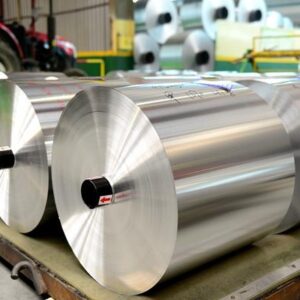

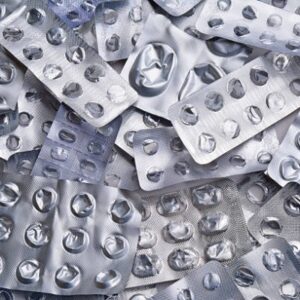
8079 Ji bo Blister Foila Aluminiumê ya PVDC ya pêgirtî

Cins:, 8079 PVDC Coated Foil
Bikaranînî:Ji bo derman û pêvekên hestiyar pakêtek blister-astengek bilind.
Customization:Stûrahî, rû, çapnivîs.
Şehadet:FDA, EMA, ISO.
Taybetmendiyên bingehîn:
- Astengiya nermî / oksîjenê ya bilind
- Formability Excellent
- mora germiya stabîl
- pinholes Low
Packaging:Rolên Jumbo.
1. Pêşkêş
8079 PVDC pelika aluminiumê ya pêçandî di pakkirina blisterê ya dermansaziyê de materyalek girîng a astengdar e.. Ew bi berfirehî ji bo pakkirina tabletan tê bikar anîn, kapsula, lêzêdekirina tenduristiyê, alavên tibî, û hilberên xwarinên bilind-end.
Bi zêdebûna daxwazên gerdûnî yên ji bo aramiya narkotîkê, jiyana refikê, û ewlehiyê, materyalên blister PVC yên kevneşopî bi gelemperî ji bo dermanên pir hesas kêm dibin. Di nav vê de hîgroskopî heye, meyla oxidation, û dermanên hestiyar ên ronahiyê, û her weha formûlasyonên ku API-yên çalak-bilind hene an jî ji bo serbestberdana domdar hatine çêkirin.
Pêdivî ye ku pakêtkirina ji bo hilberên weha taybetmendiyên astengiya bilindtir peyda bike, rêjeyên veguheztina oksîjenê û rewa pir kêm, performansa mora germê ya pêbawer, û hêza mekanîkî ya stabîl.
Li hember vê paşperdeya bazarê ye ku 8079 Foila aluminiumê ya bi PVDC ve hatî pêçandî bûye rêgezek bingehîn, materyalê pakkirina dermansaziya bilind-end. Feydeyên wê yên bingehîn ji du hêmanên sereke derdikevin:
8079 Substrate Alloy Aluminum
8079 girêdayî rêzika 8xxx alûkên aluminiumê ye, tê zanîn ji bo:
- Hejmara pinholê pir kêm
- Ductility hêja
- Performansa xêzkirina kûr a bilind
- Kapasîteya stabîltir ji bo gerandina ultra-tenik Tewra di qalindiyên bi qasî 20 μm de, ew hêza mekanîkî ya baş û taybetmendiyên astengî digire.
PVDC High-Barier Coating
PVDC (Polyvinylidene Chloride) polîmerek astengî ya bi performansa bilind e, featuring:
- Veguheztina buharê ya pir kêm
- Veguheztina oksîjenê ya pir kêm
- Berxwedana korozyona kîmyewî ya baş
- Performansa morkirina germê ya stabîlPêvekêşana PVDC dikare di pelika aluminiumê de mîkro-porên din jî veşêre., bi girîngî performansa astengiya giştî ya pakkirinê zêde dike.
Ji ber vê yekê, 8079 PVDC pelika aluminiumê ya pêçandî dikare bigihîje:
- Rêjeya Veguheztina Vaporê ya Nerm (MVTR) < 0.1 g/m²·roj
- Rêjeya Veguhastina Oxygenê (OTR) nêzîkê 0Ev bi bandor jiyana refikê ya derman dirêj dike û aramiya karîgeriyê peyda dike.
Evdem, ev materyal ji bo PTP çareseriyek girîng e (Çapemenî-Bi-Pack) pakkirina blisterê ya derman, pakkirina ji bo herêmên tropîkal, û serîlêdanên din ên pakkirina dermansaziyê yên astengdar ên bilind.
2. Analysis of 8079 Materyalên Bingehê Foil Aluminium
2.1 Pêkhatina ji 8079 Alloy Aluminum
8079 alloyek aluminiumê ji rêza 8xxx e. Ev rêz di serî de ji bo pelika ultra-tenik tê bikar anîn, pakkirina dermanan, pakkirina xwarinê, pakkirina pîlê, û materyalên pêkhatî yên bilind-asteng.
Taybetmendiya 8079 di kontrola hişk a hesinê wê de ye (Fe) ji silicon (Û) têkilî, ku performansa gerîlêdanê û domdarbûnê xweştir dike dema ku hêzê misoger dike.
Berhevoka kîmyewî
| Pêve | Rêzeya naverokê | Fonksiyona bingehîn |
|---|---|---|
| Elemyûn (Al) | ≥ 98.0% | Taybetmendiyên astengiya bingehîn peyda dike |
| Hesin (Fe) | 0.7 – 1.3% | Hêza xwe zêde dike, avahiya genim paqij dike |
| Silicon (Û) | 0.05 – 0.30% | Performansa gerîdeyê çêtir dike |
| Sifir (Cu) | ≤ 0.05% | Kontrolkirina nepakiyê |
| Çingo (Zn) | ≤ 0.10% | Kontrolkirina nepakiyê |
| Others | ≤ 0.15% | Kontrola elementa şopê |
2.2 Common Temper
Di qada pakkirina blisterê ya dermansaziyê de, 8079 hema hema bi taybetî di nav de tê bikar anîn O Temper (Annealed, Soft Temper).
Xemgîniya O dewletek bi tevahî annealkirî temsîl dike, bi nermbûna bilind ve tête diyar kirin, dirêjbûna xurt, formability baş, û berxwedana li şikestinê di dema kişandina kûr de.
Girîngiya O Temper
Pêvajoya avakirina blisterê bi zextê ve girêdayî ye, dirêjekirin, û germkirina germê. Zehmetiya pelê ya zêde dikare bibe sedema şikestinê, şikestin, pinholes, û morkirina belengaz. O Temper 8079 deformasyona stabîl diparêze, yekbûna pakêtê çêtir dike, û rêjeyên qirêj kêm dike, ku ew ji bo pakkirina dermanan germahiya standard dike.
2.3 Stûriyên hevpar
Strukturên pakkirinê yên cihêreng xwedan hewcedariyên stûrahiya cihêreng in.
Specifications Common
| Bikaranînî | Rêzeya pîvanê |
|---|---|
| Standard PTP Foil | 20 – 30 μm |
| Packaging Blister High-Barier | 25 – 30 μm |
| Foil ji bo Avhewa Tropical | 25 – 35 μm |
| Packaging Aluminium-Aluminium-Damezrandina Sar | 40 – 65 μm |
| Laminates Packaging Flexible | 6 – 20 μm |
Girîngiya Control Thickness
Pêdivî ye ku stûrbûna pelê bi domdariya zehf bilind were domandin. Guhertoya zêde ya qalindiyê dikare bibe sedema morkirina ne aram, kûrahiyan çêdibe, performansa astengî diguhere, û rijandina pakêtê. Foila dermansaziya bilind-end bi gelemperî tolerasyona stûrbûnê di nav ± 5% an ± 0.001 mm de kontrol dike da ku lihevhatina bi alavên pakkirinê yên otomatîkî yên bilez re misoger bike..
2.4 Taybetmendiyên Fîzîkî û Mekanîkî
8079 pelika aluminiumê ya dermansaz performansa giştî ya hêja pêşkêşî dike.
| Mal | Nirxa Tîpîkî | Karkirin |
|---|---|---|
| Tensile Strength | ≥ 100 – 150 MPa | Hêza pakkirinê misoger dike |
| Dirêjbûn | 3.5% – 7% | Kapasîteya kişandina kûr zêde dike |
| Density | 2.70 g/cm³ | Pakêkirina sivik çalak dike |
| Hêza teqînê | 80 – 270 Kpa | Li hemberî zexta navxweyî berxwedan |
| Pinhole Control | ≤ 1 pcs/m² | Taybetmendiyên astengiya bilind misoger dike |
| Tehmûliya Stûriyê | ± 5% | Rakirina amûran çêtir dike |
Çima ye 8079 Ji bo Foila Dermansaziyê Zêdetir Maqûl e?
Li gorî 8011, 8079 dirêjbûna bilindtir pêşkêşî dike, hejmara pinholê kêmtir, û şiyana xêzkirina kûr a bihêztir, ku ew bi berfirehî di pakkirina dermansaziya bilind-end de bêtir tê bikar anîn, pakkirina ji bo herêmên tropîkal, û pakkirina dermanên dirêj-refikê.
3. Çi ye 8079 PVDC Peldanka Aluminiumê ya pêçandî?
8079 Peldanka aluminiumê ya ku bi PVDC hatî pêçand ji bo pakkirina dermanan materyalek pêkhatî ya performansa bilind e.. Avahiya wê ji a 8079 substrata pelê aluminiumê ku bi qatek PVDC-a astenga bilind hatî nixumandin. Ev kombînasyona întegrasyonê dike astengiya ronahiya bêkêmasî ya pelika aluminiumê ya metalîkîbi astengiya oksîjen û şilbûna PVDC ya bilindtir, di encamê de materyalek pakkirinê bi taybetmendiyên astengî yên bilind pêk tê, îstîqrara bilind, û sealability germa baş.
3.1 Fonksiyona PVDC Coating
PVDC di pakijkirina dermanan de yek ji wan materyalên herî astengdar e.
(1) Astengiya Oxygenê ya Bilind
PVDC xwedan avahiyek molekularî ya hişk e, ketina oksîjenê zehmet dike. Rêjeya Veguheztina Oksîjenê ya tîpîk (OTR) e <1 cm³/(m² · 24h), bi bandor antîbiyotîkan diparêze, dermanên hormonal, û formûlasyonên hesas oxidation ji hilweşandinê.
(2) Veguheztina vaporê ya pir hindik
PVDC dikare Rêjeya Veguheztina Vapora Avê bi dest bixe (WVTR) ji <0.1 g/(m² · 24h), bi girîngî aramiya hilberên hesas ên şilbûnê yên mîna tabloyên efrîkî çêtir dike, kapsula, probiyotîk, û amadekariyên giyayî.
(3) Berxwedana Korozyona Kîmyewî
PVDC berxwedana kîmyewî ya hêja pêşkêşî dike, tolerasyona asîdên, alkalis, û solavên organîk, pêşîlêgirtina reaksiyonên di navbera materyalê pakkirinê û dermanê de.
(4) Performansa Seal Germiya Zêdekirî
PVDC hêza morkirinê çêtir dike, yekbûna mohr, û îstîqrara peel. Ew bi cûrbecûr tevnên bingehîn ên blisterê yên mîna PVC re hevaheng e, MIZDAN, PP, û Aclar.
3.2 Di Packaging de kar dike
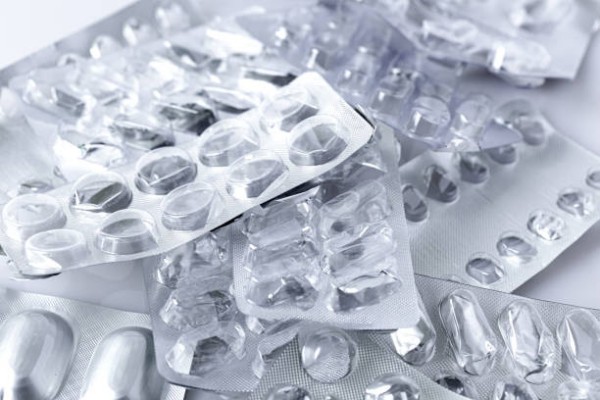
Di pakêta blister de, 8079 PVDC pelika aluminiumê ya pêçandî bi gelemperî wekî tê bikar anîn foil lidding.
Piştî pakkirinê, tebeqeya PVDC rûbirûyê hundurê blisterê dibe, ji bo astengkirina şil û oksîjenê kar dike, mora germê peyda bikin, û pêşî li hilweşandina narkotîkê bigire. Tebeqeya pelê ya aluminiumê ya derveyî dikare li ser were çap kirin, serialized, an bi taybetmendiyên dijî-qelpkirinê hatine nîşankirin da ku rêzikên dermansaziyê bicîh bînin.
3.3 Structure Tîpîk
Struktura hevpar wiha ye:
| Pel | Karkirin |
|---|---|
| Layera çapkirinê | Nîşandana nîşan û agahdariyê |
| Layer Primer | Adhesiona ink zêde dike |
| 8079 Substrate Foil Aluminium | Tebeqeya astengiya seretayî (ronahiyê asteng dike, xaz, şilî) |
| PVDC Coating | Tebeqeya astengiya bilind (oksîjenê asteng dike, şilî) |
| Heat Seal Layer | Li ser PVC an tevnên din ên bingehîn ên blisterê girtî |
Dibe ku hin hilberên bilind-end qatên pêvek ên mîna qatên dijî-qelpiyê jî hebin, tebeqeyên hêsan-peel, an qatên nîşankirina lazerê ji bo zêdekirina pêşbaziya bazarê.
4. Çima Hilbijêre 8079 PVDC Coated Blister Foil?
4.1 Taybetmendiyên Astengiya Bilind
Ev avantaja wê ya bingehîn e. Pelê aluminium bixwe ronahiyê asteng dike, xaz, û şilbûnê. Pîvana PVDC hê bêtir mîkro-porên xwe digire, kêmkirina veguhestina oksîjen û şilbûnê, gihandina astengek nêzîk-mutleq. Ev bi taybetî ji bo dermanên pir hesas minasib e, bazarên tropîkal, û dermanên ku jiyanek dirêj a rafê hewce dike.
4.2 Berxwedana Pinholê ya Hêz
Ew 8079 strûktûra gewherê xweş a alloyê, ductility stabîl, û sêwirana kêm-silicon bi bandor avakirina pinhole kêm dike. Pîvana PVDC di heman demê de dikare kêmasiyên mîkro di pelikê de jî veşêre, parastinek dualî peyda dike.
4.3 Damezrandina Deep-Draw-a hêja
O Temper 8079 foil pir maqûl e, minasib ji bo blisterên kûr-kavî, ambalaja taybet-shaped, û bi leza bilind blister çêdibe, bi bandor metirsiya şikestin û rêjeyên hilweşandinê kêm dike.
4.4 Performansa Seal Germiya Stable
PVDC xwedan rêzek germahiya germê ya berfireh e, çalakkirina germahiya nizm, leza bilind, û zexmkirina hêza bilind, çêkirina wê ji bo alavên dermansaziya nûjen a bi leza bilind xweş e.
4.5 Duristbûna Packaging Bilind
8079 foil xwedan berxwedana tirşikê û hêza mekanîkî ya baş e, destûrê dide ku ew li ber zextê bisekinin, hevketin, û di dema veguheztinê de guherbarên germahî / nermiyê, bi bandor parastina hilberê derman.
4.6 Avantaja sivik
Bikaranîna pelika aluminiumê ya pir-tenik dibe alîkar ku giraniya pakkirinê kêm bike, mesrefên barkirinê, û şopa karbonê, lihevhatina bi meylên pakkirina kesk re.
4.7 Çapkirina hêja
Parçeya pelê ya derveyî çapkirina rengîn piştgirî dike, çapkirina UV, serialization derman, û çapkirina dijî sexte, hewcedariyên pakkirina dermanên binavkirî peyda dike.
5. Pêvajoya Hilberînê ya 8079 PVDC Coated Pharmaceutical Foil
5.1 Amadekirina madeya xav
Kulîlkên aluminium-paqijiya bilind (Al ≥ 99.7%) têne bikaranîn. Naveroka Fe û Si û Fe:Rêjeya Si bi hişkî bi analîza spektroskopî ve tê kontrol kirin da ku hevgirtina performansa paşîn piştrast bike.
5.2 Pêvajoya Rolling Foil
Ev tê de:
- Hot Rolling:Ingot di destpêkê de bi qalindahiya 2-6 mm tê gêr kirin.
- Rolling Sar:Foil bêtir hûr dibe, bi kontrolkirina li ser ziravbûna rûyê, rûnê rûnê, û tengezarî.
- Biqedînin Rolling:Foil digihîje stûrahiya armanca dawîn (0.006-0,09mm / 6-90μm) bi rastbûna ku ji hêla pîvana stûrahiya tîrêjê ya serhêl ve tê kontrol kirin.
5.3 Tedawiya Annealing
Germkirin di 250–300°C de tê kirin da ku stresa gerilandinê ji holê rabike, optimîzekirina avahiya genim, û nermbûnê zêde bike, gihîþtina þaþiya O.
5.4 Dermankirina erdê
Berî kulîlka PVDC, pêdivî ye ku pel ji rûnkirinê derbas bibe, paqijî, û dermankirina korona ji bo zêdekirina enerjiya rûbera wê û girêdana pêlavê.
5.5 Pêvajoya Pêvekirina PVDC
Di serî de pêlava gravure an pêlava pêlavê ya rast bikar tîne.
| Parametre | Rêzeya tîpîk |
|---|---|
| Coating Weight | 5 – 120 g/m² |
| Specification Common | 20 – 30 g/m² |
| Kêmbûna zirav | 1 – 30 μm |
Kontrola serhêl yekdestiya xêzkirinê misoger dike.
5.6 Slitting and Packaging
Hilbera dawîn bi cûrbecûr cûrbecûr têne qut kirin (Mînak., 60-1700mm). Rolên qediyayî bi astengiya şilbûnê têne pak kirin, valahiya-morkirin, an jî desiccantan vedihewînin da ku di dema veguheztin û hilanînê de pêşî li kişandina şilbûnê bigirin.

6. Pergala Kontrola Kalîteyê
Kontrola serhêl
Pîvana qalindiyê tê de ye, kontrolkirina yekrengiya pêlavê, û tespîtkirina kêmasiyên rûkalê.
Testing Laboratory
- Taybetmendiyên Astengiyê:Testkirina WVTR û OTR.
- Taybetmendiyên Mekanîkî:Hêza tîrêjê, dirêjkirin, ceribandina hêza teqînê.
- Packaging Performance:Hêza germbûna germê, hêza peel, ceribandina adhesionê ya pêçanê.
- Testkirina Ewlekariyê:Analîzkirina solerê bermayî, naveroka metalên giran, kontrola mîkrobiolojîk.
Pêdivî ye ku hemî ceribandin bi standard û rêzikên navneteweyî yên wekî FDA re tevbigerin, EMA, ISO, û USP.
7. Deverên serîlêdanê
7.1 Pharmaceutical Blister Packaging
8079 PVDC pelika aluminiumê ya pêçandî bi giranî ji bo pakkirina blisterê ya dermansaziyê tê bikar anîn, di nav de tabletan, kapsula, antîbiyotîk, dermanên dil, û dermanên hormonal. Taybetmendiyên wê yên berbenda şilbûn û oksîjenê arîkar dike ku dermanên hesas ji xirabûna ku ji ber şilbûnê diparêze biparêze., oksîjan, û ronahiya ronahiyê.
Ev materyal bi taybetî ji bo hilberên dermanan ên ku ji bo herêmên tropîkal û şilbûna bilind ên wekî Asyaya Başûr-rojhilatê têne hinardekirin maqûl e., Rojhilata Navîn, û Afrîka. Tewra di bin şert û mercên hilanînê yên germahîya bilind û şilbûna bilind de performansa mohrkirin û astengiyê domdar diparêze..
Ji bo dermanên dirêj ên mayînde, 8079 Pîvana blisterê PVDC alîkariya kêmkirina oksîdasyonê dike, vegirtina şilbûnê, û qirêjbûn, misogerkirina aramiya narkotîkê di dema veguhastin û hilanînê de.
7.2 Packaging Food-End High-End
8079 Pîvana aluminiumê ya PVDC bi berfirehî di sepanên pakkirina xwarinên bilind ên wekî çikolata de tê bikar anîn., qehwe, penêr, û xwarinên hazir. Struktura wê ya bilind-asteng dibe alîkar ku aroma biparêze, tazebûn, û nirxa xwarinê dema ku pêşî li ketina şil û oksîdasyonê digire.
Di pakkirina qehwê de, materyal bi bandor aramiya bîhnxweş û tamê digire. Ji bo çikolata û hilberên şîr, ew dibe alîkar ku oksîdasyonê kêm bike û temenê xwe dirêj bike. Di heman demê de ew ji bo xwarinên îxracata premium ku hewceyê parastina nûjeniya demdirêj e jî maqûl e.
Li gorî pakkirina plastîk a normal, 8079 Foila PVDC performansa astengiya oksîjen û şilbûnê pir çêtir peyda dike.
7.3 Packaging Lêzêdekirina tenduristiyê
8079 Peldanka aluminiumê ya bi PVDC ji bo pêvekên tenduristiyê yên wekî rûnê masî maqûl e, probiyotîk, vîtamînan, û hilberên Omega-3. Van hilberan ji oksîjen û şilbûnê pir hesas in, ku dikare bandor û aramiya hilberê kêm bike.
Performansa astengî ya hêja ya pelika pêçandî ya PVDC dibe alîkar ku pêşî li oksîdasyon û vegirtina şilbûnê bigire., dirêjkirina jiyana refikê ya malzemeyên çalak û domandina kalîteya hilberê di dema hilanîn û veguhastinê de.
Ji bo kolagenê jî bi berfirehî tê bikar anîn, koenzîm Q10, ekstraktên giyayî, û hilberên xwarinê yên fonksiyonel ên din.
7.4 Packaging Device Medical
8079 Peldanka aluminiumê ya ku bi PVDC hatî pêçandî ji ber astengiya şilbûna wê ya hêja di pakkirina cîhaza bijîjkî de bi berfirehî tê bikar anîn., pêbaweriya morkirinê, û paqijiyê. Ew ji bo tîrêjên testê yên tespîtkirinê maqûl e, alavên tibbî, berhemên sterîl, û tespîtkirina in-vitro (IVD) packaging.
Ji bo hilberên wekî tîrêjên testa glukozê ya xwînê û testên ducaniyê, parastina şilbûnê ji bo domandina rastbûna ceribandinê krîtîk e. Struktura astengiya bilind arîkariya kêmkirina xetereyên gemariyê dike û aramiya hilanîna dirêj-dirêj baştir dike.
Performansa wê ya zexm û berxwedana qutkirinê di heman demê de alîkariya parastina hilberên bijîjkî di dema veguheztin û hilgirtinê de dike.
8. Berawirdkirina 8079 bi Materyalên Din
| Liq | Mal / Rû | Dirêjbûn | Hejmara Pinhole | Performansa Deep-Draw | Astengiya Oksîjenê | Astengiya şilbûnê | Heat Sealability | Suitability / Taybetmendiyên sereke | Nirx |
|---|---|---|---|---|---|---|---|---|---|
| Aluminum Foil Alloy | 8079 Foil | Bilindtir | Kêmkirin | Pirrbidilî | Pirrbidilî | Pirrbidilî | Pirrbidilî | Lihevhatina bihêztir ji bo pakkirina dermansaziya astengiya bilind | Hinekî Bilindtir |
| Aluminum Foil Alloy | 8011 Foil | Rêzan | Navoser | Baş | Baş | Baş | Baş | Serîlêdanên pakkirina blisterê yên dermansaz ên standard | Kêmkirin |
| Material Coating | PVDC | - | - | - | Pirrbidilî | Pirrbidilî | Pirrbidilî | Performansa giştî ya çêtirîn, sereke ji bo pakkirina derman-astengek bilind | Navîn-Bilind |
| Material Coating | EVOH | - | - | - | Pirrbidilî | Belengaz | Adîl | Astengiya oksîjenê ya bilind, lê ji nemê re hesas e | Medya |
| Material Coating | Acrylic | - | - | - | Baş | Baş | Baş | Performansa asteng û morkirina hevseng | Medya |
| Material Coating | PE | - | - | - | Adîl | Baş | Pirrbidilî | Performansa astengiya gelemperî bi kapasîteya morkirina hêja | Nizm |
9. Çima Hilbijêre 8079 PVDC Peldanka Aluminiumê ya pêçandî?
Avantajên bingehîn li jêr têne kurt kirin:
- Astengiya Bilind:Ji bo dermanên pir hesas maqûl e.
- Hejmara Pinholê ya Jêrîn:Ewlekariya pakkirinê çêtir dike.
- More Stable Heat Seal:Bi amûrên otomatîkî yên bi leza bilind re hevaheng e.
- Jiyana Refê dirêjtir:Ji bo 2-5 salan hilanîna stabîl dike.
- Performansa Pêvajoya Hêzdar:Ji bo xêzkirina kûr maqûl e, bilind-speed blistering, û hilberîna otomatîk.
10. Xelasî
8079 Pelgeya aluminiumê ya ku bi PVDC hatî pêçand di pakkirina blistera dermansaziya bilind a heyî de materyalek bingehîn e.. Têkelbûna ji performansa bilind 8079 foil aluminiumû a PVDC pêlava astengiya bilindtaybetmendiyên astengiya ultra-bilind peyda dike, hejmarên pinholê pir kêm, morkirina stabîl, û performansa xêzkirina kûr a hêja. Ew bi bandor hewcedariyên pîşesaziya dermansaziya nûjen a hişk a ji bo aramiya dermanê pêk tîne, jiyana refikê dirêj, û pakkirina astengiya bilind.
Li pêş digere, her ku standardên pakkirina dermanên gerdûnî zêde dibin û hejmara formulasyonên pir hesas mezin dibe, daxwaza bazarê ji bo 8079 Tê payîn ku pelika aluminiumê ya dermansaziya PVDC berfirehtir bibe.
FAQ
Q1: PVDC çi ye?
YEK: PVDC Polyvinylidene Chloride ye, polîmerek bilind-astengek bi astengiya şilbûnê ya hêja, astengiya oksîjenê, û taybetmendiyên berxwedana kîmyewî, bi berfirehî di sepanên pakkirinê yên daxwazkirî de tê bikar anîn.
Q2: Çima ye 8079 alloyek minasib ji bo foila dermansaziyê?
YEK: Bo 8079 alloy ductility bilind pêşkêşî dike, hejmara pinhole kêm, û performansa xêzkirina kûr a hêja, ku ew bi taybetî ji bo hilberîna pir-tenik maqûl dike, pelikên tevlihev ên ku di pakkirina dermanan de hewce ne.
Q3: Pîvana PVDC çawa performansa astengiyê zêde dike?
YEK: Pîvana PVDC pêçikên mîkroskopî yên ku di pelika aluminiumê de bixwe de ne vedigire., hê bêtir rêjeya veguheztina hem buhara şil û hem jî oksîjenê kêm dike, bi vî rengî yekbûna astengiya giştî ya pakkirinê zêde dike.
Q4: E 8079 PVDC foila dermansaziyê ewledar e?
YEK: Erê. Hilberîn û kontrolkirina kalîteya wê divê bi rêzikname û standardên navneteweyî yên pakkirina derman û xwarinê yên wekî FDA re tevbigere., EMA, û USP, misogerkirina ewlehiya wê.
Q5: Kanîn 8079 foil were çap kirin?
YEK: Erê. Parçeya pelê ya derveyî pêvajoyên çapkirinê yên cihêreng, tevî çapkirina rengîn piştgirî dike, çapkirina UV, çapkirina dijî sexte, û serialization, hewcedariyên etîketkirin û nîşankirina agahiyê ya pakkirina dermansaziya nûjen peyda dike.


