
Aliuminio folija konteineriams – lydinys, Nuotaika, Storis & Formuojamumas
Talpyklos aliuminio folija plačiai naudojamas maisto pakuotėse, maitinimo programos, patiekalų gamyba, ir komercinės kepimo linijos dėl išskirtinio formavimo, barjerines savybes, ir vienoda storio kontrolė.

Lydinio pasirinkimo vaidmens supratimas
Lydinio pasirinkimas lemia stiprumą, pailgėjimas, atsparumas skylėms, ir gilus našumas. Konteinerių pramonėje, 3003, 3004, 8011, ir 8006 yra dominuojantys lydiniai, nes išlaiko puikų mechaninį stabilumą po štampavimo ir kepimo.
Lentelė 1. Įprastų lydinių, skirtų konteineriams, palyginimas
| Turtas / Lydinys | 3003 | 3004 | 8011 | 8006 |
|---|---|---|---|---|
| Tipiškas stiprumas | Vidutinis | Aukštas | Vidutinis | Aukštas |
| Pailgėjimas (Formuojamumas) | Puikiai | Gerai | Labai geras | Puikiai |
| Atsparumas karščiui stabilumas | Labai geras | Puikiai | Gerai | Labai geras |
| Pageidautina Deep-Draw | Taip | Taip | Vidutinis | Taip |
| Atsparumas korozijai | Aukštas | Aukštas | Labai aukštas | Aukštas |
Interpretacija:
- 3003/8006 dėl didesnio pailgėjimo idealiai tinka sudėtingų formų konteineriams.
- 3004 geriausiai tinka storesnėms, didelio stiprumo pramoniniai padėklai.
- 8011 tinka ekonomiškiems vienkartiniams konteineriams.
Grūdinimo parinktys ir jų apdorojimo pranašumai
Paprastai tiekiama aliuminio folija konteineriams O, H22, ir H24 temperamentai:
- O nuotaika: Visiškai atkaitinta, maksimalus pailgėjimas giluminiam tempimui
- H22/H24: Iš dalies sukietėjęs, didesnis tvirtumas seklioms talpykloms ir dangčiams
Kodėl svarbu nuotaika:
Štampavimo procesas sukuria didelę įtampą. Jei nuotaika per kieta, folija gali įtrūkti; per minkštas, ir forma gali subyrėti veikiant apkrovai.
Storio diapazonai ir atitinkami pritaikymai
Lentelė 2. Įprasto storio pasirinkimas skirtingiems konteinerių tipams
| Konteinerio tipas | Rekomenduojamas storis | Priežastis |
|---|---|---|
| Buitinė maisto dėžutė | 0.035–0,055 mm | Lengvas formavimas & lengvas |
| Oro linijų maisto konteineris | 0.055–0,090 mm | Atlaiko šildymą & transporto |
| Pramoninės kepimo skardos | 0.090–0,120 mm | Didelis standumas & šilumos apkrova |
| Dėžutės išsinešimui | 0.060–0,080 mm | Sąnaudų ir jėgos balansas |
| Gyvūnų maisto konteineris | 0.070–0,100 mm | Reikia gilaus tempimo stabilumo |
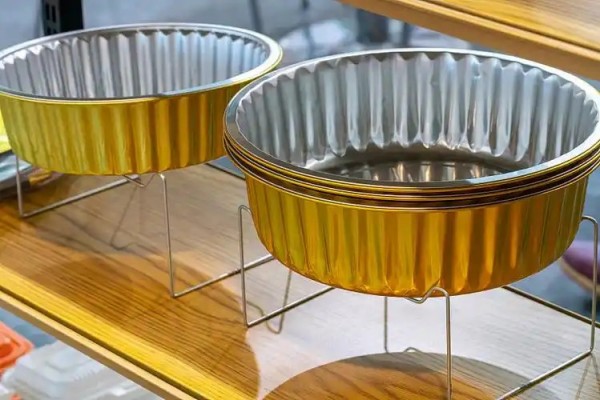
Formuojamumas: Konteinerių gamybos pagrindas
Talpyklų gamintojai reikalauja folijos, kuri gali atlaikyti:
- Daugiapakopis giluminis piešimas
- Kraštų garbanojimas
- Ribavimas ir įspaudimas
- Didelės spartos štampavimas (iki 200–350 padėklų/min)
Pagrindiniai veiksniai, turintys įtakos formavimui:
- Lydinio kompozicija (Mn stiprinimas 3003 pagerina lankstumą)
- Temperatūros tikslumas
- Grūdų struktūros vienalytiškumas
- Paviršiaus švara
- Smeigtuko valdymas
Vienoda grūdėtumo struktūra užtikrina, kad folija sklandžiai tempiasi giluminio formavimo metu ir neplyšta.
Realaus pasaulio pavyzdys: Deep-Draw Airline Meal Box
Vidutinio dydžio oro linijų bendrovei, teikiančiai maitinimą, reikėjo a 0.08 mm giliai ištraukiama oro linijų maisto dėžutė galintis atlaikyti tiek:
- -40°C šaldymo laikymas
- 250°C pakaitinimo ciklai
Geriausias sprendimas buvo pasirinktas kaip:
- Lydinys: 3003
- Nuotaika: O
- Storis: 0.08 mm
- Tepimas: Lengva alyva greitam formavimui
Galutiniai konteineriai pasiekti a 12% krekingo greičio sumažinimas ir 18% patobulinta formavimo konsistencija palyginti su ankstesniais 8011 H24 folija.
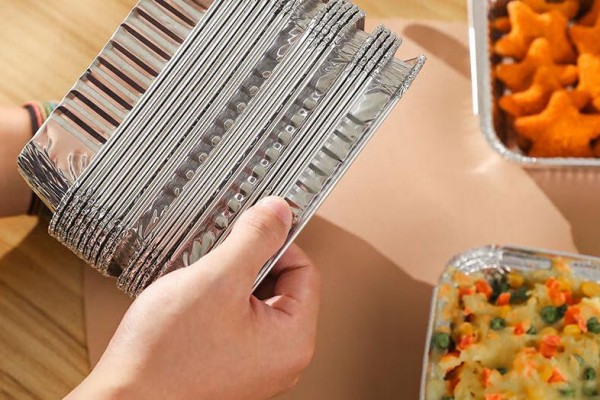
„Eco Alum Co.“, Ltd – didelio stabilumo folija konteinerių gamintojams
„Eco Alum Co.“, Ltd yra vienas iš pripažintų tiekėjų, besispecializuojančių konteinerių aliuminio folijoje. Su griežta kontrole atkaitinimo ciklai, paviršiaus švara, ir skylučių tankis, įmonė užmezgė ilgalaikes tiekimo partnerystes su konteinerių gamyklomis Šiaurės Amerikoje, Europa, ir Pietryčių Azijoje.
Sėkmingo atvejo akcentas
Europos vienkartinių konteinerių gamintojas susidūrė su dideliu atmetimo rodikliu (beveik 6%) dėl nenuoseklaus pailgėjimo 8011 folija iš ankstesnių tiekėjų. Perėjus į „Eco Alum Co.“, Ltd 3003-O folija, atmetimo procentas nukrito žemiau 1%, ir klientas išplėtė savo gamybos linijas naudodamas tą pačią specifikaciją.
Grūdelių dydžio nuoseklumas ir mechaninės savybės tiesiogiai prisidėjo prie produktyvumo pagerėjimo, patvirtinant Eco Alum proceso stabilumą.
Kokybės kontrolė: Ką pirkėjai turėtų patikrinti
Vertinant konteinerio aliuminio folija, pirkėjai turėtų sutelkti dėmesį į:
- Tempimo stiprumas & pailgėjimo duomenys
- Storio tolerancija (±3–5 %)
- Smeigtukų skaičius vienam m²
- Paviršiaus alyvos lygis & švara
- Atkaitinimo vienodumas
- Štampavimo linijų pločio tikslumas
Folijos kokybė tiesiogiai lemia konteinerio formavimo greitį ir defektų dažnį.
Dažnai užduodami klausimai (DUK)
1. Kuris lydinys geriausiai tinka giliosios traukos konteinerių gamybai?
3003 ir 8006 paprastai yra geriausi dėl didesnio pailgėjimo ir stabilaus formavimo.
2. Koks storis dažniausiai naudojamas buitiniams indams?
Dažniausiai naudojamos buitinės pakuotės 0.035–0,055 mm, priklausomai nuo standumo reikalavimų.
3. Ar aliuminio folijos indus galima naudoti tiek šaldymui, tiek kepimui?
Taip. Visi pagrindiniai konteinerių lydiniai (3003/3004/8011/8006) gali atlaikyti –40°C iki 250°C temperatūros.
4. Kodėl kai kurios folijos sutrūkinėja formuojant?
Dažniausios priežastys yra nepakankamas atkaitinimas, prastas pailgėjimas, per didelis kietumas, arba nenuosekli grūdų struktūra.
5. Ar paviršiaus alyva turi įtakos formavimuisi?
Taip. Tam reikalingas tinkamas tepimas greitasis štampavimas, o per didelis aliejaus kiekis gali turėti įtakos atitikčiai sąlyčiui su maistu.
Išvada
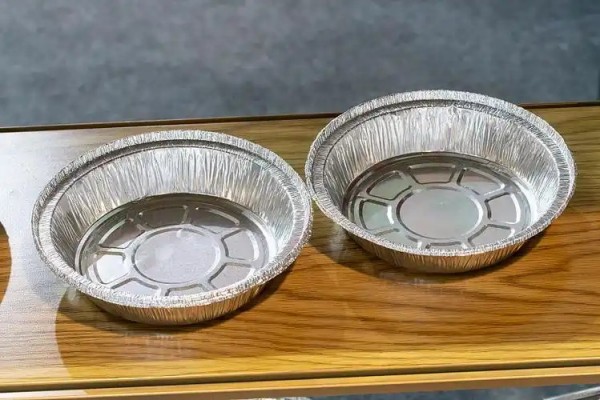
Renkantis tinkamą konteinerio aliuminio folija apima balansavimo lydinį, nuotaika, ir storis pagal taikymo reikalavimus. Tinkamos specifikacijos žymiai pagerina formavimo stabilumą, štampavimo efektyvumas, ir galutinio naudojimo našumą. Patikimi tiekėjai, tokie kaip „Eco Alum Co.“, Ltd užtikrinti pastovias mechanines savybes ir paviršiaus kokybę, padėti gamintojams išlaikyti didelę našumą ir mažą defektų skaičių.