
Савны хөнгөн цагаан тугалган цаас - хайлш, Ааш зан, Зузаан & Тэтгэгч
Хөнгөн цагаан тугалган цаас хүнсний савлагаанд өргөн хэрэглэгддэг, нийтийн хоолны програмууд, хоол бэлтгэх үйлдвэрлэл, болон арилжааны жигд шугам улмаас түүний онцгой хэлбэржүүлэх, Саад бэрхшээлийн шинж чанарууд, мөн жигд зузааныг хянах.

Хайлш сонгох үүргийг ойлгох
Хайлшийн сонголт нь хүчийг тодорхойлдог, хугацаа / хангамж, нүхний эсэргүүцэл, болон гүн зурах гүйцэтгэл. Контейнер үйлдвэрлэлийн салбарт, 3003, 3004, 8011, болон 8006 дардас болон жигнэсний дараа маш сайн механик тогтворжилтыг хадгалж байдаг тул зонхилох хайлш юм.
Ширээ 1. Савны хэрэглээний нийтлэг хайлшийн харьцуулалт
| Өмч / Хайлш | 3003 | 3004 | 8011 | 8006 |
|---|---|---|---|---|
| Ердийн хүч чадал | Дунд | Өндөр | Дунд | Өндөр |
| Сунгах (Тэтгэгч) | Маш сайн | Сайн байна | Маш сайн | Маш сайн |
| Дулаан эсэргүүцэх тогтвортой байдал | Маш сайн | Маш сайн | Сайн байна | Маш сайн |
| Deep-Draw-д илүү тохиромжтой | Мон | Мон | Тэвчээртэй | Мон |
| Зэврэлтээс хамгаалах эсэргүүцэл | Өндөр | Өндөр | Маш өндөр | Өндөр |
Аман бүлэг:
- 3003/8006 өндөр сунадаг тул нарийн төвөгтэй савны хэлбэрт тохиромжтой.
- 3004 зузаан нь хамгийн сайн ажилладаг, өндөр бат бэх үйлдвэрлэлийн тавиурууд.
- 8011 зардал мэдрэмтгий нэг удаагийн саванд тохиромжтой.
Температурын сонголтууд ба тэдгээрийн боловсруулалтын давуу талууд
Савны хөнгөн цагаан тугалган цаасыг ихэвчлэн нийлүүлдэг О, H22, болон H24 ааштай:
- O өвчтэй: Бүрэн халсан, гүн зурахад хамгийн их суналт
- H22/H24: Хэсэгчилсэн хатуурсан, гүехэн сав, таглааны хувьд илүү өндөр бат бэх
Ааш зан яагаад чухал вэ:
Тамгалах үйл явц нь өндөр ачаалал үүсгэдэг. Хэрэв уур нь хэтэрхий хатуу байвал, тугалган цаас хагарч магадгүй; хэтэрхий зөөлөн, мөн ачааллын дор хэлбэр нь нурж болно.
Зузаан хүрээ ба холбогдох хэрэглээ
Ширээ 2. Төрөл бүрийн савны зузааны ердийн сонголт
| Савны төрөл | ЗОРИУЛЖ БАЙНА | Шалтгаан |
|---|---|---|
| Гэр ахуйн хүнсний хайрцаг | 0.035-0.055 мм | Хялбар хэлбэр & эл хөнгөн жинтэй |
| Агаарын тээврийн компанийн хоолны сав | 0.055-0.090 мм | Халаалтыг тэсвэрлэдэг & тээвэр |
| Аж үйлдвэрийн жигд тавиур | 0.090-0.120 мм | Өндөр хатуу байдал & дулааны ачаалал |
| Хүргэлтийн хайрцагнууд | 0.060-0.080 мм | Зардал ба хүч чадлын тэнцвэр |
| Амьтны тэжээлийн сав | 0.070-0.100 мм | Гүнзгий зурах тогтвортой байдлыг шаарддаг |
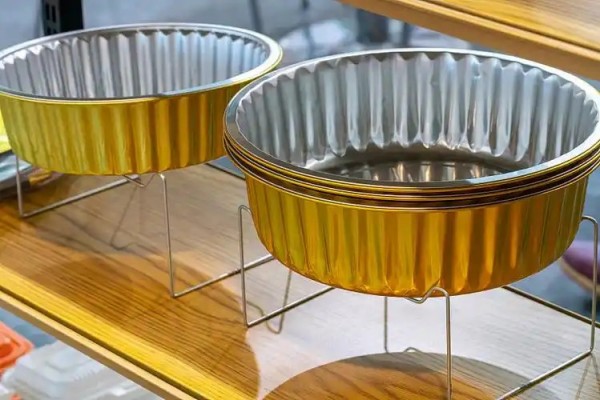
Тэтгэгч: Контейнер үйлдвэрлэлийн гол цөм
Сав үйлдвэрлэгчид тэсвэрлэх чадвартай тугалган цаасыг шаарддаг:
- Олон үе шаттай гүн зурах
- Ирмэг муруйлт
- Хавирга, товойлгох
- Өндөр хурдны тамга (200-350 тавиур / мин хүртэл)
Хэлбэлзэхэд нөлөөлдөг гол хүчин зүйлүүд:
- Clloy найраг (Mn бэхжүүлэх нь 3003 Үрэлвчийг сайжруулдаг)
- Температурын нарийвчлал
- Тарианы бүтцийн нэгэн төрлийн байдал
- Гадаргуугийн цэвэр байдал
- Нүхний хяналт
Нэг төрлийн ширхэгтэй бүтэц нь тугалган цаасыг урахгүйгээр гүн хэлбэржүүлэх явцад жигд сунадаг.
Бодит ертөнцийн жишээ: Deep-Draw Airline Meal Box
Дунд оврын агаарын тээврийн компанид хэрэгцээтэй байна 0.08 мм-ийн гүнтэй агаарын тээврийн хүнсний хайрцаг хоёуланг нь тэсвэрлэх чадвартай:
- -40°C хөлдөөсөн хадгалалт
- 250°C дахин халаах циклүүд
гэж хамгийн сайн шийдлийг сонгосон:
- Хайлш: 3003
- Ааш зан: О
- Зузаан: 0.08 мм
- Тосчин: Өндөр хурдтай хэлбэржүүлэх зориулалттай хөнгөн тос
Эцсийн савнууд нь a 12% хагарлын хурдыг бууруулах болон 18% бүрдүүлэх тууштай байдал сайжирсан өмнөхтэй харьцуулахад 8011 H24 тугалган цаас.
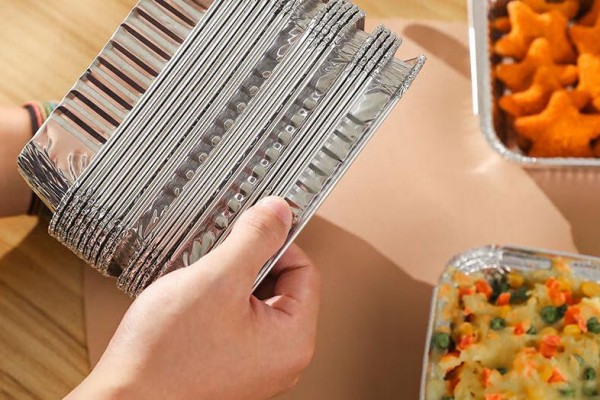
ECO ALUM CO., Ltd – Контейнер үйлдвэрлэгчдэд зориулсан өндөр тогтвортой тугалган цаас
ECO ALUM CO., Ltd нь чингэлэг хөнгөн цагаан тугалган цаасаар мэргэшсэн хүлээн зөвшөөрөгдсөн нийлүүлэгчдийн нэг юм. хатуу хяналттайгаар хатаах циклүүд, гадаргуугийн цэвэр байдал, болон хаван нягтрал, Тус компани нь Хойд Америк дахь чингэлэгийн үйлдвэрүүдтэй урт хугацааны нийлүүлэлтийн түншлэл байгуулсан, Европ, болон Зүүн өмнөд Ази.
Амжилттай тохиолдсон тохиолдлыг онцлох
Европын нэг удаагийн сав үйлдвэрлэгч өндөр татгалзалтай тулгарсан (бараг 6%) дотор тогтворгүй суналтын улмаас 8011 өмнөх нийлүүлэгчдээс тугалган цаас. руу шилжсэний дараа ECO ALUM CO., Ltd-ийн 3003-O тугалган цаас, татгалзсан түвшин доогуур буурсан 1%, мөн хэрэглэгч ижил үзүүлэлтийг ашиглан үйлдвэрлэлийн шугамаа өргөжүүлсэн.
Үр тарианы хэмжээ, механик шинж чанарын тогтвортой байдал нь бүтээмжийг сайжруулахад шууд нөлөөлсөн, Eco Alum-ийн үйл явцын тогтвортой байдлыг баталгаажуулах.
Чанарын шалгалт: Худалдан авагчид юу шалгах ёстой вэ
Үнэлгээ хийх үед Хөнгөн цагаан тугалган цаас, худалдан авагчид анхаарлаа хандуулах хэрэгтэй:
- Суналтын хүч & сунгах өгөгдөл
- Зузаан хүлцэл (±3–5%)
- м² тутамд нүхний тоо
- Гадаргуугийн тосны түвшин & цэвэр байдал
- Хагарлын жигд байдал
- Тамгалах шугамын өргөний нарийвчлал
Тугалган цаасны чанар нь сав үүсгэх хурд болон согогийн хэмжээг шууд тодорхойлдог.
Түгээмэл асуултууд (Түгээмэл асуултууд)
1. Гүнзгий сав үйлдвэрлэхэд аль хайлш хамгийн тохиромжтой вэ??
3003 болон 8006 нь өндөр суналт, тогтвортой хэлбэрждэг тул ерөнхийдөө хамгийн шилдэг нь юм.
2. Өрхийн саванд ямар зузааныг ихэвчлэн ашигладаг?
Ихэнх ахуйн хэрэглээний сав баглаа боодол 0.035-0.055 мм, хөшүүн байдлын шаардлагаас хамаарна.
3. Хөнгөн цагаан тугалган савыг хөлдөөх, жигнэх зэрэгт ашиглаж болох уу?
Мон. Бүх гол савны хайлш (3003/3004/8011/8006) тэсвэрлэж чадна -40 хэмээс 250 хэм хүртэл температур.
4. Зарим тугалган цаасыг хэлбэржүүлэх явцад яагаад хагардаг вэ??
Нийтлэг шалтгаанууд нь дутуу дусаах явдал юм, муу суналт, хэт хатуулаг, эсвэл тогтворгүй үр тарианы бүтэц.
5. Гадаргуугийн тос үүсэхэд нөлөөлдөг үү?
Мон. Зөв тосолгооны материал шаардлагатай өндөр хурдны тамга, харин хэт өндөр тосны түвшин хоол хүнстэй харьцах дүрэмд нөлөөлж болзошгүй.
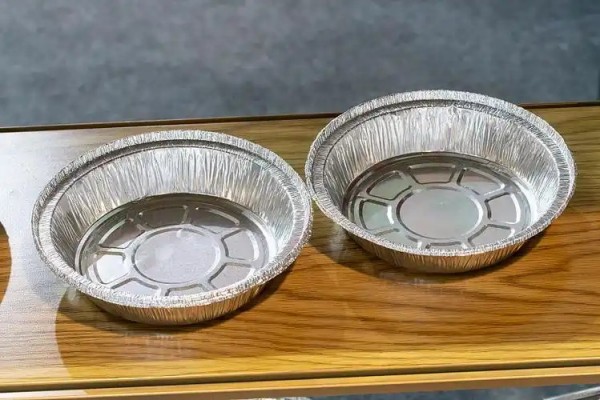
Дүгнэлт
Зөвийг сонгох Хөнгөн цагаан тугалган цаас тэнцвэржүүлэх хайлш багтана, ааш зан, хэрэглээний шаардлагын дагуу зузаан. Зөв тодорхойлолт нь хэлбэржилтийн тогтвортой байдлыг ихээхэн сайжруулдаг, тамгалах үр ашиг, болон эцсийн хэрэглээний гүйцэтгэл. зэрэг найдвартай ханган нийлүүлэгчид ECO ALUM CO., Ltd механик шинж чанар, гадаргуугийн чанарыг тогтвортой байлгах, үйлдвэрлэгчдэд өндөр гарц, бага согогтой байлгахад тусалдаг.