
Хүнсний чанартай бүрсэн хөнгөн цагаан тугалган цаасыг үнэхээр халааж, буцалгахад тэсвэртэй болгодог зүйл?
Тендерт дуртай үедээ, идэхэд бэлэн шарсан гахайн махан таваг эсвэл амтат урьдчилан хийсэн Будда хана дээгүүр үсэрч байна, Сав баглаа боодлын уут удаан хугацаанд тэсвэрлэсний дараа хэрхэн бат бөх, битүүмжлэгдсэн хэвээр байдгийг та бодож үзсэн үү? “саун” 120 хэмээс дээш өндөр температурт ууранд хэдэн цагийн турш байлгана?
Оноо, Бид хүнсний хадгалалт, аюулгүй байдлыг хангах үндсэн материал руу гүн гүнзгий шумбах болно-хүнсний зориулалттай бүрсэн хөнгөн цагаан тугалган цаас. Энэ нь хэрхэн тэсвэрлэхийг бид олж мэдэх болно “Туун” өндөр температурт туршилт хийх, өндөр даралтын retorts ба үүнийг хэрхэн илүү хүчтэй болгох талаар судлах.
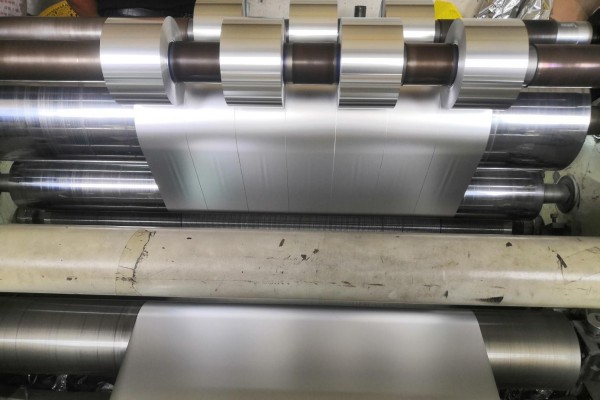
1. The “Эрүүдэн шүүх танхим” Өндөр температурт тэсвэртэй савлагааны
Урьдчилан бэлтгэсэн хоол, идэхэд бэлэн шөл, болон савласан махны зууш бидний хоолны ширээг шүүрдэж байна. Тэдний урт удаан хадгалагдах, аюулгүй байдлын түлхүүр нь эдгээрт оршдог “өндөр температурт реторт ариутгал” боловсруулах. Сав баглаа боодлын материал нь 120℃–135℃ ханасан ууранд хатуу ширүүн нөхцөлд тэсвэртэй байх ёстой. 30 руу 60 минут.
Хамгийн тохиромжтой нь сарнай юм, гэхдээ бодит байдал ихэвчлэн “задарч унадаг”:
- Гоо зүйн дутагдал: Гадаргуугийн бүрээс нь бөмбөлөг үүсгэдэг, цагаан болж хувирдаг, өнгө алддаг, эсвэл бүр хэсэг хэсгээрээ ховхордог.
- Бүтцийн гэмтэл: Олон давхаргат нийлмэл сав баглаа боодлын материалын давхаргын хооронд деламинац үүсдэг, саад тотгорын үйл ажиллагааг бүрэн алдагдуулж байна.
- Аюулгүй байдлын аюул: Бүрхүүлийн бүрэлдэхүүн хэсгүүд нь өндөр температурт хоол хүнс рүү шилжиж болно.
Энэ бүхний үндсэн шалтгаан нь хавсарсан халдлага юм дулаан, чийг, болон дарамт. Бид сав баглаа боодлын хөнгөн цагаан тугалган цаасыг хэрхэн сонгох эсвэл үйлдвэрлэх вэ? “оролдсон бөгөөд үнэн”? Туршилтын системчилсэн багц хариултыг илчилсэн.
2. Туршилтын ойлголт: The “Тэсвэр тэвчээрийн дуэл” гурван хөнгөн цагаан тугалган цаас
Бид зах зээлээс хүнсний зориулалттай бүрсэн хөнгөн цагаан тугалган цаасны гурван дээжийг сонгож, загварчилсан үйлдвэрлэлийн нөхцөлд өрсөлдөхийг санал болгов..
Ширээ 1: Гуравын профайл “Өрсөлдөгчид”
| Өрсөлдөгчийн код | Тугалган цаас (Хайлш / Зузаан) | Гадаргууг бүрэх төрөл | Нийлмэл процесс | Гол шинж чанарууд |
|---|---|---|---|---|
| Өрсөлдөгч А (Уламжлалт үзэлтэн). | 8011 / 0.06 мм | Усан дээр суурилсан полиуретан (ПУ) | Уусгагч дээр суурилсан хуурай ламинаци | Доогдох зардал, уламжлалт үйл явцыг илэрхийлдэг |
| Өрсөлдөгч Б (Дээд зэрэглэлийн). | 3003 / 0.08 мм | Политеттрафлуорлетилен (Ptfe) | Уусгагчгүй ламинаци | Өндөр гүйцэтгэлтэй, халуунд тэсвэртэй материал, дэвшилтэт процесс |
| Өрсөлдөгч Ц (Шинэчлэгч). | 8011 / 0.07 мм | Усан дээр суурилсан акрилат | Уусгагчгүй ламинаци | Гүйцэтгэл болон зардлыг тэнцвэржүүлэх шийдэл сайжирсан |
Үнэлгээний шалгуур: Тэднийг 121 хэмийн retort нөхцөлд байрлуулсан (Стандарт) ба 135 ℃ (хэт өндөр температур) төлөө “тэсвэр тэвчээрийн туршилт,” дараа нь дөрвөн үндсэн үзүүлэлтийг шалгах: Гадаад төрх, холболтын хүч, бүрэх наалдац, аюулгүй байдал (шилжилт хөдөлгөөн).
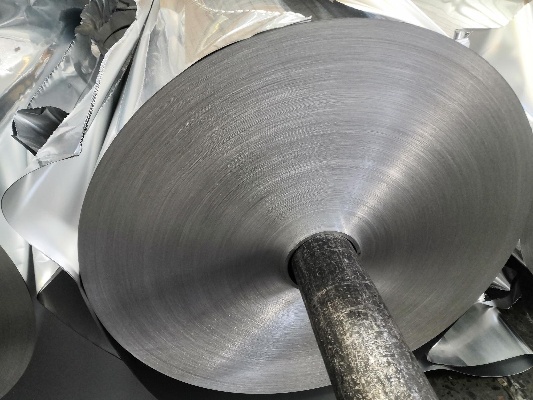
3. Үр дүн гарлаа: Халуун дор хэн ганхав?
1. Гадаад төрх “Шалгалт”: Харагдахуйц тодорхой цоорхой
Гадаад төрх нь чанарыг хамгаалах эхний шугам юм. Хариу хэлсний дараа, гурван өрсөлдөгчийн гүйцэтгэл тэс өөр байв:
Ширээ 2: “Нүүр” Өндөр температурт буцаалтын дараах асуудлууд
| Үлгэр жишээ | Хариулах нөхцөл | Гадаад үзэмжийн үнэлгээ | Тодорхой ажиглалтууд |
|---|---|---|---|
| Аг (Уламжлалт үзэлтэн). | 121Ий, 30 минут | Амжилтгүй. | Бүрхүүл нь хөөсөрч, бага зэрэг хальсалсан, ашиглах боломжгүй |
| Б (Дээд зэрэглэлийн). | 135Ий, 30 минут | Сайн байна. | Зөвхөн бага зэрэг өнгө өөрчлөгдсөн, хөөсөрч, хальслахгүй, тогтвортой гүйцэтгэл |
| Со (Шинэчлэгч). | 121Ий, 30 минут | Маш сайн. | Шинэ юм шиг сайхан |
| Со (Шинэчлэгч). | 135Ий, 60 минут | Амжилтгүй. | Бөмбөлөг болон орон нутгийн хальслах тохиолдол гарсан |
Дүгнэлт Нэг: Бүрхүүлгийн материал нь тулгын чулуу юм “нүүрний төсөл.” Ptfe (Өрсөлдөгч Б), угаасаа хэт өндөр халуунд тэсвэртэй (260 хэмээс дээш температурыг удаан хугацаанд тэсвэрлэх чадвартай), хэт өндөр температурын сорилтыг амархан зохицуулдаг. Энгийн усан суурьтай бүрээс, Гэсэн хэдий ч, “дулааныг авч чадахгүй” эрс тэс нөхцөлд.
2. Бондын хүч “Татах тест”: Хэн бэ “Бүтцийн магистр”?
Сав баглаа боодлын давхарга болон давхаргын хоорондох наалдамхай холболтын хэмжээг тодорхойлохын тулд бид хальслах бат бэхийн өгөгдлийг ашигласан “хүчийг хадгалах түвшин” бат бөх чанарыг үнэлэх.
- Өрсөлдөгч Б (Дээд зэрэглэлийн): 121 ℃ ретортын дараа, холбоосын бат бэх хадгалалт зэрэг өндөр байсан 87.9%; 135℃-ийн хатуу туршилтын дор ч гэсэн, хадгалсан 74.1%, тэнцэхэд ойртож байна, үнэхээр а “тогтвортой байдлын тулгуур.”
- Өрсөлдөгч Ц (Шинэчлэгч): Стандарт 121 ℃ нөхцөлд маш сайн гүйцэтгэлтэй (85.7% хадгалах), гэхдээ 135℃ хэт өндөр температурт нэг удаа, хадгалах хувь нь огцом буурсан 57.1%, бүтцийн найдвартай байдлыг эрс бууруулдаг.
- Өрсөлдөгч А (Уламжлалт үзэлтэн): 121 хэмд, бондын бат бэхийг хадгалах нь аль хэдийн унасан 46.9%, Энэ нь давталтын үед савлагааны бүтэц бараг л бүтэлгүйтсэн гэсэн үг юм.
Дүгнэлт Хоёр: Наалдамхай болон нийлмэл процессыг тодорхойлно “араг яс” савлагааны бат бөх байдал.The уусгагчгүй ламинацийн процессӨрсөлдөгч В ба С ашигладаг, тай 100% эдгэрсэн, үлдэгдэлгүй цавуу, нягт, бат бөх наалдамхай давхарга үүсгэдэг бөгөөд дулаан, чийгийн хөгшрөлтийг эсэргүүцэх чадвар нь уусгагч дээр суурилсан уламжлалт процессоос хамаагүй давж гардаг. (Өрсөлдөгч А).
3. Аюулгүй байдал “Эцсийн шалгалт”: Ямар нэгэн хортой бодис хийсэн “Зугтах”?
Туршилтууд үүнийг харуулсан Өрсөлдөгч В ба С, уусгагчгүй ламинацийн процессыг ашигласан, Хүнсний симулант дахь хортой бодисын шилжилтийн түвшин маш бага байсан, үндэсний стандартад бүрэн нийцсэн. Өрсөлдөгч А, уламжлалт уусгагч дээр суурилсан процессыг ашигласан, уусгагчийн үлдэгдэл илэрсэн. Энэ нь дахин нотолж байна уусгагчгүй процесс нь уусгагчийн шилжилтийн эрсдлийг эх үүсвэрээс нь арилгах, хүнсний аюулгүй байдлыг хангах шилдэг сонголт юм..
4. Ялалтын томъёо: Хэрхэн үүсгэх “Хариулах баталгаа” Сав баглаа боодлын тугалган цаас?
Бүх тестийг нэгтгэж байна, өндөр температурт эсэргүүцэх чадварт нөлөөлөх гол хүчин зүйлсийг дараах байдлаар ангилна:
Ширээ 3: Дөрөв “Тоглоомын өөрчлөлтүүд” Эсэргүүцлийн эсрэг
| Зэрэглэл | Гол хүчин зүйл | Үндсэн нөлөө | Хэрхэн ялах вэ? |
|---|---|---|---|
| 1. | Coating Material. | Өндөр температурт хөгшрөлтөөс хамгаалах эхний бөгөөд хамгийн чухал шугам. | Хэт өндөр температурын хувилбаруудын хувьд (≥135℃), PTFE гэх мэт халуунд тэсвэртэй тусгай бүрээс нь зайлшгүй шаардлагатай. |
| 2. | Наалдамхай & Нийлмэл процесс. | Олон давхаргат бүтэц нь халуунд нэгдсэн хэвээр байгаа эсэхийг тодорхойлно, чийглэг орчин. | Бүрэн үрчлэх уусгагчгүй цоолборлох үйл явц-тай хослуулсан реторт зэрэглэлийн тусгай цавуу. |
| 3. | Тугалган цаас. | Суурь дэмжлэг үзүүлдэг, ерөнхий дулааны хэв гажилтыг багасгах. | Хүчтэй хувилбаруудын хувьд, илүү зузаан, эт амьд 3003 хайлшилүүд үздэг. |
| 4. | Процессын нарийвчлал. | Хамгийн сайн материал хүртэл буруу боловсруулсан тохиолдолд бүтэлгүйтдэг. | Цавууны хэрэглээний жигд байдлыг хатуу хянаж, хангалттай эсэхийг шалгаарай эдгээх хугацаа (санал болгож байна >96 цаг). |
Сав баглаа боодлын инженерүүдийг сонгох гарын авлага:
- Стандарт ариутгал (121℃ ба түүнээс доош): -г сонго “Инноватор C шийдэл” (уусгагчгүй ламинат + халуунд тэсвэртэй бүрээс) найдвартай байдал, зардлын хамгийн сайн тэнцвэрийг хангахын тулд.
- Хэт өндөр температурын ариутгал (135℃ ба түүнээс дээш): Та сонгох ёстой “Дээд зэрэглэлийн B шийдэл” (уусгагчгүй ламинат + PTFE бүрэх + 3003 тугалган цаас). Энэ бол бүтэлгүйтлийн аюулгүй ажиллагааг баталгаажуулдаг техникийн хослол юм.
5. Та асууж магадгүй: QA хурдан гарын авлага
Q1: Уусгагчгүй цоолборлох үйл явц нь уламжлалт уусгагч дээр суурилснаас хамаагүй дээр гэж үү??
Аг: Мон, гурван үндсэн давуу талтай: 1) Илүү аюулгүй: Уусгагчийн үлдэгдэл болон шилжилт хөдөлгөөний эрсдлийг бүрэн арилгана; 2) Илүү хүчтэй бонд: 100% наалдамхай бодис нь урвалд оролцдог, илүү дулаан үүсгэдэг- ба чийгэнд тэсвэртэй давхарга нь өндөр бат бэхийг хадгалдаг (туршилтын мэдээллээр нотлогдсон); 3) Илүү ногоон: Үйлдвэрлэлийн явцад VOC ялгаруулдаггүй. Энэ нь хүнсний сав баглаа боодлын цоолборлох үйл явцын үндсэн болон ирээдүйн чиглэлийг илэрхийлдэг.
Q2: Миний бүтээгдэхүүн зөвхөн 121℃ ариутгах шаардлагатай. Хамгийн хэмнэлттэй хувилбарыг хэрхэн сонгох вэ?
Аг: Стандарт өндөр температурт ариутгах зориулалттай (121℃ ба түүнээс доош), танд дээд түвшний PTFE бүрэх шаардлагагүй. ашигладаг шийдлүүдийг эрэмбэлэх уусгагчгүй ламинацийн процесс-тай хослуулсан усан суурьтай акрилат зэрэг халуунд тэсвэртэй сайжруулсан бүрээс. (жишээ нь, тухайлах ялгац гишүүн “Инноватор C шийдэл” нийтлэлд). Энэ нь гүйцэтгэл нь стандартад бүрэн нийцэж байгааг баталгаажуулдаг (хальсны бат бөх чанарыг хадгалах >75%) зардлыг хянахын зэрэгцээ.
Q3: юу вэ “эдгээх хугацаа” дурдсан, мөн энэ нь яагаад ийм чухал вэ??
Аг: Эдгэрэлтийг цавуу гэж үзэж болно “гүн хатах, нөхөх хугацаа.” Ламинжуулсан материалыг тодорхой температурт хатууруулах өрөөнд хадгалах шаардлагатай (жишээ нь, 50-55Ий) хангалттай хугацаанд (жишээ нь, 72-96 цаг ба түүнээс дээш) наалдамхай молекулуудыг бүрэн холбож, эцсийн боловсруулсан бат бөх чанартаа хүрэх боломжийг олгоно. Хатаах хугацааг богиносгосноор наалдамхай давхарга үүсдэг “эрт хөгширдөг” мөн давталт хийх үед давхаргын цоорхойд маш их өртөмтгий байдаг нь үйлдвэрлэлийн томоохон алдаа юм.
Q4: Бүрээс болон цавуунаас гадна, хөнгөн цагаан тугалган цаас өөрөө чухал уу?
Аг: Мон. тугалган цаас нь “суурь” бүх зүйлийг авч явдаг. Хэт өндөр температур эсвэл урт хугацааны ариутгалын бүтээгдэхүүнд зориулагдсан, сонгохыг зөвлөж байна 3003 хөнгөн цагааны хайлш, Энэ нь түгээмэл хэрэглэгддэгээс илүү механик бат бөх, дулааны тогтвортой байдлыг санал болгодог 8011 хайлш, илүү тогтвортой дэмжлэг үзүүлэх.Үүний зэрэгцээ, 0.07 мм-ээс багагүй зузаантай байхыг зөвлөж байна, үндсэн хаалтын шинж чанарыг хангахын тулд нүхний тоог хатуу хянах ёстой.
Q5: Цаашид энэ салбар хэрхэн хөгжих бол?
Аг: Ирээдүйн чиг хандлага тодорхой байна: өндөр гүйцэтгэл, өндөр аюулгүй байдал, тогтвортой байдал. Тарх: 1) Байгаль орчинд ээлтэй байдлыг хөгжүүлэх, дахин ашиглах боломжтой бүрэх материал; 2) Дахин боловсруулсан хөнгөн цагаан тугалган цаасыг дээд зэрэглэлийн савлагаанд ашиглах талаар судлах; 3) IoT болон том өгөгдлийг ухаалаг үйлдвэрлэлд ашиглах, үйл явцыг илүү нарийн хянах, илүү тогтвортой чанарыг бий болгох.
Дүгнэлт
Материалын шинж чанарыг гүн гүнзгий ойлгож, үйлдвэрлэлийн дэвшилтэт үйл явцыг нэвтрүүлэх замаар, Бид хүнсний сав баглаа боодлын саад бэрхшээлийг бий болгох бүрэн чадвартай “хариу үйлдэл үзүүлэхэд үл нийцэх.” Та сав баглаа боодлын инженер ч бай, хүнсний үйлдвэрлэгч, эсвэл аюулгүй байдлыг эрхэмлэдэг хэрэглэгч, Энэ нийтлэл танд тодорхой мэдээлэл өгнө гэж найдаж байна “Эсэргүүцлийн эсрэг гарын авлага.”
Хэрэв танд бүтээгдэхүүний тодорхой нөхцөл байдал, сонголтын асуудал байгаа бол, хүссэн үедээ чөлөөтэй ярилцаж, судлах боломжтой.