
1. परिचय
ॲल्युमिनियम शीट मेटल विविध उद्योगांमध्ये एक आवश्यक भूमिका बजावते, एरोस्पेस आणि ऑटोमोटिव्हपासून बांधकाम आणि सागरी अभियांत्रिकीपर्यंत.
त्याचे वजन हलके आहे, गंज प्रतिकार, आणि उत्कृष्ट थर्मल चालकता हे स्ट्रक्चरल आणि सजावटीच्या दोन्ही अनुप्रयोगांसाठी उपयुक्त सामग्री बनवते.
ॲल्युमिनियम बनवलेल्या अनेक प्रकारांपैकी, 16 गेज ॲल्युमिनियम शीट सामर्थ्य आणि लवचिकता यांच्यात समतोल राखणारी व्यापकपणे वापरली जाणारी जाडी म्हणून दिसते.
सामग्री निवडीसाठी मेटल गेज प्रणाली समजून घेणे महत्वाचे आहे, कारण अयोग्य जाडी उत्पादनाच्या अखंडतेशी तडजोड करू शकते, साहित्य खर्च वाढवा, किंवा डिझाइन मर्यादा तयार करा.
हा लेख काय तपशीलवार तांत्रिक बिघाड प्रदान करतो 16 गेज ॲल्युमिनियम म्हणजे जाडीच्या दृष्टीने, गुणधर्म, आणि कामगिरी.

2. गेज प्रणाली समजून घेणे
मेटलवर्किंगमध्ये "गेज" चा अर्थ काय आहे?
मेटल फॅब्रिकेशन मध्ये, पद "मापक" मोजण्याचे पारंपारिक एकक आहे जे दर्शवते शीट मेटलची जाडी.
तथापि, इंच किंवा मिलिमीटर सारख्या रेखीय युनिट्सच्या विपरीत, गेज स्केल आहे अरेखीय आणि व्यस्त प्रमाणात-कमी गेज संख्या जाड शीट दर्शवते, आणि उलट.
या प्रणालीचा उगम १९व्या शतकात झाला, प्रमाणित मेट्रिक युनिट्सचा व्यापक अवलंब करण्याआधी.
ॲल्युमिनियम शीट मेटलसाठी, गेजचा वापर बांधकामासारख्या उद्योगांमध्ये मोठ्या प्रमाणावर होत आहे, ऑटोमोटिव्ह, एचव्हीएसी, आणि एरोस्पेस.
परंतु गेज प्रणाली सार्वत्रिकपणे सर्व सामग्रीवर प्रमाणित नसल्यामुळे, त्याचे संदर्भ-विशिष्ट परिणाम समजून घेणे आवश्यक आहे.
ॲल्युमिनियम आणि स्टील गेज सिस्टममधील फरक
असा एक सामान्य गैरसमज आहे गेज मूल्ये सामग्री दरम्यान अदलाबदल करण्यायोग्य आहेत स्टील आणि ॲल्युमिनियम सारखे.
प्रत्यक्षात, ते अनुसरण करतात भिन्न गेज चार्ट. उदाहरणार्थ, असताना 16 गेज स्टील अंदाजे आहे 0.0598 इंच (1.52 मिमी) जाड, 16 गेज ॲल्युमिनियम आहे 0.0508 इंच (1.29 मिमी).
| गेज | ॲल्युमिनियम (इंच) | ॲल्युमिनियम (मिमी) | पोलाद (इंच) | पोलाद (मिमी) |
|---|---|---|---|---|
| 14 | 0.0641 | 1.63 | 0.0747 | 1.90 |
| 16 | 0.0508 | 1.29 | 0.0598 | 1.52 |
| 18 | 0.0403 | 1.02 | 0.0478 | 1.21 |
हा फरक महत्त्वाचा आहे, कारण दुरुस्त्या न करता एका सामग्रीचे गेज दुस-यासाठी बदलल्याने होऊ शकते अधोरेखित यांत्रिक सामर्थ्य किंवा जास्त अभियांत्रिकी.
सामग्री-विशिष्ट गेज चार्ट वापरण्याचे महत्त्व
या विसंगतींमुळे, a वर विसंबून सामग्री-विशिष्ट गेज चार्ट गंभीर आहे.
बहुतेक उत्पादक आणि उद्योग मानके-जसे एएसटीएम बी 209 ॲल्युमिनियम शीटसाठी- संदिग्धता टाळण्यासाठी तपशीलवार जाडीचे रूपांतरण तक्ते प्रकाशित करा.
डिझाइनमधील व्यावसायिक, अभियांत्रिकी, आणि खरेदीने नेहमी दोन्हीपैकी ॲल्युमिनियम शीटची जाडी तपासली पाहिजे इंच किंवा मिलीमीटर जेव्हा अचूकता महत्त्वाची असते.
उदाहरणार्थ, a 16 विमानाच्या त्वचेत किंवा HVAC डक्टमध्ये वापरल्या जाणाऱ्या गेज ॲल्युमिनियम शीटची संरचनात्मक कार्यक्षमता आणि ऊर्जा कार्यक्षमता राखण्यासाठी डिझाइन सहिष्णुतेशी तंतोतंत जुळणे आवश्यक आहे.
3. ची अचूक जाडी 16 गेज ॲल्युमिनियम शीट
ॲल्युमिनियम शीट मेटलसह काम करताना, समजून घेणे विशिष्ट गेजची अचूक जाडी यांत्रिक कार्यप्रदर्शन सुनिश्चित करण्यासाठी महत्त्वपूर्ण आहे, सुसंगतता, आणि डिझाइन आवश्यकतांचे पालन.
ॲल्युमिनियमसाठी "16 गेज" चा अर्थ काय आहे आणि या मापनावर कोणते घटक परिणाम करतात ते पाहू या.
इंच आणि मिलीमीटरमध्ये मानक जाडी
ॲल्युमिनियम शीट मेटलमध्ये, 16 गेज म्हणून परिभाषित केले आहे:
- 0.0508 इंच
- 1.29 मिलीमीटर
हे मूल्य सर्वात सामान्यपणे स्वीकारलेल्या मूल्यावर आधारित आहे अमेरिकन वायर गेज (AWG) ॲल्युमिनियमसाठी स्केल.
हे स्टीलमधील समान गेजपेक्षा पातळ आहे, जसे ॲल्युमिनियम आहे भिन्न घनता आणि फॉर्मेबिलिटी प्रोफाइल.
ही जाडी प्रदान करते अ शक्ती आणि वजन यांच्यातील संतुलन, जेथे अनुप्रयोगांसाठी ते आदर्श बनवत आहे मध्यम संरचनात्मक अखंडता जड गेजच्या जोडल्याशिवाय आवश्यक आहे.
| गेज | ॲल्युमिनियम जाडी (इंच) | ॲल्युमिनियम जाडी (मिमी) |
|---|---|---|
| 14 गेज ॲल्युमिनियम शीट | 0.0641 | 1.63 |
| 16 गेज ॲल्युमिनियम शीट | 0.0508 | 1.29 |
| 18 गेज ॲल्युमिनियम शीट | 0.0403 | 1.02 |
| 20 गेज ॲल्युमिनियम शीट | 0.0320 | 0.81 |
उत्पादन पद्धतींमुळे सहनशीलता आणि फरक
च्या नाममात्र जाडी तरी 16 गेज ॲल्युमिनियम प्रमाणित आहे, उत्पादन प्रक्रियेवर आधारित सहिष्णुता अस्तित्वात आहे:
- त्यानुसार एएसटीएम बी 209, साठी मानक सहिष्णुता 1.29 मिमी (16 गेज) ॲल्युमिनियम शीटची जाडी सामान्यत: मिश्रधातूवर अवलंबून ±0.07 मिमी असते, स्वभाव, आणि रुंदी.
- रोलिंग मिल अचूकता, मिश्र वर्तन, आणि पोस्ट-प्रोसेसिंग तंत्र जसे की ॲनिलिंग किंवा सपाट करणे थोड्या फरकांवर प्रभाव टाकू शकते.
उदाहरणार्थ:
- ए 16 गेज ॲल्युमिनियम शीट पासून श्रेणी असू शकते 1.22 मिमी ते 1.36 मिमी सराव मध्ये, विशेषतः मोठ्या प्रमाणावर औद्योगिक बॅचमध्ये.
जेव्हा ॲल्युमिनियमचा वापर अचूक-अभियांत्रिकी प्रणालींमध्ये केला जातो तेव्हा ही सहनशीलता महत्त्वपूर्ण असते. इलेक्ट्रॉनिक्स संलग्नक, एरोस्पेस घटक, किंवा वैद्यकीय उपकरणे.
मिश्रधातूचा प्रकार आणि टेंपरचा प्रभाव
तरी 16 गेज नाममात्र जाडी परिभाषित करते, ॲल्युमिनियम मिश्र धातु आणि स्वभाव स्थिती जाडीवर किंचित प्रभाव टाकू शकतो समज कडकपणा आणि लवचिकतामधील फरकांमुळे:
- मिश्रधातू 5052-H32 मध्ये 16 पेक्षा गेज कडक आणि अधिक लवचिक वाटेल 1100-ओ त्याच्या ताण-कठोर स्थितीमुळे.
- वास्तविक जाडी स्थिर राहते, यंत्रक्षमता आणि फॉर्मेबिलिटी मोठ्या प्रमाणात बदलू शकते.
उदाहरणार्थ:
- 1100-ओ (मऊ): वाकणे आणि आकार देणे सोपे आहे; सजावटीच्या पॅनल्स किंवा लाइट-ड्यूटी क्लॅडिंगमध्ये वापरले जाते.
- 3003-H14 (मध्यम ताकद): डक्टवर्क किंवा साइडिंगसाठी योग्य.
- 5052-H32 (उच्च शक्ती): समुद्री आणि ऑटोमोटिव्ह पॅनेलमध्ये सामान्य.
4. इतर गेजशी तुलना
कसे ते समजून घेत आहे 16 स्ट्रक्चरल अखंडतेसाठी योग्य सामग्री निवडताना जवळच्या गेजशी तुलना करणारे गेज ॲल्युमिनियम शीट आवश्यक आहे, वजन व्यवस्थापन, आणि फॅब्रिकेशन आवश्यकता.
ॲल्युमिनियम शीट गेज तुलना सारणी (14-20 गेज)
| गेज | जाडी (इंच) | जाडी (मिमी) | सापेक्ष जाडी | ठराविक अनुप्रयोग |
|---|---|---|---|---|
| 14 | 0.0641 | 1.63 | या गटातील सर्वात जाड | लोड-बेअरिंग पॅनेल्स, सागरी तटबंदी, हेवी-ड्यूटी संरचना, ट्रेलर आणि ट्रक स्किन्स |
| 16 | 0.0508 | 1.29 | मध्यम जाडी | HVAC घरे, एरोस्पेस स्किन्स, ऑटोमोटिव्ह पॅनेल, चिन्ह, हलके संरचनात्मक घटक |
| 18 | 0.0403 | 1.02 | पातळ | छप्पर घालणे आणि साइडिंग, डक्टवर्क, उपकरणे क्लेडिंग, संलग्न |
| 20 | 0.0320 | 0.81 | या गटातील सर्वात पातळ | सजावटीच्या ट्रिम्स, इलेक्ट्रॉनिक्स गृहनिर्माण, परावर्तक, हलके संरक्षणात्मक कव्हर्स |
सर्व चार गेज त्यांच्या स्थानावर असताना, 16 गेज ॲल्युमिनियम शीट एक उत्कृष्ट मिडपॉइंट ऑफर करतो — मध्यम लोडसाठी पुरेसे मजबूत, तरीही फॉर्मेबल आणि हलके.
योग्य गेज निवडणे नेहमी ऍप्लिकेशनशी जुळले पाहिजे कार्यशील, संरचनात्मक, आणि आर्थिक गरजा.
5. चे अर्ज 16 गेज ॲल्युमिनियम शीट
द 16 गेज ॲल्युमिनियम शीट, अंदाजे नाममात्र जाडीसह 0.0508 इंच (1.29 मिमी), सामर्थ्य दरम्यान इष्टतम संतुलन साधते, फॉर्मेबिलिटी, आणि वजन.
हे एकाधिक उद्योगांमध्ये वापरल्या जाणाऱ्या सर्वात बहुमुखी जाडीपैकी एक बनवते. खाली काही सर्वात प्रमुख अर्ज क्षेत्रे आहेत:
ऑटोमोटिव्ह आणि वाहतूक
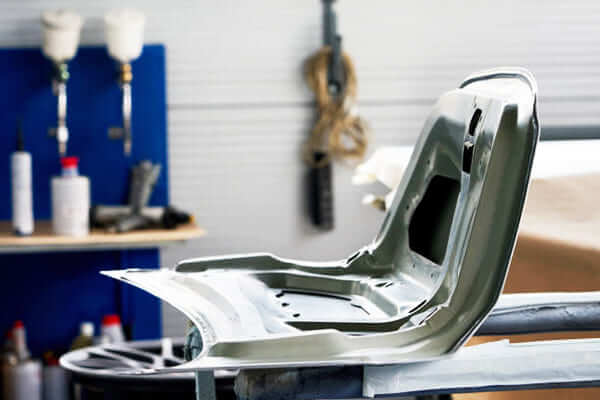
16 गेज ॲल्युमिनियम मोठ्या प्रमाणावर वापरले जाते वाहन शरीर पॅनेल, चेसिस मजबुतीकरण, आणि उष्णता ढाल त्याच्या अनुकूल ताकद-ते-वजन गुणोत्तरामुळे.
त्याची गंज प्रतिरोधक क्षमता देखील त्यास योग्य बनवते ट्रेलर, ट्रक बेड, आणि रेल्वे घटक, जेथे हवामान परिस्थितीचा दीर्घकालीन संपर्क चिंतेचा विषय आहे.
उदाहरण: हलक्या वजनाच्या इलेक्ट्रिक वाहनांच्या डिझाइनमध्ये, 16 गेज ॲल्युमिनियम वाहनाचे वजन पर्यंत कमी करण्यास मदत करते 30%, ऊर्जा कार्यक्षमता आणि बॅटरी श्रेणी सुधारणे.
बांधकाम आणि आर्किटेक्चर
बांधकाम क्षेत्रात, हे गेज सामान्यतः वापरले जाते बाह्य पटल, छप्पर चमकणे, soffits, आणि पावसाचे पडदे.
साहित्य वारा विरुद्ध टिकाऊपणा देते, पाऊस, आणि आर्किटेक्चरल सौंदर्यशास्त्र राखताना अतिनील एक्सपोजर.
याव्यतिरिक्त, 16 गेज ॲल्युमिनियम शीट्ससाठी निवडले जातात आतील भिंत क्लेडिंग्ज, लिफ्ट पॅनेल, आणि सजावटीच्या दर्शनी भाग, विशेषतः व्यावसायिक आणि सार्वजनिक इमारतींमध्ये.
HVAC आणि डक्टवर्क
ॲल्युमिनियमची थर्मल चालकता आणि गंज प्रतिरोधकता यासाठी आदर्श बनवते HVAC संलग्नक, वायुवीजन प्रणाली, आणि डक्ट पॅनेल.
द 16 गेज जाडी हवेचा दाब आणि पर्यावरणीय ताण सहन करण्यासाठी पुरेशी कडक आहे, तरीही हलके आणि फॅब्रिक करणे सोपे असताना.
औद्योगिक फॅब्रिकेशन आणि उपकरणे
औद्योगिक उत्पादक वापरतात 16 साठी ॲल्युमिनियम गेज मशिनरी कव्हर, संलग्न, टूलबॉक्स, आणि संरक्षक रक्षक.
हे कटिंगद्वारे कार्यक्षम फॅब्रिकेशनला परवानगी देताना यांत्रिक संरक्षणासाठी आवश्यक टिकाऊपणा प्रदान करते, वाकणे, आणि वेल्डिंग.
सागरी आणि एरोस्पेस
Given its excellent corrosion resistance in saline environments, 16 gauge aluminum is also applied in small marine vessels, boat interiors, आणि aircraft skins or fairings.
Its ability to resist oxidation without heavy coatings is a critical asset in these fields.

Consumer Products and Furniture
Home appliance manufacturers often use this gauge for microwave oven panels, refrigerator backs, आणि स्वयंपाकघर उपकरणे.
त्याचप्रमाणे, aluminum furniture and shelving systems frequently feature 16 gauge sheets due to their lightweight yet sturdy properties.
6. Mechanical and Physical Properties of 16 गेज ॲल्युमिनियम शीट
Understanding the mechanical and physical properties of 16 gauge aluminum sheet is essential for selecting the right material for structural, औद्योगिक, and commercial applications.
While actual values can vary based on alloy and temper, या जाडीमध्ये सामान्यतः आढळणारी सामान्य वैशिष्ट्ये खालील समाविष्ट आहेत.
जाडी विहंगावलोकन
- नाममात्र जाडी: ~0.0508 इंच (1.29 मिमी)
- वजन (मिश्रधातू 5052-H32 साठी): ~1.84 lbs/ft² (9.0 kg/m²)
- घनता (ॲल्युमिनियम): 2.70 g/cm³
यांत्रिक गुणधर्म (ठराविक मूल्ये)
| मालमत्ता | मूल्य श्रेणी | नोट्स |
|---|---|---|
| ताणासंबंधीचा शक्ती | 110 - 260 एमपीए | मिश्रधातूनुसार बदलते (उदा., 1100, 3003, 5052, 6061) |
| उत्पन्न शक्ती | 34 - 215 एमपीए | शुद्ध मिश्र धातुंसाठी कमी, उष्णता-उपचारासाठी जास्त |
| ब्रेक येथे वाढवणे | 5% - 30% | फॉर्मेबिलिटी प्रतिबिंबित करते |
| कडकपणा (ब्रिनेल) | 25 - 95 एचबी | मिश्रधातू आणि स्वभाव यावर अवलंबून असते |
| लवचिकतेचे मॉड्यूलस | ~69 GPa | बहुतेक ॲल्युमिनियम मिश्र धातुंमध्ये समान |
भौतिक गुणधर्म
| मालमत्ता | ठराविक मूल्य |
|---|---|
| औष्मिक प्रवाहकता | ~१३० – 235 W/m·K |
| विद्युत चालकता | ~35 – 62% IACS |
| द्रवणांक | 600°C - 660°C |
| थर्मल विस्ताराचे गुणांक | 23.1–24.0 µm/m·K |
| गंज प्रतिकार | उच्च (विशेषतः साठी 5000 मालिका) |
| परावर्तन | ~80% – 92% |
मिश्रधातू आणि टेंपरचा प्रभाव
चे यांत्रिक वर्तन 16 गेज ॲल्युमिनियम वापरलेल्या विशिष्ट मिश्रधातू आणि स्वभावानुसार लक्षणीयरीत्या बदलू शकते:
- 3003-H14: उत्कृष्ट फॉर्मेबिलिटी आणि मध्यम सामर्थ्य देते; डक्टवर्क आणि आर्किटेक्चरल अनुप्रयोगांसाठी आदर्श.
- 5052-H32: सर्वात मजबूत नॉन-उष्ण-उपचार करण्यायोग्य मिश्र धातुंपैकी एक, उत्कृष्ट गंज प्रतिकार सह, विशेषतः सागरी वातावरणात.
- 6061-T6: उष्णता-उपचार करण्यायोग्य आणि उच्च-शक्ती, स्ट्रक्चरल भागांसाठी वापरला जातो परंतु मऊ मिश्रधातूंपेक्षा कमी तयार करता येतो.
फॉर्मेबिलिटी आणि मशीनिबिलिटी
- फॉर्मेबिलिटी: H14 सारख्या स्वभावात उत्कृष्ट, ओ, किंवा H32; खोल रेखांकनासाठी योग्य, वाकणे, आणि रोलिंग.
- यंत्रक्षमता: मध्यम; मिश्रधातू सारखे 6061 मशीनसाठी सोपे आहे परंतु स्नेहन आणि तीक्ष्ण टूलिंग आवश्यक असू शकते.
7. निष्कर्ष
द 16 गेज ॲल्युमिनियम शीट, च्या प्रमाणित जाडीसह 0.0508 इंच (1.29 मिमी), एक मोठ्या प्रमाणावर वापरलेली आणि अत्यंत बहुमुखी सामग्री आहे.
हे हलके वजनाचे फायदे एकत्र करते, फॉर्मेबिलिटी, आणि सामर्थ्य—विविध व्यावसायिक आणि औद्योगिक अनुप्रयोगांसाठी आदर्श.
तथापि, योग्य सामग्री निवडीसाठी फक्त गेज जाणून घेण्यापेक्षा अधिक आवश्यक आहे.
वापरकर्त्यांनी मिश्रधातूच्या प्रकारात देखील घटक असणे आवश्यक आहे, यांत्रिक आवश्यकता, पर्यावरणीय परिस्थिती, आणि इष्टतम कामगिरी सुनिश्चित करण्यासाठी फॅब्रिकेशन प्रक्रिया.
योग्यरित्या निवडल्यावर, 16 गेज ॲल्युमिनियम अपवादात्मक टिकाऊपणा प्रदान करते, थर्मल कार्यक्षमता, आणि खर्च-प्रभावीता.