


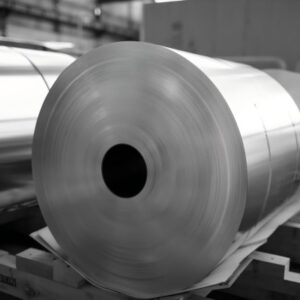
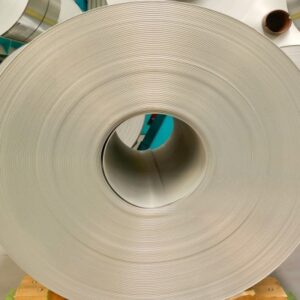


8079 O 0.010mm Fojl tal-Ippakkjar laminat

8079 O 0.010mm Fojl tal-Ippakkjar laminat
Fl-industrija moderna tal-ippakkjar flessibbli, fojl tal-aluminju sar sottostrat tal-qalba indispensabbli għall-ippakkjar ta 'livell għoli minħabba l-proprjetajiet ta' barriera eċċellenti tiegħu, flessibilità, u proċessabbiltà. Fost diversi għażliet, 8079 O 0.010mm Fojl tal-Ippakkjar laminatjispikka f'oqsma eżiġenti bħall-ikel, farmaċewtiċi, u kimiċi ta’ kuljum. Hija għażla ideali li tibbilanċja l-prestazzjoni protettiva ma 'rekwiżiti ħfief, grazzi għall-karatteristiċi materjali uniċi tiegħu u l-adattabilità preċiża tal-proċess.
1. X'inhu 8079 O 0.010mm Fojl tal-Ippakkjar laminat?
8079 fojl tal-aluminju jappartjeni għas-serje 8xxx ta 'folji tal-liga tal-aluminju. Ibbażat primarjament fuq l-aluminju, tinkorpora ammonti żgħar ta 'elementi ta' liga biex tottimizza l-proprjetajiet tagħha. Permezz ta 'proċessi ta' rolling multipli, il-ħxuna tagħha hija kkontrollata b'mod preċiż għal speċifikazzjoni ultra-rqiqa ta ' 0.010mm (10μm).
It-terminu “O temper”tindika li l-fojl tal-aluminju għadda minn trattament sħiħ ta 'ttemprar u trattib. Dan il-proċess jelimina tensjonijiet interni u ebusija kkawżati mill-irrumblar, iġib il-fojl għal stat kompletament imrattab. F'dan l-istat, jippossjedi duttilità u formabbiltà eċċellenti, jiddistingwiha minn tempers mwebbsa (bħall-H-state) u jagħmilha adattata ħafna għal proċessi kumplessi ta 'laminazzjoni u li jiffurmaw.
Filwaqt li dan il-fojl ultra-rqiq huwa intrinsikament ħafif u uniformi, il-laminazzjoni b'diversi films tal-plastik toħloq materjal tal-ippakkjar kompost li jgħaqqad funzjonijiet multipli. Din l-istruttura żżomm il-vantaġġi ewlenin tal-fojl tal-aluminju filwaqt li tikkumpensa għan-nuqqasijiet tal-fojl b'saff wieħed, bħal suxxettibilità għal ksur u kapaċità fqira tas-siġillar bis-sħana.
2. Kompożizzjoni Kimika u Proprjetajiet tal-Materjal 8079 Fojl tal-Aluminju
(1) Kompożizzjoni Kimika Prinċipali ta' 8079 Liga tal-Aluminju
8079 liga tal-aluminju tappartjeni għas-sistema Al-Fe-Si. Il-kompożizzjoni kimika ewlenija tagħha (frazzjoni tal-massa) issegwi strettament l-istandards tal-industrija. Kif muri fit-tabella hawn taħt, fih ukoll traċċi ta 'impuritajiet bħal Ram (Cu), Manjesju (Mg), u Manganiż (Mn), li huma kkontrollati sewwa biex jiżguraw il-purità materjali u l-istabbiltà tal-prestazzjoni.
| Komponent Kimiku | Firxa tal-Frazzjoni tal-Massa | Deskrizzjoni |
|---|---|---|
| Aluminju (Al) | ≥99.0% | Element bażi, jiddetermina l-proprjetajiet fundamentali tal-fojl |
| Ħadid (Fe) | 0.60% – 1.00% | Ittejjeb is-saħħa tal-fojl u r-reżistenza għat-titqib |
| Silikon (U) | 0.20% – 0.50% | Jottimizza d-duttilità u l-prestazzjoni tal-ipproċessar |
| Impuritajiet (Cu, Mg, eċċ.) | Traċċa ammonti | Ikkontrollat strettament biex jipprevjeni effetti ħżiena |
- Meta mqabbel ma ' 8011 Fojl tal-Aluminju: 8079 għandu kontenut ta 'Ħadid kemmxejn ogħla u kontenut ta' silikon aktar baxx. Dan jirriżulta fit-titwil superjuri, flessibilità, u rata ta' pinhole aktar baxxa, jagħmilha aktar adattata għal speċifikazzjonijiet ultra-rqaq u proċessi ta 'deep-drawing.
- Meta mqabbel ma ' 1235 Fojl tal-Aluminju (Aluminju Pur):Grazzi għall-elementi miżjuda tal-Ħadid u tas-Silikon, 8079 joffri saħħa u reżistenza għat-titqib ferm ogħla filwaqt li jżommu proprjetajiet ta 'barriera eċċellenti. Tevita li l-kwistjonijiet ta 'fojl tal-aluminju pur ikun artab wisq u faċilment imħassra, b'hekk twaħħil firxa usa 'ta' xenarji ta 'ippakkjar.
Id-disinn tal-kompożizzjoni kimika ta ' 8079 hija l-pedament ewlieni li jippermettilha tibbilanċja l-flessibbiltà, saħħa, u proċessabbiltà.
(2) Core Performance ta' 8079 Fojl tal-Aluminju
Il-proprjetajiet ewlenin ta ' 8079 O fojl ta '0.010mm huma ottimizzati għall-applikazzjonijiet tal-ippakkjar, jindirizzaw direttament punti ta' uġigħ komuni tal-industrija:
- Titwil Għoli:Wara O trattib, it-titwil ta ' 8079 fojl jista 'jilħaq fuq 30% (fuljetti mwebbsa li jaqbżu bil-bosta). Huwa reżistenti ħafna għat-tkissir jew l-iżvilupp tat-tikmix waqt il-laminazzjoni, timbru, u tiwi. Dan jagħmilha perfetta għal proċessi ta 'formazzjoni kumplessi u ippakkjar fil-fond, tnaqqas b'mod effettiv ir-rati tal-fdalijiet.
- Flessibilità eċċellenti:B'tessut artab iżda reżiljenti ħafna, jista 'jintlewa ripetutament mingħajr ma jinkiser jew jiżviluppa pinholes. Anke f'10μm, jista 'jiflaħ it-tiġbid u t-tiwi b'veloċità għolja ta' linji awtomatizzati tal-ippakkjar.
- Prestazzjoni Superjuri tal-Barriera:Il-fojl tal-aluminju b'mod inerenti jipprovdi ostakli assoluti kontra l-ossiġnu, umdità, dawl, u irwejjaħ. 8079 fojl huwa rrumblat bi preċiżjoni biex ikollu wiċċ lixx, ħxuna uniformi, u rata pinhole estremament baxxa. Dan effettivament jipprevjeni l-ossidazzjoni, assorbiment ta 'umdità, u tħassir tal-kontenut, testendi l-ħajja fuq l-ixkaffa — ir-raġuni primarja għall-użu mifrux tagħha fl-ippakkjar tal-ikel u farmaċewtiku.
- Reżistenza qawwija għat-titqib:Meta mqabbel ma 'aluminju pur u ligi standard, 8079 joffri reżistenza għat-titqib eċċellenti. Jista 'jiflaħ kontenut li jaqtgħu jew granulari (E.g., kafena, ġewż, farmaċewtiċi), prevenzjoni tal-falliment tal-pakkett u l-kontaminazzjoni.
- Adattabilità Eċċellenti tas-Siġar tas-Sħana:Wara t-trattament tal-wiċċ, 8079 bonds perfettament ma 'saffi tas-siġill tas-sħana bħal PE u CPP. Jikseb saħħa għolja tas-siġillar bis-sħana u siġilli mitbuq, jipprevjenu tnixxijiet u jiżguraw l-integrità tal-pakkett.
- Proċessabilità tal-Laminazzjoni Pendenti:Hija karatteristika tensjoni tal-wiċċ uniformi, li tiżgura saħħa ta 'twaħħil għolja ma' films bħall-PET, BOPP, u NY. Huwa kompatibbli mal-laminazzjoni niexfa, laminazzjoni mingħajr solvent, u proċessi oħra mingħajr riskji ta’ delamination.
3. Analiżi Strutturali ta' 8079 O Fojl tal-Ippakkjar laminat
Minħabba li saff wieħed ta 'fojl tal-aluminju ta' 0.010mm huwa fraġli u ma jistax jiġi ssiġillat bis-sħana direttament, għandu jkun laminat b'films tal-plastik biex jifforma struttura b'ħafna saffi (E.g., Film + Fojl tal-Aluminju + Film). Strutturi differenti jilqgħu għall-ħtiġijiet differenti tal-ippakkjar.
(1) Strutturi Laminati Komuni
- PET/AL/PE:L-aktar struttura komuni. PET (Poliester) jipprovdi saħħa ta 'barra u printability, Al (8079 fojl) jaġixxi bħala l-barriera, u PE (Polietilene) iservi bħala s-saff ta 'ġewwa li jissiġilla bis-sħana. Joffri bilanċ kbir ta 'spejjeż u prestazzjoni, użat ħafna għall-ippakkjar tal-ikel bil-vakwu, kondimenti, u kimiċi ta’ kuljum.
- BOPP/AL/CPP:BOPP (Polipropilene Orjentat Biaxjali) joffri tleqqija ta 'stampar eċċellenti; CPP (Polipropilene fondut) jipprovdi temperatura moderata tas-siġillar bis-sħana għal produzzjoni b'veloċità għolja. Ideali għal snacks, gallettini, u ikel għall-annimali domestiċi.
- NY/AL/PE:NY (Najlon/Polyamide) joffri reżistenza għat-titqib u toughness superjuri. Din l-istruttura hija perfetta għal applikazzjonijiet heavy-duty, ippakkjar bil-vakwu, u prodotti bi truf li jaqtgħu (E.g., kafè, ġewż, ħardwer).
- PET/AL/PA/CPP:Struttura premium b'ħafna saffi. PET għall-istampar/saħħa, AL għal barriera, PA (Poliamide) għal reżistenza estrema tat-titqib, u CPP għas-siġillar. Użat għall-elettronika high-end, apparat mediku, u strumenti ta' preċiżjoni.
(2) Proċessi Komuni ta' Laminazzjoni
- Laminazzjoni Niexfa:L-adeżiv huwa miksi fuq film, imnixxef biex jitneħħew is-solventi, u mbagħad ippressat fuq il-fojl tal-aluminju. Joffri qawwa ta 'bonds għolja u huwa adattat għall-ippakkjar high-end, għalkemm ir-residwu tas-solvent għandu jiġi kkontrollat b'mod strett biex jilħaq l-istandards tas-sigurtà tal-ikel/medika.
- Laminazzjoni mingħajr Solvent:Użi 100% adeżivi solidi mingħajr solventi. Huwa favur l-ambjent, effiċjenti fl-enerġija, u ma jħalli l-ebda residwu tossiku. Dan il-metodu huwa effiċjenti ħafna u kost-effettiv għall-ikel fuq skala kbira u l-ippakkjar kimiku ta 'kuljum.
- Estrużjoni Laminazzjoni:Materjali termoplastiku mdewweb (bħal PE jew CPP) huma estrużi direttament fuq il-fojl tal-aluminju u mkessħa. Dan il-metodu ma jeħtieġ l-ebda kolla, inaqqas l-ispejjeż, u jipprovdi proprjetajiet eċċellenti tas-siġillar bis-sħana, jagħmilha ideali għall-ippakkjar ġenerali tal-ikel u boroż tal-vakwu.
4. Vantaġġi ewlenin ta ' 8079 Fojl tal-Ippakkjar laminat
Meta mqabbel ma 'materjali tradizzjonali u ligi oħra tal-aluminju, 8079 O 0.010mm fojl laminat joffri ħames vantaġġi kompetittivi distinti:
- Protezzjoni tal-Ostakoli All-in-One:Jimblokka kompletament l-umdità, ossiġnu, u ħfief waqt li tissakkar fl-aromi. Dan jipprevjeni t-taħsir, ossidazzjoni, u tgħaqqad, jagħmilha essenzjali għal prodotti sensittivi bħat-trab tal-ħalib, kafè, u farmaċewtiċi.
- Flessibilità Għolja & Reżistenza għat-titkemmex:It-trattament O jiżgura li l-materjal jista 'jsofri tiwi u tiġbid awtomatizzati b'veloċità għolja mingħajr ma jinkiser jew iħalli tidwib permanenti, iż-żamma tal-appell estetiku tal-pakkett.
- Reżistenza Superjuri għat-titqib:Il-proprjetajiet metallurġiċi ta ' 8079, flimkien ma 'l-appoġġ ta' saffi tan-najlon ta 'barra, jipprovdu difiża robusta kontra oġġetti li jaqtgħu, tnaqqas b'mod sinifikanti l-ħsara waqt it-trasport u l-ħażna.
- Stampabilità Eċċellenti & Proċessabilità:Il-films tal-plastik ta 'barra (PET/BOPP) jippermettu definizzjoni għolja, stampar vibranti. Barra minn hekk, il-kompatibilità tagħha ma 'linji awtomatizzati b'veloċità għolja tagħti spinta lill-effiċjenza tal-produzzjoni.
- Sigurtà tal-Grad tal-Ikel:Manifatturati minn ingotti tal-aluminju ta 'purità għolja b'impuritajiet ikkontrollati b'mod strett, huwa konformi ma 'standards internazzjonali (bħall-FDA u r-regolamenti tal-UE). Mhuwiex tossiku u sikur għal kuntatt dirett mal-ikel, mediċina, u kożmetiċi.
5. Oqsma Prinċipali ta' Applikazzjoni
Grazzi għall-proprjetajiet komprensivi tagħha, 8079 O fojl laminat ta '0.010mm huwa użat ħafna f'diversi industriji:
- Ippakkjar tal-Ikel:Boroż tal-kafè (il-preservazzjoni tal-aroma u l-prevenzjoni tal-ossidazzjoni), qratas tat-trab tal-ħalib (jipprevjenu l-agglomerazzjoni), pakketti tal-kondimenti (li ma tnixxix), basktijiet tal-ikel għall-annimali domestiċi (reżistenti għat-titqib), u boroż tal-vakwu għal laħmijiet ipproċessati.

- Ippakkjar farmaċewtiku:Pakketti tal-folji u qratas għal pilloli/kapsuli/granuli (protezzjoni kontra l-umdità u d-dawl), ippakkjar sterili għal tagħmir mediku (siringi, dressings), u films ta' barriera għolja għall-bijoloġiċi.
- Ippakkjar Kimiku ta 'Kuljum:Qratas tal-maskra (iż-żamma ta 'ingredjenti attivi), kampjuni kosmetiċi (kremi/serum), u imsaħ imsaħ imxarrab ippakkjar (jipprevjeni t-tnixxif).
- Ippakkjar Industrijali:Protezzjoni kontra l-umdità għall-komponenti elettroniċi (ċipep, resistors) u ħfief, ippakkjar flessibbli għal batteriji tal-jone tal-litju (jipprevjenu tnixxija u ossidazzjoni).
6. 8079 vs. Fojls tal-Aluminju tal-Ippakkjar Oħra
Nifhmu d-differenzi bejn 8079, 8011, u 1235 hija kruċjali għall-għażla tal-materjal.
| Karatteristika / Karatteristiku | 8079 Fojl tal-Aluminju | 8011 Fojl tal-Aluminju | 1235 Fojl tal-Aluminju |
|---|---|---|---|
| Tip ta' Materjal | Liga Al-Fe-Si (8Serje XXX) | Liga Al-Fe-Si (8Serje XXX) | Aluminju Pur (1Serje XXX) |
| Differenza Kimika Ewlenija | Ogħla Fe (0.60%-1.00%), Lower Si (0.20%-0.50%) | Proporzjon standard Fe/Si għal fuljetti ta 'liga ġenerali | Minimu 99.35% Kontenut tal-aluminju |
| Titwil & Duttilità | L-ogħla (≥30%); Eċċellenti għat-tpinġija fil-fond u l-iffurmar kumpless | Moderat (20%-25%); Adattat għal laminazzjoni standard | Għoli (Temper artab), iżda nieqes mill-memorja strutturali |
| Qawwa & Reżistenza għat-titqib | Eċċellenti; Reżistenti ħafna għal tiċrit u titqib | Tajjeb; Durabilità għal skopijiet ġenerali | Miskin; Artab ħafna, faċilment imtaqqba minn truf li jaqtgħu |
| Pinhole Rata (f'0.010mm) | Estremament Baxx; Barriera stabbli u affidabbli | Moderat; Il-kwalità tista 'tiddegrada fi specs ultra-rqiqa | Baxx għal Moderat; Suxxettibbli għal mikro-perforazzjonijiet |
| Ipproċessar Ultra-Rqiq | Superjuri; Produzzjoni stabbli sa 0.008mm | Limited; Sfida taħt 0.012mm | Tajjeb; Iżda l-integrità strutturali hija kompromessa |
| Applikazzjonijiet Tipiċi | Farma ta 'livell għoli, kafè, batterija tal-litju, qratas kosmetiċi | Fojl tad-dar, Għotjien tal-jogurt, tgeżwir ġenerali tal-ikel | Gżejjer tal-ħelu, fojl taċ-ċikkulata, ħażna sempliċi |
| Effiċjenza fl-ispiża | Spiża Ogħla; Prestazzjoni premium tiġġustifika l-prezz | Kosteffikaċi; L-aħjar għal volum għoli, impjiegi standard | L-inqas spiża; Ekonomiku għal użi li jintremew |
7. Kif Agħżel Kwalità Għolja 8079 Fojl tal-Ippakkjar laminat
L-għażla tal-fojl it-tajba taffettwa direttament is-sigurtà tal-prodott u l-ħajja fuq l-ixkaffa. Hawn erba 'kunsiderazzjonijiet ewlenin:
- Kwalità tal-Materja Prima:Żgura li l-fornitur juża ingotti tal-aluminju ta 'purità għolja (≥99.0% Al) b'livelli ta 'impurità kkontrollati b'mod strett u proporzjonijiet stabbli Fe/Si.
- Indikaturi Tekniċi Ewlenin:Ivverifika t-tolleranza tal-ħxuna (±0.001mm għal fojl ta '0.010mm), rata pinhole (≤3 toqob/m², dijametru ≤0.03mm), saħħa tat-twaħħil (≥1.5N/15mm), u t-tixrib tal-wiċċ.
- Ċertifikazzjonijiet:Fittex għall-ISO 9001 ċertifikazzjoni tal-ġestjoni tal-kwalità, Konformità tal-FDA tal-grad tal-ikel, Direttivi RoHS tal-UE (jirrestrinġu sustanzi perikolużi), u rapporti ta 'test ta' partijiet terzi SGS.
- Affidabbiltà tal-fornitur:Issieħeb ma 'manifatturi b'esperjenza li għandhom tagħmir avvanzat ta' rolling/laminazzjoni awtomatizzat u sistemi rigorużi ta 'kontroll tal-kwalità. Pereżempju, fornituri simili Henan Huawei Aluminum Co., Ltd. huma meqjusa ħafna fl-industrija għall-kompetenza tagħhom fil-produzzjoni ta 'fojl ultra-rqiq, li tiġi żgurata l-eżattezza dimensjonali u l-konsistenza minn lott għal lott.

8. FAQ (Mistoqsijiet Frekwenti)
- Q1: Għaliex huwa 8079 fojl tal-aluminju adattat għall-ippakkjar ultra-rqiq?
- A:Il-kompożizzjoni kimika preċiża tiegħu (Proporzjon Fe/Si) iżomm is-saħħa u l-flessibilità anke f'10μm. L-ittemprar O jimmassimizza d-duttilità, u r-rata pinhole estremament baxxa tagħha tiżgura barriera affidabbli f'gauges ultra-rqiqa.
- Q2: Huwa fojl tal-aluminju ta '0.010mm faċli biex tkisser?
- A:xejn. It-trattament O jagħtiha flessibilità u elongazzjoni eċċezzjonali. Meta laminat b'films tal-plastik, l-integrità strutturali tagħha hija msaħħa ħafna, li jippermettilha tiflaħ l-istress mekkaniku ta 'linji ta' ippakkjar awtomatizzati u trasport.
- Q3: Li huwa aħjar għall-ippakkjar laminat, 8079 jew 8011?
- A:Jiddependi fuq l-applikazzjoni. Għal high-end, ippakkjar ta 'prestazzjoni għolja (farma, kafè, likwidi), 8079 huwa r-rebbieħ ċar. Għall-istandard, applikazzjonijiet sensittivi għall-ispiża (bħal wraps bażiċi tal-ikel), 8011 joffri proporzjon aħjar bejn il-prezz u l-prestazzjoni.
- Q4: IS 8079 fojl tal-aluminju sikur għal kuntatt dirett mal-ikel?
- A:Iva. Huwa manifatturat minn aluminju ta 'purità għolja, juża adeżivi tal-laminar mhux tossiċi, u jikkonforma mal-istandards internazzjonali tas-sikurezza tal-ikel (E.g., AID, UE), jagħmilha kompletament sigura għal kuntatt dirett mal-ikel.
- Q5: X'inhuma l-aktar strutturi komuni tal-fojl laminati?
- A:L-ewwel erbgħa huma PET/AL/PE, BOPP/AL/CPP, NY/AL/PE, u PET/AL/PA/CPP. Kull wieħed joffri bilanċ differenti ta 'printability, reżistenza għat-titqib, u barriera tal-umdità.
- Q6: Għal xiex huma l-applikazzjonijiet tipiċi 8079 O fojl?
- A:Tipikament jintuża għall-boroż tal-kafè, pakketti tal-folji farmaċewtiċi, qratas tal-maskra tal-wiċċ, ilqugħ tal-komponenti elettroniċi, u l-ippakkjar tal-batterija tal-litju.
- Q7: Kif tista 'r-rata pinhole ta' 8079 fojl jiġi minimizzat?
- A:Billi tuża ingotti tal-aluminju ta 'purità għolja, ottimizzazzjoni tal-parametri tal-proċess tal-irrumblar, u l-implimentazzjoni ta 'kontroll strett tal-kwalità bl-użu ta' tagħmir ta 'skoperta professjonali (bħal ZKD-01 fojl pinhole testers) biex tiffiltra lottijiet difettużi.
9. Konklużjoni
8079 O 0.010mm Fojl tal-Ippakkjar laminathuwa materjal pedament f'ippakkjar flessibbli modern ta 'livell għoli.
Permezz tal-formulazzjoni metallurġika preċiża tagħha, duttilità superjuri, u strutturi versatili tal-laminazzjoni, hija tgħaqqad b'suċċess id-distakk bejn disinn ħafif u protezzjoni robusta tal-prodott.
Hekk kif l-industrija tal-imballaġġ iddur lejn is-sostenibbiltà, minjaturizzazzjoni, u premiumization, id-domanda għal 8079 fojl huwa stabbilit li jogħla. Kemm jekk inti fl-ikel, farmaċewtiċi, kosmetiċi, jew settur elettroniku, għażla ta 'kwalità għolja 8079 fojl laminat huwa deċiżjoni strateġika li ssaħħaħ il-ħajja fuq l-ixkaffa tal-prodott, jgħolli l-valur tad-ditta, u jissodisfa l-istandards rigorużi tas-sigurtà tas-suq globali.


