
Mtengo wa Ntchito ya 8011 Aluminium Foil mu Zodzoladzola ndi Daily Chemical Packaging
1. Chiyambi: Evolution of Aluminum Foil in Cosmetic Packaging
The cosmetics and daily chemical industries are among the most dynamic sectors in modern consumer markets. As product differentiation grows and consumer awareness of hygiene, kusunga, and sustainability rises, packaging materials have evolved from traditional plastics to high-performance metals and composites.
Mwa zinthu izi, 8011 zitsulo za aluminiyumu has gained significant recognition as a versatile, odalirika, and environmentally friendly packaging solution.
Initially used in pharmaceutical and food applications, aluminum foil has gradually penetrated the cosmetic and personal care packaging msika. Its superior barrier properties, kukhazikika, and elegant surface finish make it ideal for sealing creams, lotions, perfumes, and household detergents. Kugwiritsa ntchito kwa cosmetic packaging aluminum foil is not only a technical upgrade but also a branding and sustainability advancement for manufacturers worldwide.

2. Material Overview: Katundu wa 8011 Aluminiyamu Aloyi
The 8011 alloy belongs to the Al–Fe–Si series and is widely used for foil production due to its balanced mechanical and chemical properties.
Key Composition (Makhalidwe Abwino):
| Chinthu | Fe (%) | Ndipo (%) | Mn (%) | Mg (%) | Za (%) | Ena |
|---|---|---|---|---|---|---|
| 8011 | 0.60-1.0 | 0.50-0.9 | ≤0.10 | ≤0.05 | ≤0.10 | Al (bwino) |
Zinthu Zofunika Kwambiri:
- Kulimba kwamakokedwe: 90- 130 MPa (chikhalidwe cha annealed)
- Elongation: 2-5% (malingana ndi kupsya mtima)
- Ubwino wapamwamba: Excellent brightness and corrosion resistance
- Formability: Kukweza Kwambiri, suitable for deep drawing and sealing applications
- Zotchinga Zotchinga: Near-total impermeability to moisture, mpweya, ndi ma radiation a UV
Because of these attributes, 8011 zitsulo za aluminiyumu is particularly suitable for high-end cosmetic packaging aluminum foil that demands both functional and aesthetic excellence.
3. Market Demand and Trends in Cosmetic & Daily Chemical Packaging
Global market research indicates that the cosmetic and daily chemical packaging industry exceeded USD 35 billion in 2024, with a compound annual growth rate (CAGR) of about 5–6%. Several trends are shaping material selection:
- Premiumization of Packaging:
Brands emphasize luxury aesthetics, tactile feel, and visual brilliance — all achievable with metallic foils. - Kukhazikika:
Growing restrictions on single-use plastics are driving the adoption of recyclable and lightweight metal alternatives. - Hygiene and Preservation:
Consumers demand packaging that protects sensitive formulations from oxidation, kuipitsidwa, and UV degradation. - Kusintha mwamakonda ndi kusinthasintha:
Digital printing and embossing on aluminum foil allow brands to differentiate designs rapidly.
Within this context, 8011 foil has emerged as the preferred base material for cosmetic packaging aluminum foil, used in sealing membranes, tube layers, jar lids, and pouch laminates.
4. Packaging Requirements for Cosmetics and Daily Chemicals
Cosmetic and daily chemical products—such as facial creams, shampoos, detergents, and deodorants—require packaging that serves both protective ndi aesthetic ntchito.
Key Packaging Performance Requirements:
| Ntchito | Zofunikira Zaukadaulo | Kufunika |
|---|---|---|
| Barrier Protection | Block oxygen, chinyezi, ndi UV kuwala | Preserve product stability |
| Kukaniza Chemical | Withstand acids, alkalis, mowa, surfactants | Prevent reaction or leakage |
| Formability | Deep drawing or heat sealing | Ensure package integrity |
| Kudzipeleka | Compatible with inks and lacquers | Enable branding and labeling |
| Kubwezeretsanso | Support environmental goals | Comply with global sustainability standards |
8011 aluminum foil satisfies all these requirements while maintaining low density (2.7 g/cm³), reducing total packaging weight compared to glass or rigid plastic alternatives.
5. Magwiridwe Ubwino wa 8011 Chojambula cha Aluminium
5.1 Barrier Protection
The atomic structure of aluminum makes it virtually impermeable to gases, chinyezi, ndi ma microorganisms. A foil layer as thin as 7–9 µm can completely block oxygen and light transmission, effectively preserving sensitive ingredients such as natural oils, mavitamini, and fragrances.
5.2 Mechanical Strength and Flexibility
8011 alloy exhibits a balanced combination of strength and flexibility. When laminated with polymer films (like PET, PP, kapena), it can endure both mechanical forming and transportation stresses without cracking.
5.3 Chemical Kukhazikika
The natural oxide layer on aluminum provides resistance against corrosion and reaction with cosmetic compounds. This ensures product purity and safety over extended storage periods.
5.4 Visual Appeal
Metallic luster enhances premium product positioning. The foil’s reflective surface provides a sense of luxury—ideal for perfume caps, jar seals, or decorative outer wraps.
6. Barrier Properties and Product Protection
The cosmetic packaging aluminum foil acts as an efficient multi-layer barrier.
In multi-laminate structures (E.g., AL/PE, AL/PET/PE), it prevents diffusion of volatile components and entry of atmospheric oxygen.
Chitsanzo: Mtengo wotsatsa wa oxygen (OTR)
| Mtundu Wathupi | Makulidwe (μm) | OTR (cm³/m²·tsiku) | Water Vapor Transmission (g/m²·tsiku) |
|---|---|---|---|
| ON Mafilimu | 30 | 1500 | 8.0 |
| PET Film | 20 | 60 | 2.0 |
| 8011 Chojambula cha Aluminium | 8 | 0 | 0 |
Choncho, even thin layers of 8011 foil in laminates drastically enhance product shelf life. For moisture-sensitive formulas like whitening creams or serums, this is particularly critical.
7. Formability and Surface Aesthetic Performance
Cosmetic packaging requires intricate forming, kusindikiza, and decorating steps. 8011 aluminum foil provides exceptional kukhazikika ndi mawonekedwe okhazikika for these processes:
- Zojambula Zakuya: Ideal for forming sealed lids and bottle necks.
- Kujambula: Enables tactile branding effects without cracking.
- Kusindikiza Kutentha: Achieves perfect adhesion with lacquered or polymer-coated layers.
- Kumaliza Pamwamba: Supports mirror polishing, matte texting, or color anodizing.
Poyamba, its compatibility with UV-curable coatings allows for high-resolution graphic printing, combining aesthetic and protective functions.

8. Compatibility with Laminates, Films, and Coatings
The majority of modern cosmetic packaging aluminum foil is used as part of multi-layer laminates rather than standalone foil. The synergy between aluminum and polymers determines mechanical performance and sealing reliability.
Common Lamination Structures:
| Mtundu wa Kapangidwe | Kugwiritsa ntchito | Ntchito |
|---|---|---|
| AL/PE | Tube inner layer | Chemical resistance, kusindikiza |
| PET/AL/PE | Pouch or sachet | Chotchinga chachikulu + printable outer layer |
| Pepala/AL/PE | Jar lid or wrap | Chokongoletsa + chochinjiliza |
| AL/PP/CPP | Cream container seal | Heat-sealable and stable |
Each structure provides unique balance among stiffness, chitetezo chotchinga, ndi aeshetics. The foil’s surface can be coated with epoxy, acrylic, or polyurethane lacquers to improve adhesion and printability.
9. Processing and Surface Treatment Technologies
Kachitidwe ka cosmetic packaging aluminum foil depends not only on alloy composition but also on precision in processing and surface treatment. Advanced production lines utilize continuous casting, kugunda kotentha, and precision cold rolling to achieve thicknesses from 6 μm kuti 40 μm with tight tolerances (±0.5 μm).
9.1 Rolling and Annealing
- Rolling Technology:
Modern mills use automatic gauge control (AGC) ndi flatness control systems (AFC) to ensure uniform thickness and smooth surface profiles. - Annealing Process:
Conducted at 300–400°C under controlled atmosphere to relieve stress, improve ductility, and enhance brightness.
9.2 Surface Coating and Printing
Pambuyo pakugudubuza, aluminum foil can be coated with epoxy, poliyesitala, or polyurethane systems to provide corrosion resistance, heat-sealability, or decorative functions.
High-resolution rotogravure and UV offset printing allow foil surfaces to carry complex designs, color gradients, and branding graphics — essential for luxury cosmetic packaging.
9.3 Embossing and Laminating
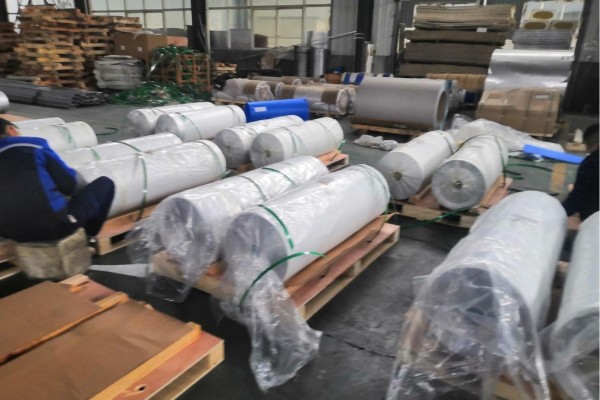
Embossing adds a tactile effect and helps differentiate product lines. In lamination, aluminum foil bonds with polymers or paper using solvent-free adhesives, ensuring smooth appearance and eco-friendly production.
10. Sustainability and Recycling Value
Sustainability has become a dominant force in the packaging industry. 8011 aluminum foil offers a clear advantage over conventional plastic-based materials due to its infinite recyclability and high recovery value.
10.1 Environmental Benefits
- Kubwezeretsanso:
Aluminum can be recycled repeatedly without degradation in quality. - Carbon Footprint:
Aluminiyamu wobwezerezedwanso amangofunika 5% of the energy needed for primary production. - Ubwino Wopepuka:
Reduces transportation emissions by 20–30% compared to glass or rigid plastic packaging.
10.2 Circular Economy in Packaging
Leading cosmetic brands are shifting to recyclable mono-material structures, where aluminum plays a key role as both a functional and aesthetic component.
Projects led by global manufacturers have demonstrated that cosmetic packaging aluminum foil integrated into laminated structures can achieve up to 85% recyclability rates, depending on regional collection systems.
11. Comparison with Plastic and Composite Packaging
| Parameter | 8011 Chojambula cha Aluminium | Pet / pe imatha | Glass or Metal Containers |
|---|---|---|---|
| Katundu Wotchinga | Zabwino kwambiri (OTR=0) | Wapakati | Wapamwamba |
| Kulemera | Kuwala | Kuwala | Cholemera |
| Kubwezeretsanso | Zabwino kwambiri | Pansi | Wapakati |
| Formability | Zabwino kwambiri | Zabwino | Zochepa |
| Mtengo Mwachangu | Wapakati | Pansi | Wapamwamba |
| Kukopa | Premium metallic finish | Wapakati | Wapamwamba |
| Thermal Resistance | Zabwino kwambiri | Zochepa | Zabwino kwambiri |
The comparison highlights that cosmetic packaging aluminum foil offers an optimal balance between protection, ika mtengo, ndi aeshetics, outperforming most plastic-based systems while remaining lightweight and eco-efficient.
12. Case Studies in Cosmetic and Daily Chemical Applications
12.1 Cream Jar Seals
Major skincare brands use 8011 foil laminated with PE as induction seals for jar openings. The foil provides tamper evidence, freshness protection, and a metallic luxury look.
12.2 Perfume Bottle Caps and Decorative Labels
8011 foil sheets with anodized finishes serve as reflective labels or embossed decorative caps. Their reflective metallic sheen enhances brand prestige.
12.3 Toothpaste and Lotion Tubes
Laminated AL/PE tubes prevent moisture ingress and maintain formulation stability. The high formability of the foil ensures seamless tube structures with long-term sealing reliability.
12.4 Household Cleaning and Detergent Sachets
In daily chemical packaging, cosmetic packaging aluminum foil provides superior resistance to alkaline surfactants and solvents, ensuring product stability throughout storage and transport.
13. Technical Challenges and Solutions
Ngakhale ndizabwino zake, the application of aluminum foil in cosmetics packaging faces several technical challenges:
13.1 Delamination and Adhesion Issues
When laminated with polymers, differences in thermal expansion coefficients can cause delamination.
Kankho: Use plasma-treated foil surfaces or corona discharge treatment to improve adhesion strength.
13.2 Pinholes and Surface Defects
Microscopic pinholes reduce barrier integrity.
Kankho: Employ high-precision rolling and automatic inspection systems (optical and eddy current sensors) to detect and eliminate defects.
13.3 Printability and Ink Adhesion
Aluminum surfaces may resist certain inks or lacquers.
Kankho: Pre-treat foil surfaces with chemical conversion coatings to enhance ink wetting and curing performance.
13.4 Waste Management
Foil scraps generated during slitting and printing must be recycled.
Kankho: Implement closed-loop recovery systems to re-melt aluminum waste into new foil stock, minimizing material loss.
14. Global Market Outlook and Supply Chain Considerations
14.1 Market Size and Growth
The global aluminum foil packaging market for cosmetics and personal care is projected to reach USD 5.8 biliyoni ndi 2030, driven by rising demand in Asia-Pacific and Europe.
Countries such as China, Japan, and South Korea dominate production due to advanced rolling and coating technology.
14.2 Kuphatikiza kwa Supply Chain
Kupambana kwa cosmetic packaging aluminum foil depends on close coordination between:
- Raw Material Suppliers: Aluminum ingot producers and rolling mills.
- Otembenuza: Lamination, kisindikiza, and embossing firms.
- Brand Owners: Cosmetic and detergent manufacturers.
A vertically integrated supply chain reduces lead times, enhances product consistency, and improves cost competitiveness.
14.3 Regional Developments
- Asia-Pacific: Rapid growth in mid-range cosmetics and eco-friendly packaging.
- Ulaya: Strong regulatory push toward recyclable materials.
- kumpoto kwa Amerika: Increasing focus on sustainable luxury packaging.
15. Mapeto: Future Development of 8011 Aluminum Foil in Cosmetic Packaging
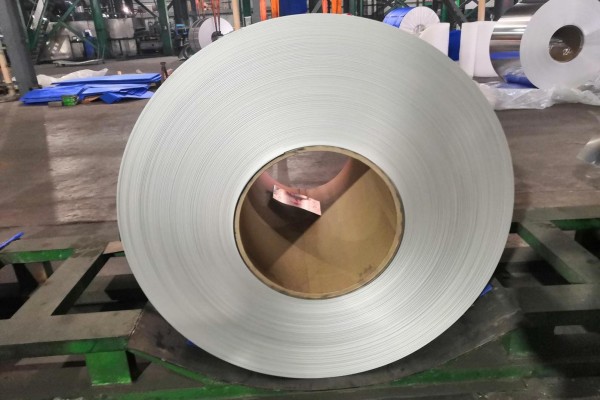
As global consumers demand safer, wobiriwira, and more luxurious packaging, 8011 zitsulo za aluminiyumu has become a cornerstone material for the next generation of cosmetic and daily chemical packaging.
Kuphatikiza kwake chitetezo chotchinga, zowoneka bwino, kukhazikika, ndi kubwezeretsanso positions it ahead of traditional plastics and composites.
Future innovation will focus on:
- Nano - zokutira for enhanced corrosion and fingerprint resistance.
- Bio-based adhesive systems for fully recyclable laminate structures.
- Digital printing integration for personalized branding.
Pomaliza, cosmetic packaging aluminum foil is not only a technical solution but a strategic enabler for sustainable brand transformation in the global cosmetics and household care industries.