
8011 Folia aluminiowa: Właściwości mechaniczne, Jakość powierzchni & Przewodnik po aplikacjach
Wstęp
8011 Właściwości folii aluminiowej odgrywają decydującą rolę w określaniu ogólnej wydajności materiałów opakowaniowych, produkty foliowe do użytku domowego, uszczelnienie farmaceutyczne, i laminaty przemysłowe. Jako jeden z najczęściej stosowanych stopów na światowym rynku folii aluminiowej, 8011 jest preferowany przez przetwórców i producentów markowych ze względu na równowagę wytrzymałości do masy, odporność na korozję, doskonałe właściwości barierowe, i niezawodne zachowanie przy formowaniu. W środowiskach produkcyjnych o dużej skali produkcji, stop ten zapewnia stałą stabilność przetwarzania, dzięki czemu idealnie nadaje się do zastosowań wymagających ścisłej higieny i precyzji mechanicznej.

1. Charakterystyka materiału i zachowanie stopu
8011 folia aluminiowa należy do serii 8xxx stopów Al-Fe-Si. Jego właściwości mechaniczne i odporność na korozję są częściowo określone przez obecność żelaza i krzemu, które zwiększają wytrzymałość i poprawiają odkształcalność. W przeciwieństwie do gatunków czystego aluminium, takich jak 1050 Lub 1235, stop 8011 został zaprojektowany tak, aby sprostać wymaganiom linii pakowania kompozytowego, technologie uszczelniania, i głębokiego formowania.
Najważniejsze cechy zachowania stopu
- Zrównoważona wytrzymałość zarówno dla cienkich, jak i średnich grubości
- Większe wydłużenie w porównaniu z wieloma foliami serii 1
- Silne hamowanie pęknięć podczas wielokrotnego zginania
- Tolerancja na wysoką temperaturę podczas gotowania i sterylizacji
- Doskonała przyczepność do powłok i klejów stosowanych w materiałach kompozytowych
Te atrybuty pozwalają 8011 przewyższają kilka konwencjonalnych stopów folii w zaawansowanych konstrukcjach opakowań.
2. Właściwości mechaniczne: Wpływ temperamentu i grubości
Wydajność mechaniczna jest jednym z najważniejszych wskaźników jakości dla użytkowników folii przemysłowych. Wytrzymałość na rozciąganie, wydłużenie, odporność na otworki, i spójność wydajności bezpośrednio wpływają na dalsze formowanie, rozcinanie, i procesy uszczelniania.
Zachowanie mechaniczne w różnych temperamentach
Różne temperamenty (O, H14, H18) zmienić mikrostrukturę stopu. Na przykład:
- O temperament zapewnia wysoką ciągliwość odpowiednią do ciężkiego formowania i użytku domowego.
- H14 zapewnia umiarkowaną wytrzymałość potrzebną foliom blistrowym i warstwom zgrzewanym.
- H18 zapewnia najwyższą wytrzymałość, ale najniższe wydłużenie w przypadku folii i produktów izolacyjnych o dużej sztywności.

Tabela 1: Właściwości mechaniczne 8011 Folia aluminiowa firmy Temper
| Hartować | Typowa grubość (mm) | Wytrzymałość na rozciąganie (MPa) | Wydłużenie (%) | Zastosowania |
|---|---|---|---|---|
| O | 0.008–0,050 | 60–95 | 12–20 | Folia gospodarcza, pokrywy pojemników |
| H14 | 0.018–0,060 | 110–150 | 3–8 | Folia blistrowa, uszczelnienie farmaceutyczne |
| H18 | 0.010–0,040 | 150–185 | 1–4 | Laminaty przemysłowe, Ekranowanie EMI |
Wartości te reprezentują zakresy standardów branżowych i mogą się różnić w zależności od producenta.
3. Wymagania dotyczące jakości powierzchni dla produktów wysokiej jakości 8011 Folia
Właściwości powierzchniowe determinują wygląd materiału, bezpieczeństwo higieniczne, przyczepność kompozytu, i wydajność konwersji. Do zastosowań spożywczych i farmaceutycznych, Równomierność i czystość powierzchni mają kluczowe znaczenie.
Główne wymagania dotyczące jakości powierzchni
- Gładki, jednolity połysk bez widocznych odchyleń tekstury
- Brak śladów rolek, pył, zadrapania, i czarne plamy
- Niski poziom pozostałości oleju w celu zapewnienia zgodności z przepisami dotyczącymi żywności
- Ścisła kontrola ilości otworków do zastosowań wrażliwych na bariery
- Stała tolerancja grubości na całej szerokości i długości cewki
Wysokiej klasy przetwórcy produktów farmaceutycznych i spożywczych często korzystają z zautomatyzowanych systemów kontroli wizyjnej, aby zapewnić folię pozbawioną wad przed laminowaniem lub powlekaniem.

4. Porównanie wad powierzchni: Folia standardowa vs folia niestandardowa
Integralność powierzchni nie tylko wpływa na jakość produktu, ale także na siłę uszczelnienia, przyczepność druku, i estetyczny wygląd.
Tabela 2: Porównanie defektów powierzchni — standardowe vs. Poniżej standardu 8011 Folia
| Kryteria | Standard 8011 Folia | Niskostandardowe wskaźniki foliowe |
|---|---|---|
| Gęstość otworkowa | < 100 dziurek/m² | Setki do tysięcy na m² |
| Pozostałość oleju | < 3 mg/m² | Widoczne smugi lub przebarwienia |
| Połysk & Kolor | Jednolity metaliczny odcień | Niejednolita jasność lub matowe strefy |
| Płaskość | < 2 odchylenie mm | Fale krawędziowe, fałdowanie, wyboczenie |
| Czystość powierzchni | Brak kurzu, żadnych zadrapań | Osadzone cząstki, linie smugowe |
Porównanie to podkreśla różnicę pomiędzy folią klasy premium a niedrogą, materiały o niespójnej jakości.
5. Pola zastosowań 8011 Folia aluminiowa
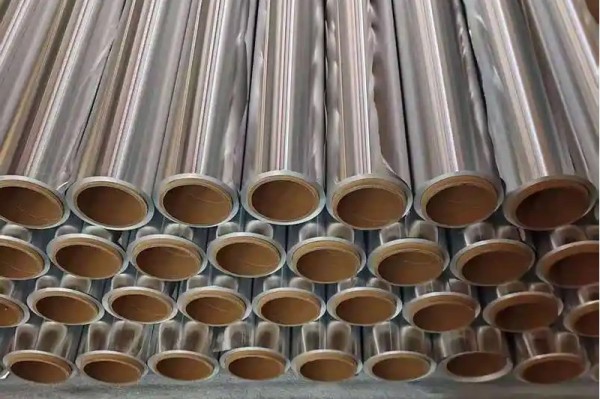
Ze względu na zalety wydajnościowe, 8011 folia aluminiowa służy jako materiał podstawowy w wielu gałęziach przemysłu. Możliwość dostosowania do różnych systemów produkcyjnych – cięcia wzdłużnego, laminowanie, powłoka, tworzenie się, i uszczelnianie — czyni go jednym z najbardziej udanych komercyjnie stopów foliowych na świecie.
5.1 Domowa folia aluminiowa
Domowa folia aluminiowa musi być elastyczna, a jednocześnie odporna na rozdarcie, zdolne do owijania nierównych kształtów żywności, wytrzymując jednocześnie temperatury piekarnika i płyty kuchennej. 8011 oferty stopów:
- Doskonała przewodność cieplna
- Stabilna wydajność podczas składania i zginania
- Bezpieczna bariera do przechowywania i gotowania żywności
5.2 Folia do pakowania żywności
Wiele konstrukcji opakowań do żywności opiera się na zastosowaniu folii wielowarstwowych 8011 folia. Jego zalety obejmują:
- Wysoka bariera dla tlenu i wilgoci
- Zachowanie smaku i aromatu
- Doskonała ochrona przed światłem wrażliwych produktów
- Silna kompatybilność z powłokami i warstwami zgrzewanymi
Typowe zastosowania obejmują pokrywki do jogurtów, pokrywki pojemników na żywność, woreczki retortowe, i laminowane opakowania na przekąski.
5.3 Folia do opakowań farmaceutycznych
8011 jest szeroko stosowany w:
- Folia blistrowa PTP
- Folia bazowa formowana na zimno
- Folia uszczelniająca do słoików i butelek z lekami
Kluczowe wymagania dotyczące wydajności:
- Wysoka siła uszczelniająca
- Powierzchnia zero zanieczyszczeń
- Stabilność w wysokiej temperaturze
- Kontrolowana grubość i twardość
Niezawodność stopu gwarantuje, że opakowania farmaceutyczne spełniają rygorystyczne światowe standardy regulacyjne.
5.4 Zastosowania przemysłowe i elektryczne
Poza żywnością i farmaceutykami, 8011 folia jest preferowana w wielu sektorach przemysłu:
- Ekranowanie kabla w celu ochrony elektromagnetycznej
- Folia HVAC do powierzchni izolacyjnych i odblaskowych
- Laminaty przemysłowe do konstrukcji chemoodpornych
Wysoki stosunek wytrzymałości do grubości sprawia, że nadaje się do lekkich materiałów konstrukcyjnych.
6. Uwagi dotyczące kontroli jakości dla producentów
Aby zapewnić stabilną produkcję masową, firmy zazwyczaj monitorują:
- Konsystencja napięcia toczącego
- Temperatura i czas wyżarzania
- Czystość oleju walcowniczego
- Wykrywanie otworków online
- Przycinanie krawędzi i stabilność cięcia
Czynniki te decydują o tym, czy gotowa folia spełnia rygorystyczne wymagania jakościowe międzynarodowych odbiorców.
7. Często zadawane pytania (Często zadawane pytania)
1. Co sprawia 8011 bardziej popularne niż 1235 w branży opakowań?
8011 zapewnia wyższą wytrzymałość, lepsze wydłużenie, i doskonałą odporność na pękanie, dzięki czemu nadaje się do zastosowań związanych z formowaniem i uszczelnianiem, gdzie 1235 może być zbyt miękki.
2. Jest 8011 bezpieczny w kontakcie z żywnością i farmaceutyką?
Tak. W przypadku produkcji zgodnie ze standardami spożywczymi lub farmaceutycznymi, jest nietoksyczny, odporny na korozję, i zgodne ze światowymi przepisami bezpieczeństwa, takimi jak normy FDA i UE.
3. Jak można ocenić jakość powierzchni podczas kontroli?
Kluczowe wskaźniki oceny obejmują liczbę otworków, jednolitość koloru, pomiar pozostałości oleju, i kontrola śladów rolek.
4. Dlaczego wybór temperamentu ma znaczenie?
Różne temperamenty zapewniają różną wytrzymałość i elastyczność. Na przykład, O temperament jest bardziej miękki do zawijania i formowania, podczas gdy H18 jest silniejszy w przypadku sztywnych laminatów.
5. Móc 8011 folia jest odporna na wysokie temperatury gotowania?
Tak. Wytrzymuje typowy piekarnik, pieczenie, sterylizacja, i warunki retortowe stosowane we współczesnym przetwórstwie spożywczym.
6. Jakie są najczęstsze przyczyny powstawania dziur?
Otworki powstają na skutek zanieczyszczeń we wlewkach odlewanych, wady toczenia, lub nieprawidłowe procesy wyżarzania.
7. Czy grubość wpływa na działanie bariery??
Ogólnie, cieńsza folia zwiększa ryzyko powstania dziur, natomiast grubsza folia zapewnia lepszą wytrzymałość mechaniczną i niezawodność bariery.
Wniosek
Głębokie zrozumienie 8011 folia aluminiowa właściwości jest niezbędna przy wyborze odpowiedniego materiału na folię gospodarczą, opakowania wysokobarierowe, farmaceutyczna folia blistrowa, i laminaty przemysłowe. Z doskonałą wydajnością mechaniczną, stabilna jakość powierzchni, i szerokie możliwości dostosowania przetwarzania, 8011 pozostaje kamieniem węgielnym w światowej produkcji folii. Kontrolując defekty powierzchni, optymalizacja wyboru temperamentu, i utrzymywanie rygorystycznych standardów produkcyjnych, producenci mogą osiągnąć doskonałą wydajność produktu i wyższą wydajność w dalszych zastosowaniach.