
Kompletny przewodnik po farmaceutycznej folii aluminiowej PTP: Dekodowanie techniczne i praktyka stosowania materiałów rdzeniowych
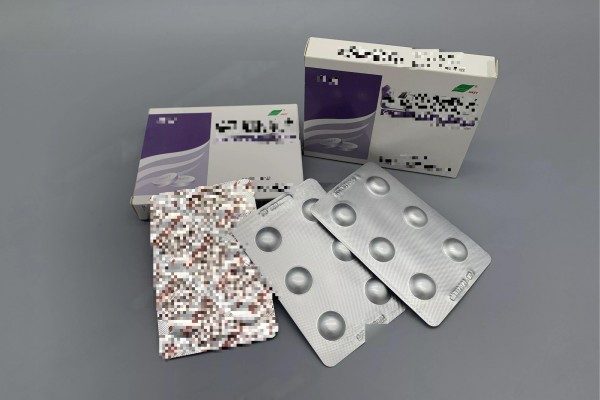
W precyzyjnym świecie opakowań farmaceutycznych, kawałek folia aluminiowa cieńsze niż jedna trzecia średnicy ludzkiego włosa nakładają na siebie dużą odpowiedzialność za ochronę bezpieczeństwa leków i zapewnienie stabilnej skuteczności. Farmaceutyczny PTP (Naciśnij przez opakowanie) folia aluminiowa, jako główny materiał uszczelniający do opakowań blistrowych, kryje w sobie znacznie więcej głębi technicznej, niż sugeruje jego cienki i lekki wygląd. Artykuł ten zawiera dogłębną analizę tego kluczowego materiału, oferując kompletny system wiedzy od podstawowych zasad po najnowocześniejsze trendy dla firm farmaceutycznych, inżynierowie opakowań, i specjaliści ds. zakupów.

1. Kompleksowe zrozumienie folii aluminiowej PTP: Więcej niż tylko folia metalowa
Folia aluminiowa PTP to precyzyjnie zaprojektowany system materiałów kompozytowych, zaprojektowany tak, aby spełniać wiele wymagań funkcjonalnych. To nie tylko cienka blacha, ale np “kanapka” struktura złożona z elementów funkcjonalnych, bariera, i warstwy klejące, każdy starannie zaprojektowany i ściśle wykonany.
1.1 Synergistyczny mechanizm ochronny struktury trójwarstwowej
Warstwa zewnętrzna: Nośnik informacji i podstawowa warstwa ochronna
- Skład materiału: Używa specjalnych atramentów zgodnych ze standardami farmaceutycznymi, nanoszone metodą druku wklęsłego lub fleksograficznego.
- Podstawowe funkcje:
- Wyraźnie oznacza nazwę leku, wytrzymałość, numer partii, data ważności, i informacje producenta.
- Integruje technologie zapobiegające podrabianiu: w tym atramenty termochromowe, hologramy laserowe, mikrotekst, i unikalne kody QR.
- Zapewnia podstawowe ekranowanie światła i ochronę mechaniczną.
- Klucz techniczny: Atramenty muszą spełniać rygorystyczne wymagania dotyczące niskiej migracji, wysoka przyczepność, odporność na zarysowania, i odporność na ścieranie alkoholem.
Warstwa środkowa: Rdzeń Absolutna Warstwa Barierowa
- Skład materiału: 8011-H18, 8021, Lub 8079 stop aluminium, zakres grubości 20-30 mikrony.
- Podstawowe funkcje:
- Zapewnia blisko 100% bariera dla pary wodnej (Typowo WVTR <0.1 g/m²·24h).
- Całkowicie blokuje transmisję tlenu (OTR blisko 0 cm³/m²·24h·atm).
- 100% blokuje światło UV i widzialne, zapobieganie fotolizie leku.
- Utrzymuje wytrzymałość mechaniczną, zapewnienie czystości, krawędzie wolne od zadziorów podczas tłoczenia.
- Klucz techniczny: Kontrola składu stopu, jednorodność grubości, kontrola szybkości otworków.
Warstwa wewnętrzna: Funkcjonalna inteligentna warstwa klejąca
- Skład materiału: na bazie PCV, Na bazie PVDC, lub powłoka zgrzewalna na bazie akrylu.
- Podstawowe funkcje:
- Tworzy mocne uszczelnienie z podłożem blistrowym (PCV/PVDC/PET) w warunkach zgrzewania.
- Precyzyjnie równoważy siłę uszczelnienia i siłę otwierania “łatwe przepychanie” otwór.
- Chemicznie obojętny na aktywne składniki farmaceutyczne, bez migracji i adsorpcji.
- Klucz techniczny: Projekt formuły powłoki, jednorodność powłoki, dopasowanie do okna zgrzewanego na gorąco.
1.2 Matryca zalet folii aluminiowej PTP
| Wymiar wydajności | Konkretna wydajność | Znaczenie dla ochrony narkotyków |
|---|---|---|
| Bariera fizyczna | Kompletne światło, tlen, i barierę dla wilgoci | Zapobiega degradacji składników aktywnych, utlenianie, hydroliza. |
| Ochrona mechaniczna | Pewna wytrzymałość na ściskanie, odporność na przebicie | Chroni leki przed uszkodzeniami fizycznymi podczas transportu i przechowywania. |
| Niezawodność uszczelnienia | Kontrolowana siła zgrzewania (zazwyczaj 7-12N/15mm) | Zapewnia integralność opakowania, zapobiega zanieczyszczeniu. |
| Łatwość użycia | Dozowanie przez wyciskanie, żadne narzędzia takie jak nożyczki nie są potrzebne | Poprawia przestrzeganie zaleceń przez pacjenta, szczególnie dla grup starszych. |
| Zgodność produkcji | Nadaje się do szybkich automatycznych maszyn pakujących (aż do 1000 pęcherze/min) | Spełnia wymagania produkcji przemysłowej na dużą skalę. |
2. Głęboka praktyka nauk o materiałach: Od stopu po powłokę
2.1 Naukowe podstawy doboru stopów
Dlaczego stop 8011-H18 jest standardem branżowym?
Skład chemiczny 8011 stop aluminium (Układ Al-Fe-Si) jest specjalnie zaprojektowany, aby dobrze się formować, jednolite związki międzymetaliczne podczas walcowania na zimno i wyżarzania. Te mikrostruktury nadają materiałowi wyjątkową kombinację właściwości:
- Doskonała wydajność głębokiego rysowania: Może wytrzymać znaczne odkształcenie plastyczne podczas tworzenia pęcherzy bez pękania.
- Stabilne właściwości mechaniczne: Stan H18 zapewnia optymalną równowagę wytrzymałości na rozciąganie (≥180 MPa) i wydłużenie (≥1%).
- Dobra kompatybilność zgrzewania: Stan powierzchni jest kompatybilny z różnymi powłokami zgrzewanymi, zapewniając niezawodność łączenia.
- Opłacalność: Osiąga optymalną równowagę pomiędzy wydajnością, przetwarzalność, i koszt.
Wybór stopu do zastosowań specjalnych
| Scenariusz zastosowania | Zalecany stop | Racjonalne uzasadnienie |
|---|---|---|
| Konwencjonalne tabletki/kapsułki | 8011-H18 | Optymalna ogólna wydajność, wysoka opłacalność. |
| Leki o wysokiej wartości/wrażliwe | 8021-O | Wyższa plastyczność, lepsza konsystencja formowania. |
| Pakowanie z ultraszybką szybkością (>800 pęcherze/min) | 8079-H18 | Wyższa wytrzymałość na rozciąganie, zmniejsza ryzyko uszkodzenia sieci. |
| Specjalne klimaty (Wysoka temperatura/wilgotność) | 8021-H18 | Lepsza odporność na korozję i stabilność. |
2.2 Ewolucja i rozwój technologii powłok
Pierwsza generacja: Powłoka termozgrzewalna na bazie PVC
- Zalety: Dobra kompatybilność ze sztywnym arkuszem PCV, szerokie okno zgrzewane, niski koszt.
- Ograniczenia: Presja środowiska, potencjalne ryzyko związane z chlorem.
- Aplikacja: Konwencjonalne opakowanie leku, szczególnie produkty wrażliwe na koszty.
Druga generacja: Powłoka wysokobarierowa na bazie PVDC
- Zalety: Zapewnia dodatkową barierę, zwiększa ogólną ochronę paczki.
- Ograniczenia: Wymaga bardziej precyzyjnej kontroli temperatury zgrzewania, wyższy koszt.
- Aplikacja: Leki o specjalnych wymaganiach barierowych.
Trzecia generacja: Powłoki akrylowe i inne ekologiczne
- Zalety: Bezhalogenowy, przyjazny dla środowiska, stabilna wydajność zgrzewania, szerokie możliwości adaptacyjne.
- Ograniczenia: Wysoka bariera techniczna, mniej dostawców.
- Aplikacja: Wysokiej klasy leki przeznaczone na eksport na rynki UE/USA lub z wymogami środowiskowymi.
Kluczowe wskaźniki wydajności powłoki
| Parametr wydajności | Metoda testowa | Standardowe wymagania | Czynniki wpływające |
|---|---|---|---|
| Siła zgrzewania | ASTM F88 | 7-12 N/15mm | Formuła powłoki, stopień wyleczenia, jednorodność grubości. |
| Temperatura rozpoczęcia zgrzewania | Test krzywej zgrzewania | Konkretny zakres (NP., 120-140°C) | Temperatura zeszklenia powłoki. |
| Szerokość okna zgrzewanego | Krzywa temperatura-wytrzymałość | Szersze jest lepsze (zazwyczaj >15°C) | Projekt formuły, rozkład masy cząsteczkowej. |
| Masa powłoki | Metoda grawimetryczna | 3-6 g/m² (dostosowywane do aplikacji) | Precyzja sterowania procesem powlekania. |

3. Kompletny proces produkcyjny: Od wlewka do gotowego produktu
3.1 Kluczowe punkty kontrolne w procesie produkcyjnym
Precyzja kontroli grubości
- Cel: Tolerancja grubości wzdłużnej ±2%, Tolerancja grubości poprzecznej ±3%.
- Oznacza: Monitorowanie w czasie rzeczywistym za pomocą mierników rentgenowskich, automatyczna kontrola siły toczenia ze sprzężeniem zwrotnym.
- Znaczenie: Różnice w grubości prowadzą do nierównomiernego rozkładu ciśnienia zgrzewania, powodując ryzyko wycieku.
Zero tolerancji dla dziur
- Metoda wykrywania: Internetowy fotoelektryczny system wykrywania otworków, czułość aż do otworków o średnicy Φ20μm.
- Standard: Wymagana jest folia farmaceutyczna <5 dziurek/m² (większość klientów wymaga zerowych otworów).
- Uderzenie: Pojedynczy otwór może umożliwić przedostanie się wilgoci i tlenu, powodując degradację leku.
Jednolitość powłoki
- Wskaźnik kontroli: Odchylenie masy powłoki < ±0,2 g/m².
- Technologia: Laserowy pomiar grubości powłoki, kontrola ciśnienia głowicy powlekającej w pętli zamkniętej.
- Znaczenie: Nierówna powłoka bezpośrednio wpływa na jednorodność i stałą wytrzymałość zgrzewania.
Czystość powierzchni
- Wymóg: Nie zawiera oleju, pył, i inne zanieczyszczenia.
- Proces czyszczenia: Czyszczenie elektrolityczne, czyszczenie ultradźwiękowe, W płukaniu wodą.
- Zamiar: Zapewnia przyczepność powłoki i jakość druku.

4. System wyboru aplikacji i kontroli jakości
4.1 Matryca decyzji o wyborze
| Czynnik decyzyjny | Konwencjonalne leki | Leki o wysokiej wartości/wrażliwe | Specjalne postacie dawkowania |
|---|---|---|---|
| Grubość folii | 0.020-0.025mm | 0.025-0.030mm | Dostosowane do postaci dawkowania. |
| Typ stopu | 8011-H18 | 8021-Temp. H18 lub O | 8079 lub niestandardowy stop. |
| Powłoka termozgrzewalna | Specyficzne dla PVC lub uniwersalne | Na bazie PVDC lub akrylu | Specjalne powłoki (NP., odporny na światło). |
| Wymóg drukowania | Mono/dwukolorowy, podstawowe zabezpieczenie przed podróbkami. | Wielobarwność, zaawansowane zabezpieczenia przed podrabianiem, Kod QR. | Specjalne potrzeby w zakresie znakowania. |
| Uwzględnienie kosztów | Priorytet kosztów. | Priorytet wydajności. | Koszt dostosowania. |
4.2 Sześć wymiarów oceny dostawcy
Wymiar pierwszy: Zgodność & Orzecznictwo
- Niezbędne: GMP (ISO 15378) orzecznictwo, ISO 9001 systemu jakości.
- Ważny: USP <87> <88>, PE 3.2.2, itp., dowód zgodności z farmakopeą.
- Plus: Zgłoszenie FDA DMF, szczegółowe zapisy audytów klientów.
Wymiar drugi: Możliwości techniczne & R&D
- Konfiguracja laboratorium: Kompletny sprzęt testowy (zgrzewarka, tester skórek, tester otworkowy, testy WVTR, itp.).
- R&Zespół D: Dedykowana formuła powłoki R&Możliwość D.
- Możliwość dostosowywania: Możliwość opracowywania niestandardowych rozwiązań dostosowanych do specjalnych potrzeb.
Wymiar trzeci: Kontrola procesu produkcyjnego
- Kontrola procesu: Implementacja SPC, kluczowy parametr Cpk ≥ 1.33.
- Inspekcja internetowa: 100% wykrywanie dziurek w Internecie, 100% monitorowanie grubości.
- Identyfikowalność: Pełna dwukierunkowa identyfikowalność od gotowego produktu do surowca.
Wymiar czwarty: Stabilność jakości
- Spójność partii: Podaj dane dot >10 kolejne partie potwierdzające stabilność kluczowych parametrów.
- Dokumentacja jakości: Kompletność i standaryzacja CoA, CoC, MSDS, itp.
- Obsługa reklamacji: Skuteczna reklamacja jakościowa i system CAPA.
Wymiar piąty: Niezawodność łańcucha dostaw
- Kontrola surowców: Źródło wlewków, zarządzanie dostawcami farb i powłok.
- Zapewnienie wydajności: Wystarczająca zdolność do obsługi wahań popytu.
- Terminowość dostaw: Analiza historycznych zapisów dostaw.
Wymiar szósty: Wsparcie serwisu technicznego
- Wsparcie na miejscu: Możliwość zapewnienia debugowania linii pakującej, rozwiązywanie problemów, itp.
- Szkolenie techniczne: Dostarczanie wiedzy produktowej, szkolenie z użytkowania.
- Ciągłe doskonalenie: Regularne wizyty kontrolne, dostarczanie sugestii optymalizacyjnych.
4.3 Kluczowe elementy i metody kontroli przychodzącej
| Przedmiot kontroli | Metoda inspekcji | Kryteria akceptacji | Częstotliwość kontroli |
|---|---|---|---|
| Grubość & Jednolitość | Mikrometr/miernik grubości | Nominalna ±3%, Zakres poprzeczny <5% | Co najmniej 5 punktów za rolkę. |
| Siła zgrzewania | ASTM F88 | Z określonym blistrem: 7-12N/15mm | Co najmniej 3 próbki na partię. |
| Stopień otworkowy | Raport internetowy + Kontrola pobierania próbek | Zgodnie z umową (zazwyczaj zero). | Przejrzyj raport dla każdej partii. |
| Jakość druku | Wizualny + Kolorymetr | Wyczyść tekst, różnica kolorów ΔE < 2.0. | Na partię. |
| Masa powłoki | Metoda grawimetryczna | Nominalna ±10%. | Na partię. |
| Współczynnik tarcia | ASTM D1894 | 0.2-0.4 (według wymagań maszyny). | Na partię. |
| Limity mikrobiologiczne | Metoda farmakopei | Spełnia standardy kontroli wewnętrznej. | Okresowy / Kiedy masz wątpliwości. |
5. Granice branży i przyszłe trendy
5.1 Kierunki innowacji technologicznych
Technologia powłok wysokobarierowych
- Opracuj nowatorskie powłoki nanokompozytowe w celu poprawy WVTR poprzez >30% bez zwiększania grubości.
- Zbadaj wielowarstwowe powłoki współwytłaczane pod kątem funkcjonalnego projektowania gradientów.
Inteligentny & Integracja cyfrowa
- Zintegruj chipy RFID/NFC, aby zapewnić pełną identyfikowalność na poziomie jednostki.
- Opracuj wskaźniki czasu i temperatury (TTI) wizualnie wykazać zgodność z warunkami przechowywania.
- Zastosuj przewodzące czujniki drukowane tuszem, aby monitorować integralność opakowania.
Zrównoważony rozwój
- Rozcieńczanie powłoki: Zmniejsz zużycie powłoki o 30% przy jednoczesnym zachowaniu wydajności.
- Systemy powłok na bazie wody: Wymień powłoki na bazie rozpuszczalników, zmniejszyć LZO.
- Odciążenie: Optymalizuj materiały, aby zmniejszyć grubość folii z 0,025 mm do 0,020 mm.
- Badania nad recyklingiem: Opracowanie technologii separacji chemicznej lub fizycznej zużytej folii PTP.
Personalizacja & Funkcjonalizacja
- Drukowanie na żądanie: Wsparcie małych partii, dostosowywanie wielu wersji.
- Opakowanie zabezpieczone przed dziećmi: Opracuj struktury CR wymagające otwarcia określonych technik.
- Projekt przyjazny osobom starszym: Zoptymalizuj siłę otwierania, zaprojektuj łatwe do uchwycenia elementy rozrywające.
5.2 Regulacyjne & Standardowa ewolucja
- Globalne zaostrzenie przepisów: Coraz bardziej rygorystyczne wymagania FDA/EMA dotyczące substancji ekstrahowalnych & badania wymywania.
- Przepisy dotyczące zrównoważonego rozwoju: Zielony Ład UE określający wymogi dotyczące recyklingu opakowań.
- Przeciwdziałanie podrabianiu & Identyfikowalność: Wiele krajów wymaga identyfikowalnych cech na opakowaniach leków.
- Aktualizacje Farmakopei Chińskiej: Bardziej wyraźne wymagania dotyczące badań kompatybilności materiałów opakowaniowych.
6. Szczegółowe często zadawane pytania
Q1: Nasz lek należy eksportować do regionów tropikalnych. Jak wybrać specyfikację folii PTP?
A1: Wysoka temperatura, Środowiska o wysokiej wilgotności wymagają wyższej wydajności bariery. Zalecenia:
- Wybór grubości: Nadaj priorytet grubszym specyfikacjom, takim jak 0,025 mm lub 0,030 mm.
- Optymalizacja stopu: Rozważać 8021 stop zapewniający lepszą odporność na korozję.
- Dopasowanie powłoki: Aby uzyskać dodatkową barierę, wybierz powłoki na bazie PVDC lub akrylu.
- Testowanie walidacyjne: Należy przeprowadzić przyspieszone testy stabilności (NP., 6 miesięcy w temperaturze 40°C/75% RH) w celu potwierdzenia skuteczności systemu pakowania.
- Siła uszczelnienia: Odpowiednio zwiększyć wytrzymałość zgrzewania do górnego zakresu (NP., 10-12N/15mm).
Q2: Często spotykamy się ze słabymi uszczelnieniami na linii pakującej. Jak systematycznie rozwiązywać problemy?
A2: Jest to kwestia wieloczynnikowa. Zalecane kroki rozwiązywania problemów:
| Obszar dochodzenia | Konkretne punkty kontrolne | Rozwiązania |
|---|---|---|
| Kompatybilność materiałowa | Powłoka foliowa kompatybilna z blistrem? | Sprawdź arkusze specyfikacji, przeprowadzić testy zgodności. |
| Parametry zgrzewania | Temperatura, ciśnienie, ustawienia czasu. | Przeprowadź ponownie testy krzywej zgrzewania, aby określić optymalne parametry. |
| Stan sprzętu | Płaskość płyty zgrzewanej, równomierność temperatury. | Użyj papieru termicznego, aby sprawdzić rozkład temperatury, naprawić/wymienić płyty. |
| Jakość folii | Jednolitość powłoki, napięcie powierzchniowe. | Sprawdź masę powłoki i poziom dyny, komunikować się z dostawcą. |
| Czynniki środowiskowe | Temperatura pokojowa & wilgotność. | Kontrola w temperaturze 23±2°C, 50±5% wilgotności względnej. |
| Parametry procesu | Ustawienia napięcia maszyny. | Dostosuj napięcie odwijania/zwijania, aby zapobiec marszczeniu folii. |
Q3: Jak ocenić trwałość folii aluminiowej PTP? Jakie są wymierne wskaźniki?
A3: Ocena zrównoważonego rozwoju powinna uwzględniać pełny cykl życia:
- Ślad węglowy: Poproś o dane dotyczące śladu węglowego na m² folii (kg CO₂ eq/m²) od dostawców.
- Postęp w zmniejszaniu wagi: Porównaj folie o różnych grubościach, obliczyć zużycie aluminium na dawkę (g/postać dawkowania).
- Wykorzystanie energii odnawialnej: Zrozumienie proporcji zielonej energii wykorzystywanej w produkcji.
- Projekt do recyklingu: Oceń cechy konstrukcyjne folii pod kątem możliwości recyklingu.
- Wydajność dostawcy w zakresie ESG: Zbadaj środowisko dostawcy, Społeczny, i wydajność zarządzania.
Konkretne wskaźniki w celach informacyjnych:
- Zmniejszenie grubości folii z 0,025 mm do 0,020 mm może zmniejszyć zużycie aluminium 20%.
- Stosowanie powłok na bazie wody może zmniejszyć emisję LZO o ponad 60%.
- Folia produkowana przy użyciu zielonej energii elektrycznej może mieć: >50% niższy ślad węglowy.
Q4: W przypadku leków o wysokiej wartości, takich jak leki biologiczne, jakie szczególne czynniki należy wziąć pod uwagę w przypadku folii PTP?
A4: Leki o wysokiej wartości mają ekstremalne wymagania dotyczące opakowań:
- Ostateczna bariera: Potrzebujesz niestandardowych powłok wysokobarierowych, WVTR powinien być <0.05 g/m²·24h.
- Niska adsorpcja: Formuła powłoki wymaga specjalnego projektu, aby uniknąć adsorpcji API.
- Maksymalna czystość: Środowisko produkcyjne wymaga wyższej czystości, aby zmniejszyć zanieczyszczenie cząstkami stałymi.
- Weryfikacja integralności: Każda partia powinna zostać poddana testowi integralności opakowania (NP., zanik próżni).
- Audyt dostawcy: Musi przeprowadzać audyty na miejscu u dostawców, aby zapewnić, że system jakości w pełni spełnia wymagania.
- Walidacja stabilności: Przeprowadzić długoterminowe badania stabilności (NP., 24-36 miesięcy w czasie rzeczywistym).
Q5: W obliczu zmienności cen surowców, jak zoptymalizować koszty zakupu folii PTP bez utraty jakości?
A5: Optymalizacja kosztów wymaga systematycznego myślenia:
| Strategia optymalizacji | Konkretne środki | Potencjalna oszczędność | Kontrola ryzyka |
|---|---|---|---|
| Optymalizacja techniczna | Umiarkowane rozcieńczanie w oparciu o walidację (NP., 0.025→0,022 mm). | Koszt materiałów w dół 10-15%. | Należy przeprowadzić pełną walidację opakowania. |
| Ujednolicenie specyfikacji | Ujednolicenie specyfikacji w ramach grupy, centralizować zakupy. | Koszt zakupu w dół 5-10%. | Upewnij się, że specyfikacje spełniają wszystkie potrzeby produktu. |
| Partnerstwo dostawców | Umowa długoterminowa z głównym dostawcą, powiązanie cenowe. | Zmniejsz zmienność cen. | Ustal dostawców zapasowych w celu zapewnienia bezpieczeństwa. |
| Optymalizacja zapasów | Wdrażaj VMI (Zapasy zarządzane przez dostawcę). | Zmniejsz kapitał zamrożony przez 20-30%. | Jasna umowa o zarządzanie zapasami. |
| Oszczędności procesowe | Zoptymalizuj szerokość szczeliny, aby zmniejszyć straty związane z przycinaniem krawędzi. | Zwiększ wykorzystanie materiału poprzez 3-5%. | Sprawdź zdolność adaptacji maszyny pakującej. |
| Uproszczenie pakowania | Uprość drukowanie tam, gdzie pozwalają na to przepisy. | Obniż koszty drukowania. | Upewnij się, że wszystkie niezbędne oznakowania są kompletne. |
Najważniejsze, przyjąć A Całkowity koszt posiadania (całkowity koszt posiadania)perspektywa, nie skupiając się tylko na cenie zakupu. Przestoje w produkcji spowodowane niestabilnością jakości mogą znacznie przewyższyć oszczędności materiałowe.
Wniosek: Wybór przyszłości dzięki wizji technicznej
Ewolucja technologiczna farmaceutyki Folia aluminiowa PTP to mikrokosmos interakcji między nauką o materiałach, potrzeby farmaceutyczne, i procesy produkcyjne. Od prostej metalowej pokrywki po dzisiejszy, zaawansowany technologicznie produkt z wieloma zabezpieczeniami i inteligentną identyfikowalnością, Rozwój folii PTP odzwierciedla nieustające dążenie branży opakowań farmaceutycznych do bezpieczeństwa, wygoda, i zrównoważony rozwój.
Stawiając czoła przyszłości, firmy farmaceutyczne i dostawcy opakowań muszą nawiązać bliższe partnerstwo, aby wspólnie stawić czoła wyzwaniom medycyny spersonalizowanej, zglobalizowane łańcuchy dostaw, i zrównoważony rozwój. Wybór folii aluminiowej PTP to nie tylko wybór materiału opakowaniowego; to wybór zobowiązania dotyczącego jakości, filozofia techniczna, i partnerem wzrostu.
Za tym kawałkiem folii, mniej niż 30 grubości mikronów, leży znacząca odpowiedzialność za zapewnienie światowego bezpieczeństwa leków dla pacjentów i ważny etap innowacji technologicznych w branży opakowań farmaceutycznych. Tylko dogłębne zrozumienie jego technicznej istoty umożliwi dokonanie najmądrzejszego wyboru, dostarczanie lekom najbardziej niezawodnej bariery ochronnej.