Black Anodized Aluminum Sheet


Elevate your projects with our stunning, ultra‑durable black anodized aluminum sheet—ultimate corrosion resistance and sleek aesthetics for architecture, electronics, and automotive.
Black Anodized Aluminum Sheet: A Guide to the Ultimate Finish
In the world of premium materials, few finishes achieve the perfect trifecta of stunning aesthetics, exceptional durability, and functional performance. Black anodized aluminum sheet is one of them.
It is more than just colored metal; it is the result of a sophisticated electrochemical process that transforms the very surface of the aluminum, creating a finish that is both integral to the metal and incredibly robust.
This comprehensive guide will walk you through everything you need to know about black anodized aluminum sheets.
We’ll explore how manufacturers produce it, why it outperforms alternatives in many applications, and what you should consider to use it effectively.
After reading, you will have a deep, practical understanding of this remarkable material.
What is Black Anodized Aluminum Sheet?
First, it is crucial to understand that anodizing is not a paint or a coating applied onto the surface.
Instead, it is a process that grows a protective layer from the aluminum itself.
The process involves submerging the aluminum sheet in an electrolytic acid bath and passing an electric current through it.
This oxidizes the surface, creating a microscopic, porous layer of aluminum oxide. This new layer is incredibly hard and durable.
The magic of color comes next. This newly formed porous layer can absorb organic dyes.
To achieve a deep, rich black, the sheet is immersed in a black dye bath. The dye particles seep into the pores, infusing the oxide layer with color.
Finally, the process seals the sheet—typically using hot water or a chemical bath—to close the pores and lock the black dye permanently within the protective oxide layer.

The Anodizing Process: A Step-by-Step Breakdown
- Cleaning and Degreasing: The aluminum sheet must be perfectly clean, with all oils, greases, and contaminants removed to ensure a uniform finish.
- Etching: A brief dip in a caustic solution (such as sodium hydroxide) removes a microscopic layer of aluminum, creating a uniform, matte surface that hides minor imperfections like scratches or die lines.
- Anodizing: This is the core step. The sheet is placed in the acid bath (typically sulfuric acid) where the electric current grows the hard, porous aluminum oxide layer.
- Coloring: The anodized sheet is then moved to a tank containing a black organic dye. The duration of this bath determines the saturation and depth of the black color.
- Sealing: This is the final, crucial step. The sheet is sealed to close the pores of the oxide layer. This locks in the dye and provides maximum corrosion resistance. An unsealed or poorly sealed part will bleed color and corrode easily.
Not All Black Anodizing is the Same: Type II vs. Type III
When specifying a black anodized finish, you will encounter different “types.”
The most common are Type II (conventional) and Type III (hardcoat). Understanding the difference is vital for your application.
- Type II Black Anodizing:
This is the standard for most decorative and architectural applications.
It provides a good balance of durability, corrosion resistance, and excellent color quality, resulting in a rich, deep black. - Type III Black Anodizing (Hardcoat):
This process uses a more aggressive, chilled acid bath to create a much thicker and harder oxide layer.
Its primary purpose is functional—offering superior abrasion and wear resistance.
While it can be dyed black, the resulting color is often less deep and may appear grayish or slightly bronze due to the density of the coating.
| Feature | Type II Black Anodized | Type III Black Anodized (Hardcoat) |
|---|---|---|
| Primary Purpose | Aesthetics & Corrosion Resistance | Wear & Abrasion Resistance |
| Coating Thickness | Thin (typically 0.2 – 1.0 mil) | Thick (typically 1.0 – 3.0 mil) |
| Hardness | Harder than raw aluminum | Nearly as hard as case-hardened steel |
| Black Color Quality | Deep, rich, uniform black | Can be less deep, grayish, or inconsistent |
| Common Use | Electronic enclosures, architectural panels, nameplates | High-wear machine parts, pistons, military gear |
The Key Advantages: Why Choose Black Anodized?
Engineers and designers specify black anodized aluminum sheet for a clear set of compelling reasons.
Exceptional Durability and Wear Resistance
The anodized surface is incredibly hard and resistant to abrasion.
Unlike paint, which chips or peels easily, the anodized layer bonds with the metal, making it much more durable for high-touch surfaces and harsh environments.
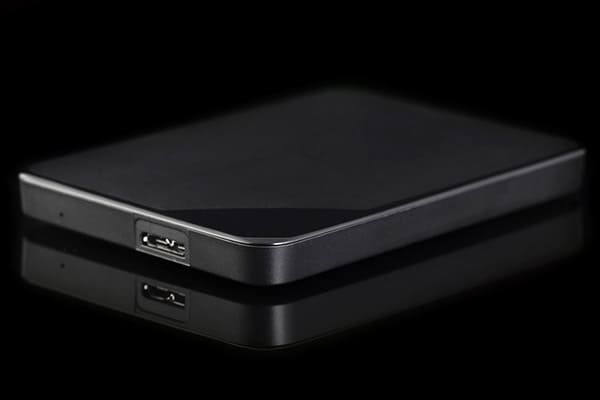
Superior Corrosion Resistance
The sealed aluminum oxide layer is non-reactive and provides an excellent barrier against moisture and atmospheric corrosion.
This makes it a long-lasting finish, even in challenging conditions.
Premium, High-End Aesthetics
Black anodized aluminum has a sophisticated, technical, and premium feel.
It offers a uniform, matte-to-satin finish that diffuses light beautifully, making it a favorite for consumer electronics, architectural elements, and high-end automotive trim.
Color Stability
Because the black dye is sealed within the oxide layer, it is not susceptible to flaking or chipping.
This ensures the color remains consistent throughout the life of the part, provided it is properly sealed and not overexposed to UV radiation.
Important Considerations and Limitations
Despite its advantages, black anodized aluminum sheet is not without its challenges.
Awareness of these limitations is key to a successful project.
- Color Matching:
Achieving a perfect black color match between different batches can be difficult due to slight variations in the process.
For large projects, it is best to have all parts anodized in a single run. - UV Sensitivity:
While stable for indoor use, standard black organic dyes can fade over time with prolonged, direct exposure to sunlight.
For outdoor architectural use, specialized, more stable dyes are required. - Surface Brittleness:
While the anodized layer is very hard, it is also brittle.
If a black anodized sheet is bent after anodizing, the hard oxide layer can develop micro-fractures, creating a “crazing” effect.
All forming should be done before the anodizing process. - Electrical Conductivity:
The aluminum oxide layer is an excellent electrical insulator.
This is an advantage for electronic enclosures but a disadvantage if the part needs to be electrically grounded.
Special masking or post-anodizing machining is required to create conductive contact points.

Alloy Selection of Black anodized aluminum sheet
| Alloy Series | Specific Alloy | Black Anodizing Suitability | Appearance & Comments |
|---|---|---|---|
| 1xxx Series | 1100, 1350 | Excellent | Produces the clearest, most uniform oxide layer.
Results in a very high-quality finish. Often used for reflectors and bright-finish applications. |
| 3xxx Series | 3003 | Very Good | One of the most common and reliable alloys for black anodizing.
Produces a consistent and uniform black finish, making it a workhorse for general-purpose sheet metal. |
| 5xxx Series | 5005 | Excellent | Specifically designed with an anodizing quality finish in mind.
The grain structure is controlled to produce a superior, uniform appearance with minimal imperfections. |
| 5052 | Very Good | A highly popular choice. Offers a great balance of formability, strength, and excellent response to black anodizing.
Produces a deep, consistent color. |
|
| 6xxx Series | 6061 | Good to Very Good | Widely used and anodizes well, but can sometimes show slight variations or cloudiness depending on the material’s temper and origin.
Still considered a reliable choice. |
| 6063 | Excellent | Known as an “architectural alloy,” it is engineered for a superior surface finish.
It anodizes exceptionally well, resulting in a very uniform and aesthetically pleasing black. |
|
| 2xxx Series | 2024 | Poor / Not Recommended | Avoid for decorative black finishes.
The high copper content interferes with the process, often resulting in a blotchy, yellowish, or muddy brown finish instead of a true black. |
| 7xxx Series | 7075 | Fair to Poor | Can be anodized black for protective purposes (especially Type III Hardcoat), but the cosmetic result is often inconsistent and may have a gold or bronze hue. Not ideal for decorative applications. |
Key Takeaway for Designers and Engineers:
If a flawless black finish is a top priority, choose an alloy from the 5xxx or 6xxx series—5005 and 6063 are often the premium picks for superior appearance.
While 3003 and 6061 are very reliable and widely available, alloys from the 2xxx and 7xxx series should be avoided if a true, deep black color is the goal.
Always communicate your finishing requirements early in the material selection process to ensure a successful outcome.
Applications: Where You See Black Anodized Aluminum Sheet
The unique fusion of a sophisticated aesthetic with robust, functional performance has made black anodized aluminum sheet a premier choice across a multitude of industries.
Designers and engineers deliberately choose it when they need a material that conveys quality, precision, and durability.
Consumer Electronics: The Look and Feel of Premium Tech
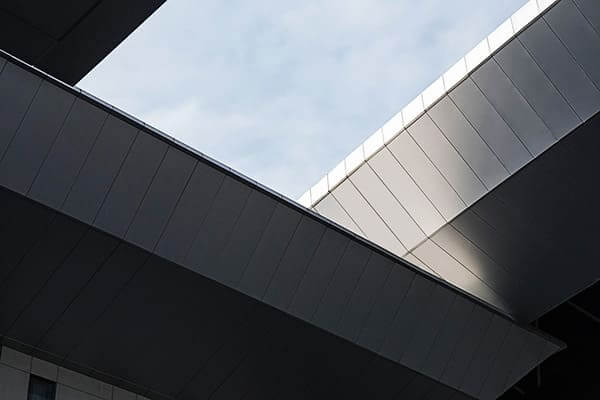
This is arguably the most visible application of black anodized aluminum today.
When you pick up a high-end electronic device, the cool, metallic, and smooth feel often comes from this material.
It has become synonymous with quality in the tech world.
- Laptops, Tablets, and Smartphones:
The bodies and frames of premium devices from brands like Apple, Dell, and HP are frequently crafted from black anodized aluminum.
It provides the necessary structural rigidity without adding significant weight, and its exceptional durability resists scratches and wear from daily handling and transport. - High-End Audio/Video Equipment:
The faceplates of amplifiers, receivers, and other audiophile components are often made from brushed black anodized aluminum.
The non-reflective, matte finish exudes a professional, high-tech aesthetic, while the material itself provides excellent electromagnetic shielding for the sensitive internal electronics. - Cameras and Optical Gear:
The bodies of high-end cameras and lenses use black anodized aluminum for two critical reasons.
First, its durability protects the delicate optics and electronics inside.
Second, and just as important, its matte black finish is non-reflective, preventing stray light and glare from interfering with the quality of a photograph.
Architectural Design: A Statement in Modernism
In architecture, black anodized aluminum provides a bold, clean, and modern look that stands the test of time.
It creates sharp lines and a powerful contrast against materials like glass, wood, and concrete.
- Window and Door Frames:
The material’s outstanding corrosion resistance makes it a perfect choice for exterior window and door systems.
Unlike painted steel, it will not rust or peel, ensuring decades of low-maintenance performance.
For these applications, specifying a UV-stable dye is critical to prevent fading from prolonged sun exposure. - Wall Panels and Façade Systems:
Used for both interior feature walls and exterior cladding, black anodized panels offer a sophisticated and uniform finish that is difficult to achieve with paint over large surfaces. - Trim, Louvers, and Signage:
From subtle interior trim to exterior sun louvers and high-end corporate signage, the material provides a durable and consistently elegant finish that elevates the overall design of a building.
Automotive and Transportation: The Intersection of Luxury and Performance
Automakers use black anodized aluminum to enhance a vehicle’s interior quality and add a sense of lightweight performance.
- Interior Trim and Components:
You will find it used for the trim around gear shifters, air vents, infotainment controls, and speaker grilles in luxury and sports vehicles.
It replaces plastic with a material that is cool to the touch and resistant to scratches from keys and daily use, signaling a higher level of craftsmanship. - Badges and Emblems:
A matte or satin black anodized emblem provides a subtle, “stealth” branding effect that is popular on high-performance models. - Aftermarket and Performance Parts:
From roof rails to custom trim pieces, its light weight and durable finish make it a favorite among automotive enthusiasts.
Industrial, Scientific, and Medical Fields: Where Function Meets Form
- Instrument Panels and Enclosures:
Manufacturers often use black anodized aluminum to make front panels for scientific instruments, test equipment, and industrial controls.
The surface is hard enough to withstand handling in a lab or factory environment, and it provides an excellent, high-contrast background for screen-printed labels, dials, and readouts. - Robotics and Automation:
Components for custom machinery and robotic arms use the material for its high strength-to-weight ratio and durable, professional finish. - Medical Trays and Device Housings:
Anodized aluminum has a sealed, non-porous surface that resists contamination, cleans easily, and allows for sterilization, making it suitable for medical applications where hygiene and durability matter most.
Conclusion
In summary, black anodized aluminum sheet is far more than just a color choice.
It is an advanced surface treatment that imbues aluminum with enhanced durability, superior corrosion resistance, and a timeless, premium aesthetic.
By understanding the process, selecting the right alloy and anodizing type, and recognizing its limitations, you can use this material effectively to create products that are not only beautiful but also built for durability.
It is a finish that signals quality, precision, and thoughtful design.
Frequently Asked Questions (FAQs)
1. Is black anodized aluminum sheet just black paint?
No, absolutely not. Paint is a coating that sits on top of the surface and can chip or peel.
Anodizing is an electrochemical process that grows a hard, protective layer from the aluminum itself, with the color infused inside that layer.
2. Will the black color scratch off?
It is very difficult to scratch off. You would have to scratch through the entire hard oxide layer to damage the color.
While a very deep gouge can damage the finish, it is far more scratch-resistant than paint or powder coating.
3. Can I get a perfectly glossy black anodized finish?
Generally, no. The anodizing process, especially with a pre-etch, naturally creates a matte or satin finish.
A highly polished aluminum sheet can result in a more reflective, semi-gloss anodized finish, but a true mirror-like gloss is not typical.
4. Is it safe for outdoor use?
For most applications, yes, but for long-term architectural use with constant sun exposure, you must specify a UV-stable dye to prevent fading over many years.
Standard black dyes are best suited for indoor or shaded applications.