
O guia definitivo para folha de alumínio PTP para embalagens farmacêuticas: Dos Princípios Técnicos à Prática de Aquisições
PTP (Pressione através da embalagem) papel alumínio é o “tábua de salvação” de embalagens blister farmacêuticas. Sua qualidade impacta diretamente a vida útil de um medicamento, segurança, e imagem de marca. Este guia pretende ir além do básico, fornecendo uma análise aprofundada de seu núcleo técnico, detalhes do aplicativo, e gerenciamento da cadeia de suprimentos para apoiar sua tomada de decisão profissional.
1. Análise aprofundada: Estrutura e Princípios Funcionais da Folha PTP
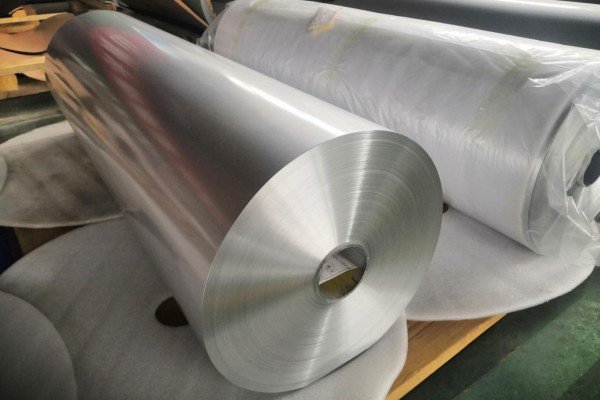
A folha de alumínio PTP é um material compósito sofisticado onde cada camada funcional funciona em conjunto para formar uma barreira robusta que protege o produto farmacêutico.
Análise detalhada da estrutura multicamadas
| Camada (Exterior para Interior) | Composição Primária & Processo | Funções principais & Requisitos |
|---|---|---|
| Camada protetora/de impressão | Normalmente um verniz transparente ou branco resistente ao desgaste, aplicado via rotogravura. | 1. Portador de informações: Imprime claramente as informações legalmente exigidas: nome da droga, dosagem, número do lote, data de validade, fabricante. 2. Proteção de impressão: Oferece excelente resistência à abrasão para evitar o desgaste das informações durante a distribuição. 3. Apelo Estético: Melhora o reconhecimento da marca e a aparência do produto. |
| Folha de alumínio Substrato | Principalmente ligas como 8011, precisão laminada a frio até espessura de nível mícron. | 1. Barreira Central: Fornece barreira quase absoluta contra vapor de água, oxigênio, e luz. 2. Suporte Mecânico: Fornece força geral, permitindo limpar “pressionar” quebra. 3. Base Formadora: Boa ductilidade permite fácil estampagem e conformação em máquinas de embalagem. |
| Revestimento de seleção de calor | Um adesivo de polímero (por exemplo., Copolímero VC, acrílico) com uma formulação específica. | 1. Selo Seguro: Adere firmemente aos materiais de base do blister (como PVC, PVDC) sob o calor e a pressão da matriz de vedação. 2. Estabilidade: Deve ser quimicamente inerte, não interagindo com o medicamento. 3. Recurso de abertura fácil: Saldos “selo seguro” com “passagem fácil” desempenho. |
Princípio Funcional: Quando um consumidor pressiona um bolso blister, a força se concentra na cúpula de alumínio. Sob pressão precisamente projetada, a folha quebra de forma limpa no revestimento de vedação térmica, separando do material base, enquanto a vedação circundante permanece intacta. Isto garante uma remoção conveniente da dose, mantendo os comprimidos restantes selados..
2. Seleção detalhada de especificações: Combinando Droga e Máquina
1. Seleção Científica de Liga e Têmpera
O desempenho da folha começa com a liga e seu temperamento (condição de dureza).
Comparação aprofundada de ligas convencionais & Temperamentos
| Liga/Têmpera | Características principais | Principais parâmetros de desempenho (Típico) | Cenário de aplicação ideal |
|---|---|---|---|
| 8011-H18 | Força elevada, boa conformabilidade, ótimo equilíbrio custo-desempenho. | Resistência à tracção: ≥160MPa Alongamento: ≥1% |
A escolha universal, adequado para mais 90% de comprimidos padrão, cápsulas, grânulos. |
| 8011-O | Temperamento suave, excelente ductilidade, fácil de carimbar/formar. | Resistência à tracção: 60-100 MPa Alongamento: ≥10% |
Para comprimidos com formatos muito complexos ou requisitos de estampagem extremamente elevados. |
| 8021-O/H18 | Maior pureza & microestrutura mais densa, ~20-30% melhor barreira. | WVTR/OTR superior em comparação com 8011 da mesma bitola. | Para medicamentos extremamente sensíveis à umidade/oxigênio: comprimidos de desintegração oral, alguns produtos biológicos, suplementos de alto valor. |
| 1235-O | Alta pureza (Al≥99,35%), teor muito baixo de metais pesados. | Melhor resistência à corrosão & segurança em contato com alimentos. | Para medicamentos/alimentos com limites estritos de migração de íons metálicos (por exemplo., chocolates, doces em blisters). |

2. Espessura: Além da barreira
A espessura é um equilíbrio entre custo, propriedades de barreira, e compatibilidade da máquina.
3Modelo de decisão D para seleção de espessura de folha PTP
| Espessura (μm) | Faixa de referência WVTR | Força mecânica | Demandas em equipamentos de embalagem | Camada de aplicação recomendada |
|---|---|---|---|---|
| 20 | Um pouco mais alto, mas ainda muito superior aos filmes plásticos. | Moderado. O risco de fratura durante a estampagem em alta velocidade precisa de monitoramento. | Alto. Requer máquinas bem conservadas com controle preciso de tensão. | Nível Econômico. Para genéricos altamente estáveis com prazo de validade mais curto. |
| 25 (O Padrão Ouro) | <0.5 g/m²·24h | Excelente. Suporta compressão e impacto durante o transporte. | Moderado. Compatível com a maioria das máquinas de embalagem blister padrão. | Nível Padrão. Para medicamentos prescritos/OTC que requerem armazenamento a longo prazo (2-3 anos). |
| 30+ | <0.3 g/m²·24h | Muito alto. Risco mínimo de quebra. | Baixo, mas requer maior poder de vedação. | Nível de alto desempenho. Para exportações para climas tropicais, ingredientes altamente ativos, ou produtos com prazo de validade muito longo. |
3. Especificações da bobina: Diretamente ligado à eficiência da produção
As especificações correspondentes da bobina são fundamentais para, operação eficiente da linha de produção.
Especificações detalhadas da bobina & Lista de verificação de compatibilidade de máquinas
| Parâmetro de especificação | Opções comuns | Impacto na produção | Pontos-chave para discussão sobre aquisições |
|---|---|---|---|
| Largura da bobina | Personalizado de 80 mm a 800 mm, normalmente em incrementos de 1 mm. | Determina o número de blisters por folha (módulo), impactando diretamente a eficiência da embalagem. | Forneça o tamanho do blister e a direção de saída para que o fornecedor calcule a largura ideal. |
| Diâmetro interno do núcleo (EU IA.) | 3″ (76.2milímetros) e 6″ (152.4milímetros) são padrões internacionais. | ID de núcleo errado. impossibilita a montagem na máquina. | Deve confirmar a dimensão exata do eixo de desenrolamento da máquina. |
| Diâmetro externo da bobina (OD) / Comprimento | DO. normalmente ≤600 mm. O comprimento pode ser de dezenas de milhares de metros. | Bobinas maiores reduzem a frequência de troca, aumentando a eficiência, mas requerem máquinas com capacidade de carga adequada e controle de tensão. | Esclareça o O.D máximo permitido da máquina. e peso máximo da carga. |
| Número de picos/emendas | Idealmente ≤1-2 por bobina, e deve estar claramente marcado. | As emendas podem causar breves paradas ou vedação instável. | Especifique as emendas máximas permitidas por bobina no contrato de compra. |
3. Além dos padrões: Controle aprofundado do desempenho principal
1. A Engenharia de Sistemas de Desempenho de Selagem Térmica
A selagem térmica não é um parâmetro único, mas o resultado da correspondência do sistema.
Tabela de correspondência do sistema de vedação térmica
| Material de base da bolha | Tipo de revestimento de vedação térmica recomendado | Temperatura típica de vedação. Faixa | Força de vedação esperada | Notas importantes |
|---|---|---|---|---|
| PVC rígido | Revestimento universal VC ou acrílico | 180°C – 220°C | ≥7N/15mm | Combinação mais comum, processo maduro. |
| PVC revestido com PVDC | Revestimento especial otimizado para PVDC | 190°C – 230°C | ≥6,5 N/15 mm | Camada PVDC afeta a transferência de calor; temperatura ligeiramente mais alta pode ser necessária. |
| BICHO DE ESTIMAÇÃO | Revestimento de poliéster de alta temperatura | 220°C – 250°C | ≥6N/15mm | PET tem um alto ponto de fusão, exigindo mais poder de vedação. |
| PP/PE | Revestimento específico de poliolefina | 160°C – 200°C | ≥5,5 N/15 mm | Temperatura muito baixa causa ligação fraca; muito alto deforma a base. |
Teste de resistência de vedação: Deve incluir testes de idadesimulando armazenamento real (por exemplo., testando depois 14 dias a 40°C/75% UR) para garantir a confiabilidade da vedação durante todo o prazo de validade.

2. Propriedades de barreira: A pedra angular da estabilidade
Além das barreiras básicas de umidade/oxigênio, considere esses riscos potenciais:
- Barreira luminosa: A folha em si é opaca, tornando-o ideal para medicamentos sensíveis à luz.
- Barreira de Odores: Impede que os medicamentos absorvam odores externos ou que os odores internos escapem.
- Migração & Adsorção: Um revestimento de vedação térmica de alta qualidade deve bloquear efetivamente a migração bidirecional e evitar a adsorção de API na folha.
3. Padrões completos de inspeção de aparência & Qualidade de impressão
| Tipo de defeito | Padrão Aceitável (AQL) | Método de inspeção | Risco Potencial |
|---|---|---|---|
| Buracos | ≤ 100 peças/㎡, nenhum agrupamento permitido. | Detector de furo (inspeção retroiluminada) | Ponto de risco primário para falha da barreira. |
| Arranhões/rugas | Pequenos defeitos que não afetam a impressão, vedação, ou função de barreira. | Inspeção visual sob luz padrão. | Afetar a aparência; rugas severas podem causar má vedação. |
| Defeitos de impressão | Texto legível, cor dentro da tolerância, nenhuma impressão faltante/errada. | Comparação com cor/arte mestre. | Informações incorretas ou ilegíveis levam a erros de dosagem ou não conformidade. |
| Revestimento irregular | Revestimento de vedação térmica aplicado uniformemente, sem listras ou manchas visíveis. | Visual & teste de casca simples. | Causa selos locais fracos, criando pontos de vazamento. |
4. Processo de Produção & Sistema de Qualidade: A Fundação da Alta Qualidade
Pontos Críticos de Controle (PCC) no processo completo
- Entrada de Matéria Prima: Verifique a liga, temperamento, e certificados de materiais da bobina de alumínio.
- Rolando & anelamento: Controle preciso da tolerância de espessura (normalmente ±3%), tensão, e o recozimento determina as propriedades mecânicas e a conformabilidade.
- Limpeza & Pré -tratamento: Remove óleos de rolamento e aplica pré-tratamento químico. Este é o etapa mais críticapara garantir a adesão subsequente de impressão e revestimento.
- Impressão: A impressão de rotogravura de alta precisão garante clareza de dados variáveis (lote, termo). Uso de baixa migração, tintas de qualidade farmacêuticaé essencial.
- Revestimento: O revestimento de precisão aplica a laca de vedação térmica uniformemente. O peso do revestimento seco é o parâmetro chave (tipicamente 2-4 g/㎡).
- Cura & Corte: A cura adequada garante a estabilidade do desempenho do revestimento. Facas de corte afiadas garantem limpeza, bordas sem rebarbas.
- Inspeção em linha & Embalagem: Sistemas de inspeção visual detectam furos, manchas, etc., em alta velocidade. Embalagem em ambiente limpo evita contaminação.
Matriz de Conformidade & Sistemas de Certificação
| Sistema / Padrão | Foco Primário | Principais pontos de auditoria do fornecedor |
|---|---|---|
| GMP (Boas Práticas de Fabricação) | Gestão da qualidade e controlabilidade de todo o processo. | Existe uma área de produção dedicada para embalagens farmacêuticas? Os controles ambientais, higiene pessoal, fluxo de materiais, e registros de desvio robustos? |
| ISO 15378 | Sistema de qualidade para embalagens farmacêuticas, baseado em ISO 9001. | A documentação do sistema está completa? Existe um processo de ciclo fechado desde a reclamação do cliente até a ação corretiva/preventiva? |
| Padrões da Série YBB | Padrões da farmacopeia chinesa para produtos físicos, químico, e propriedades biológicas de materiais de embalagem. | Eles podem fornecer informações abrangentes, relatórios de teste YBB válidos de agências competentes? |
| FDA 21 Peças relevantes para CFR | Segurança dos componentes, compatibilidade com drogas, e controles de produção. | Eles auditam seus fornecedores de matéria-prima? Eles realizam testes biológicos Classe VI da USP ou similares? |
5. Seleção de Fornecedores & Gerenciamento: Construindo uma Parceria Estratégica
- Triagem Inicial (Verificação de qualificação): Deve possuir os certificados de conformidade mencionados acima. Verifique se eles são um fornecedor qualificado para empresas farmacêuticas renomadas-isso fala mais alto do que qualquer discurso de vendas.
- Avaliação Profunda (Auditoria no local):
- Capacidade Técnica: O laboratório deles possui equipamentos essenciais: testador de resistência de vedação, testador de permeabilidade, GC-MS (para resíduo de solvente)?
- Estabilidade de Produção: Marcas/idade dos laminadores, revestidores? Existem medidores de espessura online, detectores de furo?
- R&Capacidade D: Eles podem co-desenvolver revestimentos de vedação térmica compatíveis para novos materiais de base de blister? (por exemplo., rPET sustentável)?
- Validação de Amostra & Teste de lote piloto:
- Realize testes de operabilidade em seu próprio equipamento de embalagemcom suas próprias folhas de blister, avaliando o desempenho da máquina, qualidade do selo, e estampagem.
- Executar estudos de estabilidade aceleradospara verificar a confiabilidade do armazenamento a longo prazo.
- Cadeia de mantimentos & Serviço:
- A fonte de matéria-prima é estável (especialmente para alumínio primário)?
- Os prazos de entrega são confiáveis? Quais são os tempos de pedido e resposta do pedido?
- Em caso de problemas de qualidade, qual é a velocidade e capacidade de seu suporte técnico e resolução de problemas?

6. Tendências Futuras & Fronteiras da Inovação
- Barreira Superior & Leveza: Através da otimização de ligas e laminação avançada, alcançar propriedades de barreira em medidores mais finos (por exemplo., 20μm) perto de folha de 25μm, reduzindo custos e pegada ambiental.
- Sustentabilidade:
- Reduza o uso de plástico: Suporta teias de base de blister mais finas.
- Revestimentos ecológicos: Desenvolva lacas de vedação térmica à base de água para reduzir VOCs.
- Design para reciclagem: Explore tecnologias de revestimento que facilitam a separação do plástico, melhorando as taxas de reciclagem de alumínio.
- Integração Inteligente:
- Marcas d’água digitais/códigos QR: Integre marcas d'água digitais invisíveis na camada de impressão para rastreabilidade em nível de item, anti-falsificação, e gerenciamento de adesão do paciente.
- Funções Indicadoras: Desenvolva funções integradas de etiqueta inteligente usando temperatura- ou tintas sensíveis à umidade.
Conclusão
Selecionar folha de alumínio PTP é, em essência, escolhendo uma barreira confiável ao longo do ciclo de vida do produto farmacêutico. Está longe de ser uma simples “compra de folha”; é uma decisão técnica abrangente envolvendo ciência de materiais, engenharia de embalagens, gestão de qualidade, e conformidade regulatória. Desenvolver uma compreensão profunda dos detalhes técnicos e formar parcerias estratégicas com fornecedores confiáveis são cruciais para que as empresas farmacêuticas construam uma vantagem competitiva central na área da qualidade.. Este guia tem como objetivo fornecer um roteiro detalhado para navegar pelas complexidades técnicas e ter confiança, decisões precisas.