
Calitatea bateriei și folie de aluminiu acoperită cu carbon: Ghid tehnic
Folia de aluminiu a bateriei este colectorul de curent catodic într-o celulă litiu-ion - substratul metalic pe care este acoperit materialul activ catodic., și care transportă curent din electrod. Nu are rol electrochimic. Nu stochează energie. Și tocmai pentru că este “inert”, este ușor de subspecificat.
Asta este o greșeală. Folia colectorului de curent afectează rezistența interfacială, aderența acoperirii, capacitatea de rata, ciclu de viață, și rata deșeurilor pe o linie de acoperire care poate rula la zeci de metri pe minut. A greși este costisitor într-un mod greu de urmărit până la folie.
Acest ghid acoperă selecția aliajelor, ecartament, temperament, cazul acoperirii cu carbon, și parametrii care merită introduși într-o specificație.
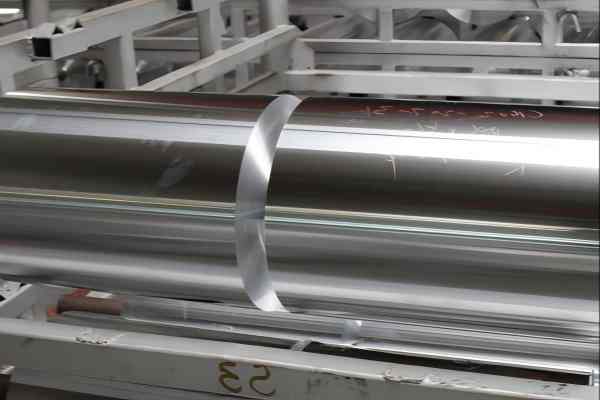
De ce aluminiu pentru catod și cupru pentru anod
Un punct de plecare util, deoarece explică cea mai mare parte a logicii de proiectare:
| Colector de curent catodic | Colector de curent anodic | |
| Material | Folie de aluminiu | Folie de cupru |
| De ce | Aluminiul formează un grajd, pasivizarea stratului de oxid la potenţialele catodice, si este usoara si ieftina | Cuprul este stabil la nivel scăzut (anod) potențiale dar s-ar alia cu litiu |
| Densitate | 2.7 g/cm³ | 8.96 g/cm³ |
Aluminiul este utilizat pe catod deoarece cuprul s-ar oxida la tensiunile catodului, și aluminiu pentru că cuprul ar fi prohibitiv de greu. Dacă căutați o celulă cu ioni de sodiu, Rețineți că ambele electrozii pot folosi folie de aluminiu - sodiul nu se aliază cu aluminiul așa cum o face litiul. Acesta este unul dintre motivele pentru care ionul de sodiu este atractiv din punct de vedere al costurilor, și este o sursă în creștere de cerere de folie pentru baterie.
Alegerea aliajului de bază
Folia bateriei folosește seria 1xxx - aluminiu pur comercial - deoarece conductivitatea și puritatea contează mai mult decât rezistența.
| Aliaj | Utilizare tipică | Note |
| 1235 | Cel mai comun aliaj de folie de baterie | ≥99,35% Al. Echilibru bun între conductivitate și cost |
| 1060 | Folosit pe scară largă, puritate ceva mai mare | ≥99,60% Al |
| 1070 | Cerințe mai mari de puritate | ≥99.70% Al |
| 1050 | Folosit în unele baterii și folii electronice | ≥99,50% Al |
| 1100 | Selectat acolo unde este nevoie de o rezistență puțin mai mare | Contains minor Cu |
Puritatea măsurată pe materialul de producție depășește în mod obișnuit minimul de specificație - o specificație ≥99,0% măsoară de obicei ≥99,5% în practică.
Sfaturi practice: nu supraspecificați puritatea decât dacă chimia electrozilor dvs. are nevoie de aceasta. Fiecare pas de puritate costă bani, şi 1235 se ocupă de majoritatea formulărilor comerciale catodice.
Ecartament: foaia de parcurs, și presiunea de a deveni mai subțire
Folia mai subțire înseamnă mai puțină masă inactivă în celulă, ceea ce înseamnă o densitate energetică mai mare. Întreaga industrie se împinge în jos.
| Grosime | Poziţie |
| 20 μm | Standard mai vechi, încă folosit acolo unde rezistența la manipulare contează |
| 18 μm | Conservator, buna stabilitate a procesului |
| 16 μm | Frecvent în producția de volum |
| 15 μm | Frecvent pentru o densitate de energie mai mare |
| 13 μm | Actualul curent pentru celulele cu energie înaltă |
| 12 μm | Celule cu densitate energetică ridicată, exigent control al procesului |
| 10 μm și mai jos | Frontieră, aprovizionare limitată |
Pentru celule cu densitate mare de energie, 12–15 μm este selecția obișnuită. Pentru aplicații în care stabilitatea liniei de acoperire și rezistența la manipulare contează mai mult decât ultimul procent din densitatea energetică, 18–20 μm oferă o marjă de proces mai bună și deșeuri mai mici.
Schimbul este real: pe măsură ce folia devine mai subțire, se șifonează și se întinde mai ușor la viteză mare, crăpă mai ușor la coturi, și necesită un control mai strict al ecartamentului de la moara. Dacă linia dvs. de acoperire nu este bine reglată, picurând din 16 μm la 13 μm vă poate costa mai mult în deșeuri decât câștigă în densitate de energie.

Temperatură și proprietăți mecanice
Folia bateriei trebuie să echilibreze două moduri de defecțiune. Prea moale și se încrețește sau se întinde în timpul acoperirii și înfășurării de mare viteză. Prea tare și crapă în coturi și este greu de înfășurat.
| Temperament | Rezistența tipică la tracțiune | Alungirea tipică | Utilizare tipică |
| O (anexat) | 60-100 MPa | 3–15% | Aplicații care necesită ductilitate și stabilitate de formare |
| H18 (plin greu) | 120-170 MPa | 1–4% | Folie de înaltă rezistență pentru linii de proces controlate |
| H19 | 140-190 MPa | 1–3% | Cerințe mai mari de rigiditate |
Majoritatea foliei bateriei sunt furnizate în H18. Valorile reale depind de aliaj, ecartament, condiții de reducere la rulare și recoacere — conveniți contractual asupra gamei de proprietăți mecanice și solicitați-l raportat pe certificatul de testare a materialelor pentru fiecare lot de producție.
Valori de referință tipice pentru produsul acoperit: rezistență la tracțiune ≥180 MPa, elongaţie >1.5%.
Folie simplă vs folie acoperită cu carbon
Aceasta este cea mai importantă decizie din acest ghid, deci merita sa fii precis.
Problema acoperirii cu carbon se rezolvă
Când suspensia catodică este acoperită direct pe folie de aluminiu goală, trei lucruri funcționează împotriva ta:
- Rezistenta de contact. Materialul activ atinge metalul doar în puncte discrete. Rezistența la contact interfață este mare, care dăunează capacității ratei și generează încălzire ohmică.
- Adeziune. Aderența șlamului la metalul neted este mai slabă decât la un metal dur, strat de carbon cu suprafață mare. Aderența slabă înseamnă delaminare în timpul calendarizării și ciclismului.
- Coroziune. Suprafața de aluminiu se poate coroda în contact cu electrolitul în timpul unui ciclu lung, în special la tensiuni mai mari și cu anumite chimie.
Ce face stratul de carbon
Un strat de carbon conductiv sub-micron - de obicei negru de fum, grafit, grafen sau un amestec, aplicat cu un liant — acționează ca o punte funcțională între metal și materialul activ:
- Mărește zona de contact eficientă, scăderea rezistenței de contact interfață
- Îmbunătățește aderența electrodului, reducerea delaminarii
- Protejează aluminiul de oxidare și coroziunea electrolitică
- Îmbunătățește capacitatea ratei și stabilitatea ciclului
- Îmbunătățește umectarea electroliților în timpul umplerii
Este un mic plus în termeni de masă și unul mare în termeni de performanță.
Specificații acoperite cu carbon
| Parametru | Cerință tipică |
| Aliaj folie de bază | 1050, 1060, 1100, 1235 |
| Grosimea foliei de bază | 12–20 μm (9–30 μm disponibile) |
| Laturile de acoperire | O singură față sau dublă față |
| Grosimea stratului de carbon | ≥1 μm pe latură (0.5interval de –2 μm, personalizabil) |
| Rezistenta la suprafata | ≤5 mΩ (materialul de producție măsoară de obicei 1–2 mΩ) |
| Tensiunea de umezire a suprafeței | ≥30 dyne pentru folie goală; ≥40–50 dine pentru acoperit cu carbon |
| Aderența acoperirii | Fără delaminare după tragere de bandă 3M |
| Rezistență la solvenți | >200 cicluri cu tampon de bumbac fără a expune folia |
| Imersie electrolitică | Fără delaminare după 24 h |
| Marginea marginii (neacoperită) | De obicei 15 ± 1 mm |
| Densitatea areală (16 μm, acoperite) | ~42 g/m² |
| Compatibilitate cu uscare | Uscarea în vid până la 150 ° C. |
O singură față sau dublă față? Potriviți-l la configurația de acoperire a electrodului. Învelișul de carbon cu două fețe oferă o rezistență interfață mai mică și o performanță mai bună la un nivel ridicat, și este standard pentru celulele de putere și celulele pungă. O singură față este adesea suficientă și mai ieftină pentru celulele energetice sau în cazul în care o singură față primește material activ.
Lățimea acoperirii se potrivește cu matrița dvs. - lățimile comune includ 170 mm, 230 mm, 260 mm și 280 mm, cu o margine de margine neacoperită pentru sudarea urechii.

Calitatea suprafeței: unde încep de fapt majoritatea problemelor
Starea suprafeței are un efect direct asupra acoperirii cu șlam. Contaminare, excesul de ulei de rulare, zgârieturi, denivelări, fisurile marginilor sau rugozitatea neuniformă toate se traduc prin defecte de acoperire și electrod respins.
Cerințe de precizat:
- Curățați suprafața cu ulei de laminare rezidual controlat - acest lucru este critic. Uleiul rezidual reduce umectarea șlamului și provoacă defecte de acoperire
- Fără coroziune vizibilă, colorarea prin oxidare, linii negre sau incluziuni străine
- Fără pliuri, zgârieturi severe, val de margine, telescopic sau înfășurare liberă
- Rugozitate controlată potrivite cu procesul dvs. de acoperire
- Planeitate stabilă pentru a sprijini acoperirea și uscarea uniforme
- Margini tăiate cu bavuri limitate și fără crăpare continuă a marginilor
Dacă introduceți o nouă formulă de electrozi, rulați bobine de probă înainte de producția în masă. Comportamentul acoperirii depinde de interacțiunea dintre materialul activ, liant, solvent, greutatea stratului de acoperire și condițiile de calendarizare — folia este o variabilă în acel sistem, și singurul mod de a ști este să-l testezi.
Inspecție și control al calității
Mori de renume inspectează pe parcursul producției, mai degrabă decât prelevează probe doar la sfârșit. Elemente tipice de inspecție:
| Articol | Scop |
| Compoziție chimică | Confirmă conformitatea aliajului |
| Măsurarea grosimii | Verifică acuratețea și uniformitatea calibrelor |
| Măsurarea lățimii | Confirmă toleranța la fante |
| Rezistență la tracțiune și alungire | Verifică temperarea și stabilitatea mecanică |
| Inspecția suprafeței | Zgârieturi, pete, urme de ulei, incluziuni |
| Inspecție pinhole | Adecvarea pentru utilizare cu ecartament subțire |
| Calitate margine | Bavuri, fisuri, defecte de tăiere |
| Forma bobinei | Telescoping, înfășurare liberă, alinierea marginilor |
Cere certificate de analiză, etichete bobine, liste de ambalare și înregistrări de inspecție ca livrabile contractuale. Uniformitatea calibrului pe lățimea și lungimea bobinei este ceea ce reduce variația greutății acoperirii și rata de respingere a electrodului - acesta este parametrul despre care merită să discutăm.
Ambalare și depozitare
Folia bateriei este sensibilă la umezeală, praf, deteriorarea mecanică și contaminarea suprafeței.
- Bobinele trebuie ambalate cu un ambalaj de protecție, material rezistent la umiditate, protecția marginilor, și paleți sau cutii din lemn pentru export
- Depozitați într-o curat, depozit uscat, departe de substanțele chimice corozive, condens și contact direct cu podeaua
- Păstrați sigilat până la utilizare - oxidarea suprafeței și absorbția umidității degradează performanța acoperirii
- Respect primul intrat, rotatie primul iesit
Lista de verificare RFQ
O cerere care spune “folie baterie 13 μm” nu vă va primi o cotație utilă. Include:
- Aliaj de bază — de ex. 1235
- Grosimea si toleranta — de ex. 13 μm, ±5%
- Temperatură și cerințe mecanice — de ex. H18, întindere 120–170 MPa
- Simplu sau acoperit cu carbon — și dacă este acoperit: latură simplă sau dublă
- Grosimea stratului de carbon — de ex. 1 μm pe latură
- Lățimea și marginea marginii — de ex. 230 mm latime acoperita, 15 mm margine pe fiecare parte
- Rezistența suprafeței țintă — de ex. ≤2 mΩ
- Cerință de curățenie a suprafeței — limita uleiului rezidual, daca ai unul
- ID bobină / OD și lungime
- Volumul lunar și programul de livrare
- Documente necesare — COA, MSDS, REACH/RoHS, certificat de testare a materialelor
Întrebări frecvente
Care este diferența dintre folia de baterie și folia obișnuită de aluminiu? Folia bateriei este un aliaj 1xxx de înaltă puritate, cu controale mult mai stricte pentru uniformitatea ecartamentului, curățenia suprafeței, ulei de rulare rezidual și găuri. Folia obișnuită de ambalare nu este produsă la aceste toleranțe și va cauza defecte de acoperire.
De ce se folosește stratul de carbon pe folie catodică? Scade rezistența de contact interfacial dintre substratul de aluminiu și materialul activ catodic, îmbunătățește aderența, protejează împotriva coroziunii, și îmbunătățește capacitatea de rată și durata de viață.
Ar trebui să aleg o acoperire de carbon cu o singură față sau cu două părți? Față dublă pentru celule de putere, celule de pungă și aplicații de mare viteză unde este importantă cea mai scăzută rezistență interfacială. O singură față este adesea suficientă pentru celulele energetice și costă mai puțin. Potriviți-l la configurația de acoperire a electrodului.
Cât de subțire poate fi folia de aluminiu a bateriei? 12 μm este utilizat în volum pentru celulele cu energie înaltă; 10 μm și mai jos există, dar oferta este limitată. Diluarea necesită atât o moară capabilă, cât și o linie de acoperire bine reglată - altfel deșeurile cresc mai repede decât se îmbunătățește densitatea de energie.
Bateriile cu ioni de sodiu pot folosi folie de aluminiu pentru ambii electrozi? Da. Sodiul nu se aliază cu aluminiul așa cum o face litiul, deci ambii colectori de curent pot fi folii de aluminiu. Acest lucru face parte din avantajul de cost al ionului de sodiu și contribuie la creșterea cererii.
Care este timpul obișnuit de livrare și MOQ? Ambele depind de ecartament, configurația și volumul acoperirii. Folia acoperită și tăiată necesită pași suplimentari de prelucrare dincolo de folie simplă. Indicați volumul și programul dvs. în RFQ pentru o cifră exactă.
Cum ar trebui să depozitez folie acoperită cu carbon? Sigilat, uscat, curat, mai jos aproximativ 40 ° C., de pe podea, departe de condens și substanțe chimice corozive, folosit primul intrat, primul ieşit.
Discutați specificația dvs
Trimite-ne aliajul tău de bază, ecartament, temperatură și configurație de acoperire - sau spuneți-ne chimia celulară, ținta de densitate energetică și parametrii liniei de acoperire, și vom recomanda o specificație de pornire și vom aranja bobine de probă pentru evaluare.
Calitatea bateriei și folie de aluminiu acoperită cu carbon: Ghid tehnic
Folia de aluminiu a bateriei este colectorul de curent catodic într-o celulă litiu-ion - substratul metalic pe care este acoperit materialul activ catodic., și care transportă curent din electrod. Nu are rol electrochimic. Nu stochează energie. Și tocmai pentru că este “inert”, este ușor de subspecificat.
Asta este o greșeală. Folia colectorului de curent afectează rezistența interfacială, aderența acoperirii, capacitatea de rata, ciclu de viață, și rata deșeurilor pe o linie de acoperire care poate rula la zeci de metri pe minut. A greși este costisitor într-un mod greu de urmărit până la folie.
Acest ghid acoperă selecția aliajelor, ecartament, temperament, cazul acoperirii cu carbon, și parametrii care merită introduși într-o specificație.
De ce aluminiu pentru catod și cupru pentru anod
Un punct de plecare util, deoarece explică cea mai mare parte a logicii de proiectare:
| Colector de curent catodic | Colector de curent anodic | |
| Material | Folie de aluminiu | Folie de cupru |
| De ce | Aluminiul formează un grajd, pasivizarea stratului de oxid la potenţialele catodice, si este usoara si ieftina | Cuprul este stabil la nivel scăzut (anod) potențiale dar s-ar alia cu litiu |
| Densitate | 2.7 g/cm³ | 8.96 g/cm³ |
Aluminiul este utilizat pe catod deoarece cuprul s-ar oxida la tensiunile catodului, și aluminiu pentru că cuprul ar fi prohibitiv de greu. Dacă căutați o celulă cu ioni de sodiu, Rețineți că ambele electrozii pot folosi folie de aluminiu - sodiul nu se aliază cu aluminiul așa cum o face litiul. Acesta este unul dintre motivele pentru care ionul de sodiu este atractiv din punct de vedere al costurilor, și este o sursă în creștere de cerere de folie pentru baterie.

Alegerea aliajului de bază
Folia bateriei folosește seria 1xxx - aluminiu pur comercial - deoarece conductivitatea și puritatea contează mai mult decât rezistența.
| Aliaj | Utilizare tipică | Note |
| 1235 | Cel mai comun aliaj de folie de baterie | ≥99,35% Al. Echilibru bun între conductivitate și cost |
| 1060 | Folosit pe scară largă, puritate ceva mai mare | ≥99,60% Al |
| 1070 | Cerințe mai mari de puritate | ≥99.70% Al |
| 1050 | Folosit în unele baterii și folii electronice | ≥99,50% Al |
| 1100 | Selectat acolo unde este nevoie de o rezistență puțin mai mare | Contains minor Cu |
Puritatea măsurată pe materialul de producție depășește în mod obișnuit minimul de specificație - o specificație ≥99,0% măsoară de obicei ≥99,5% în practică.
Sfaturi practice: nu supraspecificați puritatea decât dacă chimia electrozilor dvs. are nevoie de aceasta. Fiecare pas de puritate costă bani, şi 1235 se ocupă de majoritatea formulărilor comerciale catodice.
Ecartament: foaia de parcurs, și presiunea de a deveni mai subțire
Folia mai subțire înseamnă mai puțină masă inactivă în celulă, ceea ce înseamnă o densitate energetică mai mare. Întreaga industrie se împinge în jos.
| Grosime | Poziţie |
| 20 μm | Standard mai vechi, încă folosit acolo unde rezistența la manipulare contează |
| 18 μm | Conservator, buna stabilitate a procesului |
| 16 μm | Frecvent în producția de volum |
| 15 μm | Frecvent pentru o densitate de energie mai mare |
| 13 μm | Actualul curent pentru celulele cu energie înaltă |
| 12 μm | Celule cu densitate energetică ridicată, exigent control al procesului |
| 10 μm și mai jos | Frontieră, aprovizionare limitată |
Pentru celule cu densitate mare de energie, 12–15 μm este selecția obișnuită. Pentru aplicații în care stabilitatea liniei de acoperire și rezistența la manipulare contează mai mult decât ultimul procent din densitatea energetică, 18–20 μm oferă o marjă de proces mai bună și deșeuri mai mici.
Schimbul este real: pe măsură ce folia devine mai subțire, se șifonează și se întinde mai ușor la viteză mare, crăpă mai ușor la coturi, și necesită un control mai strict al ecartamentului de la moara. Dacă linia dvs. de acoperire nu este bine reglată, picurând din 16 μm la 13 μm vă poate costa mai mult în deșeuri decât câștigă în densitate de energie.
Temperatură și proprietăți mecanice
Folia bateriei trebuie să echilibreze două moduri de defecțiune. Prea moale și se încrețește sau se întinde în timpul acoperirii și înfășurării de mare viteză. Prea tare și crapă în coturi și este greu de înfășurat.
| Temperament | Rezistența tipică la tracțiune | Alungirea tipică | Utilizare tipică |
| O (anexat) | 60-100 MPa | 3–15% | Aplicații care necesită ductilitate și stabilitate de formare |
| H18 (plin greu) | 120-170 MPa | 1–4% | Folie de înaltă rezistență pentru linii de proces controlate |
| H19 | 140-190 MPa | 1–3% | Cerințe mai mari de rigiditate |
Majoritatea foliei bateriei sunt furnizate în H18. Valorile reale depind de aliaj, ecartament, condiții de reducere la rulare și recoacere — conveniți contractual asupra gamei de proprietăți mecanice și solicitați-l raportat pe certificatul de testare a materialelor pentru fiecare lot de producție.
Valori de referință tipice pentru produsul acoperit: rezistență la tracțiune ≥180 MPa, elongaţie >1.5%.
Folie simplă vs folie acoperită cu carbon
Aceasta este cea mai importantă decizie din acest ghid, deci merita sa fii precis.
Problema acoperirii cu carbon se rezolvă
Când suspensia catodică este acoperită direct pe folie de aluminiu goală, trei lucruri funcționează împotriva ta:
- Rezistenta de contact. Materialul activ atinge metalul doar în puncte discrete. Rezistența la contact interfață este mare, care dăunează capacității ratei și generează încălzire ohmică.
- Adeziune. Aderența șlamului la metalul neted este mai slabă decât la un metal dur, strat de carbon cu suprafață mare. Aderența slabă înseamnă delaminare în timpul calendarizării și ciclismului.
- Coroziune. Suprafața de aluminiu se poate coroda în contact cu electrolitul în timpul unui ciclu lung, în special la tensiuni mai mari și cu anumite chimie.
Ce face stratul de carbon
Un strat de carbon conductiv sub-micron - de obicei negru de fum, grafit, grafen sau un amestec, aplicat cu un liant — acționează ca o punte funcțională între metal și materialul activ:
- Mărește zona de contact eficientă, scăderea rezistenței de contact interfață
- Îmbunătățește aderența electrodului, reducerea delaminarii
- Protejează aluminiul de oxidare și coroziunea electrolitică
- Îmbunătățește capacitatea ratei și stabilitatea ciclului
- Îmbunătățește umectarea electroliților în timpul umplerii
Este un mic plus în termeni de masă și unul mare în termeni de performanță.
Specificații acoperite cu carbon
| Parametru | Cerință tipică |
| Aliaj folie de bază | 1050, 1060, 1100, 1235 |
| Grosimea foliei de bază | 12–20 μm (9–30 μm disponibile) |
| Laturile de acoperire | O singură față sau dublă față |
| Grosimea stratului de carbon | ≥1 μm pe latură (0.5interval de –2 μm, personalizabil) |
| Rezistenta la suprafata | ≤5 mΩ (materialul de producție măsoară de obicei 1–2 mΩ) |
| Tensiunea de umezire a suprafeței | ≥30 dyne pentru folie goală; ≥40–50 dine pentru acoperit cu carbon |
| Aderența acoperirii | Fără delaminare după tragere de bandă 3M |
| Rezistență la solvenți | >200 cicluri cu tampon de bumbac fără a expune folia |
| Imersie electrolitică | Fără delaminare după 24 h |
| Marginea marginii (neacoperită) | De obicei 15 ± 1 mm |
| Densitatea areală (16 μm, acoperite) | ~42 g/m² |
| Compatibilitate cu uscare | Uscarea în vid până la 150 ° C. |
O singură față sau dublă față? Potriviți-l la configurația de acoperire a electrodului. Învelișul de carbon cu două fețe oferă o rezistență interfață mai mică și o performanță mai bună la un nivel ridicat, și este standard pentru celulele de putere și celulele pungă. O singură față este adesea suficientă și mai ieftină pentru celulele energetice sau în cazul în care o singură față primește material activ.
Lățimea acoperirii se potrivește cu matrița dvs. - lățimile comune includ 170 mm, 230 mm, 260 mm și 280 mm, cu o margine de margine neacoperită pentru sudarea urechii.
Calitatea suprafeței: unde încep de fapt majoritatea problemelor
Starea suprafeței are un efect direct asupra acoperirii cu șlam. Contaminare, excesul de ulei de rulare, zgârieturi, denivelări, fisurile marginilor sau rugozitatea neuniformă toate se traduc prin defecte de acoperire și electrod respins.
Cerințe de precizat:
- Curățați suprafața cu ulei de laminare rezidual controlat - acest lucru este critic. Uleiul rezidual reduce umectarea șlamului și provoacă defecte de acoperire
- Fără coroziune vizibilă, colorarea prin oxidare, linii negre sau incluziuni străine
- Fără pliuri, zgârieturi severe, val de margine, telescopic sau înfășurare liberă
- Rugozitate controlată potrivite cu procesul dvs. de acoperire
- Planeitate stabilă pentru a sprijini acoperirea și uscarea uniforme
- Margini tăiate cu bavuri limitate și fără crăpare continuă a marginilor
Dacă introduceți o nouă formulă de electrozi, rulați bobine de probă înainte de producția în masă. Comportamentul acoperirii depinde de interacțiunea dintre materialul activ, liant, solvent, greutatea stratului de acoperire și condițiile de calendarizare — folia este o variabilă în acel sistem, și singurul mod de a ști este să-l testezi.
Inspecție și control al calității
Mori de renume inspectează pe parcursul producției, mai degrabă decât prelevează probe doar la sfârșit. Elemente tipice de inspecție:
| Articol | Scop |
| Compoziție chimică | Confirmă conformitatea aliajului |
| Măsurarea grosimii | Verifică acuratețea și uniformitatea calibrelor |
| Măsurarea lățimii | Confirmă toleranța la fante |
| Rezistență la tracțiune și alungire | Verifică temperarea și stabilitatea mecanică |
| Inspecția suprafeței | Zgârieturi, pete, urme de ulei, incluziuni |
| Inspecție pinhole | Adecvarea pentru utilizare cu ecartament subțire |
| Calitate margine | Bavuri, fisuri, defecte de tăiere |
| Forma bobinei | Telescoping, înfășurare liberă, alinierea marginilor |
Cere certificate de analiză, etichete bobine, liste de ambalare și înregistrări de inspecție ca livrabile contractuale. Uniformitatea calibrului pe lățimea și lungimea bobinei este ceea ce reduce variația greutății acoperirii și rata de respingere a electrodului - acesta este parametrul despre care merită să discutăm.
Ambalare și depozitare
Folia bateriei este sensibilă la umezeală, praf, deteriorarea mecanică și contaminarea suprafeței.
- Bobinele trebuie ambalate cu un ambalaj de protecție, material rezistent la umiditate, protecția marginilor, și paleți sau cutii din lemn pentru export
- Depozitați într-o curat, depozit uscat, departe de substanțele chimice corozive, condens și contact direct cu podeaua
- Păstrați sigilat până la utilizare - oxidarea suprafeței și absorbția umidității degradează performanța acoperirii
- Respect primul intrat, rotatie primul iesit
Lista de verificare RFQ
O cerere care spune “folie baterie 13 μm” nu vă va primi o cotație utilă. Include:
- Aliaj de bază — de ex. 1235
- Grosimea si toleranta — de ex. 13 μm, ±5%
- Temperatură și cerințe mecanice — de ex. H18, întindere 120–170 MPa
- Simplu sau acoperit cu carbon — și dacă este acoperit: latură simplă sau dublă
- Grosimea stratului de carbon — de ex. 1 μm pe latură
- Lățimea și marginea marginii — de ex. 230 mm latime acoperita, 15 mm margine pe fiecare parte
- Rezistența suprafeței țintă — de ex. ≤2 mΩ
- Cerință de curățenie a suprafeței — limita uleiului rezidual, daca ai unul
- ID bobină / OD și lungime
- Volumul lunar și programul de livrare
- Documente necesare — COA, MSDS, REACH/RoHS, certificat de testare a materialelor
Întrebări frecvente
Care este diferența dintre folia de baterie și folia obișnuită de aluminiu? Folia bateriei este un aliaj 1xxx de înaltă puritate, cu controale mult mai stricte pentru uniformitatea ecartamentului, curățenia suprafeței, ulei de rulare rezidual și găuri. Folia obișnuită de ambalare nu este produsă la aceste toleranțe și va cauza defecte de acoperire.
De ce se folosește stratul de carbon pe folie catodică? Scade rezistența de contact interfacial dintre substratul de aluminiu și materialul activ catodic, îmbunătățește aderența, protejează împotriva coroziunii, și îmbunătățește capacitatea de rată și durata de viață.
Ar trebui să aleg o acoperire de carbon cu o singură față sau cu două părți? Față dublă pentru celule de putere, celule de pungă și aplicații de mare viteză unde este importantă cea mai scăzută rezistență interfacială. O singură față este adesea suficientă pentru celulele energetice și costă mai puțin. Potriviți-l la configurația de acoperire a electrodului.
Cât de subțire poate fi folia de aluminiu a bateriei? 12 μm este utilizat în volum pentru celulele cu energie înaltă; 10 μm și mai jos există, dar oferta este limitată. Diluarea necesită atât o moară capabilă, cât și o linie de acoperire bine reglată - altfel deșeurile cresc mai repede decât se îmbunătățește densitatea de energie.
Bateriile cu ioni de sodiu pot folosi folie de aluminiu pentru ambii electrozi? Da. Sodiul nu se aliază cu aluminiul așa cum o face litiul, deci ambii colectori de curent pot fi folii de aluminiu. Acest lucru face parte din avantajul de cost al ionului de sodiu și contribuie la creșterea cererii.
Care este timpul obișnuit de livrare și MOQ? Ambele depind de ecartament, configurația și volumul acoperirii. Folia acoperită și tăiată necesită pași suplimentari de prelucrare dincolo de folie simplă. Indicați volumul și programul dvs. în RFQ pentru o cifră exactă.
Cum ar trebui să depozitez folie acoperită cu carbon? Sigilat, uscat, curat, mai jos aproximativ 40 ° C., de pe podea, departe de condens și substanțe chimice corozive, folosit primul intrat, primul ieşit.
Discutați specificația dvs
Trimite-ne aliajul tău de bază, ecartament, temperatură și configurație de acoperire - sau spuneți-ne chimia celulară, ținta de densitate energetică și parametrii liniei de acoperire, și vom recomanda o specificație de pornire și vom aranja bobine de probă pentru evaluare.