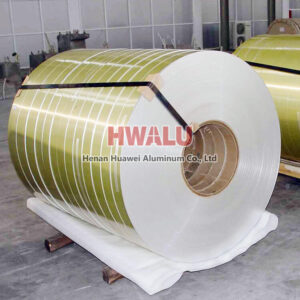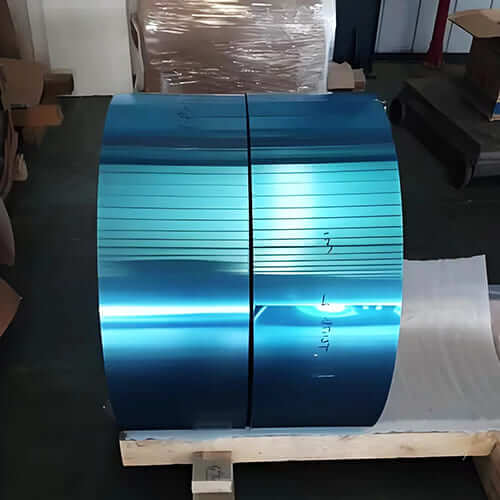
Алюминиевая фольга с эпоксидным покрытием

| сплав | 1050 / 1100 / 1235 / 3003 / 8011 |
| Характер | О / H14 / H18 |
| Толщина фольги | 6–25 мкм |
| Толщина покрытия | 2–10 мкм |
| Сторона покрытия | Одна сторона / Две стороны |
| Основные приложения | Упаковка / Электрический / Изоляция / Промышленный |
1. Управляющее резюме
Алюминиевая фольга с эпоксидным покрытием представляет собой функциональный продукт из алюминиевой фольги, который сочетает в себе барьер, легкий, термический, и проводящие свойства алюминия с защитными характеристиками покрытия из эпоксидной смолы. Покрытие может быть нанесено на одну или обе стороны фольги., в зависимости от предполагаемого применения.
Эпоксидный слой образует на алюминиевой поверхности сплошную полимерную пленку.. Правильная подготовка основания и правильное отверждение покрытия могут улучшить защита поверхности, адгезия, устойчивость к коррозии, химическая стойкость, и совместимость с печатью, ламинирование, или процессы склеивания.
Фактическая производительность сильно зависит от состава смолы., предварительная обработка, толщина покрытия, и условия отверждения. Исследования алюминия с эпоксидным покрытием также показали, что предварительная обработка поверхности может существенно повлиять на адгезию покрытия и защиту от коррозии..
Алюминиевая подложка может быть выбрана из различных сплавов в зависимости от требуемых механических и технологических характеристик.. Общие варианты включают в себя 1050, 1100, 1235, 3003, а также 8011.
Например, 1050 а также 1100 подходят, когда важны пластичность и проводимость, пока 3003 обеспечивает более высокую прочность с хорошей формуемостью и 8011 предлагает полезный баланс прочности и производительности обработки фольги.
2. Что такое алюминиевая фольга с эпоксидным покрытием?
2.1 Определение
Алюминиевая фольга с эпоксидным покрытием представляет собой алюминиевую фольгу с контролируемым слоем покрытие из эпоксидной смолы наносится на одну или обе стороны основы.
Алюминий обеспечивает фундаментальные физические свойства продукта., а эпоксидное покрытие придает поверхности дополнительную функциональность.
Проще говоря:
Алюминиевая фольга = Барьер + Легкий + Сила + Тепловые/электрические свойства
Эпоксидное покрытие = защита поверхности + Адгезия + Химическая стойкость + Функциональная поверхность
В отличие от голой алюминиевой фольги, Фольга с эпоксидным покрытием обеспечивает специальную поверхность, которую производители могут адаптировать к конкретным требованиям, например, к защите от коррозии., изоляция, печать, ламинирование, или склеивание.
2.2 Базовая структура
Простейшая структура состоит из двух функциональных слоев.:
Эпоксидное покрытие → Алюминиевая фольга
Для двустороннего применения:
Эпоксидное покрытие → Алюминиевая фольга → Эпоксидное покрытие
Алюминиевая подложка действует как структурный и барьерный слой., в то время как эпоксидное покрытие защищает поверхность и изменяет ее взаимодействие с окружающей средой..
В некоторых приложениях, дополнительные слои, такие как букварь, клей, чернила, или ламинат может быть включен. Поэтому, окончательная конструкция зависит от предполагаемого конечного использования.

2.3 Функция эпоксидного покрытия
Эпоксидное покрытие обеспечивает защитную и функциональную поверхность..
В зависимости от его формулировки, это может улучшиться:
Защита от коррозии
Покрытие помогает изолировать алюминиевую подложку от влаги и агрессивной внешней среды..
тем не мение, коррозионные характеристики зависят от сплошности покрытия, адгезия, подготовка субстрата, и условия воздействия.
Химическая стойкость
Правильно составленное и отвержденное эпоксидное покрытие может обеспечить устойчивость к некоторым химическим веществам., масла, влага, и другие СМИ.
Точное сопротивление всегда следует проверять на соответствие реальным химическим и температурным условиям..
Адгезия к поверхности
Хорошая адгезия между эпоксидной пленкой и алюминиевой подложкой имеет важное значение..
Предварительная обработка поверхности может значительно улучшить адгезию и долговременную коррозионную стойкость алюминия с эпоксидным покрытием..
Электрическая изоляция
Эпоксидный слой может электрически изолировать алюминиевую поверхность с покрытием, сохраняя при этом тепловые и экранирующие характеристики алюминиевой подложки..
Это делает фольгу с покрытием полезной в некоторых электрических и электронных приложениях..
Печать и ламинирование
В зависимости от состава покрытия и качества поверхности, Фольга с эпоксидным покрытием может обеспечить подходящую поверхность для последующей печати., связь, или ламинирование.
2.4 Односторонние против. Двустороннее покрытие
Одностороннее эпоксидное покрытие
Эпоксидная смола / Алюминий
Одностороннее покрытие подходит, когда защиты требует только одна поверхность., изоляция, или улучшенная адгезия.
Двустороннее эпоксидное покрытие
Эпоксидная смола / Алюминий / Эпоксидная смола
Двустороннее покрытие защищает обе поверхности и подходит для применений, требующих более комплексной защиты от воздействия окружающей среды или электрооборудования..
Поэтому сторона покрытия должна определяться в соответствии с конструкцией конечного продукта..
3. Алюминиевые сплавы и типы эпоксидных покрытий
Характеристики алюминиевой фольги с эпоксидным покрытием зависят от двух взаимосвязанных вариантов материалов.:
Алюминиевая подложка + Система эпоксидного покрытия
Подложка определяет большую часть механических и технологических свойств фольги., при этом покрытие определяет свойства поверхности и устойчивость к воздействию окружающей среды.
3.1 Общие алюминиевые сплавы
Различные сплавы подбираются в зависимости от требуемой прочности., пластичность, проводимость, и формируем производительность.
| сплав | Типичные характеристики | Потенциальные применения |
|---|---|---|
| 1050 | Высокая чистота алюминия, отличная пластичность и проводимость | Электрическая изоляция, тепловые приложения |
| 1100 | Хорошая формуемость, устойчивость к коррозии, и проводимость | Промышленная фольга, изоляция, приложения для теплопередачи |
| 1235 | Отличная гибкость и производительность при обработке фольги | Тонкая фольга, кабельная фольга, ламинированные конструкции |
| 3003 | Более высокая прочность с хорошей формуемостью | Промышленный, ОВК, и технические приложения |
| 8011 | Хороший баланс сил, гибкость, и обрабатываемость фольги | Упаковка и промышленное применение |
Эти сплавы служат коммерческой основой для алюминиевых изделий с покрытием., хотя производители всегда должны выбирать подходящий сплав и закалку в зависимости от конкретного применения..
3.2 Типы эпоксидных покрытий
Эпоксидные покрытия не являются единым универсальным составом.. Различные системы смол и технологии отверждения могут обеспечить различные комбинации адгезии., гибкость, химическая стойкость, термостойкость, и характеристики поверхности.
Общие варианты включают в себя:
Прозрачное эпоксидное покрытие
Обеспечивает защиту поверхности, сохраняя при этом металлический вид алюминиевой подложки..
Цветное эпоксидное покрытие
Использует пигменты для придания особого внешнего вида или функциональной идентификации.. Цвета могут быть настроены в соответствии с приложением..
Эпоксидное покрытие, контактирующее с пищевыми продуктами
Предназначен для применений, в которых поверхность с покрытием может контактировать с пищевыми продуктами..
Такие продукты требуют оценки полный состав покрытия и применимые правила контакта с пищевыми продуктами вместо того, чтобы полагаться только на термин “пищевой сорт.”
Жаростойкое эпоксидное покрытие
Предназначен для применений, подвергающихся воздействию повышенных температур.. Фактическая рабочая температура должна быть подтверждена на основании состава покрытия и данных испытаний..
Химически стойкое эпоксидное покрытие
Разработан для сред, где фольга может контактировать с маслами., влага, растворители, кислоты, щелочи, или другие химикаты.
Устойчивость должна быть проверена на соответствие конкретным условиям воздействия..
Изоляционное эпоксидное покрытие
Используется, когда требуется электрическая изоляция алюминиевой поверхности., включая избранные электрические и электронные приложения.

4. Ключевые свойства алюминиевой фольги с эпоксидным покрытием
Алюминиевая фольга с эпоксидным покрытием сочетает в себе свойства алюминия с функциональными характеристиками покрытия из эпоксидной смолы..
Его окончательная производительность зависит от алюминиевый сплав, характер, толщина фольги, состав покрытия, толщина покрытия, подготовка поверхности, и условия отверждения.
4.1 Отличная коррозионная стойкость
Эпоксидное покрытие образует защитный слой, который уменьшает прямой контакт между алюминиевой подложкой и влагой., соли, и другие агрессивные среды.
Хорошая адгезия покрытия и равномерное покрытие необходимы для долгосрочной защиты..
4.2 Сильная адгезия покрытия
Правильно подготовленная алюминиевая поверхность обеспечивает прочное сцепление эпоксидного покрытия с подложкой..
Сильная адгезия помогает предотвратить отслаивание, отслаивание, и преждевременное разрушение покрытия при изгибе, формирование, ламинирование, или услуга.
4.3 Хорошая химическая стойкость
В зависимости от состава смолы, отвержденные эпоксидные покрытия могут противостоять различным масла, влага, растворители, кислоты, и щелочные вещества.
тем не мение, химическая стойкость зависит от рецептуры и должна быть проверена на соответствие реальным условиям эксплуатации..
4.4 Отличная защита поверхности
Эпоксидный слой защищает алюминиевую поверхность от прямого механического воздействия и воздействия окружающей среды.. Это может улучшить устойчивость к:
- Истирание
- Загрязнение поверхности
- Влага
- Выбранные химикаты
- Обработка повреждений
4.5 Хорошая гибкость
Тонкие эпоксидные покрытия могут сохранять полезную гибкость при правильном составлении и отверждении..
Это позволяет фольге с покрытием подвергаться изгибу., разрезание, формирование, и другие операции конвертации без чрезмерного растрескивания или расслоения..
Толщина покрытия и состав смолы должны соответствовать требуемой степени формования..
4.6 Термостойкость
Эпоксидные покрытия могут обеспечить хорошую термическую стабильность., но реальная рабочая температура зависит от смолы, система отверждения, и толщина покрытия.
Для высокотемпературных применений, производители должны предоставлять конкретные технические данные, а не полагаться на общий температурный диапазон..
4.7 Электрическая изоляция
Алюминий электропроводен, в то время как правильно отвержденное эпоксидное покрытие является электроизоляционным..
Эта комбинация позволяет алюминиевой фольге с эпоксидным покрытием обеспечить металлическое экранирование или теплопроводность вместе с изоляцией поверхности в избранных электрических и электронных приложениях.
4.8 Хорошая производительность барьера
Алюминиевая подложка обеспечивает первичный барьер против свет, влага, газы, и внешнее загрязнение.
Эпоксидный слой обеспечивает защиту поверхности и может обеспечить дополнительный барьер против определенных факторов окружающей среды..
Поэтому, Барьерные характеристики готового материала обусловлены комбинированной структурой, а не только эпоксидным покрытием..
4.9 Совместимость печати и ламинирования
В зависимости от состава покрытия и качества поверхности, Алюминиевая фольга с эпоксидным покрытием может быть предназначена для последующего использования. печать, клейкая связь, или ламинирование.
Поверхностная энергия, Адгезия покрытия, и условия отверждения должны контролироваться для обеспечения совместимости с последующими материалами..

5. Типичные характеристики алюминиевой фольги с эпоксидным покрытием
Алюминиевая фольга с эпоксидным покрытием не имеет единой универсальной спецификации, поскольку требования к упаковке значительно различаются., электрический, изоляция, ОВК, и промышленное применение.
Следующие значения представляют типичные коммерческие диапазоны и должен быть подтвержден в соответствии с окончательным заявлением.
| Параметр | Типичная спецификация |
|---|---|
| Алюминиевый сплав | 1050 / 1100 / 1235 / 3003 / 8011 |
| Характер | О / H14 / Н16 / H18 / H22 / H24 |
| Толщина фольги | 6–25 мкм |
| Эпоксидное покрытие | Одна сторона / Две стороны |
| Толщина покрытия | Приблизительно. 2–10 мкм |
| Поверхность | Яркий / матовый |
| Цвет | Прозрачный / Белый / Обычай |
| Ширина | Индивидуальные |
| Форма рулона | Катушка / Рулон |
| Основной идентификатор | 76 / 152 мм или по индивидуальному заказу |
| Приложение | Упаковка / Электрический / Изоляция / Промышленный |
- Толщина покрытия варьируется в зависимости от состава смолы и ее применения.. Для некоторых продуктов может потребоваться толщина покрытия, выходящая за пределы этого диапазона..
6. Процесс производства алюминиевой фольги с эпоксидным покрытием
Комбинат по производству алюминиевой фольги с эпоксидным покрытием прецизионное производство алюминиевой фольги с контролируемой подготовкой поверхности и эпоксидным покрытием.
Основные шаги заключаются в следующем::
6.1 Производство алюминиевой фольги
Выбранный алюминиевый сплав расплавляется, бросать, горячекатаный, и холодной прокатки для достижения необходимой толщины фольги и качества поверхности.
Для получения заданного состояния может применяться отжиг..
плавление & Литье → Горячая прокатка → Холодная прокатка → Отжиг → Окончательная прокатка
6.2 Очистка и предварительная обработка поверхности
Перед нанесением покрытия, фольга очищается от масла для прокатки, пыль, и другие загрязнения.
Затем можно применить предварительную обработку поверхности для улучшения адгезии эпоксидной смолы и защиты от коррозии..
6.3 Эпоксидное покрытие
Эпоксидная смола наносится на одну или обе стороны фольги с помощью контролируемого процесса нанесения покрытия..
Толщина покрытия, вязкость смолы, скорость нанесения покрытия, и однородность поверхности тщательно контролируются для достижения постоянного охвата.
6.4 Сушка и отверждение
Фольга с покрытием проходит контролируемый процесс нагрева для высыхания и отверждения эпоксидного слоя..
Правильное отверждение развивает необходимые адгезия, химическая стойкость, твердость, и термическая стабильность.
6.5 Резка и перемотка
После отверждения, фольга с покрытием разрезается на необходимую ширину и сматывается в рулоны.
Точная резка и стабильная намотка помогают обеспечить плавную последующую обработку..
6.6 Окончательная проверка качества
Готовая фольга проверяется на толщина фольги, толщина покрытия, внешний вид поверхности, Адгезия покрытия, механические свойства, и качество рулона.
Дополнительные тесты, такие как химическая или термостойкость, может быть выполнено в соответствии с предполагаемым применением.

7. Толщина и характеристики эпоксидного покрытия
The толщина эпоксидного покрытия напрямую влияет на защиту, гибкость, адгезия, и производительность обработки алюминиевой фольги с эпоксидным покрытием.
Не существует универсальной толщины для каждого применения., поэтому покрытие следует выбирать в соответствии с условиями эксплуатации и процессом преобразования..
7.1 Типичная толщина покрытия
Для многих коммерческих приложений, Толщина эпоксидного покрытия составляет примерно 2–10 мкм.
Фактическая спецификация может быть ниже или выше в зависимости от системы смол и предполагаемого использования..
| Толщина покрытия | Типичные характеристики | Подходящие соображения |
|---|---|---|
| 2–4 мкм | Легкий, гибкий, низкий расход материала | Гибкая пленка и легкая защита поверхности |
| 4–7 мкм | Сбалансированная защита и гибкость | Общепромышленное применение |
| 7–10 мкм | Повышенная защита поверхности и покрытие | Более требовательные условия |
Эти значения типичные эталонные диапазоны, а не универсальные стандарты. Оптимальная толщина покрытия должна быть подтверждена путем испытаний для конкретного применения..
7.3 Толщина покрытия в зависимости от. Гибкость
Для тонкой алюминиевой фольги, покрытие должно выдерживать изгиб, разрезание, формирование, и ламинирование без растрескивания и расслоения.
Правильно составленный тонкий эпоксидный слой может обеспечить защиту поверхности, сохраняя при этом гибкость алюминиевой подложки..
7.4 Толщина покрытия в зависимости от. Защита от коррозии
Сплошная эпоксидная пленка может уменьшить прямое воздействие на алюминиевую подложку влаги и агрессивных сред..
тем не мение, Защита от коррозии зависит от полная система покрытия, включая предварительную обработку поверхности, адгезия, сплошность покрытия, и отверждение, а не просто толщина покрытия.
8. Алюминиевая фольга с эпоксидным покрытием против. Другая фольга с покрытием
Различные системы покрытий обеспечивают различные комбинации коррозионной стойкости., гибкость, химическая стойкость, термостойкость, адгезия, и производительность обработки.
Поэтому, Выбор покрытия должен основываться на конечном применении, а не только на типе покрытия..
| Свойство | Алюминиевая фольга с эпоксидным покрытием | Алюминиевая фольга с полиэтиленовым покрытием | Алюминий с покрытием ПВДФ | Алюминиевая фольга с акриловым покрытием | Голая алюминиевая фольга |
|---|---|---|---|---|---|
| Защита от коррозии | Отличный* | Хороший | Отличный | Хороший | Умеренный |
| Химическая стойкость | Отличный* | Хороший | Отличный | Хороший | Умеренный |
| Адгезия покрытия | Отличный* | Хороший | Хороший | Хорошо–Отлично | — |
| Гибкость | Хороший* | Отличный | Хороший | Хорошо–Отлично | Отличный |
| Прочность поверхности | Отличный* | Хороший | Отличный | Хороший | Ограниченный |
| Термостойкость | Хорошо–Отлично* | Умеренный | Отличный | Умеренно-хорошо | Отличный |
| Электрическая изоляция | Отличный | Отличный | Отличный | Хороший | Никто |
| Совместимость печати | Хорошо–Отлично* | Хороший | Хороший | Отличный | Требует обработки поверхности |
| Типичное использование | Промышленный, упаковка, изоляция, электрический | Упаковка, ламинирование | Архитектурно-промышленный | Печать и упаковка | Общие применения фольги |
- Производительность варьируется в зависимости от состав смолы, толщина покрытия, предварительная обработка, и условия отверждения.

9. Алюминиевая фольга с эпоксидным покрытием для фармацевтической и пищевой упаковки
Алюминиевую фольгу с эпоксидным покрытием можно использовать в отдельных случаях. фармацевтическая и пищевая упаковка там, где барьерные свойства алюминия необходимо сочетать с защитной и функциональной поверхностью с покрытием.
тем не мение, Выбор покрытия для регулируемой упаковки требует большего, чем просто общие характеристики защиты от коррозии или адгезии..
Полная система материалов должна соответствовать требованиям предполагаемого продукта и рынка..
9.1 Фармацевтическая упаковка
Алюминиевая фольга обеспечивает эффективный барьер против свет, влага, кислород, и внешнее загрязнение, в то время как эпоксидное покрытие может защитить алюминиевую поверхность и улучшить совместимость с печатью., связь, или другие упаковочные слои.
Потенциальные приложения включают в себя:
- Фармацевтические укупорочные средства
- Крышка и уплотнительные компоненты
- Ламинированные упаковочные конструкции
- Отдельные системы упаковки таблеток и капсул
Для фармацевтического использования, важные соображения включают в себя целостность покрытия, химическая совместимость, экстрагируемые и выщелачиваемые вещества, где это применимо, адгезия, чистота, и отслеживание партий.
Состав эпоксидной смолы следует выбирать специально для предполагаемой структуры фармацевтической упаковки, а не предполагать, что все эпоксидные покрытия подходят для прямого или непрямого фармацевтического контакта..
9.2 Упаковка для еды
Алюминиевую фольгу с эпоксидным покрытием также можно использовать для некоторых видов упаковки пищевых продуктов., особенно там, где покрытие обеспечивает:
- Защита поверхности
- Устойчивость к коррозии
- Улучшенная адгезия
- Совместимость с герметизацией или склеиванием
- Подходящая поверхность для печати
Потенциальные приложения включают в себя:
- Крышки для пищевых контейнеров
- Крышки для бутылок и банок
- Уплотнительные материалы
- Ламинированная упаковка
Для применений, контактирующих с пищевыми продуктами, “с эпоксидным покрытием” не означает автоматически “еда безопасна.”
Производители должны оценить состав покрытия, система отверждения, субстрат, предполагаемый тип еды, температура, время контакта, и рыночные правила для предполагаемого применения.
9.3 Выбор покрытия для регулируемой упаковки
Подходящую систему покрытия следует оценивать в соответствии со всей структурой упаковки..
| Требование | Ключевое соображение |
|---|---|
| Контакт с пищевыми продуктами | Применимые правила контакта с пищевыми продуктами и миграционные требования |
| Фармацевтическая упаковка | Совместимость продукта и применимые нормативные требования |
| Адгезия | Прочность связи между эпоксидной смолой и алюминием |
| Химическая стойкость | Устойчивость к реальному продукту и среде обработки |
| Термостойкость | Герметизация, стерилизация, и температура хранения |
| Гибкость | Гибка, формирование, и преобразование требований |
| Качество поверхности | Единообразие, чистота, и контроль дефектов |
| Прослеживаемость | Идентификация партии и документация по качеству |
10. Заключение
Алюминиевая фольга с эпоксидным покрытием сочетает в себе барьер, легкий, термический, и проводящие характеристики алюминия с защитными и функциональными свойствами эпоксидного покрытия.
Его ключевые преимущества включают в себя хорошая защита от коррозии, сильная адгезия, химическая стойкость, долговечность поверхности, электрическая изоляция, и совместимость с выбранными процессами печати и ламинирования..
тем не мение, не существует единой спецификации, подходящей для каждого применения. Характеристики готового материала зависят от алюминиевый сплав, характер, толщина фольги, предварительная обработка поверхности, эпоксидный состав, толщина покрытия, и условия отверждения.
Для фармацевтической и пищевой упаковки, Выбор покрытия требует особого внимания. Сам по себе термин «эпоксидная смола» не подтверждает пригодность покрытия для контакта с пищевыми продуктами или фармацевтическими препаратами..
Предполагаемый рынок и применение определяют требования к соответствие нормативным требованиям, характеристики миграции, химическая совместимость, и полная структура упаковки.
Для промышленности, электрический, ОВК, изоляция, и упаковочные приложения, наиболее эффективным подходом является выбор системы покрытия в соответствии с реальными условиями эксплуатации и требованиями последующей обработки..
Часто задаваемые вопросы
1. Что такое алюминиевая фольга с эпоксидным покрытием?
Алюминиевая фольга с эпоксидным покрытием — это алюминиевая фольга с покрытием из эпоксидной смолы, нанесенным на одну или обе стороны.. Покрытие обеспечивает дополнительную защиту поверхности., адгезия, химическая стойкость, или электроизоляция.
2. Какие алюминиевые сплавы можно использовать для фольги с эпоксидным покрытием?
Общие варианты подложки включают в себя 1050, 1100, 1235, 3003, а также 8011, в зависимости от необходимой прочности, пластичность, проводимость, и формируем производительность.
3. Какова типичная толщина эпоксидного покрытия??
Общий коммерческий диапазон составляет примерно 2–10 мкм, но соответствующая толщина покрытия зависит от применения, смоляная система, и требуемая производительность.
4. Можно ли использовать алюминиевую фольгу с эпоксидным покрытием для упаковки пищевых продуктов??
Да, выбранная алюминиевая фольга с эпоксидным покрытием может использоваться для упаковки пищевых продуктов.. тем не мение, в конкретный состав покрытия и полная структура упаковки должны соответствовать применимым требованиям к контакту с пищевыми продуктами..
5. Полностью ли пищевая алюминиевая фольга с эпоксидным покрытием??
Нет. Эпоксидное покрытие автоматически не соответствует требованиям по контакту с пищевыми продуктами.. Пригодность для контакта с пищевыми продуктами зависит от конкретного состава., производственный процесс, предполагаемые условия использования, и применимые правила.
6. Можно ли использовать алюминиевую фольгу с эпоксидным покрытием для фармацевтической упаковки??
Да, выбранные сорта могут использоваться в фармацевтической упаковке и компонентах.. Покрытие и алюминиевая подложка должны быть совместимы с предполагаемой конструкцией упаковки и применимыми нормативными требованиями..
7. Является ли алюминиевая фольга с эпоксидным покрытием электроизоляционной??
Сама алюминиевая подложка остается электропроводной., но эпоксидное покрытие может обеспечить электрическую изоляцию на поверхности с покрытием.. Фактические диэлектрические характеристики зависят от состава и толщины покрытия..
8. Можно ли ламинировать алюминиевую фольгу с эпоксидным покрытием??
Да. В зависимости от рецептуры покрытия и свойств поверхности, Фольгу с эпоксидным покрытием можно использовать в ламинированных конструкциях.. Совместимость эпоксидной поверхности, клей, и ламинат должны быть проверены перед производством.